Table of Contents >> Show >> Hide
- What Is a Classic German Vegetable Peeler?
- A Little History Behind the German Peeler
- Why the Design Still Works
- German Peeler vs. Y-Peeler: Which Is Better?
- Best Uses for a Classic Vegetable Peeler from Germany
- What to Look for When Buying a German Vegetable Peeler
- How to Use It Like a Pro
- Why This Old-School Tool Still Belongs in a Modern Kitchen
- Care and Maintenance Tips
- Common Mistakes to Avoid
- Experience Notes: Cooking with a Classic German Vegetable Peeler
- Conclusion
- SEO Tags
Some kitchen tools arrive with dramatic promises. They claim to revolutionize dinner, organize your life, and possibly make you a better person by Thursday. Then there is the classic German vegetable peeler: small, shiny, practical, and utterly uninterested in bragging. It does not need Bluetooth. It does not need a charging cable. It simply peels potatoes, carrots, apples, cucumbers, asparagus, and anything else with a skin that has overstayed its welcome.
When people talk about a classic vegetable peeler from Germany, one model often comes to mind: the Westmark Famos-style swivel peeler. It represents a very German idea of good design: make the tool simple, durable, efficient, and easy to understand without a 42-page manual. A good peeler should remove the skin, not half the vegetable. It should glide instead of scrape. It should feel like a quiet kitchen helper, not a tiny medieval weapon with trust issues.
This article explores why this classic German vegetable peeler remains beloved, how it works, what makes it different from modern peelers, and why such a humble gadget can still earn a permanent place in a serious kitchen drawer.
What Is a Classic German Vegetable Peeler?
A classic German vegetable peeler is typically a compact handheld tool with a metal handle and a moving blade. In German, this type of tool is often associated with the word Sparschäler, which loosely refers to an economical peeler. The name is wonderfully honest. It is designed to “spare” the good part of the vegetable by shaving away only a thin layer of peel.
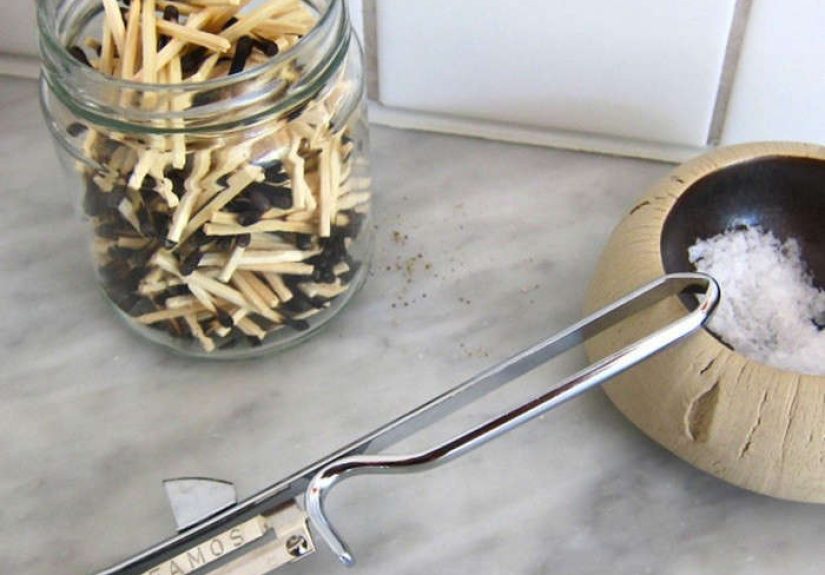
The Westmark Famos peeler is one of the most recognizable examples. Its design is famously minimal: a slim metal handle, an oscillating blade, and a pointed cutter for removing potato eyes or small blemishes. It looks almost too simple, until you use it. Then you understand the charm. The blade follows the shape of the food instead of forcing your wrist to do all the engineering.
This is not the sort of gadget that tries to impress you on a countertop. It hides in a drawer, waits patiently, and then performs beautifully when dinner prep begins. That is its entire personality, and frankly, we could all learn something from it.
A Little History Behind the German Peeler
The vegetable peeler may seem like a basic kitchen invention, but it changed everyday cooking in a meaningful way. Before peelers became common, home cooks often used paring knives to remove skins from potatoes, apples, carrots, and other produce. That worked, but it required more skill, took more time, and often wasted perfectly good food.
The German Famos-style peeler helped popularize a smarter approach. Its thin blade and practical frame made peeling faster, safer, and more economical. Westmark’s company history is closely tied to the Famos potato peeler, which became a foundational kitchen product for the brand. Over time, this small tool became a symbol of practical German kitchenware: no fuss, no drama, just reliable performance.
What makes this history interesting is not only the invention itself, but the way it reflects a larger design philosophy. Many classic German kitchen tools are built around function first. They are not made to be decorative props for a perfect social media kitchen. They are made to survive real cooking: muddy potatoes, rushed weeknight dinners, holiday apple pies, and the occasional carrot that rolls off the cutting board like it has a train to catch.
Why the Design Still Works
1. The Swivel Blade Follows the Food
The secret to a great swivel vegetable peeler is movement. A rigid blade can skip, dig, or remove uneven strips. A moving blade adjusts to the curve of a potato, the slope of a carrot, or the smooth surface of an apple. That flexibility helps the peeler remove skin cleanly while reducing waste.
This matters more than many people realize. If your peeler is dull or poorly designed, peeling becomes a chore. You press harder, your hand gets tired, and your vegetables begin to look like they survived a tiny construction accident. A well-made German swivel peeler keeps the cut controlled and thin.
2. The Metal Handle Is Slim and Durable
Many modern peelers have chunky rubber handles. Those can be comfortable, especially for people who prefer a larger grip. But the classic German metal handle offers a different advantage: control. It is slim, lightweight, and easy to maneuver. It also takes up almost no space in a drawer.
The handle may look old-fashioned, but that is part of the appeal. It feels like a tool, not a toy. There is a satisfying directness to it. You hold it, peel, rinse, dry, and put it away. No detachable mystery parts. No “ergonomic innovation” that somehow makes the tool harder to clean.
3. The Potato-Eye Cutter Is Actually Useful
The pointed cutter on the side of many classic German peelers is not decoration. It is for removing potato eyes, bruised spots, and small imperfections. Anyone who has ever prepared a pile of potatoes knows how useful this is. Instead of switching to a paring knife every twenty seconds, you can peel and trim with the same tool.
This small feature shows the intelligence of the design. The peeler was made by people who understood real kitchen work. It anticipates the annoying little steps and solves them without turning the tool into a complicated gadget.
German Peeler vs. Y-Peeler: Which Is Better?
Kitchen people love a good debate. Cast iron or stainless steel? Gas or induction? Y-peeler or straight swivel peeler? Fortunately, this is not a life-or-death question, even if some cooks defend their favorite peeler with the passion of a sports fan in overtime.
A Y-peeler has a blade positioned horizontally across a Y-shaped frame. Many cooks like it because it can be fast, especially for long vegetables such as carrots, cucumbers, and zucchini. It is also popular for shaving chocolate, cheese, and vegetable ribbons.
A classic German swivel peeler has a straight handle with the blade aligned near the end. This shape feels familiar to anyone who has used a paring knife, but it is safer and more efficient for peeling. It excels at potatoes, apples, asparagus, and round or irregular produce. The narrow profile also gives excellent control for small trimming jobs.
So which one wins? The honest answer is: it depends on your hand, your cooking style, and what you peel most often. If you prep mountains of carrots, a Y-peeler may feel faster. If you love a precise, traditional tool that handles potatoes and apples beautifully, the German swivel peeler is hard to beat. Many serious cooks keep both. This is not excessive. This is maturity.
Best Uses for a Classic Vegetable Peeler from Germany
Potatoes
Potatoes are the classic test. A good peeler should remove the skin in thin, smooth strips without gouging the flesh. The German swivel peeler performs especially well here because the blade adapts to the potato’s curves. The built-in cutter also makes quick work of eyes and blemishes.
Carrots
Carrots are simple, but they reveal whether a blade is sharp. A dull peeler chatters across the surface and leaves rough patches. A sharp German peeler glides from top to tip with very little pressure. The result is clean, bright, and ready for roasting, soups, salads, or snack plates.
Apples
For apple pies, crisps, tarts, and lunchbox slices, a classic swivel peeler offers excellent control. It removes a thin peel while preserving the fruit underneath. This is especially helpful when preparing several apples at once, because less waste means more filling, and more filling means happier people at the table.
Asparagus
Thicker asparagus stalks can benefit from light peeling near the base. The slim shape of a German peeler makes it easy to remove the tougher outer layer without destroying the spear. It is a small step, but it can make asparagus taste more delicate and cook more evenly.
Cucumbers and Zucchini
For cucumbers, zucchini, and summer squash, the peeler can remove all the skin or create decorative stripes. It can also make thin ribbons for salads. A classic peeler will not replace a mandoline for large-scale slicing, but for quick ribbons, it does a charming job without threatening your fingertips quite so dramatically.
What to Look for When Buying a German Vegetable Peeler
Sharp Blade
The blade is the soul of the peeler. Stainless steel is a practical choice because it resists rust and is easy to maintain. A sharp blade should cut cleanly without needing heavy pressure. If you have to fight the vegetable, the tool is not doing its job.
Moving or Oscillating Blade
A swivel blade is one of the key features of this classic design. It adjusts to uneven produce and helps create a consistent peel thickness. This is especially important for round foods like potatoes and apples.
Comfortable Handle
Comfort is personal. Some cooks prefer a thick, cushioned grip. Others like the slim feel of a traditional metal handle. The classic German peeler is best for people who appreciate light tools, direct control, and compact storage.
Easy Cleaning
A peeler should be easy to rinse immediately after use. Food can lodge near the blade, so cleaning it right away prevents buildup. If the handle is chrome-plated or made with traditional materials, hand washing and drying are usually the safest habits.
Replaceable or Secure Blade Construction
Some classic peelers use a screwed-on blade, which gives the tool a sturdy, repairable feel. A secure blade matters because wobbling can make peeling uneven and frustrating. A good peeler should feel stable, even though the blade itself moves slightly to follow the food.
How to Use It Like a Pro
Start by washing your produce well. Hold the vegetable firmly on a cutting board or in your hand, depending on its shape and your comfort level. Use light pressure. Let the blade do the work. If you are pressing hard enough to question your life choices, the blade may be dull or the angle may be wrong.
For potatoes and apples, rotate the food as you peel, keeping your strokes smooth and controlled. For carrots, peel away from your body in long strips. For asparagus, lay the spear flat on a cutting board and peel gently from below the tip toward the base.
Use the pointed cutter for blemishes rather than digging with the blade. This keeps the surface cleaner and helps prevent waste. After use, rinse the peeler under warm water, brush away any stuck bits if necessary, dry it well, and store it where the blade will not bang against heavy tools.
Why This Old-School Tool Still Belongs in a Modern Kitchen
Modern kitchens are crowded with gadgets. Some are genuinely useful. Others seem designed mainly to make drawers harder to close. The classic German vegetable peeler survives because it solves a common problem with elegant simplicity.
It is small, inexpensive compared with many kitchen tools, and useful almost every day. It helps reduce food waste by removing thinner peels. It speeds up prep. It works for fruit, vegetables, garnishes, and small trimming tasks. Best of all, it does not demand attention. It simply performs.
There is also something deeply satisfying about using a tool with history. A classic vegetable peeler from Germany connects modern home cooking with generations of practical kitchen design. It reminds us that innovation does not always mean adding features. Sometimes innovation means removing everything unnecessary until only the useful part remains.
Care and Maintenance Tips
- Rinse immediately after use: Starch from potatoes and residue from fruit can dry around the blade.
- Dry thoroughly: Even stainless steel tools last longer when stored dry.
- Hand wash when possible: This is especially wise for chrome-plated handles or traditional metal finishes.
- Store safely: Avoid tossing the peeler under heavy knives or bulky utensils that can damage the blade.
- Replace when dull: A dull peeler is slower, less safe, and far more annoying than it has any right to be.
Common Mistakes to Avoid
The first mistake is using too much pressure. A sharp peeler should not require force. Pressing harder can remove too much food and increase the chance of slipping. The second mistake is peeling wet produce without a stable grip. Dry your hands or use a towel if the vegetable is slippery.
Another common mistake is treating the peeler like a knife. It is not meant for cutting thick chunks, prying, or opening packages. Yes, people do this. No, the peeler does not enjoy it. Use it for peeling and small blemish removal, and it will reward you with years of service.
Finally, do not let the tool stay dirty. A classic German peeler may be durable, but it is not magical. Rinse, dry, and store it properly. That tiny habit keeps the blade cleaner and the handle looking better.
Experience Notes: Cooking with a Classic German Vegetable Peeler
The first thing you notice about a classic German vegetable peeler is how little it tries to impress you. It does not have a padded handle shaped like a futuristic bicycle grip. It does not come in twelve colors named after coastal moods. It looks like something your grandmother might have owned, which is usually a compliment in the kitchen. Grandmothers do not keep useless tools. They have cabinets full of judgment and exactly three gadgets that work.
Using this type of peeler during a big meal prep session reveals its personality. On potatoes, it feels quick and confident. The blade catches the skin and removes it in neat strips, while the metal handle gives a direct sense of control. You can feel the shape of the vegetable through the tool. That may sound poetic for a peeler, but anyone who cooks often knows that hand feel matters. A tool either becomes part of your rhythm or it interrupts you every ten seconds.
With carrots, the German peeler is at its best when you use long, relaxed strokes. The trick is not to attack the carrot. This is dinner, not a fencing match. Hold the carrot at a slight angle, start near the thick end, and glide downward. The peel comes off thinly, leaving the bright orange flesh smooth and clean. After a few carrots, the movement becomes almost automatic.
Apples are where the tool shows its old-fashioned charm. If you are making apple pie, you can settle into a steady rhythm: peel, rotate, peel, rotate. The strips curl away in soft ribbons. A paring knife can do the job, but it usually takes more attention and removes more fruit. The peeler makes the task feel lighter. It is the difference between “I am preparing dessert” and “I am negotiating with produce.”
One of the nicest experiences comes with asparagus. Thick asparagus can be woody near the base, and a light peeling helps. A classic German peeler is slim enough to handle the stalk delicately. Place the asparagus flat, hold the tip gently, and peel the lower half. Suddenly, a tough stalk becomes elegant. You feel like a restaurant chef for approximately twelve seconds, which is still a win.
The tool also encourages less waste. Because it removes such a thin layer, you keep more of the vegetable. That matters when food prices rise, when you are cooking for a crowd, or when you simply dislike throwing good food into the compost bin. A good peeler is not only about convenience; it is also about respect for ingredients.
There is one learning curve: the slim metal handle may feel different if you are used to thick rubber grips. Some people love the lightweight precision immediately. Others need a few cooking sessions to adjust. Once you get used to the balance, though, it becomes easy to appreciate. It is nimble, quick to rinse, and small enough to disappear into even the most crowded utensil drawer.
After cooking with one for a while, you understand why classic designs survive. They do not survive because they are trendy. They survive because they keep working. A classic vegetable peeler from Germany is not glamorous, but it is dependable in the way the best kitchen tools are dependable. It shows up, does the job, and asks for nothing except a rinse and a dry towel. In a world full of overdesigned gadgets, that kind of honesty feels almost luxurious.
Conclusion
A classic vegetable peeler from Germany proves that great kitchen design does not have to be complicated. The Westmark Famos-style peeler and similar German swivel peelers remain popular because they are sharp, efficient, durable, and refreshingly practical. They peel thinly, reduce waste, handle everyday produce beautifully, and offer the kind of control that makes prep work easier.
Whether you are peeling potatoes for mashed potatoes, apples for pie, carrots for soup, or asparagus for a special dinner, this humble tool deserves respect. It may not be the flashiest gadget in the drawer, but it might be one of the most useful. And if a small German peeler can make vegetable prep faster, cleaner, and slightly more enjoyable, that is not just good design. That is kitchen wisdom with a blade.