Table of Contents >> Show >> Hide
- What Is a Karyotype in Acute Myeloid Leukemia?
- Why AML Karyotypes Matter for Prognosis
- Favorable-Risk AML Karyotypes
- Intermediate-Risk AML Karyotypes
- Adverse-Risk AML Karyotypes
- How Karyotype Results Guide AML Treatment
- Examples of How AML Karyotypes Affect Prognosis
- Questions Patients Can Ask About AML Karyotype Results
- Living With AML Karyotype Information
- Experience-Based Reflections: What AML Karyotype Conversations Feel Like
- Conclusion
Acute myeloid leukemia, usually called AML, is a fast-moving blood and bone marrow cancer. It does not behave like a neat little lump that doctors can measure with a ruler and “stage” like many solid tumors. AML is more like an unruly factory problem: the bone marrow starts producing immature blood cells that do not mature properly, crowding out healthy red blood cells, white blood cells, and platelets. That is why people may develop fatigue, infections, shortness of breath, bruising, bleeding, fever, or weight loss.
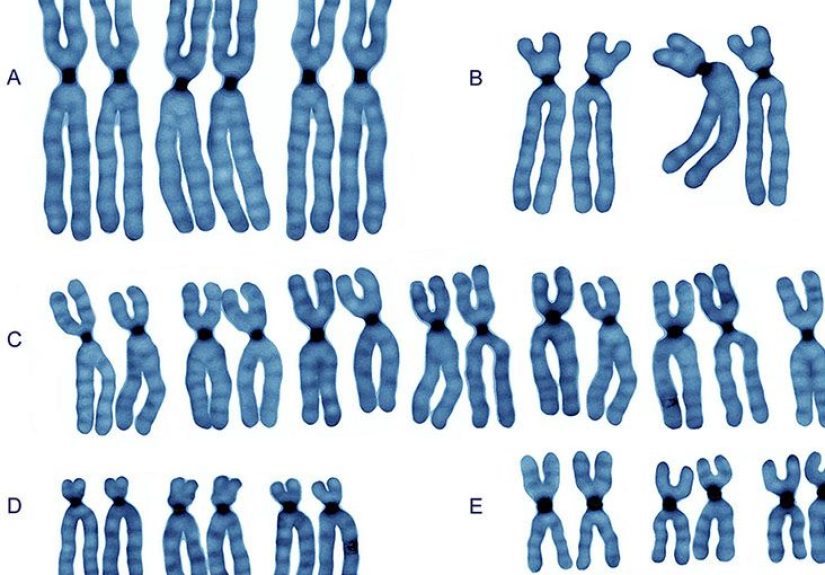
But here is where the science gets oddly elegant: to understand AML, doctors do not only look at the leukemia cells under a microscope. They also examine the chromosomes inside those cells. That chromosome picture is called a karyotype. In AML, the karyotype can reveal missing chromosomes, extra chromosomes, swapped chromosome pieces, or complicated patterns that help predict prognosis and guide treatment. Think of it as reading the leukemia cell’s “bad instruction manual.” Nobody wants the manual, of course, but once it is there, doctors want to read every page.
This article explains what AML karyotypes mean, how cytogenetic results affect prognosis, which chromosome patterns are considered favorable, intermediate, or adverse, and what patients and families can do with this information in real life.
What Is a Karyotype in Acute Myeloid Leukemia?
A karyotype is a laboratory test that arranges chromosomes from a cell so specialists can see their number and structure. Human cells usually have 46 chromosomes arranged in 23 pairs. AML cells, however, may show chromosome changes that help define the leukemia subtype.
Doctors usually study AML karyotypes from a bone marrow sample, although blood may be used if enough leukemia cells are present. The process is part of a broader diagnostic workup that may include a complete blood count, bone marrow aspiration and biopsy, flow cytometry, cytochemistry, fluorescence in situ hybridization, polymerase chain reaction, and next-generation sequencing. In plain English: AML diagnosis is not a one-test-and-done situation. It is more like a medical detective team, and every test is looking for a different clue.
Karyotype vs. Genetic Mutation Testing
Karyotyping looks for large chromosome changes. Molecular testing looks for smaller gene-level mutations, such as NPM1, FLT3, CEBPA, IDH1, IDH2, TP53, and myelodysplasia-related gene mutations. Both matter. A person may have a normal karyotype but still have important mutations that change risk and treatment choices.
For example, “normal karyotype AML” does not mean the leukemia is harmless or genetically normal. It only means standard chromosome analysis did not detect large visible chromosome abnormalities. Molecular testing may still find mutations that place the AML into a favorable, intermediate, or adverse risk group.
Why AML Karyotypes Matter for Prognosis
AML prognosis depends on several factors, including age, overall health, white blood cell count at diagnosis, whether AML developed after another blood disorder or prior chemotherapy, whether infection is present, and how well leukemia responds to treatment. Still, cytogenetic and molecular findings are among the most important tools doctors use to estimate risk.
A karyotype can help answer questions such as:
- Is this AML likely to respond well to standard intensive chemotherapy?
- Is the risk of relapse higher than average?
- Should an allogeneic stem cell transplant be considered in first remission?
- Is there a targetable mutation or special subtype that changes treatment?
- Can a specific marker be followed later to measure residual disease?
Importantly, prognosis is not destiny. A risk category is a map, not a magic crystal ball. Some people with adverse-risk AML respond well, and some people with favorable-risk AML relapse. Karyotype results help doctors plan, but the person is always more than the lab report.
Favorable-Risk AML Karyotypes
Favorable-risk AML includes chromosome patterns and genetic findings linked with better responses to therapy and lower relapse risk compared with other groups. These cases often respond well to intensive chemotherapy, though some patients may still need additional therapy depending on measurable residual disease, age, mutations, and clinical condition.
t(8;21) / RUNX1::RUNX1T1
The translocation t(8;21) means pieces of chromosomes 8 and 21 have swapped places. This creates the RUNX1::RUNX1T1 fusion. AML with t(8;21) is part of a group called core-binding factor AML. It is usually considered favorable risk, especially when treated appropriately.
However, “favorable” does not mean “easy.” Patients still need careful induction, consolidation, monitoring, and sometimes additional treatment if measurable residual disease remains detectable.
inv(16) or t(16;16) / CBFB::MYH11
Another favorable core-binding factor AML subtype involves inv(16) or t(16;16), creating the CBFB::MYH11 fusion. This subtype may be associated with abnormal eosinophils in the marrow and often responds well to cytarabine-based treatment.
Because these AML types have identifiable fusion markers, doctors can sometimes use sensitive molecular tests to monitor response after treatment. That is useful because AML loves to whisper before it shouts, and measurable residual disease testing helps catch the whisper.
Acute Promyelocytic Leukemia and t(15;17)
Acute promyelocytic leukemia, or APL, is a special AML subtype usually caused by t(15;17), which creates the PML::RARA fusion. APL is a medical emergency because it can cause dangerous bleeding and clotting problems. The good news is that modern treatment with all-trans retinoic acid and arsenic trioxide has transformed APL into one of the most curable AML subtypes when recognized and treated quickly.
Intermediate-Risk AML Karyotypes
Intermediate-risk AML sits in the “it depends” zone. The karyotype may not show clearly favorable or adverse changes, or molecular results may modify the risk.
Normal Karyotype AML
Many adults with AML have a normal karyotype. This means no large chromosome abnormality is visible under standard cytogenetic analysis. For years, normal karyotype AML was treated as one broad category, but molecular testing has changed that. A person with normal karyotype AML and an NPM1 mutation without FLT3-ITD may have a better outlook. A person with FLT3-ITD, TP53, or myelodysplasia-related mutations may have a more concerning risk profile.
So, if the report says “normal karyotype,” the next smart question is: “What did the mutation testing show?”
t(9;11) / MLLT3::KMT2A
The translocation t(9;11), involving MLLT3::KMT2A, is often placed in the intermediate-risk category. Other KMT2A rearrangements can carry different risks, and many are considered adverse. This is a good example of why the exact chromosome breakpoints and fusion partner matter. AML genetics is not a “close enough” field; details can change the treatment conversation.
FLT3-ITD and Intermediate Risk
FLT3-ITD is a mutation, not a karyotype finding, but it is so important in AML risk that it deserves a seat at the table. Current risk systems generally classify AML with FLT3-ITD as intermediate unless adverse-risk genetic lesions are also present. FLT3 inhibitors may be used in treatment, giving doctors a targeted weapon against this mutation.
Adverse-Risk AML Karyotypes
Adverse-risk AML includes chromosome patterns linked with lower remission rates, higher relapse risk, or shorter survival with standard therapy. These cases often push doctors to consider clinical trials, targeted therapy when available, and allogeneic stem cell transplant if the patient is eligible and remission is achieved.
Complex Karyotype
A complex karyotype generally means AML cells have three or more unrelated chromosome abnormalities, excluding certain recurring AML-defining changes. Complex karyotypes are often associated with treatment resistance and may overlap with TP53 mutations.
Imagine the leukemia cell’s instruction manual fell into a shredder, then someone tried to tape it back together using spaghetti. That is not a scientific description, but emotionally, it is close.
Monosomal Karyotype
A monosomal karyotype involves the loss of whole chromosomes, often two or more autosomal monosomies, or one autosomal monosomy with another structural chromosome abnormality. This pattern is considered high risk and may signal a more difficult-to-treat AML biology.
Chromosome 5, 7, and 17 Abnormalities
Loss of chromosome 5 or deletion of 5q, loss of chromosome 7, loss of chromosome 17, or abnormalities involving 17p are typically adverse findings. These changes may occur in therapy-related AML or AML arising after myelodysplastic syndromes. They may also be associated with mutations that make leukemia more resistant to standard chemotherapy.
inv(3), t(3;3), t(6;9), t(9;22), and Other High-Risk Changes
Other adverse-risk chromosome findings include inv(3) or t(3;3) involving GATA2/MECOM, t(6;9) involving DEK::NUP214, t(9;22) involving BCR::ABL1, certain KMT2A rearrangements, and t(8;16) involving KAT6A::CREBBP. These are not casual footnotes. They can meaningfully affect prognosis and treatment planning.
How Karyotype Results Guide AML Treatment
AML treatment is personalized based on the leukemia biology and the patient’s fitness for therapy. Younger or medically fit adults may receive intensive induction chemotherapy, often followed by consolidation chemotherapy and sometimes allogeneic stem cell transplant. Older adults or people with major health conditions may receive less-intensive regimens, such as a hypomethylating agent combined with venetoclax.
Karyotype and mutation results may also point toward targeted treatments. FLT3-mutated AML may be treated with a FLT3 inhibitor. IDH1- or IDH2-mutated AML may be treated with IDH inhibitors in certain settings. APL is treated very differently from most AML. CD33-positive AML may be eligible for gemtuzumab ozogamicin in selected cases.
Stem Cell Transplant Decisions
Allogeneic stem cell transplant can lower relapse risk for some people with intermediate- or adverse-risk AML, but it also carries serious risks. Karyotype results help doctors decide whether the potential benefit is worth the danger. A favorable-risk patient who clears disease deeply may avoid transplant in first remission. An adverse-risk patient who reaches remission may be advised to consider transplant quickly, because the window of opportunity can be narrow.
Measurable Residual Disease
Measurable residual disease, or MRD, refers to leukemia cells that remain after treatment but are too few to see with standard microscopy. MRD can be assessed with flow cytometry, PCR, or next-generation sequencing, depending on the AML markers. A patient with favorable karyotype but persistent MRD may have a higher relapse risk than expected, while a patient with deeper remission may have a better outlook.
Examples of How AML Karyotypes Affect Prognosis
Example 1: Favorable Core-Binding Factor AML
A 42-year-old patient is diagnosed with AML showing t(8;21). The care team explains that this is usually a favorable-risk karyotype. The patient receives induction chemotherapy, responds well, and then receives consolidation therapy. MRD testing becomes an important part of follow-up. The karyotype gives the team a hopeful starting point, but monitoring still matters.
Example 2: Normal Karyotype With Mutation Testing
A 58-year-old patient has AML with a normal karyotype. At first, the phrase sounds reassuring, but molecular testing shows FLT3-ITD. The risk discussion changes. The doctor may recommend adding a FLT3 inhibitor and may discuss transplant depending on response, donor availability, and MRD results.
Example 3: Complex Karyotype With TP53 Mutation
A 71-year-old patient has AML with a complex karyotype and a TP53 mutation. This is generally considered adverse risk. The doctor may discuss lower-intensity therapy, clinical trials, supportive care, transfusions, infection prevention, and goals of care. The conversation is more serious, but it is still a conversation with options.
Questions Patients Can Ask About AML Karyotype Results
When the cytogenetic report arrives, it may look like it was written by a keyboard that sneezed: t(8;21), inv(16), del(5q), -7, +8, and so on. Patients do not need to decode it alone. Helpful questions include:
- What is my AML karyotype?
- Is my AML considered favorable, intermediate, or adverse risk?
- Do I have any gene mutations that change the risk category?
- Is there a targetable mutation?
- Does my karyotype suggest I should consider stem cell transplant?
- Can my leukemia be monitored with MRD testing?
- Are there clinical trials for my AML subtype?
Bring a notebook, record answers if the clinic allows it, and ask for a written summary. AML appointments can feel like drinking from a fire hose while someone explains chromosomes. Nobody gets bonus points for pretending it is easy.
Living With AML Karyotype Information
Learning the genetic risk of AML can be emotionally heavy. Some people feel relief because the result is favorable. Others feel frightened by intermediate or adverse findings. Many feel both informed and overwhelmed. That is normal. A karyotype is powerful information, but it is not the whole story.
The practical goal is to use the information. It can help patients seek a leukemia specialist, understand why a treatment plan is aggressive or less intensive, ask about transplant, explore clinical trials, and prepare for follow-up testing.
Patients and caregivers may also benefit from asking whether results should be reviewed at a major cancer center or leukemia program. AML is complicated, and a second opinion can be useful, especially when the karyotype is rare, complex, or adverse.
Experience-Based Reflections: What AML Karyotype Conversations Feel Like
For many patients and families, the karyotype conversation is the moment AML becomes both more understandable and more intimidating. At diagnosis, everything can feel urgent: blood counts are abnormal, the bone marrow biopsy is scheduled, transfusions may be needed, and treatment decisions arrive faster than anyone’s calendar can politely accept. Then the cytogenetic report appears, full of symbols and numbers, and suddenly the discussion shifts from “You have AML” to “Here is what kind of AML this appears to be.”
A common experience is waiting. Standard chromosome analysis can take time because cells often need to grow in the laboratory before specialists can examine them. FISH or molecular tests may return sooner for urgent abnormalities, but the full picture may unfold in stages. This can be frustrating. Patients naturally want the plan today, preferably before lunch. But in AML, waiting a few days for key genetic results can sometimes prevent the wrong treatment from charging ahead like a caffeinated bull.
Caregivers often become translators. They write down terms, search medical words, compare risk categories, and try to remember which mutation was favorable and which one sounded like a villain in a science-fiction movie. One useful habit is to create a simple one-page AML profile: diagnosis date, karyotype, mutations, risk group, treatment regimen, remission status, MRD results, transplant plan, and emergency contact numbers. This turns a mountain of information into something more manageable.
Another real-world challenge is emotional interpretation. A favorable karyotype may bring hope, but it does not erase fear. An adverse karyotype may bring fear, but it does not erase hope. Patients sometimes hear “high risk” and think it means “no chance.” That is not what it means. It means the leukemia has features that require careful planning, possibly stronger treatment, closer monitoring, or clinical trial consideration. Doctors use risk information to fight smarter, not to label a person as a statistic.
Daily life during AML treatment also changes the meaning of prognosis. The lab report matters, but so do infection precautions, transfusion support, nutrition, sleep, transportation, insurance, caregiver stamina, and mental health. A person can understand every chromosome abnormality and still need help getting through Tuesday. That is why good AML care includes not only hematologists but also nurses, pharmacists, social workers, dietitians, transplant coordinators, and supportive care teams.
One of the most helpful experiences patients describe is learning to ask the same question more than once. AML information lands differently on different days. At the first appointment, the brain may only hear “leukemia.” Later, it may be ready to hear “karyotype,” “mutation,” “MRD,” or “transplant.” Asking again is not annoying; it is responsible. Medicine is complicated, and AML is not exactly a beginner-level crossword puzzle.
Finally, karyotype information can give patients a sense of direction. It may explain why one person receives standard chemotherapy, another receives targeted therapy, another is quickly referred for transplant, and another is encouraged to consider a clinical trial. The goal is not to memorize every cytogenetic abnormality. The goal is to understand enough to participate in decisions, recognize why testing matters, and feel less lost in the storm.
Conclusion
Acute myeloid leukemia karyotypes are central to understanding prognosis and treatment planning. By identifying chromosome changes such as t(8;21), inv(16), t(15;17), complex karyotype, monosomal karyotype, del(5q), monosomy 7, and other abnormalities, doctors can classify AML into risk groups and choose a more personalized treatment strategy.
Still, karyotype is only one part of the AML story. Molecular mutations, age, overall health, white blood cell count, prior blood disorders, therapy-related AML, response to treatment, and measurable residual disease all shape prognosis. The best approach is to combine precise testing with expert interpretation and a treatment plan that fits both the disease and the person living with it.
If AML karyotype results feel confusing, that is because they are genuinely complex. Ask questions, request plain-language explanations, and consider evaluation by a leukemia specialist. Chromosome reports may look like alphabet soup, but in the right hands, they become a roadmap.