Table of Contents >> Show >> Hide
- Why Norway Feels Like a Once-in-a-Career Brief
- The Landscape Is the Real Client
- Sustainability in Norway Is Not Decorative
- Tradition Gives Modern Work a Backbone
- What Clients in Norway Often Understand Better Than Most
- The Hard Parts Are What Make It Worth It
- Lessons an Architect Can Borrow From Norway
- Why This Kind of Commission Changes an Architect
- Experiences From a Dream Commission in Norway
- Conclusion
Some projects pay the bills. Some projects win awards. And then there are the rare commissions that make an architect sit up straighter, stare into the middle distance, and whisper, “Well, this is going to haunt me forever, isn’t it?” A commission in Norway belongs in that last category. Not because Norway is simply pretty, though it most certainly is. It is because the country asks architecture to do several difficult things at once: respect dramatic landscapes, perform in harsh weather, respond to huge shifts in daylight, honor deep building traditions, and still look fresh enough to make design magazines start hyperventilating.
For architects, Norway is not a blank canvas. It is more like a very opinionated collaborator. The fjords, mountains, forests, rocky coastlines, snow, wind, and low winter sun do not care about your mood board. They demand humility. They reward intelligence. They punish laziness. That is exactly why a dream commission in Norway feels so exciting. You are not designing a building that merely occupies land. You are designing a structure that has to negotiate with weather, geology, craft, culture, and the emotional expectations people bring to Nordic design.
In other words, you cannot just plop a shiny object on a cliff and call it “minimalism.” Norway will see right through you.
Why Norway Feels Like a Once-in-a-Career Brief
A great architectural commission usually starts with constraints that are sharp enough to be interesting. Norway has those in abundance. The topography is intense. A site may slope hard toward a fjord, sit high in the mountains, or perch along a coastline where the wind behaves like it is auditioning for an action movie. Access can be tricky. Construction seasons can be short. Materials need to age gracefully. Buildings must handle cold, moisture, snow loads, and huge seasonal changes in light.
That sounds demanding because it is. But it also gives architects something precious: clarity. In Norway, the right design moves reveal themselves faster because the wrong ones are so obviously wrong. Rooflines matter. Openings matter. Orientation matters. The difference between a poetic building and an impractical headache often comes down to whether the architect truly listened to the place.
That is why Norway produces architecture that often feels calm, assured, and almost inevitable. The best projects do not scream. They settle into the landscape with such confidence that they seem as though they were always meant to be there.
The Landscape Is the Real Client
Building With the Site, Not Against It
If you study modern Norwegian houses, cabins, lodges, and civic buildings, one lesson appears again and again: smart architects do not flatten the terrain into submission. They use it. They step buildings down rocky slopes. They lift portions lightly above the ground. They hide a structure from one approach and open it dramatically toward a view on the other side. The result is architecture that feels discovered rather than imposed.
That strategy is part technical wisdom and part philosophical posture. On a steep fjord site, an architect may decide the building should appear modest from the road but unfold toward water and sky. In the mountains, the roof may be shaped to reduce snow trouble while also echoing the slope around it. A cabin might hug naturally occurring ledges rather than erase them. These are not just formal tricks. They are the difference between a building that belongs and one that behaves like a tourist with too much confidence.
Views Matter, but Restraint Matters More
Yes, Norway gives architects heroic scenery. Yes, every client secretly wants a frame-worthy view. But the most successful Norwegian projects do not treat glass as a magic spell. They do not turn every wall into an aquarium and hope for the best. They are selective. They use glazing to direct attention, capture daylight, and create contrast between sheltered interiors and vast exteriors.
That restraint is one reason Norwegian architecture often feels so emotionally rich. A compressed entry can make a living room opening toward a fjord feel almost cinematic. A protected courtyard can intensify the drama of a mountain backdrop. A carefully placed window can transform weather into part of the interior experience. Rain becomes texture. Snow becomes light. Fog becomes theater. Even the silence gets architectural billing.
Sustainability in Norway Is Not Decorative
One reason a dream commission in Norway is so compelling is that sustainability there tends to be treated as core design logic, not a marketing garnish sprinkled on top at the end. In many countries, a sustainable building is still too often described like a bonus feature. In Norway, it is more likely to shape the building’s form, material strategy, and performance from day one.
Timber Is More Than a Trend
Norway has become one of the places that helped push contemporary timber architecture into the global spotlight. That matters because timber in Norway does not read as novelty. It reads as continuity. The country’s building history, including its famous stave churches, already established wood as a serious, durable, expressive material long before “mass timber” became a conference buzzword and a LinkedIn personality trait.
For today’s architects, that legacy creates a rare opportunity. You can work with wood in a way that feels both culturally rooted and technically forward-looking. Timber can be structural, tactile, warm, and low-drama in the best sense. It ages. It carries memory. It softens the edge of contemporary form. When paired with stone, metal, or glass, it can create buildings that feel modern without feeling anonymous.
And Norway has shown that wood does not need to stay small and sentimental. High-profile timber buildings have helped make the case that ambitious scale and timber construction can belong in the same sentence. For an architect, that opens the imagination. You are not just choosing a material. You are joining a longer conversation about how buildings should feel, perform, and endure.
Energy Performance Can Shape Beauty
Norway’s best-known sustainable buildings also demonstrate something every architect should remember: performance can make form better. A roof tilted for solar gain can become the project’s visual identity. Thoughtful daylight design can reduce energy demand while also making interiors more humane. Ventilation, orientation, and compact planning can create spaces that are both efficient and deeply pleasant to inhabit.
That is why Norway’s high-performance projects are so instructive. They do not present sustainability as hair-shirt austerity. They show that energy-positive ambitions, careful use of daylight, and climate-responsive planning can produce architecture with real charisma. Good environmental design does not flatten expression. It gives expression a reason to exist.
Tradition Gives Modern Work a Backbone
Another reason a commission in Norway feels like a dream is that the country gives architects a rich vocabulary without forcing them into nostalgia. Norwegian design culture respects history, but it does not require imitation. You can borrow from vernacular forms, material habits, and building logic without making a project look like a museum gift shop.
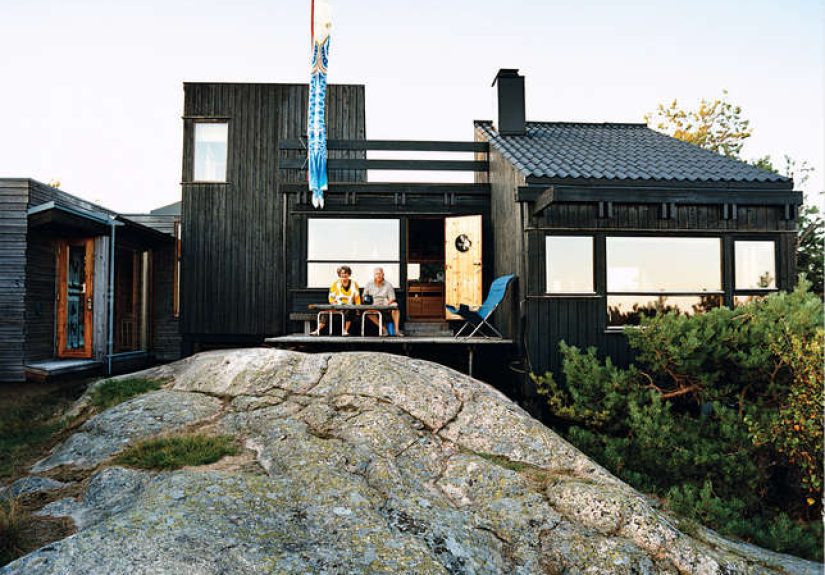
That is especially visible in the influence of stave churches, longhouses, boathouses, turf roofs, dark timber exteriors, and compact mountain cabins. These references often appear not as literal replicas but as abstract lessons. Vertical rhythm. Steep protective roofs. Honest joinery. Deep thresholds. Dark cladding that helps a building settle into the landscape. Interiors that feel warm, bright, and sheltering after the drama of the outdoors.
This is one of Norway’s great gifts to architects: permission to make something contemporary that still feels culturally legible. A building can be crisp, minimal, and undeniably new while still acknowledging the memory of wooden craft, weathered surfaces, and architecture built for endurance rather than instant applause.
What Clients in Norway Often Understand Better Than Most
A dream commission is not just about the site. It is also about the client. And one of the most appealing ideas attached to Norway, at least from an architectural point of view, is the possibility of working with clients who understand the value of restraint, durability, and quality.
That does not mean every Norwegian client is automatically an enlightened design saint who arrives carrying a sketchbook and a perfect brief. Humanity remains humanity. Budgets still exist. Opinions still multiply. Someone will still ask whether the sauna can be “a little bigger.” But there is a broader cultural respect for well-made spaces, outdoor life, modest elegance, and long-term thinking that can make the conversation more productive.
In that context, luxury is less about shiny excess and more about atmosphere. It is a bench placed exactly where the evening light lands. It is a material that improves with age. It is a window that captures a ridge line without overheating the room. It is a mudroom that actually works after a wet hike. It is architecture that makes daily rituals feel better rather than merely more expensive.
The Hard Parts Are What Make It Worth It
Of course, a dream commission in Norway is not dreamy because it is easy. It is dreamy because it is difficult in all the right ways.
Remote sites complicate logistics. Weather can interrupt schedules and alter detailing decisions. Freeze-thaw cycles, wind exposure, and moisture control are not tiny footnotes; they are central design drivers. Foundations must deal respectfully with rock and slope. Exterior materials must tolerate punishment. The building envelope must be serious. This is not the place for fake-it-till-you-make-it architecture. Norway has a way of converting bad detailing into expensive life lessons.
But these pressures improve the work. They push architects to think harder about transitions, durability, fabrication, and maintenance. A handrail is not just a handrail. A roof edge is not just a line on an elevation. A recessed entry is not just a composition move. In a demanding climate, every detail has consequences. That rigor often produces buildings that feel tighter, wiser, and more complete.
Lessons an Architect Can Borrow From Norway
1. Let the Roof Do Real Work
In Norway, the roof is often part shelter, part climate device, part silhouette, and part identity. A strong roof can respond to snow, direct water, optimize solar performance, and give a building emotional presence from far away.
2. Use Wood Honestly
Timber works best when it is given a meaningful role, not when it is reduced to decorative camouflage. Let it structure space, warm the interior, frame views, or define texture. People can tell when wood has a purpose and when it is simply dressed up for the photos.
3. Design the Threshold Experience
Moving from rough weather into shelter is one of the deepest pleasures in Nordic architecture. Entries, porches, vestibules, mudrooms, saunas, and transition spaces deserve as much thought as the “main” room. Sometimes the feeling of arrival is the project.
4. Let the Landscape Keep Its Dignity
Not every dramatic site needs a dramatic building. Often the smartest move is to quiet the architecture down so the land can stay loud.
Why This Kind of Commission Changes an Architect
The best commissions do more than produce good photographs. They change how architects think. Norway has a particular talent for that because it keeps bringing the discipline back to first principles. What should a building protect? What should it reveal? How should it age? What does it owe to its landscape? What does comfort really mean? How much is enough?
Work in a place like Norway long enough, and your definition of success starts to shift. You become less interested in flashy gestures with a short shelf life. You care more about atmosphere, precision, durability, and the slow intelligence of buildings that improve a place rather than dominate it. That is why a commission in Norway can feel like a career milestone. It is not just prestigious. It is clarifying.
Experiences From a Dream Commission in Norway
What would it actually feel like to work on a commission like this? Imagine landing in Norway for the first site visit and realizing, within about six minutes, that your camera cannot keep up with what your eyes are doing. The road bends. The water appears. The mountains rise like they were sketched by a dramatic child with a dark pencil and a lot of confidence. Then you arrive at the site, and the first useful thought is not, “What an amazing place to build.” It is, “How do we build here without ruining what makes it amazing?”
That question changes everything. You stop looking only at footprint and square footage. You start noticing wind direction, walking paths, rock formations, the quality of the morning light, and how the terrain falls away toward the water. You watch where people naturally pause. You listen to locals talk about snow, storms, and the months when daylight behaves like an unreliable narrator. The project becomes less about authoring an object and more about learning the site’s habits.
Then come the conversations that make architecture worth the trouble. A client says they want a place where three generations can gather without stepping on each other’s sanity. A craftsperson talks about timber that will silver beautifully over time. A consultant explains why one wall can open to a view but another should stay protected. Someone mentions the sauna, and suddenly the discussion becomes not just about heat and wellness but about ritual, sequence, and the pleasure of emerging into cold air after warmth. That is not fluff. That is programming with soul.
On a dream commission in Norway, even small decisions feel unusually vivid. The exact depth of a window reveal matters because low winter light can turn it into a thing of beauty. The transition from stone outside to wood inside matters because it shapes the emotional temperature of arrival. The placement of a bench matters because people will sit there after skiing, after swimming, after rain, after dinner, after a long silence. Architecture in this setting is not abstract. It is lived with the whole body.
There is also a particular thrill in seeing the project move from drawing to reality. The steel is not the whole story. The glass is not the whole story. The real magic often appears when the timber goes in and the building finally starts to feel warm, inhabited, and rooted. Suddenly the structure is not just standing on a site; it is participating in it. The scent of wood, the softness of light on interior surfaces, the way a dark exterior recedes into weather while the inside glows at dusk, all of it begins to confirm that the concept was not just clever. It was right.
And maybe that is the deepest appeal of a commission in Norway. It offers architects the chance to make something memorable without becoming theatrical, sustainable without becoming preachy, and luxurious without becoming vulgar. It asks for seriousness, but it also gives back joy: the joy of solving hard problems, of working with elemental materials, of designing for weather and ritual and landscape all at once. For an architect, that is not just a good project. That is the kind of project that stays in your bones.
Conclusion
An architect’s dream commission in Norway is not a fantasy because it is effortless. It is a dream because it demands the full range of what good architecture should be: practical, poetic, durable, site-specific, culturally aware, and environmentally intelligent. Norway offers a rare setting where landscape, tradition, and modern ambition can all meet in one brief. For architects lucky enough to get that call, the real opportunity is not just to design a beautiful building. It is to create one that feels impossible anywhere else.