Table of Contents >> Show >> Hide
- What Is Matzo Ball Soup?
- Why This Is the Best Matzo Ball Soup Recipe
- Ingredients You Need
- How To Make Matzo Ball Soup
- Floaters vs. Sinkers: Which Matzo Ball Style Is Better?
- Tips for Perfect Matzo Ball Soup
- Common Mistakes To Avoid
- Make-Ahead, Storage, and Reheating
- Serving Ideas
- Recipe Variations
- Personal Kitchen Experiences With Matzo Ball Soup
- Conclusion
Matzo ball soup is the kind of dish that walks into the room wearing slippers, carrying a blanket, and somehow knowing exactly what you need before you say a word. It is warm, golden, soothing, and deeply nostalgicwhether you grew up with it at Passover, discovered it at a deli, or met it during a cold when someone lovingly declared, “You need Jewish penicillin.”
This best matzo ball soup recipe is built around two big promises: a deeply flavored chicken broth and matzo balls that are tender, fluffy, and flavorful without falling apart like they had a dramatic day. The secret is not one single trick. It is a chain of small, smart choices: good chicken stock, fresh vegetables, schmaltz or a quality neutral oil, seltzer for lift, a proper resting time, wet hands for shaping, and a gentle simmer.
Below, you will learn exactly how to make matzo ball soup from scratch, how to control the texture of the matzo balls, how to avoid common mistakes, and how to serve a bowl that tastes like comfort with excellent manners.
What Is Matzo Ball Soup?
Matzo ball soup is a classic Jewish chicken soup served with dumplings made from matzo meal, eggs, fat, and liquid. Matzo meal is ground matzo, the unleavened bread traditionally associated with Passover. The dumplings are often called matzo balls, matzah balls, kneidlach, or kneydlach, depending on family tradition and spelling preference.
The soup usually begins with chicken broth or stock, carrots, celery, onion, herbs, and sometimes parsnips, leeks, turnips, garlic, or dill. The matzo balls are cooked until they puff, soften, and become tender enough to cut with a spoon. Some families love “floaters,” which are light and airy. Others defend “sinkers,” the denser, chewier style, with the passion of a sports fan in overtime. Both are valid. This recipe leans fluffy but still satisfying.
Why This Is the Best Matzo Ball Soup Recipe
The best matzo ball soup is not watery broth with a beige golf ball floating in it. It should have personality. The broth should taste like chicken, vegetables, herbs, time, and maybe a little family wisdom. The matzo balls should absorb flavor while staying tender. Every spoonful should feel balanced: rich but not greasy, cozy but not heavy, classic but not boring.
This recipe uses seltzer to create a lighter texture, schmaltz for traditional savory depth, and a chilling period so the matzo meal fully hydrates before shaping. It also gives you options. No schmaltz? Use vegetable oil. Want denser matzo balls? Skip the baking powder and use broth instead of seltzer. Making it for Passover? Use kosher-for-Passover ingredients and check labels carefully.
Ingredients You Need
For the Chicken Soup
- 1 whole chicken, about 3 1/2 to 4 pounds
- 10 cups cold water or low-sodium chicken stock
- 3 large carrots, peeled and sliced
- 3 celery stalks, sliced
- 1 large yellow onion, peeled and quartered
- 1 leek, cleaned and sliced, optional
- 1 parsnip, peeled and sliced, optional
- 3 garlic cloves, lightly smashed
- 1 bay leaf
- 1 small bunch fresh dill
- 1 small bunch fresh parsley
- 2 teaspoons kosher salt, plus more to taste
- 1/2 teaspoon black pepper
For the Matzo Balls
- 1 cup matzo meal
- 4 large eggs
- 1/4 cup schmaltz, melted and cooled slightly, or vegetable oil
- 1/4 cup cold seltzer or club soda
- 1 teaspoon kosher salt
- 1/4 teaspoon black pepper
- 1 tablespoon chopped fresh dill, optional
- 1/2 teaspoon baking powder, optional for extra fluffiness
How To Make Matzo Ball Soup
Step 1: Build a Flavorful Broth
Place the chicken in a large soup pot. Add the water or low-sodium chicken stock, onion, garlic, bay leaf, half of the carrots, half of the celery, the leek, parsnip, dill, parsley, salt, and pepper. Bring the pot to a gentle boil over medium-high heat, then immediately reduce the heat to a low simmer.
Skim off any foam that rises to the surface. This step is not glamorous, but neither is cloudy soup. Skimming helps create a cleaner, clearer broth. Simmer gently for 1 1/2 to 2 hours, until the chicken is cooked through and the broth tastes rich. Avoid a violent boil, which can make the broth murky and the chicken tough.
Step 2: Strain and Season the Soup
Carefully remove the chicken from the pot and set it aside until cool enough to handle. Strain the broth through a fine-mesh sieve into another pot or large bowl. Discard the spent herbs and vegetables. They have done their job; give them a respectful farewell.
Pull the chicken meat from the bones and shred or chop it into bite-size pieces. Return the strained broth to the pot. Add the remaining carrots and celery, then simmer until the vegetables are tender, about 15 to 20 minutes. Taste and adjust with salt and pepper. Add shredded chicken back to the soup if desired, or save some for another meal.
Step 3: Make the Matzo Ball Mixture
In a medium bowl, whisk the eggs until well blended. Add the melted schmaltz or oil and cold seltzer. Stir in the matzo meal, salt, pepper, dill, and baking powder if using. Mix gently until everything is combined. Do not beat it like cake batter. Matzo balls enjoy confidence, not aggression.
Cover the bowl and refrigerate for at least 30 minutes, or up to 2 hours. This chilling time is essential because matzo meal needs time to absorb the liquid and firm up. If you shape the mixture too early, it will be sticky, loose, and emotionally complicated.
Step 4: Shape the Matzo Balls
Bring a large pot of salted water or chicken broth to a gentle simmer. Wet your hands with cold water, scoop about 2 tablespoons of the chilled matzo mixture, and roll it lightly into a ball. Repeat with the remaining mixture, wetting your hands as needed to prevent sticking.
For smaller matzo balls, use about 1 1/2 tablespoons of mixture each. For deli-style giants, use closer to 3 tablespoons. Just remember that matzo balls expand as they cook. What looks tiny going in may come out looking like it has been attending the gym.
Step 5: Simmer Until Fluffy and Tender
Gently lower the matzo balls into the simmering water or broth. Cover the pot and cook for 30 to 40 minutes. Keep the heat low and steady. Do not lift the lid every five minutes to check on them. Matzo balls need privacy.
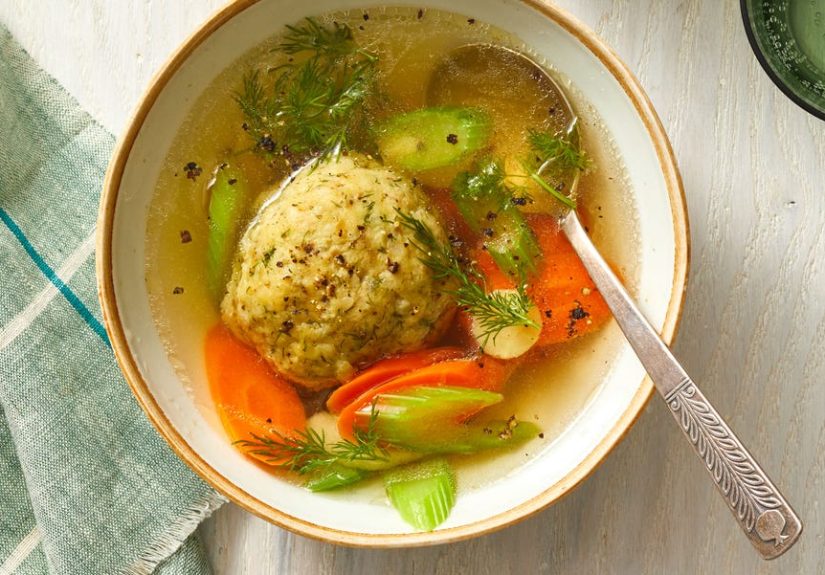
When done, the matzo balls should be puffed, tender, and cooked through to the center. Use a slotted spoon to transfer them to serving bowls. Ladle hot chicken soup over the top and finish with fresh dill or parsley.
Floaters vs. Sinkers: Which Matzo Ball Style Is Better?
The great matzo ball debate comes down to texture. “Floaters” are light, airy, and delicate. “Sinkers” are dense, chewy, and hearty. Neither side is wrong, although both sides may behave as if the other has personally insulted dinner.
For fluffy matzo balls, use seltzer, baking powder, and a lighter hand when mixing. Chill the mixture long enough and simmer gently with the lid on. For denser matzo balls, skip the baking powder, replace seltzer with broth or water, and shape the balls a bit more firmly. This recipe gives you a soft, fluffy middle ground: tender enough to float, flavorful enough to satisfy.
Tips for Perfect Matzo Ball Soup
Use Schmaltz for Classic Flavor
Schmaltz is rendered chicken fat, and it gives matzo balls a savory richness that vegetable oil cannot fully copy. If you make homemade chicken stock, chill it and skim the fat from the top. That golden fat is kitchen treasure. If you do not have schmaltz, a neutral oil still works well.
Let the Batter Rest
Resting is not optional. Matzo meal needs time to absorb moisture. A chilled mixture is easier to shape and produces better texture. Thirty minutes is the minimum; one to two hours is even better.
Do Not Overmix
Overmixing can make matzo balls tough. Stir until the ingredients are just combined. Once the matzo meal disappears into the egg mixture, stop. Put down the spoon. Step away from the bowl.
Cook Matzo Balls Separately for Clear Broth
If you want a pristine-looking soup, cook the matzo balls in salted water or separate broth, then transfer them to the serving bowls. Cooking them directly in the soup adds flavor, but it can make the broth cloudy. Both approaches work; choose based on whether you value clarity or maximum matzo-ball flavor absorption.
Season in Layers
Chicken soup can taste flat if you only season at the end. Add salt while simmering the broth, then adjust again after straining. Fresh herbs at the end brighten everything. Dill is especially good because it cuts through the richness and makes the whole bowl taste fresher.
Common Mistakes To Avoid
The first mistake is boiling the broth too hard. A gentle simmer gives you tender chicken and a cleaner flavor. The second mistake is shaping matzo balls before the mixture has chilled. The third mistake is packing them too tightly. Light hands make light matzo balls.
Another common problem is underseasoning. Matzo meal is mild, and chicken broth needs enough salt to wake up. Taste your soup before serving. If it tastes almost great but not quite alive, it probably needs a little more salt or a sprinkle of fresh herbs.
Make-Ahead, Storage, and Reheating
Matzo ball soup is wonderfully make-ahead friendly. You can prepare the broth up to 3 days in advance and refrigerate it. In fact, homemade broth often tastes better the next day because the flavors settle in like they own the place.
Store matzo balls separately from the soup if possible. This keeps them from absorbing too much broth and becoming overly soft. Refrigerate leftovers in airtight containers for 3 to 4 days. Reheat gently on the stovetop until steaming hot. If using homemade chicken, cook poultry to a safe internal temperature of 165°F and cool leftovers promptly before refrigerating.
Serving Ideas
Matzo ball soup is beautiful on its own, but it also plays well with a full meal. Serve it as a starter for Passover dinner, Rosh Hashanah, Shabbat, or any chilly night when regular soup feels too casual. It pairs well with roasted chicken, brisket, kugel, roasted vegetables, or a crisp green salad.
For a brighter bowl, add lemon zest, fresh parsley, or extra dill just before serving. For a heartier bowl, include shredded chicken and more vegetables. For a modern twist, add a little ginger, turmeric, or garlic to the broth, but keep the balance gentle so the matzo balls remain the star.
Recipe Variations
Vegetarian Matzo Ball Soup
Use a rich vegetable broth made with onion, carrot, celery, mushrooms, garlic, parsley, dill, and parsnip. Replace schmaltz with avocado oil or vegetable oil. The flavor will be lighter but still comforting.
Herbed Matzo Balls
Add chopped dill, parsley, chives, or a small amount of thyme to the matzo ball mixture. Fresh herbs make the dumplings taste brighter and more aromatic.
Extra-Fluffy Matzo Balls
Use seltzer, baking powder, and avoid compacting the mixture when shaping. Some cooks also separate the eggs, whip the whites, and fold them into the batter for extra lift.
Classic Deli-Style Soup
Keep the broth clear, use large matzo balls, and serve with sliced carrots, a little chicken, and fresh dill. Simple, elegant, and extremely spoonable.
Personal Kitchen Experiences With Matzo Ball Soup
The first time you make matzo ball soup from scratch, you may wonder why such a simple-looking dish has so many opinions attached to it. Then you taste the broth after two hours of simmering, and suddenly everyone’s strong feelings make sense. This soup is not just dinner. It is memory management in liquid form.
One of the most helpful lessons is that matzo ball soup rewards patience more than perfection. The broth does not need fancy ingredients. It needs time, enough chicken, good vegetables, and gentle heat. Carrots bring sweetness, celery adds freshness, onion gives depth, and dill makes the kitchen smell like someone responsible is in charge. When the broth is strained and seasoned properly, it becomes the kind of base that makes even a simple matzo ball taste special.
The matzo balls are where personality enters the room. Some cooks want them so fluffy they practically wave from the surface of the soup. Others want them dense enough to feel like a meal. The best approach is to make the version you enjoy, not the version that wins an imaginary family court case. If you like floaters, use seltzer and baking powder. If you like sinkers, skip the lift and embrace the chew. There is no soup police, though there may be relatives with comments.
Another experience worth sharing: wet hands are not a tiny detail. They are the difference between neat matzo balls and a sticky situation that makes you question your choices. Keep a small bowl of cold water near your work area and re-wet your hands after every few balls. Roll gently, not tightly. The mixture should be shaped, not compressed. Think of it as guiding the dumpling into existence.
Cooking the matzo balls separately can also save stress, especially when serving guests. A separate pot lets the balls expand freely without crowding the soup, and it keeps the broth clear. When ready to serve, place one or two matzo balls in each bowl and ladle the hot soup over them. It looks polished, tastes comforting, and prevents the main pot from turning cloudy before anyone sits down.
Matzo ball soup is also forgiving. If the broth tastes mild, simmer it a little longer or season more confidently. If the matzo balls are firmer than expected, serve them with extra broth and call them traditional. If they turn out fluffy and beautiful, accept compliments humbly while privately feeling like a soup champion.
The best bowls often happen the next day. The broth becomes richer, the chicken is easier to shred, and the flavors feel more settled. For busy holidays, making the soup ahead is not just practical; it is wise. Store the matzo balls separately, warm everything gently, and garnish with fresh dill right before serving.
In the end, learning how to make matzo ball soup is less about chasing one perfect recipe and more about understanding the rhythm of the dish. Simmer slowly. Mix gently. Rest the batter. Taste often. Serve hot. And always make a little extra, because someone will want a second bowl “just to be polite.”
Conclusion
The best matzo ball soup recipe starts with a rich, homemade-style chicken broth and ends with tender matzo balls that are light, flavorful, and comforting. By using seltzer for lift, schmaltz for depth, fresh herbs for brightness, and a careful simmer for the broth, you can make a bowl that tastes classic without feeling complicated.
Whether you serve it for Passover, a holiday dinner, a family gathering, or a regular Tuesday that needs emotional support, matzo ball soup delivers. It is cozy, practical, deeply satisfying, and just fancy enough to make a humble spoon feel important.