Table of Contents >> Show >> Hide
- What Is Blue Tansy Essential Oil?
- Why Is Blue Tansy Essential Oil So Popular?
- Potential Benefits of Blue Tansy Essential Oil
- How to Use Blue Tansy Essential Oil Safely
- Best Blue Tansy Essential Oil Blends
- Who Should Avoid Blue Tansy Essential Oil?
- How to Choose a Quality Blue Tansy Essential Oil
- Storage Tips
- Common Mistakes to Avoid
- Real-World Experiences With Blue Tansy Essential Oil
- Conclusion
Blue tansy essential oil sounds like something a fairy godmother would keep in her emergency skincare kit: dramatic color, soothing reputation, fancy botanical name, and just enough mystery to make you wonder whether it belongs in your bathroom cabinet or a tiny velvet-lined treasure chest. Known for its deep blue hue and sweet, herbaceous aroma, blue tansy essential oil has become a favorite in clean beauty products, aromatherapy blends, facial oils, massage formulas, and “my skin is being dramatic again” routines.
But here is the important part: blue tansy is not magic, and it is not a cure-all. It is a concentrated plant extract that should be used thoughtfully. When handled properly, it may help calm the look of irritated skin, support a relaxing aromatherapy experience, and add a luxurious touch to skincare and body care blends. When used carelessly, it can irritate skin, stain fabrics, overwhelm sensitive noses, or create safety concerns.
This guide explains what blue tansy essential oil is, its potential benefits, how to use it safely, what to avoid, and how real people often fit it into everyday self-care routines without turning their bathroom into a blue crime scene.
What Is Blue Tansy Essential Oil?
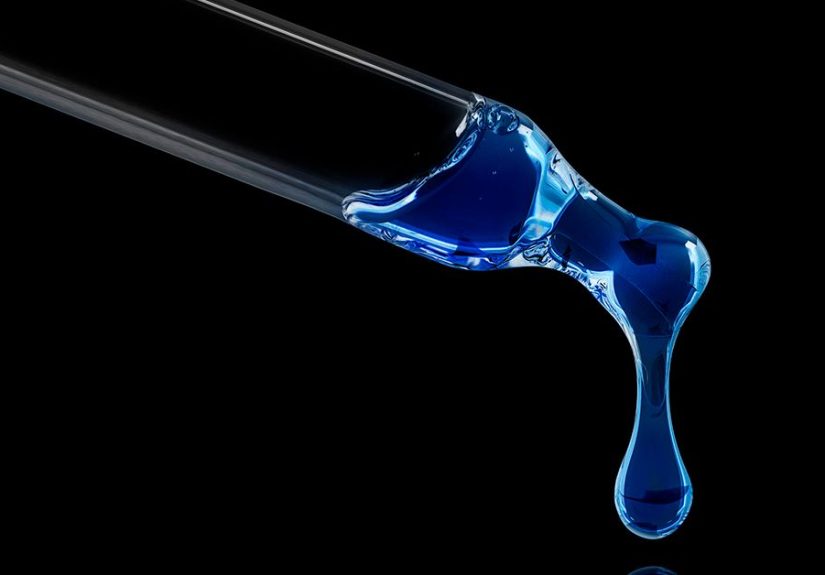
Blue tansy essential oil comes from Tanacetum annuum, a flowering plant native to parts of the Mediterranean region and commonly associated with Morocco. The oil is usually steam distilled from the plant’s flowers and aerial parts. During distillation, compounds in the plant transform and help create chamazulene, the component famous for giving blue tansy oil its striking blue color.
That bold blue shade is one reason the oil stands out. Most essential oils are clear, pale yellow, or amber. Blue tansy arrives looking like it has main-character energy. In skincare formulas, it is often used in tiny amounts because of both its potency and its color. Too much can tint a cream, serum, or towel. Your skin may love the blend; your white pillowcase may file a complaint.
Blue Tansy vs. Common Tansy: Do Not Confuse Them
Blue tansy essential oil is commonly linked with Tanacetum annuum. Common tansy, or Tanacetum vulgare, is a different plant and may contain higher levels of thujone, a compound associated with toxicity concerns. This distinction matters. When shopping, look for the botanical name on the label. If the product simply says “tansy oil” without clarifying Tanacetum annuum, treat that as a yellow flag with blue paint on it.
Why Is Blue Tansy Essential Oil So Popular?
Blue tansy essential oil has earned a loyal following because it fits neatly into several modern wellness interests: botanical skincare, calming rituals, aromatherapy, and luxurious facial oils. It also has a pleasant scent profile that many people describe as sweet, fruity, herbaceous, warm, and slightly floral. It is not as sugary as vanilla, not as sharp as peppermint, and not as spa-cliché as lavender. It has its own personality.
In the beauty world, blue tansy is often added to face oils, balms, masks, body oils, after-sun products, and formulas designed for stressed-looking skin. In aromatherapy, it is used for relaxation blends, bedtime routines, emotional grounding, and massage oils. However, many claims around essential oils are stronger than the actual human research. The smartest approach is to think of blue tansy as a supportive ingredient, not a medical treatment.
Potential Benefits of Blue Tansy Essential Oil
Blue tansy essential oil is valued for its chemical profile, particularly compounds such as chamazulene, sabinene, camphor, myrcene, beta-pinene, and related aromatic constituents. Different oils vary depending on growing region, harvest timing, distillation method, storage, and quality. That means one bottle may smell or perform slightly differently from another.
1. May Help Calm the Look of Redness
One of the biggest reasons people use blue tansy essential oil in skincare is its reputation for soothing the appearance of redness and irritation. Chamazulene is often discussed for its calming potential, which is why blue-colored botanical oils are popular in formulas for sensitive-looking or overworked skin.
This does not mean blue tansy can treat rosacea, eczema, psoriasis, allergic reactions, or medical inflammation. Those conditions deserve professional care. But in a properly diluted skincare product, blue tansy may help skin look more comfortable after exposure to dryness, weather changes, shaving, or product overuse.
2. Supports a Relaxing Aromatherapy Routine
Blue tansy has a soft, warm aroma that many people find emotionally grounding. It is often used in diffuser blends, inhaler sticks, bath-adjacent rituals, and massage oils for winding down. The scent can feel comforting without being too sleepy or powdery.
Aromatherapy works partly through the relationship between scent, memory, mood, and routine. If your brain learns that blue tansy means “laptop closed, shoulders down, no more doom-scrolling,” the aroma can become part of a relaxation cue. That is not sorcery; it is habit with better branding.
3. May Complement Skincare for Dry or Stressed-Looking Skin
Blue tansy essential oil is often blended into carrier oils such as jojoba, squalane, argan, rosehip, sunflower, or meadowfoam seed oil. These carrier oils do the heavy moisturizing work, while the essential oil adds aroma and potential skin-calming support.
If your skin feels tight, dull, or easily annoyed, a very low dilution of blue tansy in a nourishing carrier oil may be useful. The key phrase is “very low.” Essential oils are concentrated. More drops do not mean better results. In skincare, “just enough” is usually smarter than “let’s see what happens.”
4. Adds Value to Massage and Body Care Blends
Blue tansy can be included in body oils or massage blends for areas that feel tense after exercise, travel, or long hours at a desk. Its calming scent pairs well with slow massage, warm compresses, and evening body care routines. Again, the massage, carrier oil, and rest are doing a lot of the work. Blue tansy is the elegant supporting actor, not the entire cast.
5. May Offer Antioxidant and Antimicrobial Potential in Lab Settings
Some studies on blue tansy essential oil and related plant compounds suggest potential antioxidant, antifungal, repellent, or antimicrobial properties in laboratory settings. That is interesting, but lab findings do not automatically translate into proven benefits on human skin or health outcomes. A petri dish is not a person, no matter how confidently the internet sometimes behaves.
For everyday users, this means blue tansy may be a promising ingredient, but it should not be used as a replacement for medication, sunscreen, acne treatment, wound care, or medical advice.
How to Use Blue Tansy Essential Oil Safely
Blue tansy essential oil should be diluted before skin use. Never apply it straight from the bottle to your face, underarms, scalp, or any sensitive area. Undiluted essential oils can cause irritation, allergic reactions, or sensitization over time.
For Facial Oil
For adult facial use, a low dilution is best. Start with about 0.5% to 1% dilution. In simple terms, that is roughly 1 to 2 drops of blue tansy essential oil per tablespoon of carrier oil. Good carrier options include jojoba oil for balanced skin, squalane for a lightweight feel, argan oil for dry skin, and rosehip seed oil for mature-looking or uneven-looking skin.
Apply a small amount at night after cleansing. Avoid the eye area. Blue tansy is powerful and blue; your eyeballs did not request a spa day.
For Body Oil
For a body oil, adults may use a slightly higher dilution, often around 1% to 2%, depending on skin tolerance and the purpose of the blend. A simple recipe is 6 to 12 drops of blue tansy essential oil in 1 ounce of carrier oil. Massage onto shoulders, arms, legs, or dry areas after showering.
For a Diffuser
Add 1 to 3 drops of blue tansy essential oil to a diffuser with water, following the diffuser manufacturer’s instructions. Because blue tansy has a distinct aroma and color, start small. Diffuse in a well-ventilated room for short sessions, such as 15 to 30 minutes. Avoid continuous diffusion, especially around children, pets, pregnant people, or anyone with asthma or scent sensitivities.
For a Personal Inhaler
A personal aromatherapy inhaler is a tidy way to enjoy blue tansy without filling the whole room. Add a few drops to the cotton wick, often blended with lavender, frankincense, sweet orange, cedarwood, or Roman chamomile. Use it briefly when you want a calming scent moment during work, travel, or bedtime preparation.
For a Bath
Do not drop blue tansy essential oil directly into bathwater. Oil and water do not mix, and undiluted droplets can cling to skin. Instead, dilute the oil first in a proper dispersing agent or blend it into an unscented bath product designed to hold essential oils safely. Even then, use very small amounts and avoid bathing with essential oils if your skin is broken, irritated, freshly shaved, or highly sensitive.
Best Blue Tansy Essential Oil Blends
Blue tansy blends beautifully with oils that soften its herbaceous edge or deepen its calming quality. Try it with lavender for bedtime, frankincense for a meditative aroma, sweet orange for brightness, cedarwood for warmth, geranium for a floral skincare note, or Roman chamomile for extra softness.
Calm Skin Facial Oil Blend
Mix 1 tablespoon jojoba oil, 1 tablespoon squalane, and 2 drops blue tansy essential oil in a dark glass bottle. Shake gently. Apply 2 to 4 drops to damp skin at night. Patch test first and avoid using it at the same time as strong exfoliating acids or retinoids until you know your skin tolerates the blend.
Evening Diffuser Blend
Add 1 drop blue tansy, 2 drops lavender, and 1 drop cedarwood to your diffuser. This creates a cozy, grounded scent that works well for reading, stretching, or pretending you are not going to check your email again.
Post-Workout Massage Oil
Blend 1 ounce sunflower or jojoba oil with 4 drops blue tansy, 4 drops lavender, and 2 drops frankincense. Massage into shoulders, calves, or neck after exercise or long desk sessions. Keep it away from broken skin and wash hands after use.
Who Should Avoid Blue Tansy Essential Oil?
Blue tansy essential oil is not appropriate for everyone. Avoid using it on infants or very young children unless guided by a qualified professional. Pregnant or breastfeeding people should consult a healthcare provider before using essential oils. People with asthma, epilepsy, severe allergies, fragrance sensitivity, or chronic skin conditions should also be cautious.
Do not ingest blue tansy essential oil. Essential oils are highly concentrated and can be toxic when swallowed. Also avoid applying it inside the nose, ears, mouth, genitals, or near the eyes. Keep bottles away from children and pets. Natural does not mean harmless; poison ivy is natural too, and nobody invites it to brunch.
How to Choose a Quality Blue Tansy Essential Oil
Because blue tansy is expensive and trendy, quality matters. Choose products that list the botanical name Tanacetum annuum, country of origin, extraction method, and ideally a batch-specific GC/MS report or third-party testing information. The oil should be sold in a dark glass bottle with a proper dropper or reducer cap.
Be wary of unusually cheap blue tansy oil. True blue tansy can be costly because plant material, distillation, and sourcing are not cheap. A bargain bottle may be diluted, mislabeled, oxidized, or blended with synthetic fragrance. If a product smells harsh, looks suspicious, lacks basic labeling, or makes miracle medical claims, move along. Your skin deserves better customer service.
Storage Tips
Store blue tansy essential oil in a cool, dark place away from sunlight, heat, and humidity. Keep the cap tightly closed. Essential oils can oxidize over time, and oxidized oils are more likely to irritate skin. If your oil changes smell dramatically, becomes sticky, or looks unusual, it may be time to replace it.
Common Mistakes to Avoid
The first mistake is using too much. Blue tansy is concentrated, colorful, and aromatic. A little goes a long way. The second mistake is assuming it will fix every skin concern. It may support a calming routine, but it cannot replace a dermatologist, prescription treatment, sunscreen, or a simple moisturizer that your skin already likes.
The third mistake is mixing it into too many active skincare products. If you are already using retinoids, exfoliating acids, benzoyl peroxide, vitamin C, or prescription creams, add blue tansy slowly and carefully. Skin does not enjoy surprise parties involving five active ingredients and an optimistic mirror.
Real-World Experiences With Blue Tansy Essential Oil
Many people first discover blue tansy essential oil through facial oils or “calming” masks. The experience often begins with curiosity: why is this tiny bottle so blue, why does it smell like a fancy herb garden, and why does it cost more than lunch? After the first careful use, most fans notice the ritual as much as the ingredient. The scent is distinctive, and the color makes the product feel special. That sensory experience can turn a basic evening skincare routine into something more intentional.
For someone with skin that looks flushed after cleansing, blue tansy can feel like a gentle finishing touch when it is properly diluted in a carrier oil. The person might cleanse with a mild face wash, mist the skin with water, then press in two drops of a blue tansy facial oil blend. Instead of rubbing aggressively, they pat it in and wait. The glow comes partly from the carrier oil, partly from taking a slower approach, and partly from not attacking the face like it owes them money.
Another common experience is using blue tansy in a diffuser during a stressful evening. Picture a person who has answered too many emails, eaten dinner while standing up, and developed a personal feud with their to-do list. They add one drop of blue tansy, two drops of lavender, and a drop of cedarwood to a diffuser. The room smells softer, the lights are lower, and the routine signals that the day is winding down. The oil does not solve the inbox, but it helps create a boundary between work mode and rest mode.
Some users also enjoy blue tansy in massage blends. After a long walk, workout, or day of sitting, a diluted body oil can make self-massage feel more luxurious. The oil glides over the skin, the aroma encourages slower breathing, and the act of rubbing tired calves or shoulders is genuinely useful. In this setting, blue tansy works best as part of a larger routine: hydration, stretching, rest, and not pretending a chair with poor lumbar support is “basically ergonomic.”
However, not every experience is positive. Some people dislike the scent. Others find that even diluted essential oils can trigger redness, itching, or headaches. A few learn the hard way that blue tansy can stain light fabrics if used carelessly. This is why patch testing is not optional. Apply a tiny diluted amount to the inner forearm and wait 24 hours before using it on the face or larger areas. If there is burning, rash, itching, swelling, or discomfort, wash it off and stop using it.
The best experiences usually come from realistic expectations. Blue tansy essential oil is not a miracle potion, but it can be a beautiful addition to a thoughtful routine. Use it sparingly, dilute it properly, buy from a reputable brand, and listen to your skin. If your skin says “thank you,” wonderful. If your skin says “absolutely not,” believe it immediately.
Conclusion
Blue tansy essential oil is a vivid, aromatic, and highly concentrated botanical oil loved for its calming scent and potential skin-soothing qualities. Its deep blue color comes largely from chamazulene formed during distillation, and its popularity in skincare comes from its reputation for helping stressed-looking skin appear more comfortable. Still, the smartest way to use blue tansy is with respect: dilute it, patch test it, avoid ingestion, and do not confuse it with common tansy.
Used safely, blue tansy can be a lovely addition to facial oils, body blends, massage routines, and short aromatherapy sessions. It works best as a supporting ingredient in a balanced routine, not as a dramatic one-bottle solution to every skin or wellness concern. Think of it as a tiny blue luxury with boundaries. Beautiful? Yes. Useful? Often. Something to pour directly on your face? Absolutely not.
Note: This article is for educational and editorial purposes only. Blue tansy essential oil is not a medical treatment, and anyone with pregnancy concerns, chronic skin conditions, asthma, allergies, medication use, or serious health questions should consult a qualified healthcare professional before use.