Table of Contents >> Show >> Hide
- The Portland, Maine Setting: Where Independent Shops Have Room to Breathe
- Who Was Behind Chellis Wilson?
- A Shop That Felt Like an Art Installation
- Local Artisans and Global Design Under One Roof
- Why “Integrity of Production” Still Matters
- The Chellis Wilson Aesthetic: Spare, Textural, and Human
- Portland’s Arts District Connection
- What Shoppers Could Find at Chellis Wilson
- Lessons From Chellis Wilson for Modern Shoppers
- How to Bring the Chellis Wilson Spirit Into Your Own Home
- Why Chellis Wilson Still Feels Relevant
- Experiences Inspired by Shopper's Diary: Chellis Wilson in Portland, Maine
- Conclusion
Some shops are built to move inventory. Others are built to make you slow down, blink twice, and wonder whether you accidentally wandered into a gallery with a cash register. Chellis Wilson in Portland, Maine, belonged firmly to the second camp. Described by owner Barbara Merritt as a “retail adventure” committed to strong aesthetics and integrity of production, Chellis Wilson was the kind of place where shopping felt less like errands and more like entering someone’s very refined daydream.
Located in Portland, Maine, a city already blessed with cobblestone streets, salt air, independent boutiques, and a deeply rooted arts culture, Chellis Wilson stood out for its restrained beauty. It was not loud. It did not beg. It did not pile throw pillows into a mountain and shout, “SALE!” Instead, it curated. It edited. It invited shoppers to look closely at furniture, textiles, books, garments, and objects that carried a sense of origin.
This shopper’s diary explores what made Chellis Wilson memorable: its gallery-like atmosphere, its mix of local and international makers, its connection to Portland’s creative ecosystem, and the larger lesson it offers for anyone who loves design-forward shopping. Consider it a love letter to slow retail, careful craftsmanship, and the rare boutique that seems to whisper, “Yes, you may touch the linen, but please do so with emotional maturity.”
The Portland, Maine Setting: Where Independent Shops Have Room to Breathe
Portland, Maine is a natural home for a shop like Chellis Wilson. The city has long balanced working-waterfront grit with artistic polish. In the Old Port, visitors walk past brick buildings, narrow streets, restaurants, galleries, and boutiques that feel more personal than corporate. The shopping experience is not about racing through a mall with a pretzel in one hand and regret in the other. It is about discovery.
Greater Portland’s shopping scene is known for local handcrafts, independent boutiques, antique finds, home goods, and design-minded stores. Downtown Portland, especially around the Old Port and Arts District, encourages wandering. One moment you are looking at handmade jewelry, the next you are considering a beautifully shaped chair you did not know you emotionally needed. This is dangerous territory for anyone who says, “I’m just browsing.” In Portland, browsing has consequences.
Chellis Wilson fit naturally into this environment because it reflected the city’s best retail instincts: small scale, strong point of view, local connection, and a sense that the shopkeeper’s eye mattered. The store was not simply a place to buy things. It was a place to understand how objects could live together.
Who Was Behind Chellis Wilson?
The guiding presence behind Chellis Wilson was Barbara Merritt, whose sensibility shaped the shop’s identity. Great retail depends on trust. Shoppers need to feel that someone has already done the hard work of filtering the world’s clutter. Merritt’s approach made Chellis Wilson feel edited rather than stocked. Every piece seemed to have passed a quiet but serious test: Is it useful? Is it beautiful? Was it made with care? Does it deserve space?
This kind of curation is harder than it looks. Anyone can fill shelves. It takes discipline to leave breathing room. Chellis Wilson’s appeal came partly from restraint. Reports described the space as small, sunny, and carefully arranged, with details like a tin ceiling and dark floors adding to the atmosphere. That matters because design retail is not only about the products. It is also about rhythm, scale, pause, and surprise.
In a world of overstuffed stores and endless online grids, Chellis Wilson offered something more intimate. It suggested that shopping could still feel human. You could talk to the owner. You could notice how a linen blanket related to a wood table. You could understand why a handmade object costs more than something stamped out by the truckload. That conversation between object, maker, space, and shopper was the real product.
A Shop That Felt Like an Art Installation
One of the most repeated impressions of Chellis Wilson is that it felt more like an art installation than a conventional shop. That phrase tells us a lot. An art installation asks you to move through space with attention. It asks you to notice relationships: color against texture, emptiness against form, light against material. Chellis Wilson seemed to use the same language.
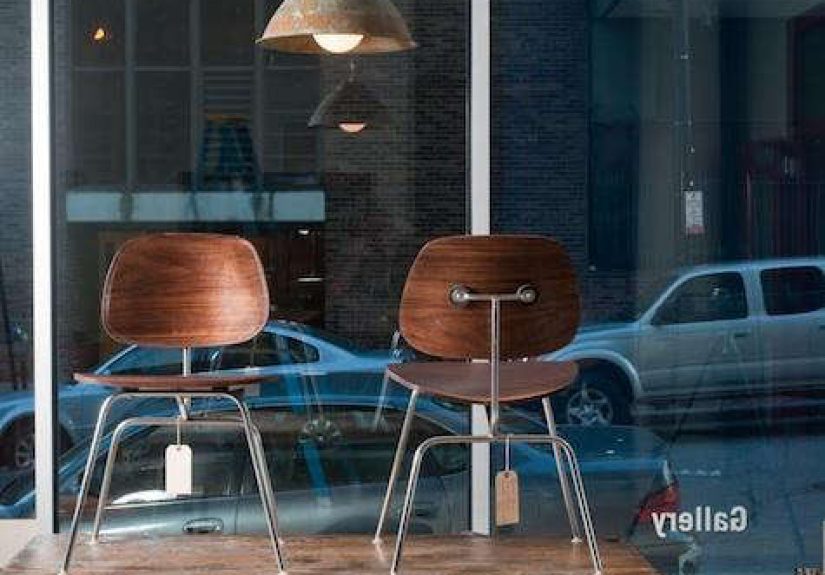
Instead of overwhelming visitors, the shop appeared to rely on arrangement. Furniture, textiles, garments, books, and art objects were not just placed; they were composed. A chair could become a sculpture. A folded blanket could become a color field. A stack of design books could become a quiet invitation to stay longer than planned. The effect was refined without becoming chilly.
This is where the store’s personality becomes especially interesting. Many minimalist shops feel like they are judging your shoes. Chellis Wilson, by contrast, seems to have offered warmth through conversation, material richness, and the presence of handmade work. It had taste, but not the kind that stands at the door holding a clipboard.
Local Artisans and Global Design Under One Roof
A defining strength of Chellis Wilson was its mix of local Maine-area makers and international design. The shop carried furniture from local artisans, including Jonas Eule of Weather Furniture, along with pieces from farther away, such as Japanese linen goods associated with Fog Linen. This pairing gave the shop depth. It was rooted in place, but not provincial. It understood Portland, but it also looked outward.
That combination is one reason design lovers respond so strongly to shops like this. Local work gives a store its soul. International pieces widen the conversation. A handmade table from a regional craftsperson can sit near Japanese linen and suddenly both feel more alive. The table gains softness; the linen gains structure. The shopper gains a new problem: how to leave without buying both.
The best boutiques do not merely sell categories. They create relationships between objects. Chellis Wilson’s furniture, textiles, books, and garments appear to have formed a world in miniature. That world said: live with fewer things, but make them better things. Choose objects that will age, gather stories, and survive more than one decorating trend.
Why “Integrity of Production” Still Matters
The phrase “integrity of production” sounds elegant, but it is also practical. It points to how something is made, who made it, what materials were used, and whether the finished object carries honest value. In modern retail, this idea has become even more important. Shoppers are increasingly aware that cheap goods can hide expensive consequences: waste, poor labor practices, weak materials, and objects designed to be discarded quickly.
Chellis Wilson’s commitment to production integrity placed it ahead of many mainstream shopping habits. The store’s philosophy encouraged customers to ask better questions. Who made this chair? Why does this textile feel different? Can this garment last? Does this object have a life beyond its first season? These questions transform shopping from consumption into discernment.
That does not mean every purchase has to be solemn. A beautiful object can still be fun. In fact, the best ones usually are. A good blanket improves a sofa and a bad mood. A well-made table changes how dinner feels. A thoughtfully chosen book can make a coffee table look intelligent, even if the household dog is the only one who has actually read it.
The Chellis Wilson Aesthetic: Spare, Textural, and Human
The Chellis Wilson aesthetic can be described as spare but not empty, refined but not sterile, artistic but still livable. The shop reportedly carried clothes, books, textiles, and furniture in a carefully arranged environment. That mix suggests a lifestyle point of view rather than a single retail category.
Textiles were especially important to the mood. Linen, wool, and natural fibers bring softness to minimalist spaces. They also age gracefully. Unlike shiny trend pieces that seem exhausted after one season, natural textiles become more interesting through use. They wrinkle, soften, fade, and develop character. This is very convenient because linen wrinkles whether you approve or not. The mature design response is to call it “texture.”
Furniture added structure. Handmade or small-batch furniture often carries subtle irregularities that make it feel alive. Books added intellect and atmosphere. Garments added a personal dimension, reminding visitors that design is not limited to rooms; it includes how we move through the world. Together, these categories made Chellis Wilson feel like a complete design environment.
Portland’s Arts District Connection
Chellis Wilson also made sense because Portland has a strong arts infrastructure. The Portland Museum of Art anchors the city’s cultural life near Congress Square. Maine College of Art & Design sits in the heart of the Arts District, helping supply the city with artists, designers, makers, and visually curious people who care about material culture. Creative Portland’s First Friday Art Walk further reinforces the city’s habit of opening doors, galleries, studios, and alternative art spaces to the public.
In that context, a shop like Chellis Wilson was not an isolated boutique. It was part of a broader creative ecosystem. Portland shoppers are used to crossing boundaries between gallery, studio, store, café, and street. A retail space can function as a small exhibition. A furniture display can feel like sculpture. A shopkeeper can become a guide to both objects and ideas.
This kind of cultural overlap is one of Portland’s great strengths. It allows independent retail to feel meaningful rather than merely transactional. People visit not only to buy, but to learn what local makers are doing, what materials are being used, and how the city’s creative identity is evolving.
What Shoppers Could Find at Chellis Wilson
Furniture with Character
Furniture at Chellis Wilson leaned toward pieces with presence. The emphasis on local artisans suggests objects built with attention to materials and form. A table or chair in this kind of shop is not simply a surface or seat. It is a statement about how you want your home to feel: calm, grounded, intentional, and slightly more adult than the pile of mail on your counter suggests.
Textiles Worth Touching
Textiles gave the shop warmth. Linen, woolens, blankets, and garments would have appealed to shoppers who appreciate tactile quality. In design retail, touch is often the deciding factor. A fabric can look beautiful online, but in person it either has soul or it does not. Chellis Wilson’s textile selection appears to have valued natural texture and quiet luxury over flash.
Books for the Design-Obsessed
Design books are the secret weapon of a curated shop. They slow the pace and deepen the atmosphere. They also allow customers to take home a piece of the store’s thinking at a more accessible price than, say, a handmade dining table. A good design book says, “I am cultured,” while also being very useful for hiding remote controls.
Garments and Wearable Art
Clothing at Chellis Wilson seems to have belonged to the same aesthetic family as the furniture and textiles: thoughtful, artistic, and material-driven. In a store like this, garments are not fast-fashion distractions. They are part of a broader conversation about proportion, texture, craft, and daily ritual.
Lessons From Chellis Wilson for Modern Shoppers
The legacy of Chellis Wilson offers several useful lessons for today’s design shopper. First, buy fewer things with more intention. The store’s edited atmosphere reminds us that abundance is not the same as richness. A room can feel more luxurious with one excellent chair than with six nervous accessories fighting for attention.
Second, learn to value materials. Wood, linen, wool, metal, paper, and clay all have different emotional temperatures. Understanding those materials helps you shop better. You begin to notice weight, grain, weave, finish, and construction. Suddenly, the phrase “good enough” becomes less convincing.
Third, support shops and makers with a point of view. Independent retail survives when shoppers value expertise. A strong shopkeeper does not simply sell; they interpret. They help customers see why one object matters more than another. That expertise deserves respect, especially in an era when algorithms often confuse “recommended for you” with “actually good.”
How to Bring the Chellis Wilson Spirit Into Your Own Home
You do not need to recreate the shop exactly to borrow its spirit. Start by editing. Remove objects that no longer serve your life or your eye. Then look for pieces with material honesty. A simple linen towel, a well-proportioned wooden stool, a handmade ceramic bowl, or a beautifully designed book can shift the tone of a room.
Focus on texture rather than decoration alone. A quiet palette becomes interesting when surfaces vary: matte wood, soft linen, woven wool, aged metal, handmade paper. Let objects breathe. Not every shelf needs to perform a circus act. Negative space is not empty; it is the visual equivalent of a deep breath.
Finally, choose objects that invite use. The Chellis Wilson mindset is not about creating a museum where nobody is allowed to sit down. It is about living with beauty. Use the blanket. Read the book. Put flowers in the vase. Let the table collect dinner stories. Good design is not too precious for daily life; it makes daily life feel more considered.
Why Chellis Wilson Still Feels Relevant
Even though the most visible records of Chellis Wilson come from the early 2010s, its philosophy feels remarkably current. Today’s shoppers are tired of sameness. They want objects with provenance, stores with personality, and interiors that do not look assembled by a panicked robot with a coupon code. Chellis Wilson offered a model for exactly that kind of retail.
Its relevance lies in its clarity. The shop had a point of view. It valued craftsmanship. It connected local artisans with global design. It blurred the line between boutique and gallery. It made shopping feel slower, smarter, and more memorable. Those qualities are not dated. If anything, they are more valuable now.
In the best sense, Chellis Wilson represents a disappearing but deeply loved kind of store: the place you remember not because it was big, but because it was precise. The place where the owner’s taste shaped the experience. The place where you could leave with a textile, a book, a conversation, or simply the feeling that your own home could be edited with more courage.
Experiences Inspired by Shopper’s Diary: Chellis Wilson in Portland, Maine
To understand the spirit of Chellis Wilson, imagine spending a slow afternoon in Portland with no strict agenda. The weather is doing something very Maine: perhaps misting, perhaps glowing, perhaps changing its mind every seven minutes. You begin near the Old Port, where brick sidewalks and historic storefronts encourage the kind of wandering that makes map apps feel bossy. The harbor air is close enough to remind you that this is a working coastal city, not a stage set, even though the scenery is unfairly photogenic.
A Chellis Wilson-style shopping day would not begin with a checklist. It would begin with attention. You would notice window displays, hand-lettered signs, gallery posters, ceramics in a small shop, and the quiet confidence of stores that do not need neon to be interesting. You might stop for coffee, partly for energy and partly because design shopping requires emotional hydration. Then you would continue toward streets where art, retail, and everyday Portland life overlap.
The experience related to Chellis Wilson is less about finding one exact object and more about training the eye. In a shop with that kind of sensibility, you learn to compare textures rather than prices alone. A linen towel is not just a towel; it is a lesson in fiber, drape, and restraint. A handmade table is not just a table; it is an argument for patience. A design book is not just décor; it is evidence that someone in the room occasionally thinks about chairs with academic seriousness.
One practical way to shop in this spirit is to choose a theme before entering any boutique. For example, you might decide to look only for objects that add warmth to a room: a wool throw, a small lamp, a wooden bowl, a textile with an irregular weave. This keeps impulse buying under control. It also helps you avoid the classic vacation-shopping mistake of buying something that looked charming in Portland but looks deeply confused once it arrives in your apartment.
Another experience worth borrowing from Chellis Wilson is the conversation with the shopkeeper. Independent stores often hold knowledge that no product description can match. Ask who made the piece, what material it uses, how it should be cared for, or why it was selected. A good shopkeeper’s answer can change how you see an object. Suddenly, you are not buying a blanket; you are buying a connection to a maker, a process, and a place.
Portland also rewards pairing shopping with art. A visit to a museum, gallery, or First Friday Art Walk can sharpen your sense of form and color before you enter a design store. After seeing paintings, sculpture, or student work, you may notice retail objects differently. A chair becomes line and volume. A scarf becomes composition. A ceramic cup becomes a tiny architectural decision that happens to hold coffee.
The Chellis Wilson experience also encourages patience after the shopping trip ends. Bring the object home and give it space. Do not immediately bury it under clutter or force it into a crowded shelf. Let the new piece change the room. Sometimes one thoughtful purchase reveals that five older objects need to retire gracefully. Thank them for their service, then move them along.
Ultimately, shopping in the Chellis Wilson spirit is about memory. You remember the light in the store, the conversation, the texture of linen, the way a handmade table made the room feel calmer. The object becomes a souvenir, but not in the snow-globe sense. It becomes a reminder of a better way to choose: slowly, curiously, and with enough humor to admit that yes, you did travel to Maine and fall in love with a blanket.
Conclusion
Chellis Wilson in Portland, Maine remains a compelling example of what independent design retail can be when guided by taste, restraint, and respect for making. Under Barbara Merritt’s eye, the shop offered more than furniture, textiles, books, and garments. It offered a way of seeing. Its mix of local artisans, global design, gallery-like arrangement, and production integrity made it memorable in a city already rich with creative energy.
For modern shoppers, the lesson is simple but powerful: choose objects with care. Seek out independent stores that know what they stand for. Pay attention to materials. Ask about makers. Let your home become a collection of meaningful choices rather than a storage unit for trends. Chellis Wilson may be remembered as a Portland shop, but its real legacy is a shopping philosophy: buy less noise, more soul.