Table of Contents >> Show >> Hide
- What Is the Wilfa Precision Coffee Maker?
- Why Coffee Enthusiasts Still Talk About It
- Key Features of the Wilfa Precision Coffee Maker
- How to Brew Better Coffee With the Wilfa Precision Coffee Maker
- Wilfa Precision Coffee Maker vs. Regular Drip Coffee Makers
- Who Should Buy the Wilfa Precision Coffee Maker?
- Maintenance and Cleaning Tips
- Common Pros and Cons
- Real-World Experience: Living With the Wilfa Precision Coffee Maker
- Final Verdict: Is the Wilfa Precision Coffee Maker Worth It?
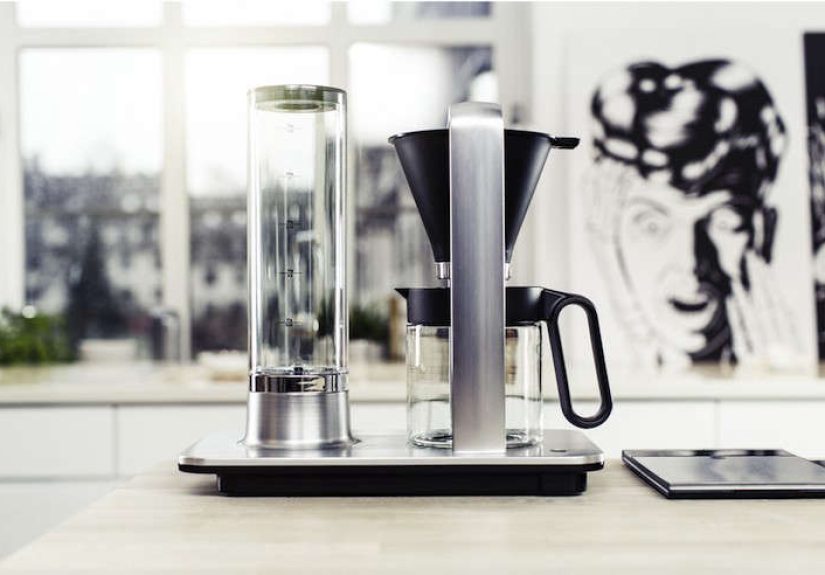
The Wilfa Precision Coffee Maker is one of those kitchen appliances that looks like it escaped from a Scandinavian design museum, then politely asked to brew your morning coffee. It is sleek, unusual, and clearly not trying to be another basic drip machine with a sad plastic basket and the emotional range of an office printer. This brewer was built around a simple idea: automatic coffee should taste closer to a carefully made pour-over, but without forcing you to stand at the counter like a sleepy chemist at 6:45 a.m.
For coffee lovers, the Wilfa Precision Coffee Maker is interesting because it focuses on the variables that actually matter: water temperature, water distribution, coffee-to-water ratio, flow control, and freshness. Those may sound like tiny details, but in coffee, tiny details are the difference between “wow, this is bright and sweet” and “why does this taste like cardboard attended a bonfire?”
This guide breaks down what the Wilfa Precision Coffee Maker is, how it works, why it earned attention among specialty coffee fans, and whether it still makes sense for modern home brewing. We will also cover setup tips, strengths, drawbacks, maintenance, and real-world experiences to help you decide if this precision drip coffee maker deserves precious countertop space.
What Is the Wilfa Precision Coffee Maker?
The Wilfa Precision Coffee Maker is an automatic drip brewer developed by Norwegian appliance brand Wilfa with input from coffee professional Tim Wendelboe. Its purpose is to make filter coffee with more consistency than the average home drip machine. Instead of simply dumping hot water over grounds and hoping for the best, the Wilfa Precision uses a more controlled brewing system designed to manage temperature, water flow, and extraction.
In the United States, the original Wilfa Precision Coffee Maker appeared as the WSP-1A and WSP-1B models. Later European versions, such as the Wilfa Svart Precision WSP-2A, continued the same design philosophy with refinements. Availability in the U.S. has been inconsistent over the years, so shoppers often find it through specialty retailers, import listings, or the secondary market rather than as a common big-box-store appliance.
At its core, this machine is a premium automatic filter brewer. It is not an espresso machine, pod system, or smart coffee maker that wants to connect to your Wi-Fi and learn your secrets. It brews batch coffee through a paper filter, using a glass carafe and a hot plate. What makes it special is the way it approaches drip brewing with the attitude of a barista who owns a gram scale and has opinions about water chemistry.
Why Coffee Enthusiasts Still Talk About It
The Wilfa Precision Coffee Maker became popular among specialty coffee fans because it addressed several weaknesses found in ordinary drip machines. Many cheap brewers fail to heat water properly, spread water unevenly, or brew too quickly or too slowly. The result can be weak, bitter, sour, or strangely flat coffee. Wilfa aimed to solve that by building a brewer that could reach an appropriate brewing temperature quickly and maintain a more stable extraction process.
Its design also helped. The clear water path, removable water tank, clean lines, and elevated brewing arm make it feel more like a piece of modern equipment than a hidden appliance you shove under a cabinet. The machine almost invites you to watch the brew cycle. Coffee moves through the system visibly, which is oddly satisfying in the way lava lamps are satisfying, except this one gives you caffeine.
More importantly, the Wilfa Precision Coffee Maker helped popularize the idea that automatic drip coffee could be treated as specialty coffee. Before machines like this, many home brewers fell into two camps: quick-but-mediocre drip machines or manual pour-over gear. Wilfa tried to sit in the middle. It offered automation without completely ignoring the craft.
Key Features of the Wilfa Precision Coffee Maker
Precise Brewing Temperature
Temperature is one of the biggest reasons the Wilfa Precision Coffee Maker stands out. Coffee generally extracts best when hot water stays in the proper range for drip brewing. Water that is too cool may leave coffee tasting thin, sour, or underdeveloped. Water that is too hot can push harsh bitterness forward. Wilfa designed the Precision brewer to quickly reach an optimal brewing temperature and keep the brew stable throughout the cycle.
The original U.S. manual describes a consistent brewing temperature of about 197.6°F, or 92°C. Current Wilfa product information for the Svart Precision highlights a brewing temperature range of 92°C to 96°C from the first to the last drop. In plain English: the machine is trying to avoid the classic bad-drip-coffee problem where the first water is lukewarm, the middle is acceptable, and the end tastes like regret.
Removable Water Tank
The removable water tank is one of the machine’s most practical features. On many drip brewers, people fill the reservoir using the coffee carafe. That sounds harmless until you remember the carafe often contains coffee oils and residue. Pouring fresh water through a used carafe can carry old coffee flavors back into the machine. That is not recycling; that is flavor sabotage.
With the Wilfa Precision Coffee Maker, you can remove the water tank, fill it directly with fresh water, and place it back onto the base. This makes the process cleaner and more accurate. It also helps reduce the chance of old coffee oils sneaking into your next batch like tiny bitter ghosts.
Flow Control and Drip Stop
The adjustable flow control is where the Wilfa Precision Coffee Maker becomes more interesting than a standard drip machine. The filter holder includes an adjustable opening that lets you influence how quickly brewed coffee exits the basket. By slowing or speeding the flow, you can change contact time between water and coffee grounds.
This matters because different batch sizes need different flow behavior. A small 0.25-liter brew should not behave exactly like a full 1.25-liter pot. With flow control, you can match the setting to the amount of coffee you are making. Close the aperture after brewing, and it also functions as a drip stop. This is great news for anyone who has ever cleaned a coffee puddle from a hot plate while muttering words not approved for morning television.
Built-In Pump System
Unlike many basic drip coffee makers that rely heavily on gravity and simple heating systems, the Wilfa Precision Coffee Maker uses a pump to move water through the system. This helps empty the water path after each brew cycle. The benefit is fresh water for the next batch and better consistency from brew to brew.
The pump can make a buzzing sound at the beginning and end of brewing, which may surprise new users. It is not the machine trying to communicate with a nearby spaceship. It is part of how the brewer preheats, moves water, and clears the system after brewing.
Shower Head Water Distribution
Even water distribution is another important part of good drip coffee. If water pours onto one section of the coffee bed while ignoring the rest, some grounds over-extract and others under-extract. The cup becomes confused. The Wilfa Precision Coffee Maker uses a shower head designed to spread water more evenly over the grounds, encouraging more balanced extraction.
This does not mean the machine magically fixes every grind problem. If your coffee is ground like beach sand mixed with gravel, no shower head can fully rescue it. Still, a well-designed spray pattern helps the brewer produce a more even cup, especially when paired with a consistent burr grinder.
How to Brew Better Coffee With the Wilfa Precision Coffee Maker
Using the Wilfa Precision Coffee Maker is simple, but getting the best results requires a little attention. The good news is that you do not need a lab coat. A small digital scale, fresh beans, filtered water, and a decent grinder will do most of the heavy lifting.
Use Fresh Coffee
For the best flavor, use freshly roasted coffee, ideally within a few weeks of the roast date. Coffee loses aroma over time, and pre-ground coffee loses it faster. Whole beans keep more flavor until you grind them. Think of grinding coffee as opening a bag of chips: once air gets involved, the clock starts ticking.
Follow the Recommended Ratio
The Wilfa Precision manual recommends approximately 55 grams of coffee per liter of water. For a full 1.25-liter batch, that equals about 69 grams of coffee. For 1 liter, use about 55 grams. For 0.5 liters, use about 28 grams. These ratios are a strong starting point for balanced filter coffee.
You can adjust slightly depending on roast level and personal taste. If the coffee tastes thin or sour, grind finer or use a touch more coffee. If it tastes bitter, dry, or heavy, grind coarser or reduce the dose slightly. The goal is balance, not winning a strength contest against your own nervous system.
Choose the Right Grind Size
A medium grind usually works well for this brewer. It should look somewhat like coarse table salt, not espresso powder and not chunky French press gravel. If the water drains too quickly, the coffee may taste weak. If it drains too slowly, the brew may become bitter or muddy.
The adjustable flow control gives you another tool, but grind size still matters. Flow control can help tune contact time, while grind size affects extraction from the inside out. Treat them as teammates, not substitutes.
Rinse the Paper Filter
Before brewing, place a No. 4 paper filter in the filter holder and rinse it with hot water. This removes papery flavors and warms the brewing area. It is a small step, but it can make the cup taste cleaner. Skipping it is not a crime, but coffee nerds may appear in your kitchen and raise an eyebrow.
Serve Coffee Soon After Brewing
The Wilfa Precision Coffee Maker uses a glass carafe and warming plate. While the hot plate keeps coffee warm, brewed coffee tastes best soon after it finishes. Heat and oxygen gradually flatten the flavor. If you plan to sip slowly for hours, consider transferring the coffee into a preheated thermal carafe after brewing.
Wilfa Precision Coffee Maker vs. Regular Drip Coffee Makers
Compared with basic drip machines, the Wilfa Precision Coffee Maker offers more control and better attention to extraction. A regular brewer may be cheaper and easier to replace, but it often gives you fewer ways to improve the cup. You press a button, hope the water is hot enough, and accept your fate.
The Wilfa Precision gives you a removable tank, measured water markings, adjustable flow, a pump system, and thoughtful temperature management. These features make it a better fit for people who care about flavor but still want convenience. It is especially appealing for someone who enjoys pour-over coffee but does not always have time to stand over a kettle in the morning.
However, it is not perfect. Some users have reported concerns about long-term durability, replacement parts, and U.S. availability. The glass carafe can break, the machine takes up space, and the hot plate is less ideal than a thermal carafe for flavor preservation. If you want a machine with broad U.S. support, easy parts availability, and a long track record, brands like Technivorm Moccamaster, OXO, Ratio, or Breville may be easier to live with.
Who Should Buy the Wilfa Precision Coffee Maker?
The Wilfa Precision Coffee Maker is a strong match for people who want better automatic drip coffee and enjoy adjusting variables. If you already buy freshly roasted beans, own a burr grinder, and know the difference between “bright acidity” and “this lemony coffee is yelling at me,” you will probably appreciate what Wilfa was trying to do.
It also works well for households where one person loves specialty coffee and another person just wants to press a button. Once the ratio and flow setting are dialed in, the machine becomes fairly straightforward. You can prepare consistent coffee without turning every morning into a pour-over ceremony.
On the other hand, it may not be the best choice for someone who wants the simplest possible machine, the cheapest drip brewer, or guaranteed easy service in the United States. Since availability can vary, check model numbers, voltage compatibility, warranty terms, and replacement carafe options before buying.
Maintenance and Cleaning Tips
Regular cleaning is essential for the Wilfa Precision Coffee Maker. Coffee oils build up in the carafe, filter holder, and lid. Minerals from water can collect inside the system, especially if you live in a hard-water area. Over time, those deposits can slow water movement and affect flavor.
For daily use, rinse the filter holder and carafe after each brew. Wash removable parts with warm, soapy water as needed. Avoid abrasive pads that can scratch surfaces. If the machine is used daily, cleaning the hot water system every couple of weeks is a smart habit. Descaling about every 60 days is a reasonable baseline, though hard water may require more frequent descaling.
Use a cleaner or descaler made for coffee equipment. Citric acid solutions are commonly used for descaling, but always follow the instructions for your specific model. After cleaning or descaling, run fresh water through the machine to rinse the system thoroughly. Nobody wants coffee with a surprise note of cleaning product. That flavor profile is called “panic.”
Common Pros and Cons
Pros
The Wilfa Precision Coffee Maker offers excellent control for an automatic drip brewer. Its temperature stability, removable water tank, pump system, adjustable flow control, and attractive design all make it stand out. It encourages users to brew with proper ratios and fresh water, which are two major steps toward better coffee.
Cons
The biggest drawbacks are availability, parts support, and the glass carafe setup. In the U.S., the original models are no longer as easy to buy as mainstream brewers. Replacement parts may require extra searching. The hot plate can also reduce flavor quality if coffee sits too long. The machine rewards careful users, but it may frustrate people who want a totally maintenance-free appliance.
Real-World Experience: Living With the Wilfa Precision Coffee Maker
Using the Wilfa Precision Coffee Maker feels different from using a typical drip machine. The first thing most people notice is the design. It does not hide the brewing process; it showcases it. The removable water tank clicks into place, the filter holder sits visibly under the shower head, and the carafe looks more like part of a coffee lab than a diner counter. It gives the morning routine a small sense of ceremony without demanding too much effort.
The second thing you notice is that the machine likes accuracy. It works best when you measure water and coffee properly. If you are used to dumping in “some scoops” and filling the tank until your heart says stop, the Wilfa Precision may gently expose your chaos. But that is also part of its charm. Once you start using grams and liters, your coffee becomes far more repeatable. Yesterday’s great cup does not have to become today’s mysterious brown liquid.
A typical morning workflow is easy. Fill the removable tank with fresh filtered water. Rinse the paper filter. Grind the beans. Add coffee to the filter. Set the flow control to match the batch size. Press start. The brewer may buzz while it prepares and moves water, which can feel unusual at first. After a few uses, that sound becomes part of the ritual. It is the machine’s way of saying, “Please stand by. Scandinavian precision is loading.”
Flavor-wise, the Wilfa Precision Coffee Maker performs best with medium and light-medium roasts that benefit from clean extraction. Coffees with fruity, floral, or caramel notes can come through clearly when the grind is dialed in. Darker roasts can also work, but they may need a slightly coarser grind or a shorter contact time to avoid bitterness. The flow control gives you room to experiment, which is useful if you switch between different beans.
One of the most enjoyable parts of the machine is how it bridges convenience and craft. Manual pour-over is wonderful, but it asks for attention. You need to pour slowly, watch the bloom, manage timing, and avoid drifting into a half-awake daydream while water spills around the dripper. The Wilfa Precision automates much of that process while still letting you influence the result. It is not a robot barista, but it is a very competent assistant.
The glass carafe is both beautiful and slightly demanding. It looks elegant, but glass does what glass has done since the beginning of glass: it breaks if treated badly. Handle it carefully, especially during washing. Also, because the brewer uses a warming plate, coffee should not sit for too long. After 20 to 30 minutes, flavor can start to flatten. For the best experience, brew what you plan to drink soon, or move the coffee into a thermal carafe.
Maintenance becomes part of ownership. If the water flow slows, the machine gets noisier, or coffee begins tasting dull, cleaning and descaling may be overdue. This is especially true in areas with mineral-heavy water. The removable tank makes daily filling cleaner, but it does not eliminate the need for care. A precision coffee maker is like a bicycle: it rewards basic maintenance and gets cranky when ignored.
The Wilfa Precision Coffee Maker is most satisfying for people who enjoy learning. It invites small experiments: a little finer grind, a slightly different flow setting, a new ratio, a different roast level. Each change teaches you something about extraction. That makes the machine more engaging than ordinary drip brewers. It turns automatic coffee into a repeatable craft rather than a button-pushing gamble.
After living with this style of brewer, the biggest lesson is simple: automation and quality do not have to be enemies. The Wilfa Precision Coffee Maker proves that an automatic machine can still respect the fundamentals of good coffee. It will not fix stale beans, a poor grinder, or water that tastes like a swimming pool with ambition. But when you feed it good ingredients and keep it clean, it can brew coffee that feels bright, balanced, and genuinely enjoyable.
Final Verdict: Is the Wilfa Precision Coffee Maker Worth It?
The Wilfa Precision Coffee Maker remains a fascinating brewer because it was designed for people who care about how coffee is extracted. Its temperature control, removable water tank, adjustable flow system, and clean Scandinavian design make it more thoughtful than the average drip machine. It is not the easiest coffee maker to find in the U.S., and it may not be the most practical choice for everyone, but it still deserves attention from serious home coffee drinkers.
If you want a low-effort machine with high-flavor potential, the Wilfa Precision Coffee Maker can be a rewarding choice. It works best when paired with fresh beans, a good grinder, filtered water, and regular cleaning. If you want maximum parts availability and long-term service support, compare it carefully with other premium brewers before buying.
In short, the Wilfa Precision Coffee Maker is not just a pretty countertop object. It is a serious attempt to make automatic drip coffee more precise, more flavorful, and more enjoyable. And honestly, any machine that helps morning coffee taste less like a workplace emergency deserves at least a respectful nod.