Table of Contents >> Show >> Hide
- What Is the Børge Mogensen Spanish Chair?
- The Origin Story: Why It Is Called the Spanish Chair
- Design Details That Make the Spanish Chair So Distinctive
- Why the Spanish Chair Still Matters in Modern Interiors
- Is the Børge Mogensen Spanish Chair Comfortable?
- How to Style a Spanish Chair
- Buying Guide: What to Know Before You Invest
- Why Collectors and Design Lovers Keep Coming Back
- Extended Experience: Living With the Børge Mogensen Spanish Chair
- Conclusion
If some chairs are wallflowers, the Børge Mogensen Spanish Chair is the one that walks into the room wearing leather, oak, and absolute self-confidence. It does not beg for attention. It simply sits there looking calm, practical, and suspiciously expensive in the best possible way. That, in a nutshell, is why this design has stayed relevant for decades.
Originally introduced in 1958, the Spanish Chair is one of the most recognizable works by Danish designer Børge Mogensen. It bridges several worlds at once: Danish modern furniture, mid-century modern style, honest craftsmanship, and a warm, almost rustic material palette that still feels current. Unlike ultra-delicate museum pieces that seem allergic to human contact, this chair was designed for real living. You can sit in it, lean on it, age with it, and watch it get better-looking as the leather develops patina. That is not marketing fluff. That is one of the reasons design people keep talking about it.
In this article, we will unpack where the chair came from, what makes it special, why collectors and interior designers still adore it, how it feels to actually use one, and what to know before buying either a vintage example or a modern production version. In other words, this is the full tour of a design icon that somehow manages to be rugged, elegant, and just a little smug.
What Is the Børge Mogensen Spanish Chair?
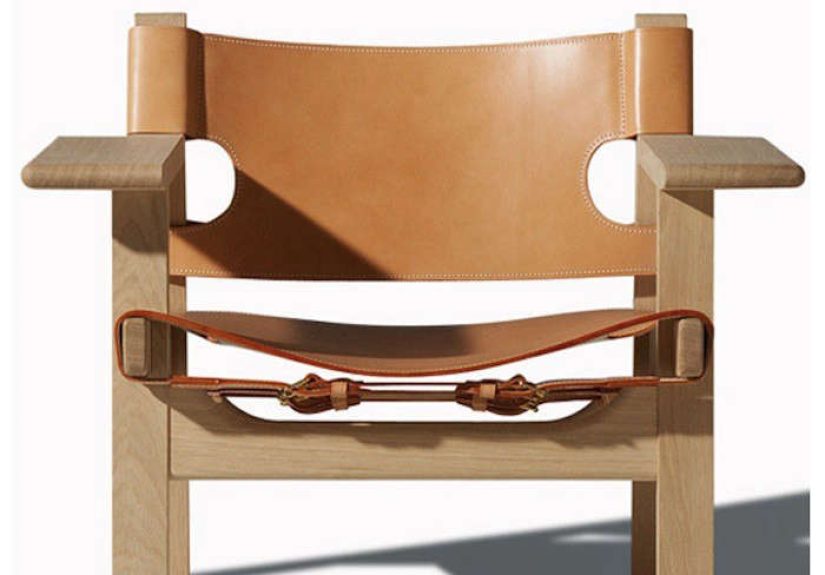
The Børge Mogensen Spanish Chair is a low, generously proportioned lounge chair made from a solid wood frame and thick saddle leather. Most versions use oak, though some are produced in walnut. The seat and back are suspended with leather and supported by visible straps, which gives the chair both its distinctive look and much of its comfort. The broad armrests are one of its most famous features, turning a structural element into something wonderfully practical. They are wide enough to hold a book, a coffee cup, or the kind of drink that makes you start using the word “curated” unironically.
Although it is often grouped with other Scandinavian lounge chairs, the Spanish Chair does not feel airy or delicate. It has more visual weight. It is sturdy, grounded, and unapologetically material-forward. You notice the grain of the wood. You notice the heft of the leather. You notice the brass details and the way everything looks assembled rather than disguised. This emphasis on visible construction is a huge part of its charm and one reason the chair remains a benchmark for Scandinavian design done right.
The Origin Story: Why It Is Called the Spanish Chair
From Denmark to Spain and back again
Mogensen designed the chair in 1958 for Fredericia, the Danish company still associated with the piece today. The inspiration came from traditional Spanish furniture, particularly forms Mogensen encountered while traveling through Spain. The result was not a literal copy of a historic chair. Instead, it was a refined reinterpretation of Spanish and Andalusian furniture traditions through the lens of Danish modernism.
That blend matters. Mogensen was not interested in decoration for decoration’s sake. His work consistently focused on utility, proportion, durability, and everyday comfort. So when he borrowed from Spanish furniture, he did not produce something theatrical. He took the robust character, the leather-and-wood honesty, and the generous arm structure, then distilled those ideas into a design that feels disciplined rather than dramatic.
The chair was presented at the Copenhagen Cabinetmakers’ Guild Exhibition, a major platform for important Danish furniture designs of the era. That debut helped cement the chair’s reputation early, but its staying power comes from something even more important: it never depended on trendiness in the first place. Good materials and smart proportions age more gracefully than hype. Funny how that works.
Design Details That Make the Spanish Chair So Distinctive
Wide armrests that do real work
Let us start with the most obvious feature: the arms. The Spanish Chair’s wide armrests are not a gimmick. They help define the chair’s silhouette, create a sense of personal space, and serve as useful surfaces in daily life. This is a tiny masterclass in functional design. Mogensen took something that could have been merely sculptural and made it genuinely useful.
Saddle leather with a purpose
The leather is another major part of the chair’s identity. Thick saddle leather gives the chair visual warmth and tactile depth, but it also contributes to comfort and longevity. As the leather softens and stretches with use, many production versions allow adjustment underneath the seat. That means the chair is not frozen in time. It can be maintained and tuned as it ages, which is exactly the kind of practical intelligence Mogensen valued.
Solid wood that keeps the chair grounded
The wood frame, usually in oak and sometimes walnut, gives the chair its architectural clarity. It is substantial without being clumsy. It supports the leather visually and structurally, and the contrast between smooth saddle leather and natural wood grain is one of the most satisfying material pairings in mid-century furniture. The effect is quietly luxurious, but never flashy.
Visible construction as part of the beauty
One reason design enthusiasts love the Spanish lounge chair is that nothing feels hidden. The leather straps, joinery, and proportions are all part of the visual language. You can read the chair. It tells you how it is made. That transparency gives it an honesty many newer furniture designs try very hard to fake with “artisan” branding and moody product photos.
Why the Spanish Chair Still Matters in Modern Interiors
The Spanish Chair has outlived several design waves because it can shift context without losing identity. In a minimalist room, it adds warmth and gravity. In a rustic or Mediterranean-inspired interior, it feels perfectly at home. In a more polished contemporary setting, it introduces texture and history. Interior editors and designers keep using it because it acts as both a practical chair and a visual anchor.
This flexibility is part of what makes the chair such a strong SEO-worthy topic in furniture and design content. Searchers are not only looking for the history of the piece. They want to know whether it works in a real home, whether it is comfortable, whether it is worth the money, and whether a vintage version is better than a new one. The answer, annoyingly but truthfully, is that it depends on what you value most.
If you want consistency, warranty support, and leather that starts fresh, a current-production chair makes sense. If you want patina, provenance, and that irreplaceable sense of age, a vintage example can be irresistible. Neither choice is wrong. This chair is fortunate enough to look good in both biographies: “just arrived from Denmark” and “has seen things.”
Is the Børge Mogensen Spanish Chair Comfortable?
Yes, but not in a marshmallow way
This is where some people get surprised. The Børge Mogensen Spanish Chair is comfortable, but it is not a sink-in recliner. It offers a more upright, supported kind of comfort. The leather cradles the body, yet the chair still encourages an alert posture. You feel held rather than swallowed. For reading, conversation, or lingering with a drink, that is often better than a chair that turns you into a puddle after ten minutes.
The low seat height and broad stance make it feel relaxed, while the firmness of the materials keeps it structured. Over time, the leather tends to soften, which can improve comfort even more. That aging process is part of the ownership appeal. Unlike cheap upholstered chairs that look tired after a few years, the Spanish Chair usually becomes more convincing with age.
That said, it is a substantial chair. It needs room around it, both physically and visually. Cramming it into a tiny corner is like parking a vintage Land Rover in a broom closet. It deserves breathing space.
How to Style a Spanish Chair
Rooms where it shines
The chair works especially well in living rooms, studies, libraries, bedrooms with a seating corner, and hospitality-inspired interiors where materials matter. It pairs beautifully with wool rugs, stone floors, plaster walls, linen upholstery, dark metal accents, and other natural textures. If your room already contains too many delicate pieces, the Spanish Chair adds welcome backbone.
It also performs well in mixed interiors. You do not need a full Danish modern setup to justify it. In fact, the chair often looks better when it is allowed to contrast with softer upholstery, contemporary art, or more casual pieces. It brings authority to the room, but it does not demand that every other object salute.
Colors and finishes to consider
Cognac leather and oak is perhaps the most classic version, giving the chair that sun-baked, timeless look people often associate with vintage Scandinavian furniture. Black leather makes it sharper and more architectural. Walnut can deepen the chair’s presence and make it feel a bit richer, moodier, and more formal. None of these options are bad. They simply tell slightly different stories.
Buying Guide: What to Know Before You Invest
Vintage vs. new production
If you are shopping for a Spanish Chair by Børge Mogensen, the first major decision is whether to go vintage or new. Vintage examples often come with beautiful wear, softened leather, and collector appeal. New examples offer cleaner lines, more predictable condition, and easier purchasing through authorized retailers.
Things to inspect on a vintage piece
Check the leather for cracking, dryness, or amateur repairs. Look at the straps and attachment points. Examine the wood frame for structural stability, not just cosmetic wear. Confirm maker markings when possible, especially if the seller is using the word “iconic” every third sentence and charging accordingly. On the bright side, many vintage pieces have exactly the sort of patina that makes this chair magical.
Things to consider on a new piece
Pay attention to finish choices, leather color, delivery lead times, and the chair’s generous scale. This is not an occasional accent chair pretending to be useful. It is a real piece of furniture with a real footprint. Measure your space, then measure it again once the romantic haze wears off.
Why Collectors and Design Lovers Keep Coming Back
The Spanish Chair sits at a sweet spot in design history. It is famous, but not overexposed to the point of parody. It is luxurious, but through craftsmanship rather than sparkle. It is historical, but still extremely usable. Auction houses, design retailers, and interiors publications continue to feature it because it represents a rare combination: cultural pedigree, practical function, and visual magnetism.
That combination explains why the chair appeals to several audiences at once. Collectors appreciate its place in Danish modern history. Interior designers love its texture and silhouette. Homeowners value its durability and comfort. Even people who do not know much about Børge Mogensen tend to understand the chair instinctively. It looks serious, useful, and beautifully made. Those qualities translate across generations without needing a lecture.
Extended Experience: Living With the Børge Mogensen Spanish Chair
To really understand the Børge Mogensen Spanish Chair, you have to imagine life with it over time, not just the first five seconds after it lands in your living room and you photograph it from the flattering angle. The real experience begins when the novelty fades and the chair has to earn its keep.
At first, what stands out most is presence. The chair changes a room immediately. Even in a space with a large sofa or a bold coffee table, the Spanish Chair tends to pull the eye because its proportions are so self-assured. The broad arms create a little zone of ownership around the sitter. It feels personal, almost architectural, like a tiny room within the room.
Then you notice the practicality. Those famous armrests are not just beautiful. They become useful all the time. A mug in the morning, a notebook in the afternoon, a book in the evening, your phone when you are pretending not to check it every nine minutes. It is one of those rare design moves that sounds minor on paper but changes how a chair is used every single day.
The comfort also reveals itself gradually. This is not the kind of chair that greets you with the soft drama of an overstuffed recliner. Instead, it becomes more appealing the longer you live with it. The seat feels supportive, the leather has give, and the posture it encourages is ideal for reading or conversation. You sit in it to be comfortable, but also to remain present. It is a chair that understands the difference between relaxation and collapse.
There is also something satisfying about how the materials age. Oak develops character. Leather deepens in tone, softens, and records use in a handsome way. The chair does not look worse when it gets older. It usually looks more persuasive. A well-used Spanish Chair has the kind of visual authority that flat-pack furniture can only dream about while quietly shedding cam locks in the corner.
Socially, it functions almost like a design conversation starter. Guests notice it. People ask about it. Even those who cannot identify Mogensen by name tend to respond to the chair’s unusual mix of strict lines and relaxed materials. It looks refined without feeling precious, which makes it easier to live with than many collectible pieces.
Of course, there are practical realities. The chair is large enough to matter in floor planning. It works best when it has enough room to read as a sculptural object, not just backup seating. It is also not the ideal chair for everyone’s lounging style. If your dream evening involves becoming one with a cloud-like sectional, the Spanish Chair may feel a bit disciplined. But if you appreciate furniture that supports, ages well, and adds genuine substance to a room, the experience can be deeply rewarding.
That is the enduring genius of the chair. It is not only memorable in photographs or important in design history books. It continues to make everyday life look and feel better. And for a piece introduced in 1958, that is a pretty impressive trick.
Conclusion
The Børge Mogensen Spanish Chair remains a standout because it solves several problems at once. It delivers comfort without fluff, beauty without fuss, and luxury without losing touch with everyday use. Its combination of saddle leather, solid wood, generous armrests, and visible construction gives it a character that feels both ancient and modern, rustic and refined.
That is why it keeps showing up in editorials, showrooms, auctions, and real homes. The chair offers more than good looks. It offers conviction. In a design world full of pieces trying very hard to look timeless, the Spanish Chair simply is.