Table of Contents >> Show >> Hide
- What Is ButcherBox?
- How ButcherBox Works
- What Comes in a ButcherBox?
- Meat Quality: The Main Reason to Consider ButcherBox
- Packaging and Shipping Experience
- Price and Value: Is ButcherBox Expensive?
- Cooking Performance: What We Liked
- Pros and Cons of ButcherBox
- Who Should Try ButcherBox?
- Who Should Skip ButcherBox?
- ButcherBox vs. Other Meat Delivery Services
- Food Safety Tips for Meat Delivery
- Final Verdict: Is ButcherBox Worth It in 2024?
- Extra Experience Notes: Living With a ButcherBox-Style Meat Subscription
Buying meat used to be simple: walk into the grocery store, stare dramatically at the chicken breasts, wonder why steak costs as much as a concert ticket, then leave with ground beef because it looked familiar. ButcherBox promises a more civilized path: high-quality meat and seafood delivered frozen to your door, with enough sourcing language to make your inner label-reader put on tiny reading glasses and nod approvingly.
In this ButcherBox review 2024, we look closely at how the meat subscription service works, what kinds of cuts you can expect, whether the quality matches the price, and who should skip it faster than a dry pork chop. The short version: ButcherBox is a strong choice for households that cook meat often, value animal welfare standards, and want a freezer stocked without wandering through fluorescent grocery aisles. It is not the cheapest way to buy protein, and it is not ideal if your freezer is already one bag of peas away from a tiny avalanche.
What Is ButcherBox?
ButcherBox is a subscription-based meat delivery service that ships frozen beef, chicken, pork, seafood, turkey, bison, and other proteins directly to customers in the United States. The company built its reputation around sourcing standards: beef options include grass-fed and pasture-raised choices, chicken is positioned around higher welfare standards, pork is raised crate-free, and seafood is described as wild-caught or responsibly farmed depending on the item.
The big appeal is convenience with a quality upgrade. Instead of comparing packages in the meat case and hoping the family does not revolt over dinner, customers can build a box online and receive vacuum-sealed cuts designed for freezer storage. Think of it as the difference between grocery shopping and having a protein drawer that says, “Relax, dinner has a plan.”
How ButcherBox Works
The service generally begins with choosing a plan, selecting proteins, and setting a delivery frequency. ButcherBox has changed plan names and pricing over time, so the checkout page is always the final authority. In recent versions, customers could choose box sizes based on household needs, with options that allow a set number of proteins and estimated total pounds of meat. Older 2024 reviews often described Custom and Curated boxes, while newer plan pages may show updated subscription-builder formats.
The basic idea remains the same. You decide whether you want more control or more convenience. A custom-style box lets picky cooks choose specific cuts such as ground beef, chicken breasts, pork chops, steaks, salmon, shrimp, or bacon. A curated-style box is better for people who enjoy surprise but not the kind of surprise where dinner becomes cereal.
Delivery Frequency and Flexibility
ButcherBox is built for recurring delivery, but it is not meant to trap customers in a meat-based escape room. Members can typically adjust delivery frequency, delay future boxes, or cancel before the next billing date. That flexibility matters because meat subscriptions can get overwhelming if you cook out less often than expected, travel for a week, or suddenly discover that your freezer has become a museum of forgotten chicken thighs.
One practical tip: manage your next box before it bills. Once an order is already billed or processing, cancellation may not be guaranteed. That is not unusual for perishable shipping, but it is something shoppers should understand before clicking through the checkout screen with the confidence of someone who never reads terms.
What Comes in a ButcherBox?
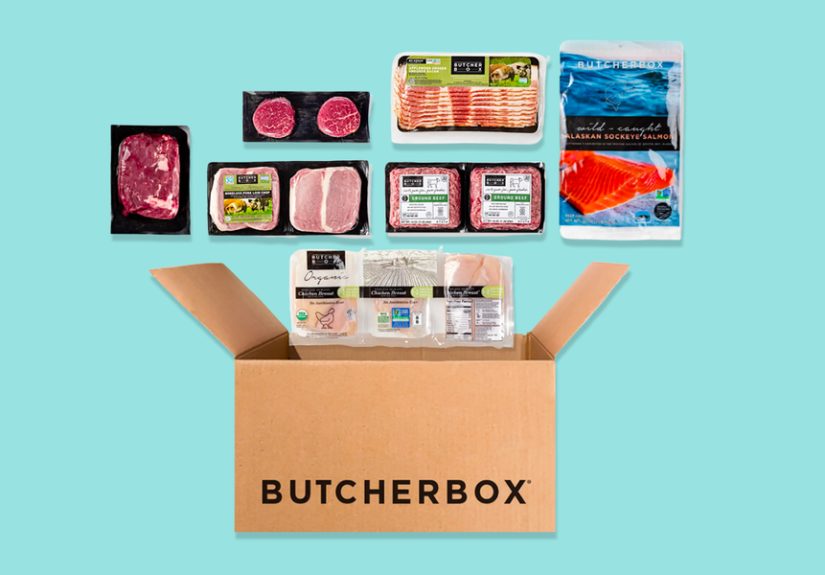
A typical ButcherBox can include familiar staples and more interesting cuts. For everyday cooking, the most useful items are ground beef, boneless skinless chicken breasts, chicken thighs, pork chops, bacon, sausages, stew meat, and salmon. Steak lovers may look for ribeyes, filet mignon, sirloin tips, New York strips, or flat iron steaks when available. Seafood options can include shrimp, scallops, cod, salmon, or other rotating choices.
The strongest boxes are the ones built around how a household actually eats. A family that makes tacos, stir-fries, burgers, sheet-pan dinners, and weekend steaks can use ButcherBox efficiently. A person who eats meat twice a month may find the box charming at first and then slightly intimidating, like a gym membership that moos softly from the freezer.
Meat Quality: The Main Reason to Consider ButcherBox
Quality is the reason people usually try ButcherBox in the first place. Across professional reviews and long-term user feedback, the beef and pork tend to receive the most consistent praise. Grass-fed beef is often leaner and more mineral-forward than conventional grain-fed beef, so it can taste “beefier” but may need slightly gentler cooking. Overcook it and it will not forgive you. Steak has boundaries.
The pork is another highlight. Heritage-breed and crate-free pork options can offer good marbling and a richer flavor than standard grocery-store pork. Bacon, pork tenderloin, pork chops, and shoulder cuts are especially practical because they work in both quick meals and slow-cooker dinners.
Chicken is useful and convenient, though it may feel less dramatic than the beef. If you already have access to excellent organic chicken locally, ButcherBox chicken may not change your worldview. Still, it is reliable freezer protein, and reliability is underrated when the dinner hour is approaching like a small thunderstorm.
Packaging and Shipping Experience
ButcherBox ships meat frozen in insulated packaging, often with dry ice when needed. The company emphasizes recyclable packaging and designs boxes to keep products cold during transit. Once delivered, the meat should be moved to the refrigerator or freezer as soon as possible. If the box arrives late, warm, leaking, or above safe refrigerator temperature, the smart move is to contact customer support and avoid eating questionable products. No steak is worth a food-safety plot twist.
Most positive reviews describe the delivery experience as smooth: frozen meat, organized packaging, and clear tracking. Complaints tend to cluster around late shipments, billing timing, missing promotional items, or frustration when an order has already entered processing. That pattern is worth noting. ButcherBox can be very convenient, but it rewards customers who stay on top of billing dates and freezer space.
Price and Value: Is ButcherBox Expensive?
Yes, ButcherBox is more expensive than buying budget meat at a discount grocery store. That is not really the competition. The better comparison is high-quality grass-fed beef, organic or higher-welfare chicken, crate-free pork, and premium seafood from specialty grocers or local butchers. Against those options, ButcherBox can be competitive, especially when customers use member deals, choose practical cuts, and avoid wasting food.
The value is strongest for people who cook at home often. If a box turns into several weeks of dinners, lunches, meal-prep bowls, soups, tacos, and freezer-friendly recipes, the cost becomes easier to justify. If the meat sits untouched because nobody remembered to thaw it, the value drops faster than a burger patty through grill grates.
How to Get Better Value From ButcherBox
Choose cuts you know you will cook. Ground beef, chicken thighs, stew meat, pork shoulder, bacon, and salmon are easier to use than a freezer full of “someday” steaks. Build boxes around your real meals, not your fantasy life as a rustic ranch chef with unlimited rosemary.
Also, watch for add-ons and member deals, but do not treat every deal as a commandment. A discounted premium cut is only a bargain if it fits your menu. The best ButcherBox customers think like meal planners: one steak night, one taco night, one slow-cooker meal, one sheet-pan dinner, and a few emergency proteins for busy evenings.
Cooking Performance: What We Liked
ButcherBox proteins work best when cooked with a little care. Grass-fed beef should not be blasted into oblivion. Let steaks thaw safely in the refrigerator, pat them dry, season generously, and use a hot pan or grill for a proper sear. Because grass-fed beef is leaner, medium-rare to medium is often the sweet spot for steaks.
Ground beef is the easiest win. It browns well, works in burgers, chili, meatballs, tacos, shepherd’s pie, and pasta sauce, and gives weeknight cooks a fast route to dinner. Pork chops benefit from brining or careful temperature control. Chicken thighs are forgiving, especially in marinades, curry, sheet-pan meals, and grilled recipes. Salmon and shrimp are useful for quick dinners because seafood turns from frozen mystery to actual meal with very little drama.
Pros and Cons of ButcherBox
Pros
- Strong sourcing standards across beef, pork, poultry, and seafood
- Convenient recurring delivery with flexible scheduling
- Useful variety for families and frequent home cooks
- Frozen, vacuum-sealed portions help reduce last-minute grocery trips
- Good option for stocking a freezer with higher-quality proteins
- Member deals can improve value when used wisely
Cons
- Higher upfront cost than regular grocery-store meat
- Requires freezer space and meal planning
- Some orders may be hard to cancel once billing or processing begins
- Frozen delivery is not ideal for shoppers who prefer fresh butcher-counter meat
- Selection can rotate, so favorite cuts may not always be available
Who Should Try ButcherBox?
ButcherBox makes the most sense for busy households that cook protein several times a week and care about sourcing. It is especially useful for families, meal preppers, grillers, high-protein eaters, and people who live far from a great butcher or specialty grocery store. If you already spend money on grass-fed beef, organic chicken, and wild-caught seafood, ButcherBox may feel less like a splurge and more like a streamlined supply chain with better packaging.
It is also a good fit for anyone who hates the “what’s for dinner?” panic. Having a freezer stocked with reliable cuts makes dinner planning easier. You still have to cook, unfortunately. But at least the meat is not hiding behind a grocery-store label that requires a detective board and red string.
Who Should Skip ButcherBox?
Skip ButcherBox if you rarely cook meat, have very limited freezer space, or need the lowest possible price per pound. It may also frustrate shoppers who dislike subscriptions, forget billing dates, or prefer choosing every cut in person. If your household changes dinner plans constantly, a recurring meat box can become less convenient and more like a frozen responsibility.
Budget shoppers may do better with local sales, warehouse clubs, or a trusted butcher. People who want luxury steakhouse cuts for special occasions might compare specialty providers that focus more heavily on dry-aged beef, Wagyu, or restaurant-grade steaks. ButcherBox shines as an everyday premium meat service, not necessarily as the ultimate destination for once-a-year celebration cuts.
ButcherBox vs. Other Meat Delivery Services
Compared with many meat delivery services, ButcherBox is more subscription-focused and practical. Some competitors offer broader à la carte shopping, more exotic cuts, or luxury steak selections. Others compete strongly on price or customization. ButcherBox’s advantage is its combination of sourcing standards, freezer-friendly staples, and recurring convenience.
That makes it less flashy than a box of rare steaks but more useful for real life. A freezer stocked with ground beef, chicken thighs, pork chops, bacon, and salmon may not look like a steakhouse commercial, but it can quietly rescue dinner for weeks. And honestly, rescuing Tuesday dinner deserves more applause.
Food Safety Tips for Meat Delivery
When a frozen meat box arrives, open it promptly. Products should be frozen, partially frozen, or at least refrigerator cold. Move everything to the freezer unless you plan to cook it soon. Thaw meat in the refrigerator whenever possible, not on the counter. Counter thawing is the culinary equivalent of sending bacteria a handwritten invitation.
Use a food thermometer for cooking, especially with poultry and ground meats. Store raw meat below ready-to-eat foods in the refrigerator, keep packages sealed, and label freezer items with dates if you are the kind of person who later asks, “Is this pork or ancient history?”
Final Verdict: Is ButcherBox Worth It in 2024?
ButcherBox is worth it for the right customer. If you cook meat regularly, care about sourcing, and want the convenience of premium proteins delivered to your door, the service delivers real value. The beef and pork are the standouts, the seafood adds welcome variety, and the chicken is useful even if it may not dazzle shoppers who already buy excellent organic poultry locally.
The biggest downsides are cost, freezer space, and subscription management. ButcherBox is not a magic coupon machine. It is a premium meat subscription service, and it works best when treated like one: plan meals, choose useful cuts, watch billing dates, and cook what you buy.
For households that want better meat without weekly shopping drama, ButcherBox earns its place. For bargain hunters or occasional meat eaters, it may be too much box for too few meals. In other words, ButcherBox is not for everyonebut for the right freezer, it is a very convenient little kingdom of steaks, chops, chicken, and “oh good, dinner is handled.”
Extra Experience Notes: Living With a ButcherBox-Style Meat Subscription
The real test of a meat subscription service is not the unboxing. Unboxing is easy. Everything looks impressive when it is frozen, vacuum-sealed, and arranged like a protein treasure chest. The real test starts two weeks later, when life gets busy, dinner needs to happen, and someone in the house asks, “Do we have anything besides pasta?” That is where ButcherBox becomes useful.
A good ButcherBox routine starts with freezer organization. The smartest approach is to separate proteins by category: beef on one shelf, chicken on another, pork together, seafood in a smaller bin, and quick-cook items near the front. This sounds fussy until you are standing in front of the freezer at 6:15 p.m. holding a mystery brick and trying to remember whether it is sirloin tips or soup bones. Labeling is not glamorous, but neither is accidentally making salmon tacos when you promised burgers.
For weeknight cooking, the most valuable cuts are not always the fanciest. Ground beef becomes chili, taco bowls, smash burgers, pasta sauce, and stuffed peppers. Chicken thighs handle marinades beautifully and are hard to ruin, which is a blessing for anyone who has ever turned chicken breast into office-supply material. Pork shoulder or stew meat can become slow-cooker meals that make the house smell like you have your life together. Bacon improves breakfast, sandwiches, soups, and morale.
The subscription also changes how you shop. Instead of building meals around whatever meat is on sale that week, you start shopping for vegetables, grains, sauces, and sides that match what is already in the freezer. That can reduce impulse purchases and make meal planning feel less chaotic. It can also make you more adventurous. A cut you might ignore at the grocery store suddenly becomes dinner because it is already yours and rent-free in your freezer.
The challenge is pacing. A meat subscription can pile up quickly if you eat out often or forget to thaw items. The best habit is to move one or two packages from freezer to refrigerator every couple of days. That small routine turns ButcherBox from “giant frozen commitment” into “easy dinner system.” Without it, you may find yourself staring at a frozen steak at 7 p.m. and negotiating emotionally with a microwave.
Customer service and subscription control matter, too. Before each billing date, check your box, adjust cuts, delay delivery if needed, and make sure your freezer has room. ButcherBox is flexible, but flexibility only helps if you use it before the order processes. Think of it like changing a flight: simple early, stressful late.
Overall, the experience is best for people who like cooking but want fewer shopping trips and more dependable protein. It encourages better planning, rewards home cooking, and makes ordinary dinners feel a little more intentional. It will not chop onions, wash pans, or stop your family from asking what is for dinner while you are literally cooking dinner. But it does put better meat within reach, and some nights, that is enough to make you feel like the hero of the kitchen.