Table of Contents >> Show >> Hide
- What Is Guinness Rarebit?
- Why Guinness Works So Well in Rarebit
- Ingredients for a Classic Irish Guinness Rarebit Recipe
- Classic Irish Guinness Rarebit Recipe
- How to Keep the Sauce Smooth and Glorious
- Best Bread and Cheese for Guinness Rarebit
- Serving Ideas for Irish Guinness Rarebit
- Variations Worth Trying
- Common Mistakes to Avoid
- Experience the Dish: Why Guinness Rarebit Feels Bigger Than Toast
- Final Thoughts
- SEO Tags
Some foods are fancy because they arrive under silver domes. Others are fancy because melted cheese and stout show up together and make everyone at the table suddenly forgive the weather, the bills, and that one friend who “just had a bite” of your lunch. This Classic Irish Guinness Rarebit Recipe belongs firmly in the second category.
At its heart, rarebit is gloriously simple: toasted bread topped with a rich, savory cheese mixture. But when you give it an Irish pub-style twist with Guinness, sharp cheddar, mustard, and a dash of Worcestershire, it becomes the sort of dish that tastes like comfort wearing a wool coat. It is deeply cheesy, lightly bitter, slightly tangy, and exactly the kind of recipe that makes plain toast feel like it finally got promoted.
This guide covers what Guinness rarebit is, why it works, how to make it without turning your sauce into grainy heartbreak, and how to serve it like someone who definitely knows what they are doing. Whether you need a cozy brunch, an easy dinner, or a dramatic way to use bread and cheese, this Irish Guinness rarebit is ready for duty.
What Is Guinness Rarebit?
Rarebit is a classic dish built from toasted bread and a hot cheese topping. Traditional versions are often linked to Welsh rarebit, but the Irish pub-style version swaps in Guinness or another stout for deeper flavor and a darker, toastier backbone. In other words, it is cheese on toast with excellent manners and a pint-friendly personality.
The best Guinness rarebit recipe balances several flavors at once: sharp cheddar for bite, stout for malt and bitterness, mustard for brightness, Worcestershire for savory depth, and bread sturdy enough to hold the whole glorious mess without collapsing like a folding chair at a family reunion.
If you have never eaten rarebit before, think of it as the smarter, moodier cousin of grilled cheese. It is open-faced, saucy, broiled until bubbling, and somehow feels both rustic and slightly theatrical. That is a rare culinary trick, and rarebit pulls it off with zero apology.
Why Guinness Works So Well in Rarebit
Guinness brings more than just Irish branding to the party. A good stout adds roasted, malty notes that play beautifully against aged cheddar. That slight bitterness also keeps the dish from becoming one giant dairy blanket. Delicious dairy blanket, yes. But still a blanket.
When cooked into the cheese base, Guinness helps create a savory profile that feels richer and more layered than milk alone. It also pairs naturally with mustard and Worcestershire, two ingredients that keep the sauce from tasting flat. The result is a cheddar stout sauce that feels warm, bold, and deeply pub-worthy.
One quick tip: more beer is not always better. Too much stout can make the topping bitter and thin. The sweet spot is enough Guinness to add depth without turning your rarebit into a science experiment sponsored by a brewery.
Ingredients for a Classic Irish Guinness Rarebit Recipe
The essentials
- Rustic bread: sourdough, country loaf, or thick-cut brown bread work best.
- Sharp cheddar: aged Irish cheddar is ideal, but any bold cheddar with good meltability works.
- Guinness: a small amount gives the sauce its signature stout flavor.
- Butter: for richness and the base of the sauce.
- Flour: helps thicken the cheese topping so it clings to the toast instead of fleeing the scene.
- Mustard: Dijon or dry mustard both work well; some cooks use both for extra punch.
- Worcestershire sauce: adds savory depth and a little tang.
- Cayenne or paprika: optional, but excellent for warmth and color.
- Milk or cream: softens the stout and helps the sauce stay silky.
Optional but excellent additions
- Egg yolk for added richness
- A small spoonful of Irish mustard for a sharper finish
- Chopped chives or parsley for freshness
- Sliced tomato or a fried egg for a more substantial meal
The best ingredient rule is simple: use bread you would happily toast and cheese you would happily eat by itself while standing in front of the fridge pretending you are “still cooking.” Rarebit is humble, but it notices quality.
Classic Irish Guinness Rarebit Recipe
Ingredients
- 4 thick slices sourdough or rustic country bread
- 2 tablespoons unsalted butter
- 2 tablespoons all-purpose flour
- 1/2 cup Guinness stout
- 1/3 cup whole milk or half-and-half
- 1 teaspoon Dijon mustard
- 1/2 teaspoon dry mustard
- 1 teaspoon Worcestershire sauce
- 1/8 teaspoon cayenne pepper or smoked paprika
- 8 ounces sharp Irish cheddar, grated
- 1 egg yolk (optional)
- Salt and black pepper, to taste
- Chopped chives or parsley, for garnish
Instructions
- Toast the bread first. Lightly toast the slices until just crisp on the outside. This gives the bread structure, which is important because nobody wants a rarebit that eats like a wet sponge.
- Make the base. In a saucepan over medium-low heat, melt the butter. Whisk in the flour and cook for about 1 minute, just until smooth and lightly bubbling.
- Add the liquids. Slowly whisk in the Guinness, then the milk. Keep whisking so the mixture stays smooth and thickens evenly.
- Season it. Add the Dijon mustard, dry mustard, Worcestershire sauce, and cayenne or paprika. Stir well.
- Melt in the cheese. Lower the heat and gradually add the grated cheddar, whisking constantly. Once the sauce is smooth and glossy, taste and add black pepper. Use salt carefully, since cheese and Worcestershire already bring some seasoning.
- Finish if desired. For extra richness, remove the pan from the heat and whisk in the egg yolk. This step is optional, but it gives the topping a luxurious, almost velvety finish.
- Assemble the rarebit. Place the toasted bread on a baking sheet and spoon the cheese mixture generously over each slice.
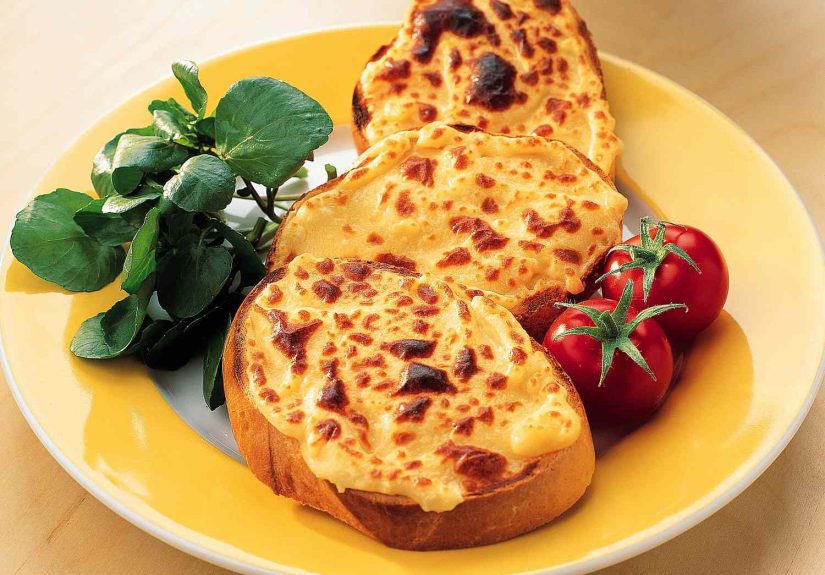
- Broil until bubbling. Broil for 1 to 3 minutes, watching closely, until the tops are bubbling and lightly browned in spots.
- Serve hot. Garnish with chives or parsley and serve immediately.
This easy Guinness rarebit recipe makes an excellent lunch, quick dinner, or weekend brunch centerpiece. Add a fried egg and suddenly it looks like you planned your life beautifully.
How to Keep the Sauce Smooth and Glorious
1. Grate your own cheese
Pre-shredded cheese often contains anti-caking agents that can make the sauce less smooth. Freshly grated cheddar melts more cleanly and gives the rarebit a better texture.
2. Use low heat once the cheese goes in
High heat is how you end up with a split, oily sauce and a suspicious expression on your face. Once the cheese starts melting, keep the temperature gentle and stir patiently.
3. Do not drown the sauce in stout
Guinness should support the cheese, not body-slam it. Too much beer can overpower the cheddar and make the mixture overly loose or bitter.
4. Toast the bread before topping
This is not optional if you value structure. Toasting creates a firm base so the bread holds the sauce instead of dissolving under it.
5. Broil briefly, not forever
You are looking for bubbling and a few browned spots, not a top that resembles volcanic ash. Rarebit moves fast under the broiler, so stay nearby.
Best Bread and Cheese for Guinness Rarebit
The ideal bread for a classic Irish rarebit recipe is sturdy, slightly chewy, and thick enough to support the topping. Sourdough is a favorite because its tang works with the beer and cheese. Country bread, brown bread, rye, and crusty farmhouse loaves also work beautifully.
As for cheese, sharp cheddar is the star. Irish cheddar has a particularly nice fit here because it brings a nutty, assertive flavor that stands up to Guinness without getting lost. A blend of sharp cheddar and a little Gruyère can make the topping extra creamy, but if you want the bold, classic profile, cheddar should remain in charge.
Think of the bread as the stage and the cheddar as the lead singer. Guinness is the bass player making everything cooler in the background.
Serving Ideas for Irish Guinness Rarebit
Rarebit is rich, so it loves contrast. A crisp green salad with sharp vinaigrette works well. So do roasted tomatoes, sautéed mushrooms, or pickled onions. If you want the full pub effect, serve it with a pint of stout, roasted potatoes, or a bowl of tomato soup.
For brunch, top each slice with a fried or poached egg. For dinner, pair it with bacon, ham, or grilled tomatoes. For midnight snacking, forget the rules and eat it standing at the counter while congratulating yourself on your excellent life choices.
You can also cut rarebit into smaller pieces for party food. It makes a terrific appetizer because people hear “beer cheese toast” and immediately stop pretending they were not hungry.
Variations Worth Trying
Rarebit with tomato
Add sliced tomato before the final broil for brightness and acidity.
Rarebit with egg
Top with a fried egg for a heartier version often associated with “buck rarebit.”
Spicy Guinness rarebit
Use extra cayenne, hot sauce, or spicy mustard if you want more kick.
Extra-onion version
Sauté a little finely chopped shallot or onion in the butter before adding flour for extra sweetness and depth.
Make-ahead option
You can prepare the cheese mixture in advance and refrigerate it. Reheat gently before spooning it onto toast. That makes this Irish cheese toast recipe surprisingly practical for entertaining.
Common Mistakes to Avoid
- Using weak cheese: mild cheddar disappears under Guinness.
- Skipping the toast step: soggy bread ruins the magic.
- Overheating the sauce: this can make it grainy or oily.
- Adding too much beer: the sauce should taste balanced, not boozy and bitter.
- Walking away from the broiler: rarebit waits for no one.
In short, treat the sauce gently, use bold cheese, and keep one eye on the oven. Rarebit rewards attention, and it punishes overconfidence with impressive speed.
Experience the Dish: Why Guinness Rarebit Feels Bigger Than Toast
There are recipes you make because you are hungry, and there are recipes you make because you want the kitchen to feel like somewhere people gather on purpose. Classic Irish Guinness Rarebit belongs to the second group. It is not complicated, but it has presence. The moment butter hits the pan and stout meets mustard, the room smells like comfort with a better vocabulary.
One of the most charming things about rarebit is how quickly it changes the mood of a meal. Toast alone is ordinary. Cheese alone is delightful but maybe not a full plan. Guinness alone is a drink. Put them together, and suddenly it feels as if you are in a snug pub somewhere while rain taps politely at the windows. That is a lot of emotional return for a few pantry ingredients.
It is also the kind of dish that surprises people. Someone hears “cheese on toast” and expects something basic. Then they take a bite and find layers: the roasted depth of stout, the tang of mustard, the salty edge of Worcestershire, the nutty bite of aged cheddar, the crunch of the bread underneath. It is familiar and dramatic at the same time, which is a difficult trick unless you are either a great cook or a very theatrical aunt.
Guinness rarebit also has a social superpower: it feels generous. When a tray comes out of the oven bubbling and bronzed, nobody says, “Oh, neat.” They lean in. They hover. They ask whether there is more. Even people who claim they just want a tiny piece somehow end up with a full slice and absolutely no regrets. It is a wonderful dish for low-pressure entertaining because it looks rich and tastes impressive without demanding restaurant-level effort.
For many home cooks, the experience of making rarebit is part of the appeal. There is something deeply satisfying about whisking a plain-looking saucepan of butter and flour into a glossy, savory cheese sauce. It feels old-school in the best way. No trendy gadgets, no obscure powders, no ingredients harvested under a full moon. Just technique, timing, and enough common sense to keep the heat low when the cheese goes in.
It is especially good for gray afternoons, lazy weekends, and evenings when dinner needs to feel cozy fast. A bowl of soup and a salad can turn it into a full meal, but it also stands proudly on its own. Add a fried egg, and it becomes brunch. Cut it into strips, and it becomes party food. Eat it over the sink because you could not wait another 30 seconds, and it becomes a private victory.
There is also a nostalgic quality to rarebit, even for people who did not grow up eating it. Maybe that is because toasted bread and melted cheese tap into some universal memory of comfort. Or maybe it is because the dish feels like something passed down, even when you are learning it for the first time. Either way, it has that rare ability to feel both new and already beloved.
And then there is the final moment: the broiler does its work, the top freckles and bubbles, and you pull the tray out just before it goes too far. The smell is outrageous. The first bite is hot enough to remind you to be patient, which you will ignore. The crust crackles, the sauce stretches slightly, and the stout lingers in the background like a very competent backup singer. That is the magic of Guinness rarebit. It is simple food with a grand little soul.
Final Thoughts
If you love recipes that deliver maximum comfort with minimal fuss, this Classic Irish Guinness Rarebit Recipe deserves a permanent place in your rotation. It is easy enough for a weeknight, cozy enough for a rainy Saturday, and impressive enough to serve to guests who think “toast” sounds underdressed. With sharp cheddar, good bread, and just enough Guinness, you get a rich, savory dish that tastes far bigger than the effort it requires.
So yes, it is technically cheese on toast. But it is also much more than that. It is pub food, comfort food, brunch food, and “I need something wonderful right now” food. Which, frankly, is a category every kitchen should respect.