Table of Contents >> Show >> Hide
- What Exactly Are Hemorrhoids?
- Why Coconut Oil for Hemorrhoids?
- Benefits of Coconut Oil for Hemorrhoids
- How to Use Coconut Oil for Hemorrhoids
- Important Safety Notes and Limitations
- When to See a Doctor About Your Hemorrhoids
- Pairing Coconut Oil with Proven Hemorrhoid Care
- Real-Life Style Experiences with Coconut Oil for Hemorrhoids
If you’ve ever spent quality time googling “why does my butt hurt” (no judgment), you’re not alone. Hemorrhoids are incredibly common, and lots of people are curious whether simple home remedies like coconut oil can actually help. The short answer: coconut oil may soothe hemorrhoid symptoms such as itching, irritation, and mild pain but it’s a helper, not a miracle cure, and it should live alongside proven hemorrhoid treatments, not replace them.
In this guide, we’ll break down what hemorrhoids are, how coconut oil might help, how to use it safely, and when it’s time to skip the DIY approach and call your doctor. We’ll also walk through practical, everyday tips and real-life style experiences to help you use coconut oil in a smart, realistic way.
What Exactly Are Hemorrhoids?
Hemorrhoids are swollen veins in the lower rectum or around the anus. Think of them as varicose veins, just in a much less Instagrammable location. They can be:
- Internal hemorrhoids – Inside the rectum. These may bleed but usually don’t hurt unless they prolapse (bulge outward).
- External hemorrhoids – Under the skin around the anus. These are more likely to itch, burn, and hurt, especially when sitting or during bowel movements.
- Thrombosed hemorrhoids – A clot forms in the hemorrhoidal vein. These are often very painful and usually require professional evaluation.
Standard medical guidance says the first line of treatment should focus on lifestyle changes: more fiber, more water, less straining, warm sitz baths, and sometimes over-the-counter creams or suppositories. These basics help many people get relief without procedures.
Why Coconut Oil for Hemorrhoids?
Coconut oil is a popular home remedy for all kinds of skin and irritation issues, and hemorrhoids are no exception. While research is limited, especially for hemorrhoids specifically, there are a few reasons coconut oil has become a go-to natural option:
- Moisturizing and barrier support: Coconut oil is an emollient, meaning it helps soften and moisturize skin and can form a light protective barrier. That’s useful in an area that deals with friction, wiping, and occasional overenthusiastic toilet paper usage.
- Anti-inflammatory properties: Coconut oil contains fatty acids, including lauric acid, which may contribute to anti-inflammatory effects. That could help ease swelling and redness around external hemorrhoids.
- Antimicrobial activity: Some lab studies show coconut oil has mild antibacterial and antifungal properties. While that doesn’t make it a disinfectant, it may provide a cleaner environment for irritated skin.
- Lubrication: As a natural oil, coconut oil can reduce friction during bowel movements, potentially decreasing irritation when stool passes over sensitive tissue.
There has even been a small study in pregnant people suggesting that coconut oil ointment helped relieve mild hemorrhoid symptoms better than lifestyle changes alone. However, this is early evidence and not a universal stamp of approval. More research is needed, and coconut oil is not an official “medical” treatment for hemorrhoids.
Benefits of Coconut Oil for Hemorrhoids
When used correctly, coconut oil may offer several symptom-relief benefits:
1. Soothing Itching and Irritation
Itching around the anus is one of the most annoying hemorrhoid symptoms. Coconut oil’s moisturizing properties can help reduce dryness and the urge to scratch. Keeping the skin hydrated also supports the skin barrier, which is important when the area is frequently wiped or cleaned.
2. Helping with Mild Swelling and Discomfort
Because coconut oil may have mild anti-inflammatory effects, some people report less swelling and a calmer, less “hot” feeling after applying it. The cooling sensation of the solid-at-room-temperature oil melting on the skin can also feel soothing.
3. Reducing Friction During Bowel Movements
A big trigger for hemorrhoid pain is the passage of stool over already-irritated tissue. A light layer of coconut oil can act like a gentle lubricant, helping stool glide more easily and potentially reducing micro-tears and friction.
4. Supporting Gentle Cleanliness
If you’re using plain, unfragranced wipes or soft toilet paper, you can follow up with a thin layer of coconut oil to help clean residual stool and protect the skin. Just don’t use heavily scented wipes, which can add irritation on top of irritation.
Again, it’s important to stress that these are symptom-relief perks. Coconut oil doesn’t “shrink” hemorrhoids in the way that some medicated OTC creams are designed to do, and it doesn’t address root causes like chronic constipation or prolonged straining.
How to Use Coconut Oil for Hemorrhoids
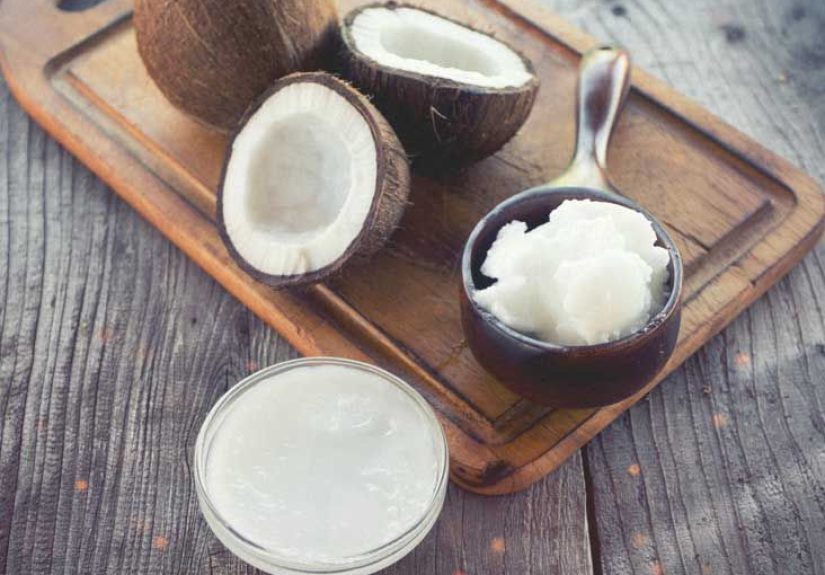
Before you start, choose unrefined, virgin coconut oil whenever possible. It’s typically less processed and closer to its natural composition. Always make sure the product is meant for topical or food use and avoid anything with added fragrances or irritating additives.
1. Direct Topical Application
This is the simplest and most common method for external hemorrhoids.
- Clean the area gently: After a bowel movement, rinse with lukewarm water or use fragrance-free, alcohol-free wipes. Pat dry with a soft towel; don’t rub.
- Wash your hands: Always start with clean hands to avoid introducing bacteria.
- Apply a thin layer: Take a small amount of solid coconut oil, let it soften between clean fingers, and gently dab it on the external hemorrhoid area. No need to slather; a thin film is enough.
- Frequency: You can apply 2–3 times per day and after bowel movements, as tolerated.
If you notice more irritation, burning, or redness, stop using it and wash the area with mild soap and water. Some people can be sensitive or allergic to coconut oil.
2. Coconut Oil Sitz Bath
Warm sitz baths (soaking the buttocks and hips in a few inches of warm water) are a standard self-care strategy for hemorrhoids. You can optionally add a small amount of coconut oil for extra moisture.
- Fill a clean bathtub or sitz bath basin with a few inches of warm (not hot) water.
- Add about 1/4 to 1/2 cup of coconut oil.
- Stir the water to disperse the oil.
- Sit and soak the anal area for about 10–15 minutes.
- Pat dry carefully afterwards; the tub may be slippery, so watch your step.
This combo of warmth plus oil can help relax the muscles, reduce discomfort, and leave the skin feeling smoother and less irritated.
3. Coconut Oil “Suppository” for Mild Internal Relief
Some people make small coconut oil “plugs” by chilling it in the fridge and inserting a tiny, bullet-shaped piece into the rectum. This may lubricate internal tissue and ease stool passage.
However, this method isn’t for everyone. If you have significant bleeding, severe pain, or known anal or rectal conditions, you should talk with a healthcare professional before trying this. Avoid DIY suppositories if you have a history of allergic reactions, infections, or if your provider has advised against inserting anything rectally.
4. Using Coconut Oil in Your Diet
Some people wonder if eating coconut oil can help hemorrhoids from the inside out. While there is no strong evidence that dietary coconut oil directly treats hemorrhoids, it may:
- Provide fat that can sometimes help soften stool slightly, especially when combined with a higher-fiber diet.
- Support overall calorie intake if you’re under-eating due to pain or anxiety around bowel movements.
That said, don’t go overboard. Coconut oil is high in saturated fat, and large amounts may not be ideal for heart health or overall calorie balance. If you want to include it, do so in moderation and focus primarily on fiber and hydration to improve bowel habits.
Important Safety Notes and Limitations
Coconut oil is generally considered safe for most people when used on intact skin, but a few precautions matter:
- Allergic reactions: If you’ve ever had a reaction to coconut or coconut-derived products, skip this remedy.
- Avoid on broken or infected skin unless advised: If the area looks severely raw, has pus, feels hot to the touch, or you have a fever, seek medical advice rather than experimenting with home treatments.
- Not a cure-all: Coconut oil may reduce symptoms, but it does not fix underlying issues such as chronic constipation, pregnancy-related pressure, obesity, or prolonged sitting.
- Limited research: Most of the support for coconut oil and hemorrhoids comes from traditional use, anecdotal reports, and a very small amount of early research. It’s best to think of it as a comfort measure rather than a proven medical therapy.
If you’re pregnant, breastfeeding, or have other medical conditions, talk with your healthcare provider before starting any home treatment, even something as “simple” as coconut oil.
When to See a Doctor About Your Hemorrhoids
Natural remedies are great, but there are clear situations where you shouldn’t DIY your way through hemorrhoids:
- Persistent or heavy rectal bleeding
- Black, tarry, or maroon-colored stools
- Severe or sudden anal pain, especially if a hard lump appears
- Symptoms that don’t improve after a week or two of home care
- Unintentional weight loss, changes in bowel habits, or fatigue
Hemorrhoid-like symptoms can sometimes overlap with more serious issues, including anal fissures, inflammatory bowel disease, or colon cancer. A clinician can examine you, confirm the diagnosis, and recommend treatments ranging from stronger topical meds to minimally invasive procedures, if needed.
Pairing Coconut Oil with Proven Hemorrhoid Care
The smartest way to use coconut oil for hemorrhoids is as part of a larger, evidence-based plan. Consider these foundational steps:
- Boost your fiber intake: Aim for about 20–30 grams of fiber per day from foods like fruits, vegetables, whole grains, beans, and nuts. A fiber supplement (like psyllium or methylcellulose) may help if you’re not meeting your targets through diet.
- Drink enough fluids: Water helps fiber do its job and keeps stool softer and easier to pass.
- Avoid straining: Don’t hold your breath or push hard during bowel movements. Answer nature’s call when it comes; don’t sit on the toilet scrolling social media for 20 minutes.
- Use sitz baths: Warm soaks a couple of times per day can reduce pain and swelling.
- Consider OTC treatments: Medicated creams, ointments, or suppositories designed for hemorrhoids may offer more targeted symptom relief. Ask a pharmacist or healthcare provider which is right for you.
Then, add coconut oil as a gentle, soothing extra for example, using a thin layer after sitz baths or bowel movements. That way, you’re stacking comfort measures on top of proven strategies that address what’s causing your hemorrhoids in the first place.
Real-Life Style Experiences with Coconut Oil for Hemorrhoids
Everyone’s body is a little different, but common patterns emerge when people talk about their experiences using coconut oil for hemorrhoids. Here are a few composite “everyday” examples that capture what many people report, along with what realistically seems to work best.
The “Why Didn’t I Try This Sooner?” Moment
Imagine someone who’s been dealing with mild external hemorrhoids off and on for years. They’ve tried the usual over-the-counter creams and are tired of the medicated smell and sticky texture. One day, they dab on a thin layer of coconut oil after a warm bath. Within minutes, the itching calms down, the tight, stretched feeling eases, and they can sit through a meeting without squirming.
Over the next week, they keep up with sitz baths, fiber supplements, and more water, and add coconut oil after each bath and bowel movement. The combination works better than anything they’ve tried solo. The hemorrhoid doesn’t vanish overnight, but life feels bearable again.
The “Too Much of a Good Thing” Lesson
Now picture someone who reads online that coconut oil is amazing and decides that if a little is good, a lot must be better. They slather it on multiple times a day, wear tight synthetic underwear, and skip proper cleaning because “the oil will protect everything.”
Within a few days, the area feels greasy and uncomfortable, and they notice more irritation. In reality, the excess oil, trapped heat, and lack of airflow made the area a bit more vulnerable, not less. When they pull back to a thin layer after gentle cleaning and start wearing breathable cotton underwear, things improve again.
Using Coconut Oil as a Confidence Booster
For some people, hemorrhoids cause a lot of anxiety and embarrassment. They may feel nervous about going out, working, or traveling because they’re worried about pain or itching striking at the worst moment. Using coconut oil as a small but reliable comfort measurelike applying it before leaving the house or before a long car ridecan give a mental boost.
It’s not just about what the oil physically does. It’s also about the feeling that you have a simple, gentle tool in your self-care toolkit. That can make it easier to stick with other healthy habits like eating more fiber, taking breaks to stand up from your desk, and responding promptly when nature calls.
Combining Coconut Oil with Professional Care
Another common experience is someone who has more stubborn hemorrhoids that require medical attentionmaybe rubber band ligation or another office procedure. After treatment, their doctor gives standard instructions: use sitz baths, keep the area clean and dry, avoid straining, and possibly use certain creams.
As healing progresses, they ask whether they can use coconut oil for lingering dryness or mild itching. With a doctor’s okay, they use tiny amounts on the external skin only, a couple of times per day. The result is a smoother, more comfortable healing process with less “dragging” or pulling feeling when they walk or sit.
Knowing When Coconut Oil Isn’t Enough
Finally, some people discover that while coconut oil is soothing, it doesn’t touch the main issue. If someone has frequent bleeding, strong pain, or large prolapsing hemorrhoids, coconut oil might feel nice on the skinbut the underlying condition still demands proper medical care.
In these cases, the important “experience” is realizing that home remedies are supportive, not substitutes. Coconut oil can stay in the picture as a comfort measure, but the real game-changer may be diagnostic evaluation, lifestyle changes, and possibly procedural treatments guided by a specialist.
The bottom line? Coconut oil can be a helpful, inexpensive, and pleasantly simple part of your hemorrhoid-relief routine, especially for mild external symptoms. Just pair it with the basicsfiber, fluids, sitz baths, and good toilet habitsand stay in touch with a healthcare provider if your symptoms are severe, persistent, or worrisome.