Table of Contents >> Show >> Hide
- First, a quick reality check: what are MASLD and MASH?
- Why cultural food traditions should stay in the conversation
- The goal is not “diet food.” The goal is a better pattern.
- A practical plate formula that works across cuisines
- How to adapt cultural cuisines without losing their soul
- Foods and habits that deserve a side-eye
- What about coffee, alcohol, and sweets?
- Movement matters even before the scale changes
- When lifestyle changes are not the whole story
- Experience stories: what this can look like in real life
- Conclusion
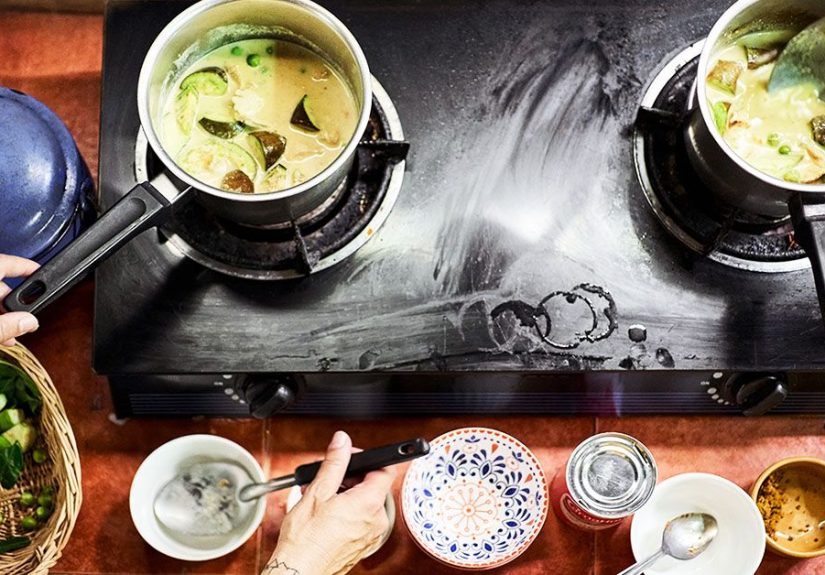
Getting diagnosed with MASLD or MASH can feel like someone barged into your kitchen, looked into your favorite pot, and said, “Absolutely not.” That is a terrible way to approach food, health, and culture. And frankly, it is not very useful. If your meals carry family stories, holiday memories, migration history, and the unmistakable smell of home, you should not have to choose between liver health and your identity.
The better goal is not to erase your food traditions. It is to reshape the pattern around them. That means keeping the herbs, spices, cooking methods, and dishes that matter to you while adjusting portions, ingredients, frequency, and balance. In real life, managing MASLD and MASH is usually less about banning “ethnic food” and more about eating in a way that lowers excess calories, added sugar, refined carbs, and saturated fat while supporting weight management, blood sugar control, heart health, and liver health.
In other words: your grandmother’s soup is probably not the villain. The oversized portions, sugary drinks, constant restaurant meals, and “special occasion” dessert that somehow became a Tuesday habit may be more suspicious.
First, a quick reality check: what are MASLD and MASH?
MASLD stands for metabolic dysfunction-associated steatotic liver disease. It happens when too much fat builds up in the liver in people whose condition is not driven by heavy alcohol use. MASH, or metabolic dysfunction-associated steatohepatitis, is the more serious form, where liver fat comes with inflammation and damage that can progress to scarring. Many people with MASLD also have conditions like insulin resistance, type 2 diabetes, high blood pressure, high cholesterol, excess abdominal weight, or all of the above showing up like uninvited relatives.
The good news is that lifestyle changes still matter a great deal. Even moderate, steady improvements in eating patterns, movement, sleep, and weight can help reduce liver fat and improve overall metabolic health. The key word there is steady. Crash diets are not heroic. Your liver is not impressed by suffering.
Why cultural food traditions should stay in the conversation
Food is never just fuel. It is language, memory, religion, hospitality, geography, and comfort. Telling people to “just eat grilled chicken and salad” ignores reality and usually fails in the long run. It is much smarter to work with the foods people already love.
Many traditional food patterns are healthier than they get credit for. Beans, lentils, greens, fish, fermented foods, herbs, spices, corn, oats, barley, millet, tofu, chickpeas, vegetables, and fruit all show up in heritage cuisines around the world. The problem is often not the traditional base. It is the modern add-ons: supersized portions, sweet drinks, deep frying everything in sight, heavy use of processed meats, refined flour, convenience snacks, and desserts that stopped being occasional years ago.
That is why liver-friendly eating does not require cultural surrender. It requires strategy.
The goal is not “diet food.” The goal is a better pattern.
Keep the flavor, change the framework
A smart approach to MASLD and MASH usually looks like this:
- Keep the traditional dish, but shrink the portion that is heavy in white rice, fried starches, creamy sauces, or fatty cuts of meat.
- Increase vegetables, beans, lentils, or other high-fiber foods already familiar in your cuisine.
- Choose leaner proteins more often, such as fish, skinless poultry, tofu, tempeh, or legumes.
- Use healthier fats like olive oil, avocado, nuts, seeds, or traditional plant oils in moderate amounts.
- Cut back on sugary drinks, sweet teas, sweetened coffee drinks, juice-heavy beverages, and desserts that quietly drive calorie overload.
- Cook traditional meals more often at home, where you can control salt, sugar, oil, and portion size.
That is not boring. That is tactical. And tactical food still tastes good.
A practical plate formula that works across cuisines
If you want one simple rule that translates across cultures, use this: aim for half the plate from non-starchy vegetables, one quarter from protein, and one quarter from starch or grain. This does not mean every plate must look like a textbook diagram. It means the overall balance of the meal should move in that direction most of the time.
For example, that quarter of starch can be brown rice, corn tortillas, sweet potato, millet, barley, farro, plantain, soba, beans, lentils, or a smaller portion of the white rice or noodles you already love. The protein can be grilled fish, chicken, tofu, eggs, shrimp, yogurt, beans, or lentils. The vegetable half can come from stir-fried bok choy, cabbage slaw, sautéed okra, tomato-cucumber salad, braised greens, roasted peppers, mushroom dishes, vegetable soup, or literally anything green, orange, red, purple, or respectable.
This kind of balance supports fullness, improves fiber intake, helps with blood sugar control, and makes it easier to eat fewer excess calories without feeling punished.
How to adapt cultural cuisines without losing their soul
Latin American meals
Traditional Latin American eating patterns already offer a lot to work with: beans, corn, squash, avocado, fish, herbs, fruit, soups, and vegetable-based dishes. Instead of eliminating arroz con pollo, try using more vegetables, less oil, and a smaller scoop of rice. Keep the black beans. They are your friend. For tacos, keep the corn tortillas, but think more grilled fish, chicken, or beans and less fried filling and heavy crema. For tamales or empanadas, treat them as part of the meal, not the whole event. Add a side salad, bean dish, or broth-based soup so the plate has better balance.
If sweet bread, flan, or tres leches is deeply tied to family gatherings, keep it for meaningful moments. Just stop pretending it has to appear every afternoon because “someone brought it.” That is not heritage. That is office sabotage.
Asian meals
Asian cuisines can also be adapted beautifully without becoming bland wellness wallpaper. Rice and noodles do not have to disappear, but portions may need to shrink while vegetables and protein grow. Think a smaller rice bowl with salmon, tofu, chicken, or edamame plus stir-fried greens, mushrooms, cabbage, or eggplant. Broth-based soups, tofu dishes, steamed fish, seaweed, fermented vegetables, and legume-based foods can all fit very well into a liver-supportive pattern.
The places to watch are sugary beverages, milk tea loaded with syrup, extra-sweet sauces, oversized noodle portions, and frequent fried sides. A bowl of congee can still work, especially when paired with eggs, fish, tofu, and vegetables rather than a parade of fried extras. Flavor comes from ginger, garlic, chilies, scallions, vinegar, citrus, curry, miso, herbs, and spices, not just sugar and oil.
African, Caribbean, and Southern meals
These traditions are full of nutrient-dense staples: beans, peas, okra, greens, yams, fish, stews, millet, sorghum, peanuts, and vibrant vegetable dishes. The move is not to abandon the cuisine. It is to rebalance it. That may mean cooking greens with less fatty meat, choosing smoked turkey or a lighter seasoning base, baking or grilling fish or chicken instead of frying more often, and keeping rice-and-pea dishes to a reasonable portion while building the rest of the meal around vegetables and legumes.
Plantains, dumplings, cornbread, mac and cheese, or sweet desserts can still have a seat at the table. They just should not take over the whole table and start signing the guest book as “main character.”
Middle Eastern and Mediterranean-style meals
This is often one of the easiest frameworks for MASLD and MASH because it naturally features vegetables, legumes, yogurt, herbs, olive oil, fish, lentils, chickpeas, and grilled foods. Keep dishes like lentil soup, tabbouleh, grilled kebabs, hummus, bean salads, roasted vegetables, and yogurt-based sauces. Watch portions of white pita, pastries, sweet drinks, and richer meat dishes. The flavor profile stays intact even when the plate becomes more vegetable-forward and less dessert-forward.
Foods and habits that deserve a side-eye
If you are trying to support liver health, some patterns matter more than individual “superfoods.” Here is where many people get tripped up:
- Sugary drinks: soda, sweet tea, energy drinks, heavily sweetened coffee drinks, fruit punches, and giant juice servings are major troublemakers.
- Large portions of refined carbs: white rice, white bread, noodles, pastries, crackers, and chips are easier to overeat than most people realize.
- Frequent fried foods: delicious, yes. Helpful for MASLD or MASH, no.
- Processed meats: sausages, hot dogs, bacon, salami, and heavily processed deli meats should be less frequent guests.
- All-or-nothing dieting: this leads to burnout, rebound eating, and the emotional belief that one meal “ruined everything.” It did not.
Also, your liver does not need a cleanse, detox tea, or a mystery powder sold by someone who says “biohack” too often. What it needs is a sustainable pattern of eating, movement, sleep, and medical follow-up.
What about coffee, alcohol, and sweets?
Unsweetened coffee may be a reasonable part of a liver-friendly routine for many adults, and some research suggests it may support liver health. The catch is that coffee turns less magical when it arrives dressed like dessert. If your “coffee” has whipped cream, syrup, caramel drizzle, and the sugar content of a small festival, the liver gets mixed messages.
Alcohol is trickier. If you have MASLD or MASH, many experts recommend avoiding it or keeping intake as low as possible, especially if there is inflammation or scarring involved. This is a good topic to personalize with your clinician rather than crowdsource from your funniest cousin.
Sweets do not need to vanish forever, but they do need boundaries. Keep dessert meaningful, not mindless. Smaller portions, less frequency, fruit-forward options, and sharing desserts are not tragic sacrifices. They are grown-up moves.
Movement matters even before the scale changes
Exercise helps even when weight loss is slow. Walking, dancing, cycling, swimming, strength training, gardening, or active housework can all count. You do not need to become the type of person who owns six water bottles and calls leg day “therapy.” You just need regular movement that you can actually maintain.
For many adults, a realistic target is at least 150 minutes of moderate-intensity activity each week, plus strength work a couple of days per week. That can be broken into shorter chunks. Ten-minute walks after meals, dancing while dinner cooks, or family walks after a holiday feast all count. In fact, turning movement into a tradition is one of the smartest ways to support the whole household.
When lifestyle changes are not the whole story
Some people with MASLD or MASH also need more structured medical support, especially if they have obesity, type 2 diabetes, high triglycerides, or evidence of liver fibrosis. That might include seeing a registered dietitian, following up with a hepatologist or gastroenterologist, getting lab work or imaging, or discussing medications that target weight or liver disease risk. Lifestyle still matters, but it does not have to do all the heavy lifting by itself.
And please, do not wait for dramatic symptoms. MASLD and MASH can be quiet for a long time. Feeling “mostly fine” is not a reliable liver test.
Experience stories: what this can look like in real life
The following are composite, realistic examples inspired by common patient experiences, not individual case reports.
One woman grew up in a Mexican American household where rice, beans, tortillas, pan dulce, and weekend family feasts were part of the rhythm of life. After learning she had MASLD, she feared she would have to abandon everything that made meals feel like home. Instead, she started with smaller rice portions, kept the beans, swapped sugary aguas frescas for sparkling water with lime most days, and learned to build tacos around grilled fish, nopales, cabbage, and salsa. She still had tamales during holidays. She just stopped treating every random Thursday like a holiday. Over time, the change felt less like restriction and more like reclaiming control.
A second person, a busy father from a Vietnamese family, assumed his rice-based meals were the whole problem. But when he looked closely, the bigger issue was sweet coffee drinks, late-night takeout, giant noodle portions, and almost no physical activity outside work. He kept rice in his routine, but made the bowl smaller and the vegetables bigger. He added tofu, fish, and greens more often, cut back on fried sides, and started walking for 15 minutes after dinner with his kids. That walk became their best daily conversation time, which turned a “health plan” into a family ritual instead of a solo punishment.
Another person came from a Southern Black family where hospitality meant full plates and second helpings. She worried that changing her food would feel disrespectful. What helped was reframing the goal: she was not rejecting her culture, she was protecting her future inside it. Greens stayed. Black-eyed peas stayed. Roast chicken stayed. Cornbread stayed too, just not in slab form. She used less processed meat in vegetables, cooked more at home, and saved richer desserts for Sundays and celebrations instead of nightly stress relief. Her family eventually adapted because the food still tasted like home. It just stopped leaving everyone in a food coma.
These experiences share the same lesson: people succeed when the plan respects their real life. The most sustainable changes are usually the least dramatic ones. A smaller bowl. A daily walk. Fewer sweet drinks. More beans. More vegetables. More cooking at home. Less guilt. Less perfectionism. More repetition. That is what progress often looks like when managing MASH or MASLD without losing the foods that matter most.
Conclusion
Managing MASLD and MASH does not mean betraying your culture or giving up the foods that connect you to family, memory, and identity. It means building a smarter pattern around them. Keep the spices. Keep the stories. Keep the dishes that make the table feel like yours. Then edit the parts that work against your liver: oversized starch portions, sugary drinks, frequent fried foods, heavy processed meats, and everyday desserts masquerading as tradition.
If you approach liver health with flexibility instead of fear, your food traditions can become part of the solution. That is the real win: not eating like a stranger in your own kitchen, but eating like yourself with a better game plan.