Table of Contents >> Show >> Hide
There comes a point in life when the phrase “I should exercise more” starts sounding less like a goal and more like a scolding. The good news? Exercise does not have to mean grunting through burpees, glaring at a treadmill, or buying stretchy gear you secretly resent. For many older adults, dancing is one of the most enjoyable ways to stay active, improve balance, lift mood, and make movement feel like a treat instead of a chore.
Dancing for seniors is not about nailing a dramatic dip in the living room or auditioning for a TV dance competition. It is about moving in a way that feels safe, social, and sustainable. Whether that means ballroom, line dancing, low-impact cardio dance, chair dancing, or simply swaying around the kitchen to a song you loved in 1978, it all counts. And yes, the kitchen absolutely counts as a dance floor.
In this guide, we will look at the real benefits of dancing for older adults, how to choose the right style, how to begin safely, and what a practical beginner routine can look like. If you have been curious about senior dance classes, home dance workouts, or low-impact dance exercise for older adults, this is your sign to stop overthinking and start shuffling.
Why Dancing Works So Well for Older Adults
It Improves Heart Health Without Feeling Like Traditional Cardio
One of the best things about dance exercise for seniors is that it can raise your heart rate without feeling like punishment. Many forms of dancing qualify as moderate-intensity aerobic activity, which means they can help support cardiovascular health, stamina, circulation, and overall energy. That matters even more with age, when staying active plays a major role in maintaining independence and reducing the risks that come with too much sitting.
In plain English: a dance session can help you breathe a little deeper, get the blood moving, and make everyday activities feel easier. Climbing stairs, carrying groceries, and keeping up with energetic grandchildren all become less dramatic when your body is used to moving regularly. It is cardio with rhythm, which is a lot more charming than staring at a blinking machine timer and wondering if time has stopped.
It Supports Balance, Coordination, and Mobility
For older adults, balance is not just a fitness bonus. It is a quality-of-life issue. Dancing naturally trains coordination because it asks the body to shift weight, change direction, react to rhythm, and stay upright while moving through space. Even simple steps help challenge the body in useful ways.
This is one reason dancing for seniors can be such a smart form of movement. Many dance styles encourage footwork, posture, and controlled transitions from one move to the next. That can help older adults feel steadier and more confident. If you are worried about falls, stiffness, or just feeling wobbly on your feet, dance can be a practical and enjoyable way to work on those areas.
And if standing for long periods is not realistic, chair dancing offers an excellent alternative. Seated dance routines can still improve flexibility, circulation, coordination, and confidence while reducing the fear of losing balance. No one gets extra credit for ignoring what their body needs.
It Can Lift Mood and Support Brain Health
Dancing is movement plus music plus memory plus attention. That combination is part of what makes it special. When older adults learn steps, follow patterns, react to rhythm, and match movement to music, the brain gets a gentle workout right along with the body.
Research on physical activity and participatory arts suggests that exercise and creative movement may support cognitive function, reduce stress, and improve well-being in older adults. That does not mean dancing is magic or that one cha-cha class will suddenly turn you into a crossword grandmaster. But it does mean dance offers something more layered than ordinary exercise. It asks the brain to stay engaged while the body moves, and that is a pretty powerful combination.
There is also the simple emotional boost that comes from music. A familiar song can wake up a room. It can stir memories, encourage movement, and make people smile before they have even stood up. That matters. Sometimes the hardest part of exercise is showing up. Music makes showing up easier.
It Brings a Social Benefit That Many Workouts Miss
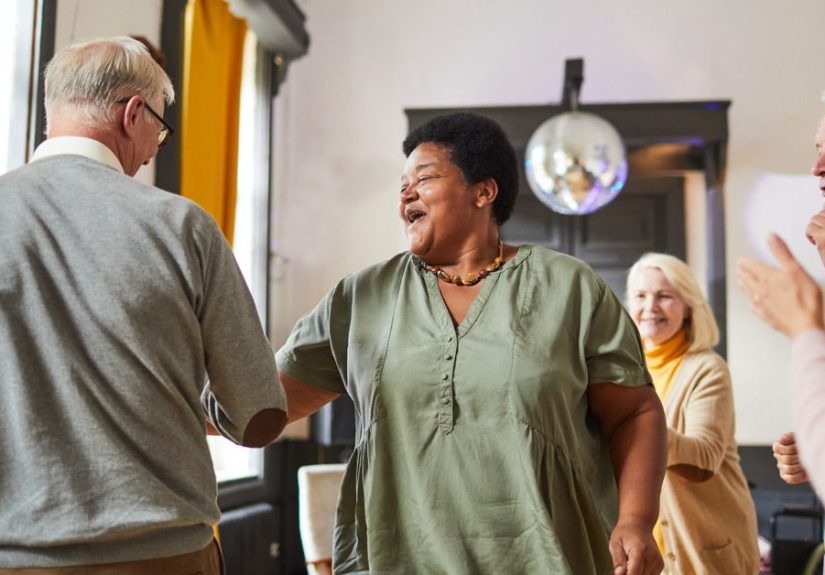
Walking alone is great. Stretching at home is great. But dancing has a built-in social advantage that many forms of exercise do not. It often happens with other people, in classes, community centers, church halls, senior centers, or living rooms packed with friends who insist they are “just here to watch” right before joining in.
That social connection matters for older adults. Group movement can help reduce isolation, increase motivation, and make it easier to stay consistent. It is a lot harder to skip a dance class when someone there knows your name and notices when you disappear. Social routines have a sneaky way of becoming healthy routines.
Even for people who prefer dancing at home, sharing music with a spouse, sibling, friend, or grandchild can turn movement into connection. Exercise stops feeling like one more item on the to-do list and starts feeling like part of life.
It Can Be Adapted to Different Abilities and Health Needs
Not every older adult wants the same kind of movement, and that is exactly why dance works. It is flexible. You can choose slow or lively, seated or standing, solo or partner-based, structured or freestyle. There are low-impact dance workouts, beginner ballroom classes, line dancing sessions, Zumba Gold classes, and chair dance routines designed specifically for seniors and people with limited mobility.
People with arthritis, mild balance concerns, or lower stamina can often participate with modifications. The key is choosing the right format and respecting your current fitness level. The best dance for seniors is not the trendiest one. It is the one you can do safely, comfortably, and often enough to make a difference.
How to Get Started With Dancing for Seniors
Start With Your Current Fitness Level, Not Your Former Glory Days
Many people over 60 make the same mistake when starting a new activity: they compare themselves to who they were at 30, 40, or 50. That version of you was great. This version of you still deserves a plan that fits today’s body.
If you have not been active for a while, start gently. If you have heart issues, dizziness, osteoporosis, diabetes, arthritis flare-ups, Parkinson’s disease, recent surgery, or major balance problems, it is smart to check in with a healthcare professional before jumping into a new routine. That is not a sign of weakness. That is a sign of wanting to keep all your important bones in their original arrangement.
Choose a Dance Style That Matches Your Needs
Not sure where to begin? Here are a few senior-friendly options:
- Line dancing: Great for beginners, easy to follow, social, and usually low impact.
- Ballroom dancing: Excellent for coordination, rhythm, posture, and partner connection.
- Zumba Gold or senior dance fitness: Designed for older adults with simpler choreography and lower intensity.
- Chair dancing: Ideal for limited mobility, balance concerns, or anyone who needs a more supported option.
- Freestyle dancing at home: Perfect if classes feel intimidating or you simply want a private dance floor and full control of the playlist.
If you are brand-new, choose something that feels approachable instead of impressive. The “best” class is the one you will actually return to next week.
Begin With Short Sessions
You do not need to start with a full hour. In fact, you probably should not. A smart starting point is 10 to 15 minutes, especially if your endurance is low or you are returning to exercise after a long break. As your stamina improves, you can add a few minutes at a time.
This slow build helps your body adapt and lowers the chance of overdoing it. It also protects motivation. Finishing a short session feeling good is far better than doing too much on day one and spending the next two days negotiating peace with your knees.
Warm Up and Cool Down Every Time
Before dancing, take five minutes to ease in. March in place, roll your shoulders, circle your ankles, and move your arms gently. After dancing, slow things down with easy walking, deep breathing, and light stretching. Warm-ups prepare the body. Cool-downs help you finish well. Skipping both is like throwing a dinner party and forgetting the chairs.
Use Basic Safety Rules
Senior fitness does not need to be complicated, but it should be thoughtful. Wear supportive shoes. Dance on a flat, clutter-free surface. Keep water nearby. Use a sturdy chair or countertop for support if needed. If you feel chest pain, strong dizziness, nausea, unusual shortness of breath, or sudden pain, stop and get medical advice.
If you take medications that affect balance, blood pressure, or blood sugar, be extra aware of how you feel during and after activity. Your body gives useful feedback when you listen to it.
A Simple Beginner Weekly Plan
If you want structure, here is a realistic starter routine for dancing over 60:
- Monday: 10 to 15 minutes of easy dancing at home plus 5 minutes of stretching
- Tuesday: Short walk or chair exercises
- Wednesday: 15 to 20 minutes of line dancing or a beginner dance video
- Thursday: Light strength work such as resistance bands or sit-to-stand practice
- Friday: 15 minutes of dance plus balance practice using a chair for support
- Saturday: Social dance class, family dance time, or another easy session at home
- Sunday: Rest, recovery, or gentle stretching
This kind of plan helps you combine aerobic movement, strength, and balance across the week. That is important because healthy aging is not about one perfect workout. It is about creating a rhythm you can maintain.
Common Concerns Older Adults Have About Dancing
“I Have No Rhythm”
That is fine. Rhythm is helpful, not mandatory. Plenty of people begin dancing with the coordination of a shopping cart on a cracked sidewalk. Improvement comes with repetition. The point is movement, not perfection.
“I Feel Too Old to Start”
Older adults can still learn new skills. In fact, trying something new can be one of the most rewarding parts of aging. You do not age out of joy, movement, or the right to look slightly dramatic while swaying to Motown.
“My Joints Are Stiff”
Then a gentle, low-impact style may be exactly what you need. The key is choosing the right pace and modifying when necessary. Small movements done consistently often beat big heroic efforts done once.
“I’m Afraid of Falling”
That fear is valid, and it should shape your starting point. Use chair-based dance, practice near a counter, choose supportive shoes, and begin with slow movements. You do not need to leap around the room to benefit. Safe movement still counts.
Tips for Making Dance a Lasting Habit
First, make it fun. Pick music you genuinely like. A playlist matters more than people admit. Nobody suddenly becomes committed to exercise because a stranger recommended bland background music.
Second, make it visible. Leave your shoes out. Mark dance time on the calendar. Join a weekly class. When movement becomes part of the routine, it stops requiring quite so much negotiation.
Third, celebrate consistency, not intensity. A 15-minute dance session done four times a week beats one overambitious class followed by six days of recovery and regret. Progress in senior fitness usually looks steady and boring before it looks dramatic. That is normal. That is also how it lasts.
What Dancing Can Feel Like in Real Life After 60
One of the most overlooked parts of dancing for seniors is the experience itself. Not the clinical list of benefits, not the official guidelines, but the human side of it. What does it actually feel like when an older adult begins dancing regularly?
For many people, it starts with hesitation. There is often a little self-consciousness, a little stiffness, and at least one thought along the lines of, “I hope nobody expects me to spin.” The first few sessions may feel awkward. Feet forget what the brain is trying to remember. Arms do their own thing. Timing gets weird. Someone turns left while everyone else turns right. This is called being a beginner, not being a disaster.
Then something shifts. A person who felt cautious starts feeling curious. The warm-up gets easier. Standing a little taller feels natural. The body begins to trust the movement. What used to feel like “exercise” starts feeling more like participation. More like play. More like having a reason to get dressed and go somewhere.
Many older adults describe a renewed sense of confidence once dancing becomes part of the week. Not because they suddenly become polished performers, but because moving well changes how daily life feels. Walking can feel smoother. Getting out of a chair can feel less effortful. Balance can feel less shaky. The body may not be younger, but it often feels more available.
There is also the emotional change. A dance class can give structure to the week and something to look forward to. For retirees, widows, widowers, or anyone adjusting to a quieter season of life, that matters. A standing weekly class can become more than exercise. It becomes routine, community, laughter, and conversation. People notice when you miss a class. They ask how you are doing. They recommend songs. They clap when you finally remember the step that confused you three Tuesdays in a row.
Even home dancing has its own kind of magic. A familiar song comes on. You move around the kitchen while dinner is in the oven. You do a gentle two-step while folding laundry. You sway while waiting for coffee to brew. It may not look glamorous, but it changes the feel of a day. Movement becomes less formal and more natural.
That is often the real secret. Dancing does not have to stay boxed inside a class. It can spill into ordinary life. It can show up in the hallway, at family gatherings, at weddings, during commercials, or anytime a great song refuses to be ignored. For many seniors, that is what makes dancing sustainable. It does not demand a separate identity as a “fitness person.” It simply invites movement back into the day.
And perhaps that is the best experience of all: not becoming a different person, but feeling more like yourself again. A little lighter. A little steadier. A little more willing to move when music starts. That is not a small thing. That is a meaningful win.
Conclusion
Dancing for seniors is one of the rare health habits that checks nearly every box. It can support heart health, balance, mobility, mood, confidence, and social connection. It can be adapted for beginners, modified for limited mobility, and done at home or in a group. Most importantly, it can be enjoyable enough to stick.
If you are wondering how to get started, keep it simple: choose a style that feels safe, begin with short sessions, use proper support, and let consistency do the heavy lifting. You do not need fancy moves, perfect rhythm, or a room full of mirrors. You just need music, a little space, and the willingness to begin.
At any age, movement matters. And if that movement comes with better balance, brighter mood, and a reason to smile halfway through a Tuesday afternoon, so much the better.