Table of Contents >> Show >> Hide
- Why a Coat Closet Makes the Perfect Mini Mudroom
- Inside the Makeover: From Boring Closet to Hidden Storage Beauty
- Design Details That Make the Mudroom Feel Expensive
- How to Plan Your Own Coat Closet Mudroom Conversion
- Best Features to Include in a Small Mudroom Makeover
- Budget-Friendly Ways to Get the Look
- Common Mistakes to Avoid
- Real-Life Experience: What This Closet-to-Mudroom Makeover Teaches Homeowners
- Conclusion: A Small Closet Can Make a Big First Impression
- SEO Tags
A coat closet is usually where good intentions go to take a nap. It starts as a noble little space for jackets, umbrellas, and maybe one respectable pair of boots. Then life happens. Backpacks multiply, shoes stage a rebellion, dog leashes tangle like spaghetti, and suddenly the closet looks less like storage and more like a tiny weather system.
That is exactly why the idea of turning a boring coat closet into a mudroom masterpiece feels so satisfying. It is not just a makeover; it is a household intervention with hooks, cubbies, cabinets, and a much better attitude. A smart mudroom closet makeover can transform an underused entryway into a hardworking drop zone for coats, shoes, bags, sports gear, pet supplies, and all the mysterious objects children bring home from school.
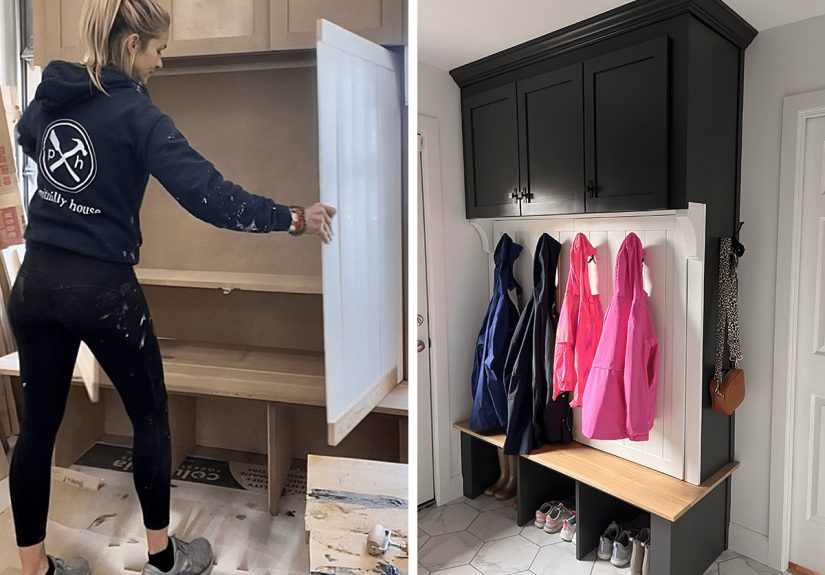
The project that inspired this trend shows what happens when a designer looks at an ordinary closet and sees potential instead of clutter. Designer Kiersten Brien of Pitmilly House transformed a basic coat closet into a polished hidden-storage mudroom with a built-in bench, upper cabinets, vertical shiplap, warm wood details, and clever concealed doors. The result is practical enough for real family life but stylish enough to make guests say, “Wait, this used to be a closet?”
Let’s break down why this coat closet mudroom conversion works, what design lessons homeowners can steal, and how even a small entryway can become a beautiful, organized landing zone.
Why a Coat Closet Makes the Perfect Mini Mudroom
Not every home has a full mudroom. In fact, many houses only offer a narrow hallway, a laundry-room corner, or a builder-grade closet near the front or garage entry. But here is the secret: a mudroom is not defined by square footage. It is defined by function.
A mudroom exists to catch the mess before it spreads. Shoes stop at the door. Jackets have a home. Bags do not end up on dining chairs. Keys do not disappear into a parallel universe. A coat closet already sits in the right place for that job, which makes it one of the best candidates for a small mudroom makeover.
The Problem With Traditional Coat Closets
Most standard coat closets are designed with one rod and one shelf. That setup may work if everyone in the house owns exactly one coat and behaves like a catalog model. Real homes are different. Families need zones for shoes, backpacks, hats, gloves, reusable bags, dog gear, umbrellas, sports equipment, and seasonal items.
A single closet rod wastes vertical space and makes daily items harder to reach. Shoes pile up on the floor. Small accessories vanish. Bulky coats crowd everything else. The closet may hide clutter, but it does not solve it.
The Mudroom Closet Advantage
When a designer converts a coat closet into a mudroom, the goal is to replace passive storage with active organization. Instead of one rod doing all the work, the closet gets a complete system: a bench for sitting, cubbies for shoes, hooks for coats and bags, shelves for baskets, and cabinets for items that should stay out of sight.
This layered approach makes the space easier to use every day. It also turns the entryway into a design feature instead of a clutter cave with hinges.
Inside the Makeover: From Boring Closet to Hidden Storage Beauty
The standout feature of this designer mudroom makeover is not just that it adds storage. Plenty of storage projects do that. The genius is that it blends storage with style so the room feels intentional, not improvised.
In the original project, the homeowners needed a family-friendly landing area for kids’ shoes, coats, and backpacks. The existing space included a laundry room and a sliding-door coat closet. Rather than forcing the family to clean up before planning the design, the designer looked at how the space actually functioned. That is an important lesson: the mess tells the truth.
If backpacks always land near the door, that is where backpack hooks belong. If shoes pile up under the coats, that is where cubbies or drawers should go. If winter hats spill everywhere, baskets are not optional; they are tiny woven superheroes.
The Built-In Bench
A built-in mudroom bench is one of the most useful upgrades in any entryway storage project. It gives people a place to sit while putting on shoes, which instantly makes the area feel more finished. Under the bench, open cubbies or baskets can hold everyday shoes, sandals, sports cleats, or pet-walking supplies.
For a coat closet conversion, the bench also visually anchors the design. It says, “This is no longer a closet with commitment issues. This is a real mudroom.”
The Middle Storage Zone
The middle of the wall is prime real estate. This is where hooks, shallow cabinets, or hidden doors can create the biggest daily impact. In the designer project, a shallow cabinet with concealed European-style hinges helped create hidden storage while keeping the look clean.
That detail matters because open storage is convenient, but too much of it can look chaotic. Hooks are excellent for frequently used coats and bags, but closed cabinets are better for items that are bulky, mismatched, or not exactly ready for their magazine close-up.
Upper Cabinets and Vertical Space
One of the biggest mistakes homeowners make in small mudrooms is ignoring the upper wall. The space above eye level is perfect for seasonal storage, extra paper towels, cleaning supplies, bike helmets, winter accessories, or rarely used gear.
Upper cabinets keep these items accessible without crowding the floor. In a closet-to-mudroom conversion, they also make the project look custom and built-in. The result is a small space that works much harder than its footprint suggests.
Design Details That Make the Mudroom Feel Expensive
A mudroom has to be practical, but practical does not have to mean plain. The best mudroom designs combine hardworking materials with details that feel warm, personal, and connected to the rest of the home.
Vertical Shiplap Adds Texture
Vertical shiplap is a popular choice for mudrooms because it adds architectural detail without overwhelming a small space. It also draws the eye upward, which can make a converted closet feel taller and more polished.
In hidden-storage designs, shiplap can do double duty by helping cabinet doors blend into the wall. When the lines continue across doors and panels, the storage becomes part of the architecture rather than a bulky add-on.
Wood Warms Up the Space
A wood bench top or shelf can soften the look of painted cabinetry and bring a natural element into the entryway. White oak, maple, pine, and stained plywood can all work depending on the budget and desired finish.
Wood is especially effective in a mudroom because the space often contains many hard surfaces: tile, painted trim, metal hooks, and cabinetry. A warm bench top keeps the design from feeling too sterile. It is the difference between “utility zone” and “welcome home.”
Dark Paint Creates Drama
Charcoal, navy, deep green, and warm black are popular choices for mudroom cabinets because they hide scuffs better than bright white and create a tailored look. Dark paint can make a small mudroom feel intentional and sophisticated, especially when paired with wood shelves or brass hardware.
If the entryway is very small or lacks natural light, balance darker cabinetry with lighter walls, a mirror, or warm lighting. The goal is moody, not cave-like. Unless cave-like is your personal brand, in which case, carry on.
Brass, Black, or Nickel Hooks Add Personality
Hooks are the unsung heroes of entryway storage. They are simple, affordable, and far easier for kids to use than hangers. Choosing attractive hooks in brass, matte black, polished nickel, or oil-rubbed bronze can make the entire mudroom feel designed.
For families, consider installing two hook heights: one for adults and one lower row for children. If kids can reach the hooks, there is at least a fighting chance their backpacks will not land in the middle of the floor like abandoned luggage.
How to Plan Your Own Coat Closet Mudroom Conversion
Before grabbing a pry bar and announcing, “I am a designer now,” pause and make a plan. A successful mudroom closet makeover begins with understanding what the space needs to hold, how the household enters and exits, and what level of mess you are willing to see.
Step 1: Empty the Closet and Sort Everything
Remove every item from the closet and group belongings by category. Coats, shoes, backpacks, umbrellas, hats, gloves, pet gear, sports equipment, cleaning supplies, and random objects should each have their own pile.
This step is humbling. You may discover six umbrellas, one lonely mitten, expired sunscreen, and a tote bag filled with tote bags. That is normal. Entryway closets are where miscellaneous items go to network.
Step 2: Decide What Belongs in the Mudroom
A mudroom should support daily life, not store every item you have ever owned. Keep everyday shoes, current-season outerwear, bags, keys, and grab-and-go essentials. Move off-season coats, rarely used gear, and sentimental clutter somewhere else.
The smaller the space, the stricter the edit. A closet mudroom works best when it is designed for what your family uses most often.
Step 3: Measure Carefully
Measure the closet width, depth, ceiling height, door opening, baseboards, outlets, vents, and any trim that may affect the design. If you plan to remove doors, check whether the casing needs repair. If you plan to add built-ins, locate studs before installing cleats, hooks, or cabinets.
For many homes, a bench height around standard chair height feels comfortable. Shoe cubbies should be deep enough for the largest shoes in the household. Hooks should have enough clearance so coats and bags do not fight each other for personal space.
Step 4: Choose Open and Closed Storage
The best mudroom storage systems mix open and closed elements. Open hooks and cubbies make daily items easy to grab. Closed cabinets and baskets hide visual clutter. A family with young children may need more open storage for quick routines, while a household that values a tidy look may prefer more doors and drawers.
A good rule: keep the most-used items visible and the least-attractive items concealed.
Best Features to Include in a Small Mudroom Makeover
A boring coat closet can become a mudroom masterpiece with a few smart features. You do not need a mansion-sized entryway or a contractor with a theme song. You need thoughtful storage and durable finishes.
Built-In Bench With Shoe Storage
This is the foundation of the makeover. Add cubbies, drawers, or baskets under the bench to keep shoes contained. If the closet is too narrow for a deep bench, consider a slimmer seat or a floating bench supported by wall cleats.
Hooks Instead of Hangers
Hooks are faster, easier, and more flexible than hangers. Use them for coats, purses, backpacks, hats, dog leashes, and reusable shopping bags. For a clean look, choose matching hooks and install them in a straight line or a balanced pattern.
Upper Shelves or Cabinets
Use the top of the closet for seasonal items, labeled bins, or closed cabinets. This keeps the floor clear and helps the mudroom feel organized from top to bottom.
Durable Flooring
Mudrooms deal with wet shoes, dirt, pet paws, and heavy traffic. Porcelain tile, ceramic tile, luxury vinyl plank, and other water-resistant materials are popular choices because they are durable and easy to clean. If you are not replacing the floor, add a washable rug or sturdy mat to protect the surface.
Good Lighting
Many closets are dim, which makes them feel cramped. Add a flush-mount light, sconce, battery-operated puck lights, or LED strip lighting to brighten the space. Good lighting also helps the design details shine, which is important after you have spent a weekend making sawdust and questioning your life choices.
Labels and Baskets
Baskets make open storage look calmer. Labels make it easier for everyone to maintain the system. A basket labeled “Hats and Gloves” is much more effective than a general basket of mystery fluff.
Budget-Friendly Ways to Get the Look
A custom built-in mudroom can be a major project, but a closet conversion can also be done on a smaller budget. The key is to focus on the upgrades that create the most function first.
Remove the Closet Doors
Taking off sliding or hinged closet doors can instantly make the entryway feel more open. If you still want concealment, consider adding cabinet doors to only part of the design or using baskets to soften the view.
Paint the Interior
Paint is one of the most affordable ways to make a closet feel intentional. A bold color, soft neutral, or durable semi-gloss finish can help the space look finished and withstand daily wear.
Add a Prefab Bench
If custom carpentry is not in the budget, place a storage bench inside the closet opening. Add hooks above it and baskets below. This creates the mudroom effect without building everything from scratch.
Use Ready-Made Cabinets or Shelving
Stock cabinets, cube organizers, floating shelves, and wall-mounted systems can create a built-in look for less. Trim and paint can help ready-made pieces blend with the wall.
Upgrade Hardware
New hooks, knobs, pulls, and hinges can make an inexpensive project look more custom. Hardware is like jewelry for a mudroom, except it also prevents your child’s backpack from becoming floor decor.
Common Mistakes to Avoid
A mudroom makeover should make life easier, not create a more attractive version of the same old mess. Avoid these common mistakes when converting a coat closet into a mudroom.
Ignoring Real Habits
Design for how your household actually behaves. If everyone drops shoes by the door, put shoe storage there. If mail piles up in the entryway, add a wall pocket or tray. A beautiful mudroom that ignores daily routines will fail quietly and then loudly.
Using Too Much Open Storage
Open storage is convenient, but too much of it can look messy. Balance hooks and cubbies with baskets, drawers, or cabinet doors.
Forgetting About Cleaning
Choose materials that can handle dirt, moisture, and frequent wiping. Mudrooms are not delicate rooms. They are the bouncers of the house.
Skipping a Prototype or Sketch
Even a simple drawing can prevent mistakes. Sketch the bench, hooks, shelves, and cabinets before building. Use painter’s tape on the wall to test heights and spacing. This helps you see whether backpacks will hang comfortably or crash into the bench like tiny fabric wrecking balls.
Real-Life Experience: What This Closet-to-Mudroom Makeover Teaches Homeowners
The biggest lesson from a coat closet mudroom conversion is that organization is not about buying more bins. It is about giving every daily item a logical place to land. In real homes, entryways work hard. They handle morning rushes, rainy afternoons, sports practices, grocery runs, school papers, pet walks, and guests who arrive five minutes after someone has dumped cleats by the door.
Homeowners who try this type of makeover often discover that the old closet was not too small; it was simply under-designed. A rod and shelf can store coats, but they cannot manage a busy household. Once the closet is divided into zones, the same square footage suddenly feels more generous. Shoes go under the bench. Coats and backpacks hang at reachable heights. Seasonal items move into upper cabinets. Small accessories live in labeled baskets. The entryway stops acting like a clutter magnet and starts acting like a system.
Another important experience is that beauty helps maintenance. That may sound surprising, but people are more likely to respect a space that feels finished. When a mudroom has attractive paint, warm wood, matching hooks, clean trim, and good lighting, it sends a subtle message: this area matters. A plain closet invites dumping. A well-designed mudroom encourages returning items to their homes.
For families, the most successful mudroom designs are usually the simplest. Children are not going to open three drawers, slide a basket forward, fold a jacket, and whisper thanks to the storage gods. They need easy hooks, open cubbies, and clear labels. Adults also benefit from simple systems because mornings are not famous for patience. A great mudroom should work when everyone is tired, late, carrying coffee, or wearing only one shoe.
There is also an emotional benefit to this kind of project. The entryway is the first and last part of the home many people experience each day. When it feels chaotic, that stress follows you out the door. When it feels organized, mornings become smoother and evenings feel calmer. A coat closet mudroom makeover may not solve every household problem, but it can remove one daily irritation. Sometimes that is enough to make the whole home feel more functional.
Finally, this project proves that small spaces deserve big design thinking. A closet is easy to overlook because it is familiar. But with imagination, it can become a polished mudroom, a hidden storage wall, a family command center, or a charming entryway feature. The best home upgrades are not always the largest ones. Sometimes the masterpiece is hiding behind a sliding closet door, waiting for someone brave enough to remove the rod and dream bigger.
Conclusion: A Small Closet Can Make a Big First Impression
Turning a boring coat closet into a mudroom masterpiece is one of those home projects that combines beauty, function, and everyday sanity. It solves a real problem, improves the first impression of the home, and makes daily routines easier. Better yet, it can be adapted for different budgets, styles, and skill levels.
The smartest version starts with honest observation. What lands by the door? Who uses the space? What needs to be hidden? What needs to be reachable? Once those questions are answered, the design becomes much clearer. Add a bench, hooks, cubbies, upper storage, durable finishes, and a few stylish details, and a basic coat closet can become the hardest-working corner in the house.
A mudroom masterpiece does not have to be massive. It just has to be thoughtful. And if it keeps even one backpack from flopping onto the floor like a dramatic sea lion, that is a design victory worth celebrating.