Table of Contents >> Show >> Hide
- Quick Comparison: The Best Fitbits at a Glance
- 1. Fitbit Charge 6: Best Fitbit Overall
- 2. Fitbit Inspire 3: Best Budget Fitbit
- 3. Fitbit Versa 4: Best Fitbit Smartwatch for Fitness
- 4. Fitbit Sense 2: Best Fitbit for Health and Stress Tracking
- 5. Google Pixel Watch 4: Best Fitbit Experience for Android Users
- 6. Fitbit Ace LTE: Best Fitbit for Kids
- How to Choose the Best Fitbit for Your Lifestyle
- Fitbit Premium: Do You Need It?
- Real-World Buying Advice
- Personal Experience: What It Is Like to Live With a Fitbit
- Final Verdict: Which Fitbit Is Best for You?
- SEO Tags
Note: This guide is written for shoppers who want practical, easy-to-understand recommendations. Fitbit and Google features, prices, availability, subscriptions, and app requirements can change, so check the latest product page before buying.
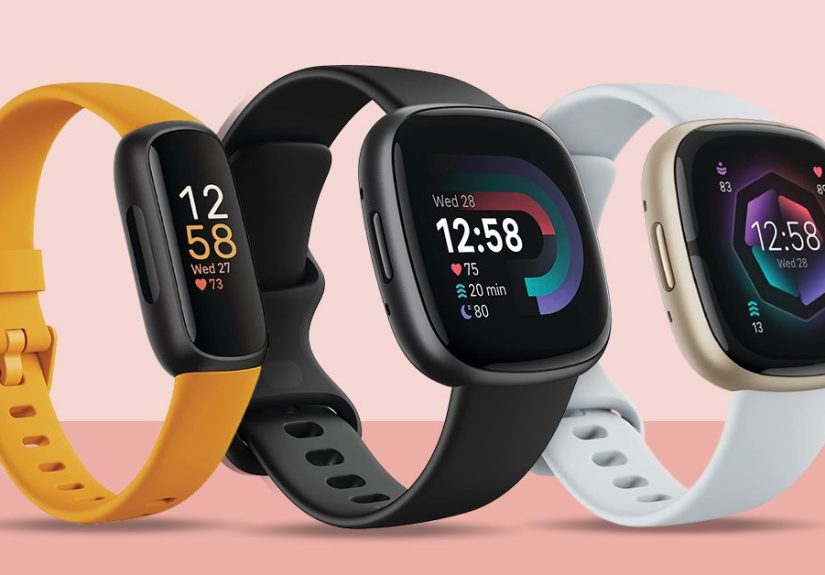
Choosing the best Fitbit should be simple. You want something that counts steps, tracks sleep, keeps an eye on your heart rate, and gently reminds you that your couch is not technically a cardio machine. But the Fitbit family has changed. Today, “Fitbit” includes classic band-style trackers, Fitbit smartwatches, and Google Pixel Watches with deep Fitbit health and fitness integration.
That is both good and slightly confusing. The good news: there is probably a Fitbit-style device that fits your wrist, budget, phone, workout routine, and tolerance for charging cables. The confusing part: the “best Fitbit” depends heavily on what you actually want. A runner who wants built-in GPS may love the Fitbit Charge 6. A person who mainly wants sleep tracking may be happier with the feather-light Inspire 3. A parent shopping for a child may skip both and go straight to Fitbit Ace LTE.
This guide breaks down the six best Fitbit options for different users, from affordable wellness tracking to advanced Android smartwatch features. The goal is not to crown one shiny rectangle as the ruler of all wrists. The goal is to help you buy the right one the first time.
Quick Comparison: The Best Fitbits at a Glance
| Fitbit Model | Best For | Key Strength | Main Trade-Off |
|---|---|---|---|
| Fitbit Charge 6 | Most people | Excellent health tracking, built-in GPS, Google apps | Small screen compared with a smartwatch |
| Fitbit Inspire 3 | Budget buyers and sleep tracking | Lightweight design and long battery life | No built-in GPS or advanced smartwatch tools |
| Fitbit Versa 4 | Fitness-focused smartwatch users | Large screen, workout modes, built-in GPS | Less app-heavy than Apple Watch or Wear OS watches |
| Fitbit Sense 2 | Stress and health insights | ECG, stress tools, skin temperature, SpO2 | Premium features may require Fitbit Premium |
| Google Pixel Watch 4 | Android users wanting a true smartwatch | Smartwatch power plus Fitbit health tools | Shorter battery life than classic Fitbit trackers |
| Fitbit Ace LTE | Kids and families | Movement-based games, calling, messaging, location tools | Requires parent setup and an Ace Pass plan for full features |
1. Fitbit Charge 6: Best Fitbit Overall
The Fitbit Charge 6 is the safest recommendation for most people because it sits in the sweet spot between “simple tracker” and “serious fitness device.” It has the slim shape people expect from a Fitbit band, but it packs in features that used to belong mostly to larger smartwatches.
You get 24/7 heart rate tracking, Active Zone Minutes, more than 40 exercise modes, built-in GPS, sleep tracking, SpO2 tracking, skin temperature variation, stress tools, and an ECG app for heart rhythm assessment in supported regions. It also supports Google Maps and Google Wallet, which makes it feel more modern than older Fitbit trackers. Need to pay for a post-run smoothie? Tap your wrist and pretend you planned the whole healthy lifestyle thing.
Why It Stands Out
The biggest reason to choose Charge 6 is balance. It is small enough to wear all day and night, yet powerful enough for walkers, runners, cyclists, gym users, and health-data nerds who like waking up to a sleep score before they have even located their slippers.
Built-in GPS matters if you run, walk, or bike outdoors and want pace and distance without carrying your phone. The ECG app and irregular heart rhythm notifications add another layer of health awareness, although they are not a substitute for medical care. Charge 6 also works with compatible gym equipment to broadcast heart rate, which is useful for indoor cycling classes and treadmill workouts.
Who Should Buy It?
Buy the Fitbit Charge 6 if you want the best all-around Fitbit tracker, especially if you care about heart rate, GPS workouts, sleep, stress, and Google features. It is ideal for people who want lots of data but do not want a full smartwatch taking over their wrist.
Who Should Skip It?
Skip it if you want a big display for messages, apps, and on-watch navigation. The screen is bright and useful, but it is still a tracker screen. If you want a mini phone on your wrist, look at Pixel Watch 4 instead.
2. Fitbit Inspire 3: Best Budget Fitbit
The Fitbit Inspire 3 is the best Fitbit for people who want the essentials without paying for bells, whistles, and a tiny wrist-based orchestra. It is slim, light, comfortable, and easy to forget you are wearing, which is exactly what many people want from a health tracker.
Inspire 3 tracks steps, distance, calories burned, sleep, heart rate, Active Zone Minutes, stress management, SpO2, skin temperature variation, and basic workouts. It also has a color touchscreen, which makes it feel much more modern than older entry-level Fitbit bands.
Why It Stands Out
The biggest advantage is comfort. Some larger smartwatches feel like wearing a cookie on your wrist overnight. Inspire 3 is closer to wearing a bracelet. That makes it especially good for sleep tracking, because the best sleep tracker is the one you actually keep on while sleeping.
Battery life is another major win. Inspire 3 can last up to 10 days depending on usage, which is excellent for anyone who hates charging another gadget. If your phone, laptop, earbuds, toothbrush, and possibly your car already need charging, Inspire 3 is refreshingly low-maintenance.
Who Should Buy It?
Buy the Fitbit Inspire 3 if you want an affordable Fitbit for daily steps, sleep tracking, resting heart rate, light workouts, and general wellness. It is a strong choice for beginners, casual walkers, seniors who want simple tracking, and anyone who values comfort over advanced features.
Who Should Skip It?
Skip it if you need built-in GPS, ECG, Google Wallet, or a bigger display. Inspire 3 can track outdoor workouts with connected GPS through your phone, but serious runners will probably prefer Charge 6 or Pixel Watch 4.
3. Fitbit Versa 4: Best Fitbit Smartwatch for Fitness
The Fitbit Versa 4 is the best Fitbit smartwatch for people who want a larger screen and a fitness-first experience without jumping fully into the Pixel Watch ecosystem. It looks more like a traditional smartwatch than Charge 6 or Inspire 3, but it still keeps the friendly Fitbit personality.
Versa 4 includes built-in GPS, more than 40 exercise modes, heart rate tracking, sleep tools, Active Zone Minutes, Daily Readiness Score support, Google Maps, Google Wallet, and call, text, and app notifications when your phone is nearby.
Why It Stands Out
The large display is the main reason to choose Versa 4. It is easier to read during workouts, easier to tap, and better for checking stats quickly. If you have ever tried to read a tiny tracker screen while jogging, you know it can feel like decoding a fortune cookie during an earthquake.
Versa 4 also offers a comfortable design for all-day wear. It is thinner and lighter than many full-featured smartwatches, making it appealing for people who want something more visible than a tracker but less intense than a smartwatch loaded with third-party apps.
Who Should Buy It?
Buy the Fitbit Versa 4 if you want a Fitbit with a bigger screen, built-in GPS, strong workout tracking, and useful Google tools. It is good for gym users, walkers, casual runners, and people who want fitness features before smartwatch features.
Who Should Skip It?
Skip it if you expect a full app store experience, rich music controls, or advanced smartwatch functions. Versa 4 is a fitness smartwatch, not a do-everything wrist computer.
4. Fitbit Sense 2: Best Fitbit for Health and Stress Tracking
The Fitbit Sense 2 is the best choice for people who want deeper wellness insights, especially around stress, sleep, heart rhythm, and recovery. It is the “listen to your body” Fitbit, which is helpful because many of us only listen to our bodies after they start filing formal complaints.
Sense 2 includes an ECG app, irregular heart rhythm notifications, high and low heart rate notifications, SpO2 tracking, skin temperature sensing, heart rate variability, breathing rate, sleep stages, Sleep Score, and stress tools. Its standout feature is the cEDA sensor, which helps identify potential signs of stress throughout the day.
Why It Stands Out
Sense 2 is not just about workouts. It is about patterns. Are you sleeping poorly after late caffeine? Does your resting heart rate climb when work gets chaotic? Are your stress signals higher on days when your calendar looks like a game of Tetris? Sense 2 is built to help you notice those connections.
It also offers a larger color touchscreen, a slim design, Google Maps, Google Wallet, and battery life of more than six days depending on use. For users who want health insights without charging every night, that battery life is a major advantage over many mainstream smartwatches.
Who Should Buy It?
Buy Fitbit Sense 2 if you want the most health-focused Fitbit smartwatch. It is best for users who care about stress tracking, sleep quality, heart rhythm tools, and wellness trends more than third-party apps.
Who Should Skip It?
Skip it if you mainly want a sports watch for advanced training metrics or a full smartwatch for apps, calls, and smart home controls. Sense 2 is strongest as a wellness companion, not as a Garmin-style training watch or Pixel Watch replacement.
5. Google Pixel Watch 4: Best Fitbit Experience for Android Users
The Google Pixel Watch 4 is not branded as a Fitbit, but it delivers one of the most complete Fitbit-powered experiences available for Android users. Think of it as a Google smartwatch with Fitbit as its health and fitness engine.
Pixel Watch 4 brings a larger, brighter domed display, Fitbit fitness and health tracking, Google apps, Gemini support, safety features, LTE options, and compatibility with most Android phones running Android 11.0 or newer. Depending on model size and use, battery life can reach up to 40 hours, which is improved for a full smartwatch but still shorter than classic Fitbit trackers.
Why It Stands Out
If you want Fitbit health tools plus Google’s best smartwatch features, Pixel Watch 4 is the obvious pick. It is better for notifications, apps, voice assistance, Google services, safety tools, and general daily convenience than Charge 6, Versa 4, or Sense 2.
It also feels more premium. The display is easier to read, the interface is richer, and the smartwatch experience is more complete. If Charge 6 is a reliable fitness notebook, Pixel Watch 4 is a smart assistant that also counts your steps and judges your sleep schedule with quiet confidence.
Who Should Buy It?
Buy Pixel Watch 4 if you use Android and want Fitbit tracking inside a modern smartwatch. It is especially good for Pixel phone users, frequent Google app users, and anyone who wants fitness, productivity, safety, and style in one device.
Who Should Skip It?
Skip it if you use an iPhone, want weeklong battery life, or prefer a simple tracker. Pixel Watch 4 is powerful, but it asks for more charging attention than Fitbit’s band-style devices.
6. Fitbit Ace LTE: Best Fitbit for Kids
The Fitbit Ace LTE is the best Fitbit for children because it is designed around movement, communication, and parental peace of mind. It is not just a smaller adult Fitbit. It is a kid-focused smartwatch that uses games and rewards to encourage activity.
Ace LTE supports calling, messaging, location features, movement-based games through Fitbit Arcade, and School Time controls that help reduce distractions during class. Parents manage settings through the Fitbit Ace app, including approved contacts and other safety tools.
Why It Stands Out
The magic of Ace LTE is that it makes movement feel like play. Instead of telling kids to “get steps,” which sounds like something a spreadsheet would say, it turns activity into games and quests. That is smart because children are more likely to move when movement feels like fun rather than homework wearing sneakers.
For parents, the communication and location features are the bigger appeal. Ace LTE can offer some smartphone-like benefits without handing a child a full smartphone and all the distractions that come with it.
Who Should Buy It?
Buy Fitbit Ace LTE if you want a fitness-friendly smartwatch for a child that supports movement, communication, and parental controls. It is especially useful for families who want basic connection without jumping straight to a phone.
Who Should Skip It?
Skip it if you want a simple, no-plan step tracker. Ace LTE is more of a connected kids smartwatch, and many of its best features are tied to the Ace Pass plan.
How to Choose the Best Fitbit for Your Lifestyle
If You Want the Best Overall Fitbit
Choose Fitbit Charge 6. It gives you the strongest mix of price, size, GPS, health tracking, sleep tracking, and Google features. It is the best default recommendation for most adults.
If You Want the Cheapest Good Fitbit
Choose Fitbit Inspire 3. It covers the basics beautifully and is comfortable enough for day-and-night tracking. It is not fancy, but it is dependable, and dependable is underrated.
If You Want a Bigger Screen
Choose Fitbit Versa 4. The larger display makes workouts, notifications, and quick glances easier. It is best for people who like the Fitbit ecosystem but prefer a watch shape.
If You Want Health and Stress Insights
Choose Fitbit Sense 2. Its stress-focused tools, ECG support, sleep features, and health metrics make it the best Fitbit for wellness tracking.
If You Want Smartwatch Features
Choose Google Pixel Watch 4. It is the best Fitbit-connected choice for Android users who want apps, Google services, safety tools, and a premium smartwatch experience.
If You Are Buying for a Child
Choose Fitbit Ace LTE. It is built for kids and families, with activity-based games and parental controls that adult Fitbits do not offer.
Fitbit Premium: Do You Need It?
Many Fitbit devices include a Fitbit Premium trial, and Premium can unlock deeper insights, workouts, mindfulness content, Sleep Profile, Daily Readiness recommendations, and wellness reports. The free Fitbit app still gives you useful data, but Premium is better if you want interpretation, coaching, and trend analysis.
Here is the simplest way to think about it: the free app tells you what happened. Premium helps explain what it might mean and what to do next. If you are just counting steps, you may not need it. If you want recovery guidance, workout suggestions, sleep analysis, and more detailed health trends, Premium is worth trying during the trial period.
Real-World Buying Advice
Before buying any Fitbit, ask yourself five questions. First, do you want a band or a watch? Second, do you need built-in GPS? Third, will you wear it to sleep? Fourth, how often are you willing to charge it? Fifth, do you want health tracking, fitness tracking, smartwatch features, or all three?
If you answer honestly, the right model usually becomes obvious. The person who wants a light sleep tracker should not buy the biggest smartwatch. The runner who hates carrying a phone should not buy a tracker without built-in GPS. The Android user who wants apps should not expect Inspire 3 to behave like a Pixel Watch. Buying the right Fitbit is mostly about not lying to yourself about how you will use it.
Personal Experience: What It Is Like to Live With a Fitbit
Using a Fitbit every day changes your relationship with small habits. At first, you may check your step count like it is a game score. Then you start noticing patterns. A short walk after lunch improves your mood. A late dinner nudges your sleep score down. A stressful workday shows up in your heart rate. Suddenly, your body is sending receipts.
The best part of wearing a Fitbit is not that it magically makes you healthy. It does not drag you out for a run or slap the cookie out of your hand. Thankfully, technology has not become that rude yet. What it does is make your habits visible. That visibility can be surprisingly motivating. Seeing 7,800 steps at 8 p.m. may be all the push you need to take a quick walk and reach 10,000. Seeing poor sleep after three nights of late scrolling may finally convince you to stop treating bedtime like a Netflix negotiation.
For everyday use, comfort matters more than people think. A device with every feature in the world is useless if you take it off after two hours. This is where Fitbit’s trackers shine. Charge 6 and Inspire 3 are easy to wear while typing, cooking, sleeping, and doing errands. They do not feel like gadgets demanding attention. They simply sit there, quietly collecting data and occasionally buzzing to remind you that you have been sitting long enough to qualify as furniture.
Battery life also affects the experience. With a Fitbit tracker, you can often go several days without thinking about charging. That makes tracking feel seamless. With a smartwatch such as Pixel Watch 4, the experience is richer but more demanding. You get better notifications, apps, and smart features, but you also need a charging routine. For some people, charging every day or two is normal. For others, it is a deal-breaker.
Sleep tracking is one of the most useful Fitbit features in real life. Even if the data is not perfect, trends are valuable. You may notice that your best sleep happens after lighter dinners, cooler rooms, evening walks, or consistent bedtimes. The Sleep Score can become a gentle nudge toward better routines. It is less about chasing a perfect number and more about understanding what helps you feel human before coffee.
Workout tracking is equally useful for beginners because it removes guesswork. Active Zone Minutes help show when you are working hard enough to improve cardio fitness. Built-in GPS on Charge 6, Versa 4, Sense 2, and Pixel Watch models is helpful for outdoor exercise because it records pace and distance without depending on rough estimates. For casual exercisers, this is plenty. For marathon training or advanced performance analytics, a Garmin or Coros may be better, but Fitbit remains more approachable.
The biggest lesson from living with a Fitbit is this: choose the device that fits your normal life, not your fantasy life. If you walk, sleep track, and do light workouts, Inspire 3 may be perfect. If you run outdoors and want health tools, Charge 6 is the better pick. If you want a smartwatch for Android, Pixel Watch 4 makes more sense. The best Fitbit is not the one with the longest spec sheet. It is the one you will wear, understand, and use consistently.
Final Verdict: Which Fitbit Is Best for You?
The Fitbit Charge 6 is the best Fitbit for most people because it combines advanced health tracking, built-in GPS, excellent battery life, and useful Google features in a compact design. The Fitbit Inspire 3 is the best budget choice and the best simple sleep tracker. The Fitbit Versa 4 is the best fitness-focused Fitbit smartwatch, while the Fitbit Sense 2 is best for users who want deeper stress and health insights. The Google Pixel Watch 4 is the best Fitbit-powered smartwatch for Android users, and the Fitbit Ace LTE is the best pick for kids.
In the end, the best Fitbit is the one that solves your actual problem. Want motivation to move? Go Inspire 3 or Charge 6. Want deeper health awareness? Choose Sense 2. Want a bigger workout screen? Pick Versa 4. Want smartwatch features? Pixel Watch 4. Want to help your child move more without handing over a full smartphone? Ace LTE. Your wrist, your rules.