Table of Contents >> Show >> Hide
- Why These “Forgotten” Areas Matter
- Do Eyelids Need Sunscreen?
- Do Lips Need Sunscreen?
- Do Feet Need Sunscreen?
- The Best Sunscreen Type for Eyelids, Lips, and Feet
- How Much Sunscreen Should You Apply?
- Common Mistakes to Avoid
- When Should You See a Dermatologist?
- Real-Life Experiences: What People Learn the Hard Way
- Conclusion: Small Spots, Big Sun Protection Payoff
When most people think about sunscreen, they picture the obvious places: face, arms, shoulders, maybe the back if someone nearby is feeling generous. But three sneaky little sunburn zones often get ignored until they stage a painful protest: eyelids, lips, and feet.
So, do eyelids, lips and feet need sunscreen? Absolutely. Any skin exposed to ultraviolet rays can burn, age faster, and develop sun damage over time. These areas may seem small, but they are not “bonus skin” that gets a free pass from the sun. Eyelids are delicate and easy to miss. Lips have thin skin and very little natural protection. Feet spend half the year hiding in shoes, then suddenly appear in sandals like they have signed up for a beach marathon.
The good news: protecting these spots is simple once you remember they exist. A broad-spectrum sunscreen, SPF lip balm, sunglasses, hats, and a little reapplication discipline can go a long way. Think of it as a tiny upgrade to your sun-care routine with a big payoff for comfort, appearance, and long-term skin health.
Why These “Forgotten” Areas Matter
Sun protection is not just about avoiding a dramatic lobster-red sunburn. Ultraviolet radiation can damage skin cells, contribute to premature aging, and increase the risk of skin cancer. Broad-spectrum sunscreen helps protect against both UVA rays, which are strongly linked with skin aging, and UVB rays, which are closely associated with sunburn.
The eyelids, lips, and feet are especially easy to overlook because they do not always feel like priority zones. You may worry about your nose burning, but forget the thin skin around your eyes. You may apply face sunscreen beautifully, then lick or wipe your lips every 10 minutes. You may put sunscreen on your legs, then stop right before the sandal straps begin. The sun, unfortunately, does not respect these boundaries.
Do Eyelids Need Sunscreen?
Yes, eyelids need sun protection. The skin around the eyes is thin, delicate, and commonly missed during sunscreen application. Many people avoid this area because they are afraid sunscreen will sting their eyes, smudge makeup, or feel greasy. Understandable? Yes. A good reason to skip protection entirely? Not really.
Why Eyelids Are So Vulnerable
The eyelid area is one of the most delicate parts of the face. It has thinner skin than many other facial areas, which means sun damage can show up as fine lines, discoloration, rough texture, and irritation. More importantly, skin cancers can occur around the eyes, including on the lower eyelid and near the inner corner of the eye.
This does not mean you should smear sunscreen directly into your eyes like you are seasoning a salad. Instead, apply carefully around the orbital bone and eyelid area using a gentle, eye-friendly formula. Mineral sunscreens containing zinc oxide or titanium dioxide are often a good option for sensitive skin because they are less likely to migrate and sting compared with some formulas.
How to Protect Your Eyelids Safely
Use a broad-spectrum SPF 30 or higher sunscreen designed for the face. Apply a small amount around the eye area, staying away from the lash line and avoiding direct contact with the eyes. A sunscreen stick can help with control, especially when applying around the brows, temples, and upper cheekbones.
But sunscreen should not work alone here. UV-blocking sunglasses are a major part of eyelid protection. Choose sunglasses labeled UV400 or 100% UVA/UVB protection. A wide-brimmed hat adds another layer of shade, especially during midday sun. When sunscreen, sunglasses, and a hat team up, your eyelids get the VIP security detail they deserve.
Do Lips Need Sunscreen?
Yes, lips need sunscreen too. In fact, lips may be one of the most neglected sun-care zones on the entire body. Regular sunscreen can technically protect the lips, but it usually tastes terrible, rubs off quickly, and makes you question your life choices. A better solution is a lip balm with SPF 30 or higher.
Why Lips Burn So Easily
Lip skin is thin and delicate. The lower lip, in particular, receives a lot of direct sunlight. Lips also have less melanin than many other areas of the skin, which means they have less natural defense against UV damage. A sunburned lip can become swollen, tender, cracked, blistered, or painfully dry.
Long-term sun exposure may also contribute to rough, scaly changes on the lips. Persistent dryness, peeling, sores, bleeding, or a spot that does not heal should be checked by a dermatologist or qualified healthcare professional. The lips may be small, but they can send important warning signals.
How to Use SPF Lip Balm Correctly
Look for a lip balm labeled SPF 30 or higher. Broad-spectrum protection is ideal. Apply it before going outdoors, then reapply at least every two hours. Reapply sooner after eating, drinking, swimming, sweating, wiping your mouth, or doing anything else that removes product. Yes, this includes enthusiastically eating tacos. Sunscreen is brave, but it is not taco-proof.
If your lips are sensitive, choose a fragrance-free or flavor-free SPF lip balm. Some flavored balms encourage licking, which removes protection and dries the lips faster. For beach days, hiking, skiing, fishing, outdoor sports, or long drives, keep an SPF lip balm in your pocket or bag so reapplication is not a heroic quest.
Do Feet Need Sunscreen?
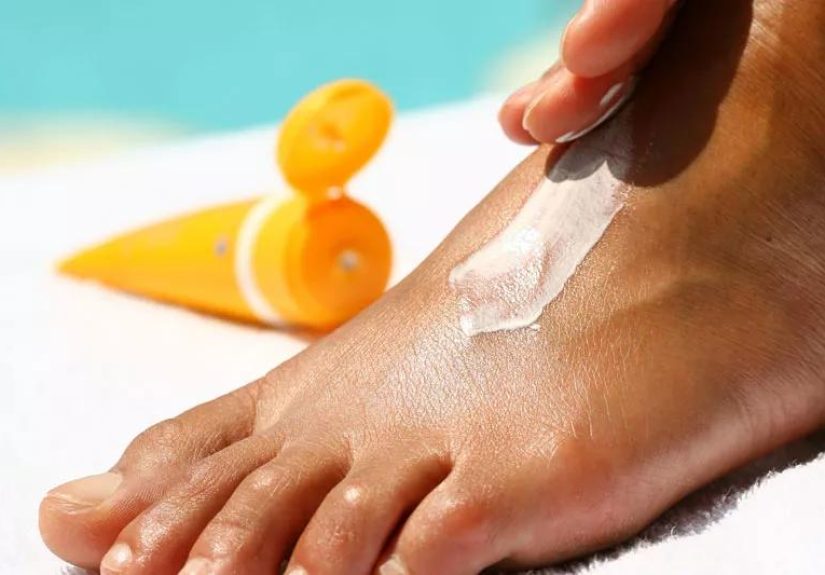
Yes, feet need sunscreen whenever they are exposed. The tops of the feet are one of the most commonly forgotten places to apply sunscreen, especially when people wear sandals, flip-flops, open-toe shoes, or go barefoot. Unfortunately, sunburned feet are not just uncomfortable; they can make every step feel like a tiny betrayal.
Why Feet Get Forgotten
Feet spend much of the year covered by socks and shoes, so they are not always part of the mental sunscreen checklist. Then summer arrives, sandals come out, and the tops of the feet suddenly face hours of direct sun with no preparation. The skin may be less used to UV exposure, making burns more likely during beach days, pool afternoons, outdoor weddings, festivals, and vacations.
Another problem is water and sand. Sunscreen on feet can wash off, rub away, or disappear after walking, swimming, or towel drying. If you apply sunscreen once in the morning and then spend hours near water, your feet may be unprotected long before the day is over.
How to Protect Your Feet From the Sun
Apply broad-spectrum SPF 30 or higher sunscreen to the tops of your feet, toes, ankles, and any exposed skin around sandal straps. If you are barefoot on the beach or lying on your stomach, remember that the soles and heels may also be exposed. Reapply every two hours and after swimming, sweating, or towel drying.
For long outdoor days, water-resistant sunscreen is helpful, but “water-resistant” does not mean waterproof. It means the product has been tested to maintain its SPF for a limited time in water, usually 40 or 80 minutes. Once you towel off or spend enough time swimming or sweating, reapply.
The Best Sunscreen Type for Eyelids, Lips, and Feet
The best sunscreen is the one you will actually use correctly and consistently. For general exposed skin, choose a broad-spectrum sunscreen with SPF 30 or higher. For swimming, sports, or sweaty days, choose a water-resistant formula. For lips, use an SPF lip balm. For eyelids and sensitive facial areas, consider a mineral sunscreen or sunscreen stick designed for the face.
Mineral vs. Chemical Sunscreen
Mineral sunscreens commonly use zinc oxide and titanium dioxide. They sit on the skin and help reflect and scatter UV rays. Chemical sunscreens use ingredients that absorb UV radiation and convert it into heat. Both types can be effective when labeled broad-spectrum and applied correctly.
For eyelids, many people prefer mineral formulas because they may be less irritating. For feet, a lotion or cream usually works well because it can cover uneven areas around toes and sandal lines. For lips, choose a dedicated SPF lip balm rather than relying on face sunscreen.
How Much Sunscreen Should You Apply?
Most adults need about one ounce of sunscreen, roughly a shot-glass amount, to cover the exposed areas of the body. For smaller areas like eyelids, lips, and feet, the key is even coverage. Do not dab on a microscopic amount and expect superhero results.
Apply sunscreen before going outdoors so it has time to settle evenly on the skin. Reapply every two hours, or sooner after swimming, sweating, or towel drying. If you are outside all day, set a phone reminder. Sunscreen reapplication is not glamorous, but neither is explaining why only the tops of your feet look like grilled tomatoes.
Common Mistakes to Avoid
Skipping Sunscreen on Cloudy Days
Clouds do not block all UV rays. You can still get sun damage on overcast days, especially during long outdoor exposure. If your eyelids, lips, or feet are exposed, they still need protection.
Relying Only on Makeup SPF
Makeup with SPF can be helpful, but most people do not apply enough makeup to get the full labeled protection. Use sunscreen as your base layer, then apply makeup if desired. For lips, use SPF balm under or over lip color, depending on the product instructions.
Forgetting to Reapply
One morning application is not enough for a full outdoor day. Sunscreen wears off, sweats off, rubs off, and washes off. Eyelids may be rubbed, lips may be wiped, and feet may lose protection from sand, water, and shoes.
Using Expired Sunscreen
Sunscreen can lose effectiveness over time. Check the expiration date, and store products away from excessive heat when possible. A sunscreen bottle that has lived in a hot car since the last family reunion may not be your best defense.
When Should You See a Dermatologist?
See a dermatologist if you notice a new, changing, bleeding, crusting, or non-healing spot on your eyelid, lips, feet, or anywhere else on your skin. Also get checked if you have a persistent rough patch on the lip, a sore that keeps returning, or a mole on the foot that changes in size, shape, color, or sensation.
People sometimes forget that skin checks should include less obvious areas, including between the toes, soles of the feet, toenails, lips, scalp, ears, and around the eyes. Skin cancer can appear in places that rarely see the sun too, so a complete check matters.
Real-Life Experiences: What People Learn the Hard Way
Many sunscreen lessons arrive after one very memorable mistake. Someone goes to the beach and carefully covers their shoulders, arms, and nose, then forgets the tops of their feet. By evening, every sandal strap feels like a medieval device. The next day, walking across a hotel lobby becomes a slow-motion performance called “Regret in Flip-Flops.” That one burn is usually enough to add feet to the sunscreen routine forever.
Lips teach their lesson differently. A person may spend the afternoon hiking, boating, skiing, or watching an outdoor game with no SPF lip balm. At first, everything feels fine. Then the lips become tight. Then dry. Then cracked. By bedtime, smiling feels suspiciously ambitious. The next morning, spicy food is no longer food; it is a personal attack. After that, SPF lip balm starts living in every bag, glove compartment, and jacket pocket.
Eyelids are even sneakier. People often apply sunscreen around the face but stop short of the eyes because they fear stinging. Later, they notice redness along the brow bone, tenderness near the outer corners, or a faint burn on the upper lids. Sometimes the issue is not a dramatic burn but gradual sun damage: fine lines, crepey texture, or uneven tone around the eyes. That is when sunglasses and hats stop feeling like accessories and start feeling like skincare with handles.
A common experience is realizing that sunscreen habits must match the activity. A quick walk to the mailbox is not the same as four hours at a pool. A shaded brunch is not the same as a reflective day on sand or water. A cloudy hike can still lead to burned lips and feet. The sun does not need a bright blue sky to do its job.
Another practical lesson: convenience wins. People who keep sunscreen only in the bathroom often forget to reapply outdoors. People who keep SPF lip balm in a pocket, sunscreen in a beach bag, and a stick sunscreen near sunglasses usually do better. The easier the routine, the more likely it becomes automatic.
Parents often learn this lesson through kids, too. Children may complain about sunscreen on the face, wiggle away when feet are being covered, or lick off lip balm five seconds after application. A stick sunscreen around the eyes, a fun SPF lip balm, and a “toes and tops” foot check before sandals can make the process smoother. Adults are not always much better, of course. Many grown-ups also need the “toes and tops” reminder.
The most useful experience-based rule is simple: apply sunscreen before dressing for the activity. If sandals are going on, sunscreen goes on the feet first. If sunglasses are coming along, sunscreen still goes around the eyes before the frames go on. If snacks and drinks are part of the plan, SPF lip balm needs to be reapplied afterward. Sun protection works best when it becomes part of the rhythm of the day, not a panicked rescue mission after the skin starts sizzling.
Conclusion: Small Spots, Big Sun Protection Payoff
So, do eyelids, lips and feet need sunscreen? Yes, yes, and yes. These areas are small, easy to forget, and surprisingly vulnerable to UV damage. Protect eyelids with gentle broad-spectrum sunscreen, sunglasses, and a hat. Protect lips with SPF 30 or higher lip balm. Protect feet by covering the tops, toes, ankles, and any exposed skin before heading outdoors.
Sun care does not have to be complicated. Choose broad-spectrum SPF 30 or higher, apply it generously, reapply every two hours, and pair it with shade, protective clothing, sunglasses, and smart timing. Your eyelids, lips, and feet may not send thank-you cards, but they will appreciate not being treated like sunscreen afterthoughts.