Table of Contents >> Show >> Hide
- Why Recycled Solar Lights Belong in Every Garden
- How Solar Garden Lights Actually Work
- Best Recycled Materials for Solar Garden Lights
- Creative Recycled Solar Light Ideas for the Garden
- Where to Place Recycled Solar Lights for Maximum Impact
- How to Make Recycled Solar Lights Last Longer
- Design Tips for a Beautiful Night Garden
- Wildlife-Friendly Solar Lighting
- Common Mistakes to Avoid
- Personal Experiences and Practical Lessons from Recycled Solar Garden Lighting
- Conclusion: Let Your Garden Glow Smarter
Garden lighting has a funny way of revealing your personality. Some people want a soft, moonlit path that whispers, “Welcome, dear guest.” Others want the patio to glow like a tiny neighborhood festival. And then there are the practical dreamers who look at an old mason jar, a scratched colander, or a forgotten glass bottle and think, “That could absolutely become a solar light.”
That is the magic of recycled solar lights in the garden. They combine creativity, sustainability, and low-maintenance charm in one bright little package. Instead of running wires, raising your electric bill, or buying another cookie-cutter fixture, you can turn reusable materials into outdoor lighting that feels personal, whimsical, and surprisingly useful.
Solar garden lights are popular because they are easy to install, powered by sunlight, and ideal for areas where electrical outlets are inconvenient. When you add recycled materials to the mix, the result is even better: less waste, more character, and a garden that looks as if it has been gently sprinkled with fairy dustwithout requiring an actual fairy maintenance crew.
Why Recycled Solar Lights Belong in Every Garden
Recycled solar lights are not just cute weekend projects. They are a smart way to rethink outdoor decor. A basic solar light uses a small solar cell to collect sunlight during the day, store energy in a rechargeable battery, and power an LED after dark. That simple system makes solar lights perfect for pathways, patios, flower beds, fence lines, balconies, and backyard gathering spaces.
The recycled part is where the personality enters. Old jars become glowing lanterns. Tin cans become patterned light sculptures. Wine bottles become elegant border lights. Broken lamp shades become garden chandeliers. Even worn-out solar stakes can be repaired or redesigned instead of being tossed away after one sad season of service.
For gardeners, this approach checks several boxes at once. It saves money, reduces household waste, avoids unnecessary wiring, and creates a layered nightscape that makes the garden feel alive after sunset. It also turns ordinary objects into conversation pieces. A row of glowing pickle jars along a raised bed may not sound glamorous at first, but with the right placement, it becomes rustic, charming, and just weird enough to be memorable.
How Solar Garden Lights Actually Work
Before you start turning the recycling bin into a lighting department, it helps to understand the basic parts of a solar garden light.
The Solar Panel
The small panel on top of a solar light collects sunlight and converts it into electricity. For best results, the panel needs direct sun for several hours a day. If it sits under thick shade, behind overgrown plants, or beneath a patio roof, it will not charge well. In other words, solar panels are not vampires. They enjoy sunlight.
The Rechargeable Battery
Most solar lights include a rechargeable battery that stores daytime energy for nighttime use. Over time, these batteries wear out. If a solar light suddenly stops working, the battery may be the problem, not the entire fixture. Replacing the battery can often bring the light back to life.
The LED Bulb
LEDs are commonly used in solar lights because they are energy-efficient, durable, and cool to the touch compared with older lighting technologies. That makes them a practical choice for small DIY fixtures, especially when used inside jars, lanterns, and other recycled containers.
The Sensor
Many solar lights include a light sensor that turns the fixture on at dusk and off at dawn. If your light is sitting too close to a porch lamp or bright window, the sensor may think it is still daytime. This is one of those tiny garden mysteries that can make people mutter at their flower beds.
Best Recycled Materials for Solar Garden Lights
The best materials are weather-resistant, easy to clean, and safe to use outdoors. You do not need expensive supplies. In fact, the most charming recycled solar lights usually begin with items that were almost thrown away.
Glass Jars
Mason jars, salsa jars, jam jars, and old candle jars make excellent solar lanterns. Remove labels, wash thoroughly, and let the glass dry completely. Add a solar lid, a small solar puck light, or a repurposed solar stake top. Frosted spray paint can soften the glow, while glass pebbles or sand can add weight and texture.
Tin Cans
Tin cans are perfect for punched-pattern lanterns. Fill the can with water and freeze it first so the metal does not collapse while you punch holes. Then use a nail and hammer to create dots, stars, vines, or simple geometric patterns. Once thawed and dried, paint the can with outdoor-safe paint and place a small solar light inside.
Wine Bottles
Wine bottles bring instant elegance to a garden, even if the label once said “budget merlot.” Use bottle-safe solar cork lights or insert waterproof solar fairy lights. Place bottles along a border, cluster them around a seating area, or use them as glowing accents near ornamental grasses.
Old Lanterns
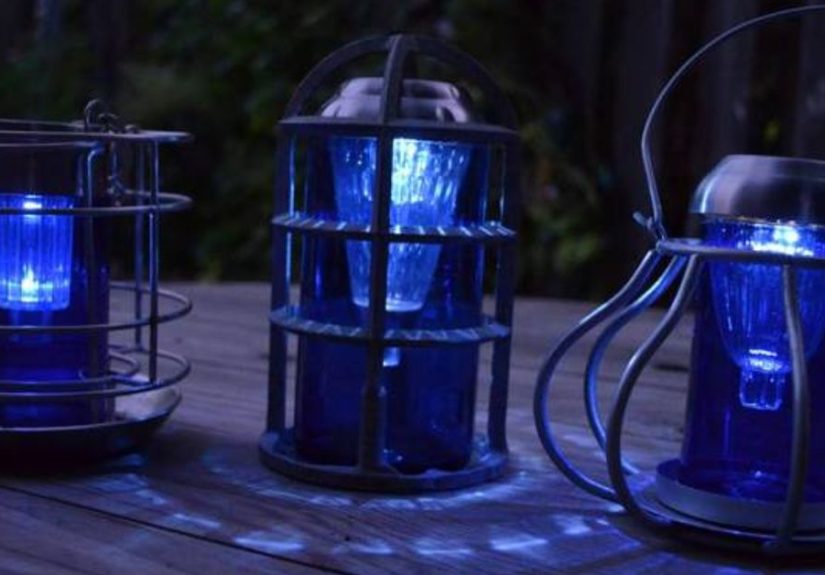
Vintage lanterns, candle holders, and decorative cages can be converted into solar fixtures by adding small solar LED lights. This is one of the easiest upgrades because the structure already looks intentional. The solar light simply gives it a second career.
Broken or Mismatched Household Items
Colanders, teacups, chandelier frames, wire baskets, lampshades, and even old garden tools can become creative lighting features. The goal is not to make everything match perfectly. A recycled solar garden looks best when it feels collected, layered, and slightly mischievous.
Creative Recycled Solar Light Ideas for the Garden
There are endless ways to use recycled solar lights outdoors. The trick is to balance beauty with function. A garden should look enchanting at night, but visitors should also be able to find the steps without performing accidental interpretive dance.
1. Mason Jar Path Lights
Attach solar lids to clean jars and place them along a walkway. For a more polished look, set each jar partly into gravel or hang them from shepherd hooks. Use warm white lights for a cozy feel or amber lights for a softer, wildlife-friendlier glow.
2. Tin Can Star Lanterns
Punch star patterns into recycled cans and hang them from tree branches, pergolas, or fence posts. At night, the holes cast tiny patterns across nearby surfaces. It is inexpensive, cheerful, and far less dramatic than trying to install wired fixtures in a flower bed.
3. Solar Bottle Borders
Line a garden bed with recycled bottles fitted with solar cork lights. This works especially well around herb gardens, pollinator beds, and patio borders. Keep the spacing loose and natural rather than perfectly rigid, unless you enjoy measuring things in the dark.
4. Upcycled Chandelier for a Patio
An old chandelier frame can become a stunning solar garden feature. Remove electrical wiring, clean the frame, and add solar candles or mini solar lanterns where bulbs once sat. Hang it from a pergola or sturdy tree limb for a romantic outdoor focal point.
5. Glowing Garden Stakes from Old Fixtures
If you have broken solar stakes, save the working tops and combine them with bamboo poles, copper pipe, or old tool handles. This creates custom garden stakes that look more artistic than standard plastic models.
6. Solar Fairy Jars for Seating Areas
Place solar fairy lights inside glass jars and group them on outdoor tables, steps, or low walls. Add stones, shells, pinecones, or dried seed heads for seasonal flair. The result is simple, portable, and wonderfully forgiving if your decorating style is “I found this in the garage.”
Where to Place Recycled Solar Lights for Maximum Impact
Placement matters. Even beautiful recycled solar lights can look random if scattered everywhere without a plan. Think in layers: safety lighting, accent lighting, and atmosphere lighting.
Light the Path First
Walkways, steps, gate entrances, and changes in elevation should get priority. Solar path lights should create gentle pools of light, not runway-level brightness. Staggering lights along a path often looks more natural than placing them in a stiff line.
Highlight Garden Features
Use recycled solar lights to draw attention to a favorite tree, water feature, sculpture, birdbath, or container garden. A single glowing jar near a dramatic hosta can make the plant look like it hired a publicist.
Create Cozy Zones
Place clusters of solar lanterns around seating areas, outdoor dining tables, and reading corners. Warm, low-level lighting makes these spaces feel inviting without overwhelming the night garden.
Avoid Glare
Solar lights should not shine directly into people’s eyes, neighboring windows, or wildlife habitat. Aim lights downward or shield them with recycled materials such as metal shades, frosted glass, or perforated cans. A good garden glow feels like ambiance, not interrogation.
How to Make Recycled Solar Lights Last Longer
Outdoor projects face sun, rain, wind, soil, insects, and the occasional squirrel with questionable motives. A few simple habits can help recycled solar lights perform better and last longer.
Clean the Solar Panels
Dust, pollen, bird droppings, and garden grime can reduce charging. Wipe panels with a soft damp cloth every few weeks, especially during heavy pollen season. Do not use harsh cleaners that could scratch or cloud the surface.
Choose Outdoor-Safe Materials
Glass, metal, and weather-resistant plastics generally perform better outdoors than untreated cardboard, fabric, or thin craft foam. If using wood, seal it with an exterior finish.
Protect Against Water Buildup
Drill drainage holes in metal containers when needed. Avoid sealing solar components inside containers where moisture can collect. Water and electronics are not best friends; at most, they are coworkers who should stay in separate departments.
Replace Batteries Responsibly
If your solar light dims quickly or stops working, check whether the rechargeable battery can be replaced. Match the battery type and size recommended by the manufacturer. Used rechargeable batteries should be taken to appropriate recycling or hazardous waste collection points rather than placed in household trash or curbside recycling.
Store Fragile Pieces in Harsh Weather
In areas with freezing winters, heavy storms, or hail, store delicate glass lanterns during extreme weather. This prevents cracking and extends the life of your DIY creations.
Design Tips for a Beautiful Night Garden
Recycled solar lights should enhance the garden, not compete with it. The best lighting feels intentional, soft, and connected to the landscape.
Use Warm Light
Warm white or amber lights usually look more natural in gardens than bright blue-white lights. They flatter foliage, stone, wood, and flowers while creating a calmer mood.
Repeat Materials
Use the same type of recycled material in multiple areas to create unity. For example, repeat blue glass jars near the patio, along the path, and beside the herb bed. Repetition tells the eye, “Yes, this was planned,” even if you made half of it while wearing garden gloves and listening to old radio hits.
Mix Heights
Combine ground-level path lights, tabletop jars, hanging lanterns, and taller stake lights. Different heights add depth and make the garden feel larger after dark.
Leave Some Darkness
A beautiful night garden does not need to be fully illuminated. Shadows are part of the design. They make the glowing areas feel more special and help reduce unnecessary light pollution.
Wildlife-Friendly Solar Lighting
Garden lighting should be enjoyable for people without disturbing the creatures that share the space. Many insects, birds, bats, and other wildlife rely on natural darkness for feeding, navigation, rest, and reproduction.
Use solar lights only where they serve a purpose. Choose low-level lighting, aim it downward, and turn off decorative lights when they are not needed. Motion sensors, timers, and removable solar lanterns can help reduce nighttime impact. In pollinator gardens, avoid flooding flower beds with bright light all night. Moths and other nocturnal pollinators deserve a peaceful work environment too.
If your garden includes native plants, water sources, bat houses, or wildlife habitat, keep the brightest lights closer to human-use areas such as paths and patios. Let the deeper planting beds remain darker. That balance gives you beauty and function while respecting the nighttime ecosystem.
Common Mistakes to Avoid
Using Too Many Lights
More lights do not always mean better design. Too many small lights can make a garden look cluttered. Start with key areas, then add more only where needed.
Ignoring Sun Exposure
Solar lights need sunlight to charge. Before installing them permanently, test locations for a few nights. If a light fades early, move it to a sunnier spot.
Choosing Flimsy Containers
Some recycled materials look charming indoors but fall apart outdoors. Choose sturdy containers that can handle moisture, heat, and wind.
Forgetting Safety
Smooth sharp edges on cut metal cans, avoid cracked glass, and secure hanging lanterns properly. Beautiful lighting is less delightful when it falls into the salad.
Personal Experiences and Practical Lessons from Recycled Solar Garden Lighting
One of the best things about recycled solar lights is that they teach you as you go. The first project may be simple: a clean pasta sauce jar, a solar lid, and a hopeful little spot near the back steps. By the third project, you are suddenly evaluating every empty container in the house like a lighting designer at a thrift-store opera.
In real garden use, the most successful recycled solar lights tend to be the ones that solve a small problem. A dark corner near the compost bin becomes easier to navigate. A patio table feels more welcoming during late dinners. A row of jars along a raised bed helps define the edge without adding a heavy border. These small improvements make the garden more usable, not just prettier.
Glass jars are usually the easiest starting point. They are widely available, simple to clean, and surprisingly versatile. Clear jars produce a brighter glow, while frosted jars feel softer and more elegant. Colored glass adds atmosphere, especially blues, greens, and ambers. The main lesson is to avoid sealing everything too tightly. A little ventilation helps reduce moisture buildup, especially in humid climates.
Tin can lanterns offer a different kind of satisfaction. They feel more handmade, and the patterns can be customized for the season. Stars work beautifully for summer evenings. Leaf shapes look lovely in fall. Simple rows of holes create a modern dotted effect. The trick is patience. Rushing the punching step can dent the can or create jagged edges. Freezing water inside the can first makes the process sturdier and safer.
Placement is another lesson learned quickly. A solar light that looks perfect at noon may be disappointing at night if it sits under a tree canopy. Testing locations before committing saves frustration. Place the light, let it run for two or three evenings, and watch how long it stays bright. Gardens shift through the season, too. A sunny April location may become shady in July once shrubs leaf out and perennials stretch like they are trying to win a height contest.
Another useful experience: not every recycled solar light needs to be a permanent fixture. Some of the best ones are portable. A few jar lanterns can move from the patio table to the porch steps, then to the garden bench when guests arrive. This flexibility is especially helpful for renters, small-space gardeners, or anyone who likes changing the mood without rearranging half the yard.
Maintenance is modest but important. Solar panels need occasional cleaning. Batteries eventually need replacement. Metal may need repainting. Hanging pieces should be checked after storms. None of this is difficult, but it helps to treat recycled solar lights as part of normal garden care, just like watering containers or trimming herbs. A quick monthly check keeps the whole display looking intentional rather than abandoned.
The biggest surprise is how much atmosphere recycled solar lighting can create with very little money. A few glowing jars can make a small balcony feel like a secret garden. A bottle border can turn an ordinary herb bed into a nighttime feature. A rescued chandelier with solar candles can become the centerpiece of a pergola. These projects remind us that sustainable garden design does not have to feel serious or expensive. It can be playful, practical, and a little magical.
Recycled solar lights also make gardening more personal. Store-bought fixtures can be useful, but handmade lights carry stories. The jar from last summer’s peaches, the lantern found at a yard sale, the bottle from a family dinner, the old colander from a first apartmentthese objects become part of the landscape. They give the garden memory, texture, and humor. And when they glow at night, they prove that even the most ordinary castoffs can shine again with a little sunlight and imagination.
Conclusion: Let Your Garden Glow Smarter
Sensational recycled solar lights in the garden are more than decorative extras. They are a practical, affordable, and eco-conscious way to make outdoor spaces safer, warmer, and more memorable. With a few reusable materials, a handful of solar LEDs, and a bit of creative courage, you can transform jars, cans, bottles, and forgotten fixtures into glowing garden art.
The best approach is simple: start small, place lights with purpose, choose warm low-level illumination, and reuse materials that can handle outdoor conditions. Keep panels clean, recycle worn-out batteries responsibly, and remember that a little darkness is healthy for the garden too. Done well, recycled solar lighting gives your yard a soft evening sparkle without waste, wiring, or a shocking electric bill.
So the next time you finish a jar of pickles, do not see trash. See a lantern. See a pathway marker. See a tiny glowing masterpiece waiting for sunset. Your garden is already growing beauty by day. Recycled solar lights help it tell a whole new story at night.