Table of Contents >> Show >> Hide
- How Constipation Happens: The Colon Is Not the Villain
- So, Does Water Help with Constipation?
- How Much Water Should You Drink for Constipation?
- What Counts as Fluid?
- Warm Water, Cold Water, or Lemon Water: Does Temperature Matter?
- Water Works Best with Fiber-Rich Foods
- Movement Helps Water Do Its Job
- Bathroom Habits That Make a Difference
- When Water Is Not Enough
- Warning Signs: When to Call a Healthcare Professional
- Common Myths About Water and Constipation
- Practical Hydration Plan for Constipation Relief
- 500-Word Experience Section: Real-Life Lessons from the “Drink More Water” Advice
- Conclusion: Water Helps, But It Likes Company
Quick answer: Yes, water can help with constipationbut it is not a magical plumbing wand. Drinking enough water supports softer stool, helps fiber do its job, and may reduce the chance that your colon turns your bathroom routine into a negotiation. However, water works best when paired with fiber-rich foods, regular movement, smart toilet habits, and attention to medical warning signs.
Constipation is one of those topics nobody wants to discuss at dinner, yet almost everyone has met it at some point. It can mean fewer than three bowel movements per week, hard or lumpy stools, straining, a feeling that you did not fully go, or simply spending way too much time staring at the bathroom tiles. The big question is: does water help with constipation, or is “drink more water” just the digestive version of “turn it off and back on again”?
The truth is pleasantly practical. Water matters because stool needs moisture to stay soft and easier to pass. When your body does not have enough fluid, your colon can absorb more water from stool, making it dry, firm, and stubborn. That does not mean chugging a gallon in five minutes will instantly solve constipation. Please do not challenge your stomach to a water-drinking contest. But steady hydration throughout the day can support better bowel habits, especially when you are increasing dietary fiber.
How Constipation Happens: The Colon Is Not the Villain
Your digestive system is basically a long, hardworking assembly line. Food travels through your stomach and small intestine, where nutrients are absorbed. By the time the remaining waste reaches the large intestine, also called the colon, much of the action involves water. The colon absorbs water and forms stool. If stool moves too slowly, the colon has more time to pull water out of it. The result? Stool becomes harder, drier, and more difficult to pass.
This is why hydration and constipation are connected. When you do not drink enough fluids, your body may conserve water wherever it can. Your colon may respond by taking more moisture from waste. That is useful for survival, but not exactly a five-star bathroom experience.
Constipation can also happen for many other reasons: low fiber intake, lack of physical activity, stress, travel, changes in routine, certain medications, pregnancy, aging, ignoring the urge to go, and medical conditions such as thyroid problems or digestive disorders. So while water helps with constipation in many cases, it is one piece of the puzzlenot the entire puzzle box.
So, Does Water Help with Constipation?
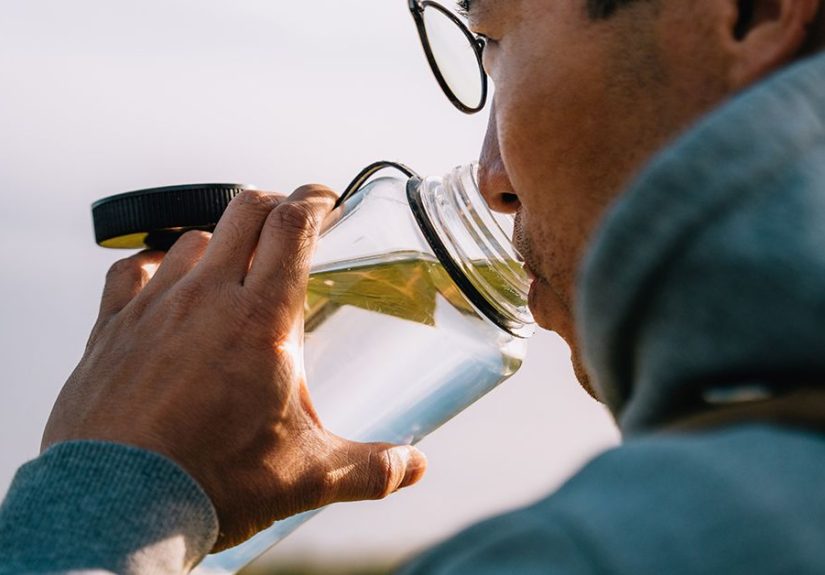
Yes, drinking enough water can help prevent and relieve mild constipation, especially when dehydration or low fluid intake is part of the problem. Water helps keep stool softer and supports the movement of waste through the intestines. It also helps fiber work properly, which is where things get especially important.
Fiber is often praised as the hero of constipation relief, and it deserves some applause. But fiber without enough fluid can be like adding sawdust to a clogged pipe and hoping for poetry. Soluble fiber absorbs water and forms a gel-like substance that can soften stool. Insoluble fiber adds bulk and helps move stool along. Both types work better when your body has enough fluids available.
If you suddenly eat more beans, oats, berries, vegetables, or take a fiber supplement without increasing fluids, you may feel more bloated, gassy, or backed up. In other words, fiber and water are a team. Fiber brings the structure; water brings the slide.
How Much Water Should You Drink for Constipation?
There is no perfect “constipation water number” that applies to everyone. Fluid needs vary based on age, body size, activity level, climate, diet, health conditions, and medications. A person who exercises in hot weather will usually need more fluid than someone sitting in an air-conditioned room all day. A teen athlete and a retired office worker do not have the same hydration needs, no matter what a random wellness meme says.
Many adults hear the classic “eight glasses a day” guideline. It can be a useful starting point, but it is not a medical law carved onto a cucumber. A better approach is to watch your body’s signals. Pale yellow urine, regular thirst cues, and fewer dehydration symptomssuch as dry mouth, headache, dizziness, or very dark urinecan suggest you are doing reasonably well. If your urine looks like strong tea and you cannot remember your last glass of water, your colon may be filing a complaint.
For constipation support, try drinking fluids consistently throughout the day rather than waiting until night and panic-drinking like you are preparing for a desert hike. A glass of water in the morning, fluids with meals, and extra water when eating high-fiber foods can be more helpful than random overhydration.
What Counts as Fluid?
Water is the simplest choice, but it is not the only fluid that counts. Other helpful options include herbal tea, clear soups, broth, milk, and naturally water-rich foods such as oranges, berries, melon, cucumbers, lettuce, tomatoes, and zucchini. Fruits and vegetables bring a bonus: they contain both fluid and fiber, which is a lovely digestive two-for-one deal.
Caffeinated drinks such as coffee and tea can contribute to daily fluid intake for many people, though some individuals find caffeine irritates their stomach or increases urgency. Alcohol, on the other hand, can contribute to dehydration and may worsen digestive irregularity. Sugary drinks may add calories without much nutritional value, so they should not become your main “constipation treatment plan.” Your colon appreciates water; it does not need a soda sponsorship.
Warm Water, Cold Water, or Lemon Water: Does Temperature Matter?
Some people swear by warm water in the morning. Others prefer cold water. Some add lemon and act like they have discovered a secret portal to wellness. The science is not as dramatic as the claims, but the habit may still help. Warm liquids can feel soothing and may encourage a morning routine, which matters because your colon is often more active after waking and after meals.
Lemon water is fine if you like the taste and it helps you drink more fluid. But lemon itself is not a guaranteed constipation cure. Think of it as a flavor upgrade, not a tiny yellow doctor. If citrus bothers your stomach, plain water is perfectly respectable. Your digestive system does not require garnish.
Water Works Best with Fiber-Rich Foods
If constipation is common for you, look at your plate as well as your water bottle. Fiber-rich foods are among the most reliable nutrition tools for bowel regularity. Good choices include oats, whole-grain bread, brown rice, beans, lentils, peas, berries, apples with the skin, pears, broccoli, carrots, leafy greens, chia seeds, flaxseed, and prunes.
Prunes deserve their reputation. They contain fiber and natural compounds that can help draw water into the intestines. They are not glamorous, but they are effective enough that they have survived decades of jokes and still show up ready to work.
The key is to increase fiber gradually. Going from a low-fiber diet to a mountain of beans overnight can make your gut inflate like a parade balloon. Add fiber slowly over days or weeks, and drink enough fluids as you go. This gives your digestive system time to adjust without creating a dramatic soundscape.
Simple High-Fiber Meal Ideas
For breakfast, try oatmeal with berries and ground flaxseed, plus a glass of water. For lunch, make a lentil soup or a turkey sandwich on whole-grain bread with lettuce and tomato. For dinner, pair grilled chicken or tofu with brown rice and roasted vegetables. For snacks, choose pears, apples, nuts, yogurt with chia seeds, or hummus with carrots.
These meals support constipation relief because they combine fiber, moisture, and nutrients. They also taste like actual food, which is always a bonus. Nobody wants a “wellness routine” that feels like punishment with garnish.
Movement Helps Water Do Its Job
Hydration matters, but your intestines also respond to movement. Walking, cycling, swimming, stretching, dancing in your kitchen, or taking the stairs can help stimulate normal bowel activity. Physical activity encourages the muscles in the digestive tract to move stool along. You do not need to train for a marathon. A daily walk can be surprisingly useful.
For many people, constipation gets worse during travel, long study sessions, desk work, or periods of inactivity. Sitting for hours can slow everything down. If your body is parked all day, your bowel may also decide to park. Short movement breaks, even five to ten minutes, can support better digestion.
Bathroom Habits That Make a Difference
Water can help, but bathroom behavior matters too. Try not to ignore the urge to go. When you delay bowel movements repeatedly, stool may stay in the colon longer, becoming harder and more difficult to pass. Your body sends the memo; do not leave it unread for six hours.
A regular routine can help. Many people have a natural urge after breakfast because eating triggers movement in the colon. Give yourself a calm window in the morning when possible. Sit without rushing, breathe deeply, and avoid straining. A small footstool that raises your knees can help create a more natural position for bowel movements.
Also, try not to turn toilet time into a full social media expedition. Sitting too long can increase pressure around the rectal area. If nothing happens after several minutes, get up and try again later. Your bathroom is not an office branch.
When Water Is Not Enough
If you are drinking enough water, eating fiber, moving regularly, and still struggling, constipation may need a different approach. Some people benefit from short-term use of over-the-counter options such as bulk-forming fiber supplements, osmotic laxatives, or stool softeners. However, these should be used carefully and according to label directions. For children, pregnant people, older adults, or anyone with ongoing health problems, it is best to ask a healthcare professional before using laxatives regularly.
Constipation can also be related to medications, including some pain relievers, iron supplements, antacids containing calcium or aluminum, antidepressants, blood pressure medicines, and others. Do not stop a prescribed medication on your own, but do ask your healthcare provider whether constipation could be a side effect.
Warning Signs: When to Call a Healthcare Professional
Occasional constipation is common. But some symptoms deserve medical attention. Contact a healthcare professional if constipation is new and persistent, lasts more than a few weeks, or comes with severe abdominal pain, vomiting, unexplained weight loss, blood in the stool, black stools, fever, anemia, or a sudden major change in bowel habits. Also seek help if you cannot pass gas or stool and feel increasingly uncomfortable.
These warning signs do not mean something terrible is definitely happening, but they do mean it is time to stop guessing. The internet is great for learning why water helps with constipation; it is less great at examining your abdomen.
Common Myths About Water and Constipation
Myth 1: More Water Always Means Better Bowel Movements
More is not always better. If you are already well hydrated, drinking excessive amounts of water may not fix constipation. The issue may be low fiber, low activity, medication side effects, pelvic floor dysfunction, irritable bowel syndrome, or another medical factor. Hydration helps most when you are not getting enough fluids or when you are increasing fiber.
Myth 2: Coffee Dehydrates Everyone and Causes Constipation
Coffee affects people differently. For some, it stimulates bowel activity. For others, it causes stomach discomfort. Moderate coffee intake can contribute to fluid intake for many people, but it should not replace water entirely. If coffee makes you jittery or worsens digestive symptoms, listen to your body.
Myth 3: Fiber Supplements Work Even Without Water
Fiber supplements usually need enough water. Taking them dry or with too little fluid can worsen bloating and constipation. Always follow the product directions and drink adequate fluids unless your healthcare provider has told you to restrict fluids.
Practical Hydration Plan for Constipation Relief
Here is a simple, realistic plan. Start your morning with a glass of water. Eat breakfast with fiber, such as oatmeal, fruit, or whole-grain toast. Drink water or another fluid with lunch and dinner. Add a water-rich snack, such as fruit or yogurt with berries. If you exercise, sweat, or spend time in hot weather, drink extra fluids. When adding fiber, increase it gradually and pair it with more water.
You can also make hydration easier by keeping a reusable bottle nearby, flavoring water with cucumber or fruit, drinking herbal tea, or eating soup with meals. The goal is not perfection. The goal is consistency. Your colon likes routine; it is basically a tiny bureaucrat with muscles.
500-Word Experience Section: Real-Life Lessons from the “Drink More Water” Advice
Here is where the topic gets personalnot in a “dear diary, my colon has betrayed me” way, but in the practical way people actually experience constipation. Many people first hear the advice “drink more water” and assume it is too simple to matter. It sounds like the kind of thing adults say when they cannot find the TV remote: “Have you tried drinking water?” But for mild constipation, the advice can make a real difference when it is applied consistently and paired with the right foods.
Imagine someone who eats a fairly typical busy-day diet: toast in the morning, a sandwich at lunch, pasta at dinner, maybe a snack that came from a bag with a very loud crunch. They drink coffee, maybe a soda, and only remember water around bedtime. Their bowel movements become harder and less frequent. In that situation, adding water throughout the day may help because the body has more fluid available, and the stool is less likely to become dry and difficult to pass.
But now imagine that same person decides to “get healthy” overnight. On Monday, they add bran cereal, lentils, chia seeds, three apples, a giant salad, and a fiber supplement. Admirable? Yes. Gentle on the gut? Absolutely not. By Tuesday, they may feel bloated and even more constipated. The missing piece is often fluid, plus a slower increase in fiber. A better experience would be adding one or two fiber-rich foods at a time, drinking water with meals, and giving the digestive system several days to adjust.
Another common experience is travel constipation. You leave your normal schedule, sit for hours, eat different foods, drink less water to avoid public bathrooms, and ignore the urge to go because the airport restroom has the emotional atmosphere of a haunted vending machine. By the second or third day, your body is not amused. In this case, carrying water, walking during breaks, eating fruit, and responding to bathroom urges sooner can help keep things moving.
Students and office workers often notice constipation during stressful weeks. Long sitting, irregular meals, low fluid intake, and rushing in the morning can combine into a digestive traffic jam. A simple routine can help: water after waking, breakfast with fiber, a short walk, and five unhurried bathroom minutes after eating. It sounds basic, but basic habits are often the ones that actually survive real life.
Some people also learn that water alone is not enough. They drink plenty and still struggle. That experience is valid. Constipation can involve more than hydration, including medications, hormonal changes, low calorie intake, pelvic floor coordination, or chronic digestive conditions. In those cases, the best lesson is not “water failed.” The lesson is “water is one tool, and I may need another tool or professional guidance.”
The most useful takeaway from real life is this: do not treat hydration as a one-day emergency fix. Treat it as a daily support habit. Drink fluids steadily, eat fiber gradually, move your body, and pay attention to patterns. Your bathroom routine does not need to be dramatic. Ideally, it should be boringand in digestive health, boring is beautiful.
Conclusion: Water Helps, But It Likes Company
So, does water help with constipation? Yes, especially when constipation is connected to dehydration, low fluid intake, or increased fiber needs. Water helps keep stool softer, supports fiber, and assists the body’s natural waste-moving process. But water works best as part of a complete constipation relief plan: fiber-rich foods, regular movement, consistent bathroom habits, and medical attention when symptoms are persistent or concerning.
If your constipation is occasional, start with simple steps: drink fluids regularly, add fiber slowly, move daily, and do not ignore the urge to go. If the problem continues or comes with warning signs, talk with a healthcare professional. Your digestive system may not send thank-you cards, but it usually appreciates the support.
Note: This article is for general educational purposes and is not a substitute for medical advice. It is based on widely accepted guidance from reputable health organizations and medical resources, including U.S. digestive health, academic medical center, and clinical education sources.