Table of Contents >> Show >> Hide
- Why Insoles Matter More When You Travel
- Dr. Scholl’s Insoles Review: First Impressions
- Best Dr. Scholl’s Insoles for Travel
- Comfort Test: What They Feel Like After a Long Travel Day
- Pros and Cons of Dr. Scholl’s Insoles
- How to Choose the Right Dr. Scholl’s Insoles for Travel
- How to Use Dr. Scholl’s Insoles Without Ruining the Fit
- Are Dr. Scholl’s Insoles Good for Plantar Fasciitis?
- My Verdict: Are Dr. Scholl’s Insoles Worth It?
- Who Should Buy Them?
- Final Rating
- Extra Travel Experience: How Dr. Scholl’s Became My “Don’t Leave Home Without It” Hack
- Conclusion
There are two kinds of travelers in this world: people who pack smart, and people who learn about foot pain somewhere between airport security and mile seven of a “quick little walk” through a new city. I have been both. That is why this Dr. Scholl’s insoles review existsnot as a dramatic love letter to shoe inserts, but as a practical, slightly foot-weary confession: the right pair of insoles can turn a painful travel day into a surprisingly comfortable one.
Dr. Scholl’s has been a familiar name in foot care for generations, but the brand has become especially relevant for travelers, commuters, festival-goers, theme park parents, nurses, teachers, and anyone whose vacation itinerary secretly looks like a marathon. Whether you are walking through Rome, standing in TSA lines, exploring Disney, or dragging a carry-on across three terminals like it owes you money, your feet need more than cute sneakers and optimism.
In this review, I’ll break down how Dr. Scholl’s insoles perform for travel, which styles make the most sense, what they do well, where they fall short, and whether they deserve space in your suitcase. Spoiler: they are not glamorous. But neither is limping back to your hotel at 6 p.m.
Why Insoles Matter More When You Travel
Travel changes the way you use your feet. At home, you may walk from your desk to the kitchen and call it “movement.” On vacation, suddenly you are walking 12,000 to 25,000 steps a day, standing on hard museum floors, climbing stairs, and pretending cobblestones are charming instead of tiny medieval foot traps.
The problem is that many travel shoes are chosen for style first and support second. Flat sneakers, slip-ons, loafers, sandals, and casual walking shoes often come with thin factory insoles. They may feel fine for errands, but after hours of sightseeing, your arches, heels, knees, and lower back may start filing formal complaints.
That is where Dr. Scholl’s shoe inserts come in. Depending on the model, they are designed to add cushioning, arch support, pressure distribution, shock absorption, and a more comfortable underfoot feel. They cannot magically make bad shoes perfect, and they are not a substitute for medical treatment, but they can noticeably improve everyday walking comfort.
Dr. Scholl’s Insoles Review: First Impressions
The first thing I like about Dr. Scholl’s insoles is their accessibility. You do not need a prescription, a podiatrist appointment, or a mysterious foot scan from the future. You can find them online or in major stores, trim many styles to fit, and slide them into sneakers, boots, walking shoes, or casual shoes.
Most Dr. Scholl’s insoles are clearly labeled by purpose. Some are made for tired feet, some for walking longer, some for plantar fasciitis-style heel and arch discomfort, some for work shoes, and others for running or lower-body pain prevention. That matters because “the best insole” is not one-size-fits-all. A traveler with flat feet has different needs than someone who simply wants more cushioning inside a stylish sneaker.
For travel, the most useful options are typically the 24-Hour Energy Multipurpose Insoles, Walk Longer Insoles, Prevent Pain Protective Insoles, and certain Custom Fit Orthotics. These are the styles most aligned with long days, repeated impact, and shoes that need an instant comfort upgrade.
Best Dr. Scholl’s Insoles for Travel
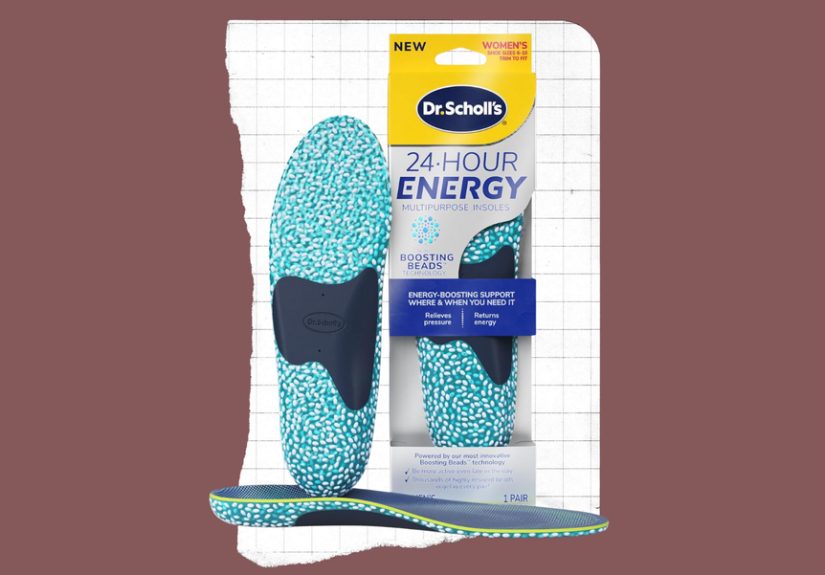
1. Dr. Scholl’s 24-Hour Energy Multipurpose Insoles
If your travel style involves “just one more neighborhood” until your phone says you walked six miles, the 24-Hour Energy Multipurpose Insoles are the most travel-friendly pick. They combine memory foam and gel-style cushioning with a responsive feel that helps reduce that dull, tired-foot sensation after a long day.
These insoles are especially good for travelers who want comfort without turning their shoes into orthopedic-looking moon boots. They are designed to fit many everyday shoes and can be trimmed to match your existing insole. The feel is cushioned, slightly bouncy, and supportive enough for casual walking, airport days, city trips, and long sightseeing routes.
The only catch? They can make tighter shoes feel snug. If your sneakers already fit like they were designed during a sock shortage, adding a cushioned insole may crowd your toes. For best results, use them in shoes with removable factory insoles or a little extra interior room.
2. Dr. Scholl’s Walk Longer Insoles
The Walk Longer Insoles are built for exactly what the name promises: more comfortable walking. They are designed to reduce muscle fatigue in the feet and legs while adding cushioning and support. For travelers, they work well in sneakers that feel slightly flat, older shoes that have lost their bounce, or casual shoes that look great but feel suspicious after hour three.
These are a smart choice if your itinerary includes city walking, shopping streets, museums, outdoor markets, college tours, or theme parks. They are less about targeted medical support and more about general walking comfort. Think of them as a soft reset button for shoes that are still wearable but no longer exciting your arches.
3. Dr. Scholl’s Prevent Pain Protective Insoles
The Prevent Pain Protective Insoles are better suited for travelers who worry about more than sore feet. They are designed with cushioning, support, and shock absorption that may help reduce stress through the foot, knee, and lower back during repeated walking and standing.
If you know long travel days often leave you feeling stiff or uncomfortable, these may be worth considering. They are not a cure for chronic pain, and anyone with persistent pain should talk with a qualified healthcare professional, but they can be a useful over-the-counter option for everyday support.
4. Dr. Scholl’s Custom Fit Orthotics
Dr. Scholl’s Custom Fit Orthotics are designed to provide a more personalized fit than standard trim-to-size insoles. The brand offers online and in-store ways to help match shoppers with a specific orthotic number. For travelers who have ongoing arch or heel discomfort but are not ready for expensive custom orthotics, this can be a middle-ground option.
The advantage is support. The disadvantage is that they may not feel as plush as softer travel insoles, and the three-quarter length design may feel different if you are used to full-length cushioning. They are best for people who prioritize arch support and pressure relief over pillow-like softness.
Comfort Test: What They Feel Like After a Long Travel Day
The best way to judge travel insoles is not by pressing them with your thumb in a store aisle. Everything feels promising under fluorescent lighting. The real test is walking through an airport, waiting in a rideshare line, exploring for hours, then realizing dinner is “only” a 22-minute walk away.
In everyday travel use, Dr. Scholl’s insoles shine in three areas: cushioning, shock absorption, and fatigue reduction. The foam and gel-style layers help soften hard surfaces, while the added structure makes thin shoes feel more capable. You may not notice a dramatic difference in the first five minutes. The magic shows up later, when your feet are less angry than usual.
The biggest improvement is usually in shoes with weak original insoles. Fashion sneakers, slip-ons, casual boots, and older walking shoes can feel noticeably better. If your shoes are already premium walking shoes with strong built-in support, the upgrade may be less dramatic.
Pros and Cons of Dr. Scholl’s Insoles
Pros
- Affordable comfort upgrade: They cost much less than buying new travel shoes.
- Easy to find: Many styles are available online and in major retail stores.
- Travel-friendly: They are lightweight and easy to pack as a backup pair.
- Good cushioning: Many models make hard walking surfaces feel less punishing.
- Trim-to-fit designs: Most full-length versions can be cut to match your shoe size.
- Multiple options: You can choose based on walking, work, sport, heel pain, arch support, or general fatigue.
Cons
- Fit can be snug: Cushioned insoles may crowd tight shoes.
- Not all models offer strong arch support: Softer comfort insoles may not be enough for serious support needs.
- Trimming requires care: Cutting too much can ruin the fit. Measure twice, snip once.
- Not a medical fix: Persistent foot, knee, hip, or back pain should be evaluated by a professional.
- Break-in may be needed: Supportive insoles can feel odd at first, especially if your shoes were previously flat.
How to Choose the Right Dr. Scholl’s Insoles for Travel
Choosing insoles is a little like choosing a hotel pillow: the wrong one can ruin your mood, but the right one makes you wonder why you ever accepted discomfort as a lifestyle.
For general sightseeing
Choose the 24-Hour Energy Multipurpose Insoles or Walk Longer Insoles. These are ideal for city trips, airport days, casual walking, shopping, and vacations where you want extra comfort without overthinking your biomechanics.
For heel and arch discomfort
Look at Dr. Scholl’s Heel & Arch All-Day Pain Relief Orthotics or Custom Fit Orthotics. These offer more targeted support than basic cushion inserts and may be better for travelers who commonly experience heel or arch soreness.
For lower-body fatigue
The Prevent Pain Protective Insoles are a stronger candidate if you tend to feel travel days in your knees, lower back, or legs. Again, they are not a treatment plan, but they may help make long walking days more manageable.
For running or fitness trips
Use Run Active Comfort Insoles if you plan to jog, train, or spend time in athletic shoes. Travel walking and running place different demands on your feet, so it is worth matching the insole to the activity.
How to Use Dr. Scholl’s Insoles Without Ruining the Fit
Start by removing the original insole from your shoe if possible. Place it on top of the Dr. Scholl’s insole and trace the shape. Then trim slowly along the guide. Do not aggressively cut like you are opening a bag of chips during a movie trailer. Small adjustments are safer.
After trimming, insert the insole toe-first with the fabric side facing up. Press the heel down so it sits flat. Walk around your home before taking them on a trip. This step is important. The airport is not the place to discover that your left shoe now feels like it contains a folded tortilla.
If the shoe feels too tight, try thinner socks or a roomier pair of shoes. If your toes feel cramped, do not force it. Crowded toes can create blisters, numbness, and a travel attitude best described as “not vacation brochure material.”
Are Dr. Scholl’s Insoles Good for Plantar Fasciitis?
Dr. Scholl’s makes insoles aimed at heel and arch pain, including options marketed for plantar fasciitis-related discomfort. These may help some people by adding arch support, heel cushioning, and shock absorption. However, plantar fasciitis can have different causes and severity levels, so no over-the-counter insert works for everyone.
If your heel pain is mild and linked to unsupportive shoes, trying a supportive insole may be reasonable. If pain is sharp, persistent, worsening, or affecting how you walk, it is smarter to speak with a podiatrist or healthcare provider. Your feet are not being dramatic; they are your transportation department.
My Verdict: Are Dr. Scholl’s Insoles Worth It?
Yes, Dr. Scholl’s insoles are worth it for many travelersespecially if you want an affordable, easy, low-risk way to make your existing shoes more comfortable. They are not miracle devices, but they are one of the simplest travel hacks I recommend because they solve a real problem without taking up much space or costing as much as new shoes.
The 24-Hour Energy Multipurpose Insoles are my top pick for most travelers because they balance cushioning, responsiveness, and everyday wearability. The Walk Longer Insoles are excellent for reviving tired sneakers, while Custom Fit Orthotics make sense if you need more structured arch support.
The best part is that insoles allow you to keep wearing shoes you already like. Instead of choosing between “cute but painful” and “comfortable but emotionally confusing,” you can often land somewhere in the middle. That, my friends, is the travel sweet spot.
Who Should Buy Them?
Dr. Scholl’s insoles are a strong buy for casual travelers, frequent flyers, city explorers, theme park visitors, commuters, and anyone who spends long days standing or walking. They are especially helpful if your shoes look good but feel too flat, too thin, or too tired for serious walking.
They may not be ideal if you need prescription orthotics, have severe foot pain, require highly specific arch correction, or wear shoes that are already tight. In those cases, a professional fitting or a more specialized orthotic may be the better route.
Final Rating
Comfort: 4.5/5
Travel usefulness: 5/5
Value for money: 4.5/5
Ease of use: 4/5
Best for: Long walking days, sightseeing, airports, casual sneakers, and tired travel feet.
Extra Travel Experience: How Dr. Scholl’s Became My “Don’t Leave Home Without It” Hack
My most memorable insole lesson happened on a trip where I made the classic traveler mistake: I packed shoes based on outfits, not mileage. The sneakers looked clean, modern, and perfectly reasonable. They also had insoles so thin they might have been cut from polite cardboard. On day one, everything felt fine. By day two, my feet had developed opinions. By day three, I was calculating the distance between coffee shops like a survival expert.
I bought a pair of Dr. Scholl’s insoles almost out of desperation. I trimmed them in the hotel room with tiny travel scissors, which was not elegant but worked. The next morning, the difference was immediate enough to make me suspicious. My shoes felt fuller, softer, and more stable. The pavement did not disappear, but it stopped feeling like it was personally attacking my heels.
What surprised me most was not the first hour of comfort. It was the end of the day. Normally after a long sightseeing route, I would return to the hotel and perform the ancient traveler ritual of removing my shoes while making a noise usually reserved for haunted houses. With the insoles, my feet still felt usedbecause walking all day is walking all daybut they were not throbbing in the same way. I could go to dinner without changing into emergency sandals. This is what adulthood calls luxury.
Since then, I have treated insoles like a travel tool, not an afterthought. I test them before the trip, pair them with the shoes I actually plan to wear, and never assume that “comfortable enough for errands” means “comfortable enough for vacation.” Those are two different planets. A shoe that handles Target on a Tuesday may not survive Barcelona, New York, Las Vegas, or a theme park day where everyone suddenly wants to “circle back” to the ride on the opposite side of the map.
I also learned that insoles are useful beyond sneakers. They can improve boots in cold destinations, casual lace-ups for city breaks, and older shoes that still look good but have lost their internal support. They are also great for travel days because airports involve more standing than anyone admits. Between check-in, security, boarding, customs, baggage claim, and waiting for transportation, your feet are working before the vacation even begins.
My practical advice is simple: pack one tested pair of Dr. Scholl’s insoles even if you think you will not need them. They weigh very little, take up almost no space, and can rescue a pair of shoes that suddenly turns against you. Just do not debut them on the first day of a major trip. Wear them around the house, take a short walk, and make sure the fit is right.
For me, Dr. Scholl’s insoles are not a flashy travel gadget. They do not have Bluetooth. They will not organize your passport, translate a menu, or make airplane coffee taste better. But they do something more important: they help keep you moving comfortably enough to enjoy the trip you planned. And when your vacation depends on your feet, that is not a small thing. That is the whole itinerary.
Conclusion
Dr. Scholl’s insoles are one of the easiest travel upgrades you can make. They are affordable, widely available, simple to use, and effective enough to improve many everyday shoes. For travelers who walk more on vacation than they do in normal life, that extra cushioning and support can make a big difference.
The best choice depends on your needs. Pick 24-Hour Energy Multipurpose Insoles for all-around travel comfort, Walk Longer Insoles for extended sightseeing, Prevent Pain Protective Insoles for lower-body support, and Custom Fit Orthotics if arch support is your priority. No insole can replace a properly fitted shoe or professional care for ongoing pain, but the right pair can turn “my feet are done” into “sure, let’s walk to dessert.” And honestly, that is the kind of travel math I support.
Note: This article is written for general informational and editorial review purposes. If you have persistent foot, heel, knee, hip, or back pain, consult a qualified healthcare professional before relying on over-the-counter insoles.