Table of Contents >> Show >> Hide
- When Live Comedy Becomes a Contact Sport
- 1. Chris Kattan’s Painful Chair Fall During a Golden Girls Parody
- 2. Molly Shannon’s Mary Katherine Gallagher Battle Scars
- 3. Taran Killam’s Painful Tumble While Filming “Blazer”
- 4. The Chevy Chase, Bill Murray, and John Belushi Backstage Fight
- What These SNL Injuries Reveal About Live Sketch Comedy
- Extra Reflections: What Watching SNL Injuries Teaches Viewers About Comedy, Risk, and Respect
- Conclusion
Note: This article is written for web publication and is based on real public accounts, interviews, memoir reporting, and widely reported Saturday Night Live history. It avoids graphic detail while focusing on the strange, painful, and very human cost of live sketch comedy.
When Live Comedy Becomes a Contact Sport
Saturday Night Live has been making America laugh since 1975, but the famous Studio 8H stage has never been just a place for punchlines. It is also a pressure cooker with trap doors, breakaway furniture, quick costume changes, speeding cameras, tight timing, and comedians who sometimes treat their own bodies like disposable props. For viewers at home, a pratfall lasts two seconds. For the performer, it may echo through Sunday morning, Monday rehearsal, and, in some cases, the rest of their career.
That is the odd magic of SNL: the show has always sold the illusion that chaos is under control. A sketch may look loose, silly, and spontaneous, but behind the camera are cue cards, floor marks, stagehands, directors, writers, producers, and performers trying to land jokes before the clock wins. The danger is that comedy rewards commitment. A half-fall is rarely funny. A fully committed tumble can bring down the house. Unfortunately, it can also bring down the performer.
The stories below are not about slapstick in theory. They are about real people who took real hits while trying to make a live audience laugh. Some injuries were physical, some were bruising in a broader sense, and one backstage scuffle became part of SNL mythology. Together, these examples show why “Live from New York” has always sounded a little like a warning label.
1. Chris Kattan’s Painful Chair Fall During a Golden Girls Parody
Among all Saturday Night Live injury stories, Chris Kattan’s is one of the most serious and widely discussed. Kattan, a cast member from the late 1990s into the early 2000s, built a career on elastic physical comedy. Whether he was dancing as Mango, bobbing his head as one of the Butabi Brothers, or launching himself into oddball characters, his style depended on movement. He was not the kind of performer who merely delivered a line and waited for applause. He threw himself at the joke.
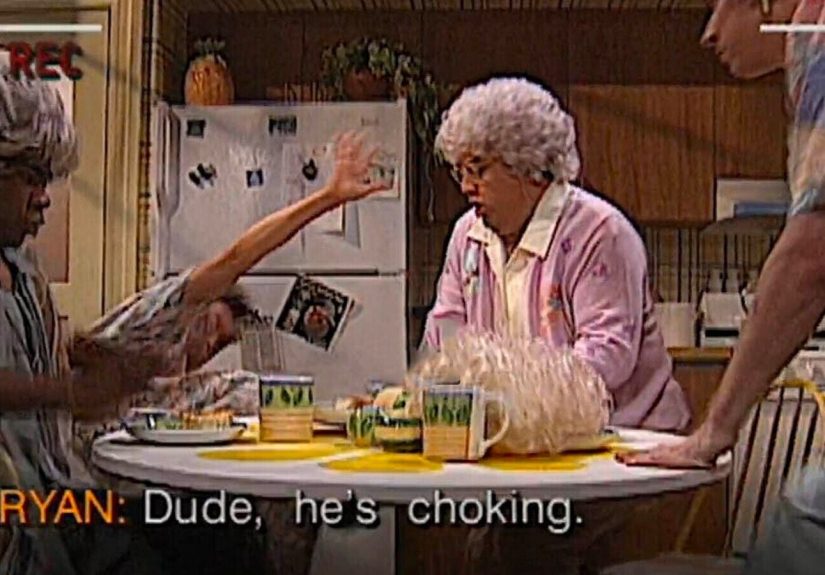
According to Kattan’s own account in his memoir, his worst SNL injury happened during a 2001 sketch called “MSNBC Investigates,” a parody involving teenage boys obsessed with acting out scenes from The Golden Girls. The sketch called for Kattan to fall backward in a chair. It was the kind of bit that sounds simple on paper: chair tips, body drops, audience laughs. In live comedy, however, simple can be dangerous. Kattan later said the fall caused a serious neck injury that affected him for years.
The most complicated part of the story is that Kattan’s claim has been reported alongside NBC’s statement that the network had no record of a claim related to the incident. That distinction matters. What is clear is that Kattan publicly connected the injury to the sketch and said it led to surgeries and long-term consequences. Whether viewers noticed anything unusual in the moment is almost beside the point. Live television often moves so quickly that pain can be swallowed by applause, then buried beneath the next cue card.
Why This Injury Changed the Way Fans See Physical Comedy
Kattan’s story forces a difficult question: how much should comedians risk for a laugh? Physical comedy has always depended on the appearance of danger. Buster Keaton, Lucille Ball, John Belushi, Chris Farley, Molly Shannon, and many others understood that audiences respond when performers look as if they have lost control. But the performer has to remain safe enough to do it again. When that balance fails, the joke stops being a gag and becomes a workplace hazard wearing a wig.
For SEO readers searching for “SNL injuries,” “Chris Kattan neck injury,” or “Saturday Night Live accidents,” this example usually sits at the top because it combines a famous show, a memorable performer, and a frightening reminder that even choreographed comedy can go wrong. The chair was supposed to be part of the joke. Instead, it became part of SNL injury lore.
2. Molly Shannon’s Mary Katherine Gallagher Battle Scars
If Chris Kattan’s injury story is the cautionary tale, Molly Shannon’s Mary Katherine Gallagher era is the punk-rock version of “please, someone add more padding.” Shannon’s iconic Catholic schoolgirl character was nervous, theatrical, sweaty, ambitious, and physically fearless. Mary Katherine Gallagher did not merely enter a room. She attacked it with elbows, enthusiasm, and the emotional stability of a talent show volcano.
Shannon has spoken openly about how much she put her body through for the character. In interviews and memoir-related coverage, she described throwing herself into chairs and waking up the next day sore, bruised, and sometimes surprised by the aftermath. That is both hilarious and slightly alarming, like watching someone win Olympic gold in competitive self-destruction.
What made Mary Katherine Gallagher work was the total absence of vanity. Shannon was not trying to look cool. She was trying to look overwhelmed by feeling, and that meant making every movement too big. A normal performer might mime a collapse. Shannon seemed to declare war on gravity. Chairs were not furniture in her sketches; they were comedy partners with terrible bedside manners.
The Genius of Commitment
The reason Shannon’s physical comedy remains beloved is that it had emotional truth underneath it. Mary Katherine Gallagher was not just a clumsy character. She was a kid desperate to be seen, loved, applauded, and declared a “superstar.” The reckless body language made sense because the character lived at maximum volume. She was a marching band of anxiety in one school uniform.
Still, Shannon’s experience shows the double edge of being a fearless performer on SNL. The more completely a cast member commits, the more memorable the sketch can become. But that commitment comes at a cost. Bruises, sore muscles, and minor cuts may sound small compared with more serious injuries, but repeated physical punishment can add up. Comedy does not become safer just because the audience is laughing.
Mary Katherine Gallagher remains one of the great SNL characters because Shannon made the pain part of the rhythm without turning it into the subject. Viewers laughed at the character’s wild confidence and social panic, not at Shannon being hurt. That is an important difference. The best physical comedy looks dangerous while still protecting the performer. Shannon’s stories remind us how thin that line can be.
3. Taran Killam’s Painful Tumble While Filming “Blazer”
Taran Killam brought a different kind of athletic energy to Saturday Night Live. During his run on the show, he became known for impressions, sharp timing, and a willingness to go full action-hero when a sketch demanded it. One of the best examples was “Blazer,” an over-the-top parody of 1980s cop shows. Think sunglasses, dramatic poses, macho editing, and the kind of running that says, “I solve crimes with cheekbones.”
Killam later discussed the physical demands of the sketch in an interview with Seth Meyers. The bit involved classic action-show moves: vaulting, jumping, sliding, and selling every ridiculous pose like the fate of network television depended on it. During filming, he reportedly performed multiple takes successfully before one final attempt went wrong. He clipped his heel and hit the ground hard.
That moment captures a classic SNL problem: the final take is always tempting. If the first take is good, someone wonders whether the next one could be great. If the camera was not quite right, everyone resets. If the joke almost landed perfectly, the performer tries again. Then fatigue enters the room wearing tap shoes, and suddenly the body that nailed the stunt four times decides it has filed a complaint.
Why Pre-Taped SNL Sketches Can Still Be Risky
Many viewers assume live sketches are the dangerous ones, while pre-taped segments are safer because they allow planning and editing. That is partly true. Pre-tapes offer more control, but they also invite bigger physical ideas. A live sketch may limit movement because the set is small and the timing is strict. A filmed parody can include running, falling, cars, rooftops, fight choreography, fake action beats, and comedy stunts that would never fit on the main stage.
Killam’s tumble became funny because it matched the absurd tone of “Blazer.” The character was a walking action cliché, and the fall punctured the swagger. Yet the pain was still real. That is the strange bargain of physical sketch comedy: the audience gets a perfect comic button, while the performer gets a reminder that pavement has no sense of humor.
This example also highlights why SNL performers often seem like athletes trapped inside writers’ rooms. They rehearse at odd hours, perform under pressure, film under tight deadlines, and then do it again the next week. No one hands out helmets for irony.
4. The Chevy Chase, Bill Murray, and John Belushi Backstage Fight
Not every SNL injury happens during a sketch. Sometimes the most painful moments happen just offstage, where egos, exhaustion, resentment, and adrenaline gather like unpaid interns. The infamous backstage fight between Chevy Chase and Bill Murray in 1978 remains one of the most repeated stories in Saturday Night Live history.
Chase had been SNL’s first breakout star. After leaving the show, he returned to host, which was awkward in the way a Thanksgiving dinner is awkward when the cousin who got rich in Hollywood comes back and expects his old bedroom. Bill Murray, who had joined the cast after Chase’s departure, carried his own pressure. He was not simply a new cast member; he was constantly compared to the guy who left.
Accounts of the fight vary in details, but the broad outline is familiar. The tension built during the week, sharp words were exchanged, and shortly before airtime, the conflict became physical. John Belushi, reportedly involved in stirring the pot, tried to get between the two men and took some of the punishment in the scramble. Chase then had to go out and host the live show, because nothing says professionalism like delivering a monologue after a backstage brawl.
The Bruise That Became a Legend
The Chase-Murray-Belushi fight is not remembered because it was the worst physical injury in SNL history. It is remembered because it exposed the emotional violence of the show’s early pressure cooker. SNL was young, famous, competitive, and fueled by enormous ambition. The cast members were inventing a new kind of television while becoming celebrities faster than they could process.
In that environment, comedy could feel like combat. Screen time mattered. Characters mattered. Weekend Update mattered. Who got the laugh mattered. Who got the movie offer mattered. SNL has always been an ensemble show, but it has also created individual stars, and that contradiction can make the backstage air very flammable.
Today, the fight reads almost like a lost sketch: three comedy legends, a dressing-room confrontation, someone rushing to separate them, and a live broadcast waiting outside like an impatient taxi. But beneath the myth is a useful lesson. Physical injury on SNL is not always about falling through a set or crashing into chairs. Sometimes the bruises come from the emotional pressure of live fame.
What These SNL Injuries Reveal About Live Sketch Comedy
The most fascinating thing about these four examples is how different they are. Chris Kattan’s story centers on a single fall with long-term consequences. Molly Shannon’s story is about repeated physical commitment in pursuit of a character. Taran Killam’s tumble shows how filmed sketches can push performers into action-comedy territory. The Chase-Murray-Belushi fight reveals the backstage intensity that can boil over before the red light even turns on.
Together, they explain why Saturday Night Live remains both glamorous and terrifying. The show is built on speed. Monday brings pitches. Tuesday brings writing. Wednesday brings table reads. Thursday and Friday bring rewrites, rehearsals, set construction, costume decisions, music, edits, and panic. Saturday brings dress rehearsal, more cuts, and finally the live broadcast. By the time a sketch airs, everyone involved has sprinted through a creative obstacle course while pretending this is all perfectly normal.
That schedule rewards bold performers. It also punishes hesitation. On SNL, a performer may get only one chance to make a character stick. If that means diving into chairs, falling backward, sprinting across a filmed set, or pushing through backstage chaos, the temptation is obvious. The audience remembers the fearless moment. The body remembers the landing.
This is why SNL injuries continue to fascinate fans. They peel back the curtain. We usually see the polished chaos: the wig, the catchphrase, the stumble, the laugh. Injury stories remind us that the people inside the costumes are working under real physical and emotional strain. The joke may be fake. The soreness is not.
Extra Reflections: What Watching SNL Injuries Teaches Viewers About Comedy, Risk, and Respect
There is a strange viewer experience that comes with learning about SNL injuries after the fact. You go back to a sketch you once watched casually, and suddenly it looks different. A fall that seemed silly now carries a little tension. A chair crash feels less like cartoon business and more like a choice someone had to make in real time. The laugh is still there, but it has company.
That does not mean audiences should stop enjoying physical comedy. Slapstick is one of the oldest forms of entertainment for a reason. People have laughed at pratfalls for centuries because bodies are funny. We are all one wet floor away from becoming our least dignified selves. The difference is that professional performers build art out of that universal embarrassment. They study timing, rhythm, surprise, and recovery. The best physical comedians do not simply fall; they fall with punctuation.
But these SNL stories also suggest that viewers should respect the craft more. A performer who crashes into furniture for a laugh is not being careless by default. Often, they are making a calculated comic choice. They are deciding that the character’s desperation, arrogance, panic, or confidence will read more clearly if the body joins the joke. Molly Shannon’s Mary Katherine Gallagher is funny because the movement reveals the soul of the character. Taran Killam’s action-hero parody works because his body understands the genre being mocked. Chris Kattan’s physical style made his characters unforgettable because he treated movement as language.
At the same time, comedy should not require performers to ignore pain or hide injuries. The entertainment industry has spent generations romanticizing toughness: finish the scene, make the show, do not complain, laugh it off. SNL, with its live format and legendary pace, can intensify that mindset. The show must go on, yes, but the performer should also be able to go home intact.
Modern audiences are more aware of workplace safety, stunt coordination, mental health, and long-term physical strain than past viewers were. That awareness does not make comedy less fun. In fact, it can make it better. When performers are protected, they can take smarter risks. When stunts are planned carefully, the illusion of chaos becomes more convincing. When cast members feel safe enough to speak up, the work improves because fear is not secretly directing the sketch.
The enduring appeal of these injury stories is not just morbid curiosity. It is admiration. Fans admire the nerve it takes to perform live. They admire the split-second decisions, the commitment, the willingness to look foolish, and the resilience required to come back the next week with a new wig and a new accent. SNL injuries remind us that comedy is not soft work. It is fast, demanding, sometimes bruising labor disguised as play.
So the next time a cast member throws themselves into a sketch with total abandon, it is worth laughing and appreciating the mechanics behind the laugh. Somewhere beneath the costume is a person counting beats, hitting marks, trusting scene partners, and hoping the chair, floor, camera, and universe cooperate. When they do, we get television magic. When they do not, we get another story for the strange medical chart of Saturday Night Live.
Conclusion
Four excruciating examples of people getting injured on SNL reveal the hidden cost of America’s most famous sketch-comedy pressure cooker. Chris Kattan’s alleged neck injury, Molly Shannon’s Mary Katherine Gallagher bruises, Taran Killam’s action-parody tumble, and the legendary Chevy Chase-Bill Murray-John Belushi fight all show different kinds of pain behind the laughs. Some moments happened in sketches, some happened backstage, and some became comedy folklore. What connects them is commitment: the wild, risky, sometimes foolish commitment that makes live comedy feel alive.
Saturday Night Live works because it feels like anything can happen. These stories prove that sometimes, anything really does.