Table of Contents >> Show >> Hide
- Why Fish Photos Work So Well Online
- What People Are Really Showing When They Post Their Fish
- The Fish That Always Steal the Show
- How To Take a Fish Photo That Does Not Look Like a Tiny Comet
- Why Fish Owners Get So Attached
- Fish Are Not “Just Decorations”
- The Experience of Posting Your Fish: An Extra From the Tank Side
- Conclusion
There are two kinds of pet photos on the internet: the ones people politely “like,” and the ones that make everyone stop scrolling and say, “Okay, wait, why is that fish giving me attitude?” This is firmly about the second kind.
“Hey Pandas, Post A Picture Of Your Fish” sounds simple, but it opens the floodgates to one of the most unexpectedly delightful corners of the internet. Fish photos are funny, calming, weirdly elegant, and occasionally dramatic in a way that suggests somebody in that tank absolutely knows they are the main character. One betta looks like a floating royal cape. One goldfish seems permanently shocked that taxes exist. One tetra school moves like a tiny synchronized dance team that never signed a union card but still deserves benefits.
And that is exactly why fish content works so well online. It is visual, low-stakes, colorful, and full of personality. Better yet, it taps into something bigger than cute pet pictures. It reveals how many people are attached to creatures that outsiders sometimes dismiss as “just fish.” That phrase tends to fall apart the second you meet a fish owner who can identify feeding quirks, favorite hiding spots, tankmate drama, and the exact expression their fish makes when dinner is late by forty-five seconds.
So if you are posting a picture of your fish, you are not just uploading a nice aquarium snapshot. You are sharing a tiny underwater world, a little bit of care, a little bit of art, and often a lot more personality than people expect. Here is why these photos hit so hard, what makes them fun to look at, and what they quietly say about the people who keep fish in the first place.
Why Fish Photos Work So Well Online
Fish pictures have a built-in advantage: they are naturally cinematic. Even a basic home aquarium can look like a glowing miniature stage set. You have movement, color, reflections, plants, bubbles, shadows, and creatures that can look regal one second and hilariously confused the next. A dog photo may say, “I was outside.” A fish photo says, “Welcome to my enchanted underwater kingdom, please ignore the algae scraper in the background.”
There is also the surprise factor. People tend to underestimate fish until they actually spend time watching them. Then suddenly they notice patterns. Certain fish hover at the glass when their person enters the room. Some species are social and active, while others are territorial and full of side-eye. Tetras glide in groups, bettas patrol like tiny emperors, and goldfish often manage to look both majestic and slightly offended at all times.
That surprise is part of the appeal. A good fish photo makes viewers rethink what pet companionship looks like. Not every bond has to involve a leash, a litter box, or a shredded couch cushion. Sometimes it is built through daily feeding, careful maintenance, and the peaceful ritual of checking whether everyone in the tank looks bright, active, and ready to judge your aquascaping choices.
They Are Beautiful Without Trying Too Hard
A fish does not need a costume, a seasonal bandana, or a carefully staged birthday party to look great in a photo. Nature handled the design department already. Metallic scales, translucent fins, jewel tones, pearly whites, tiger stripes, speckles, and neon flashes do most of the work. Even the species people call “plain” can look stunning once light catches the body at the right angle.
That natural beauty is why fish photos tend to feel satisfying even when they are casual. A phone snapshot of a healthy tank can still look like wall art. The colors are rich, the motion is soft, and the subject usually appears to be either floating through a dreamscape or plotting something elaborate.
They Feel Peaceful in a Loud Internet
The web is crowded, noisy, and obsessed with urgency. Fish photos are the opposite. They slow people down. Watching fish swim through plants and drift around decor has a calming effect that people have noticed for years, and it is one reason aquariums remain so appealing in homes, offices, and waiting rooms. A fish picture feels like a tiny deep breath in the middle of a chaotic feed.
That is why threads built around fish photos often feel unusually wholesome. Nobody is arguing about lighting tricks or pretending the fish “woke up like this.” Everyone is just collectively admiring a creature that looks like it belongs on a fantasy book cover and also maybe bit the thermometer once out of spite.
What People Are Really Showing When They Post Their Fish
When someone shares a fish photo, they are rarely showing only the fish. They are also showing the tank, the setup, the environment, and the care behind it. To experienced fishkeepers, that background tells a whole story.
A clear tank, steady planting, thoughtful decor, and fish that look active and comfortable all suggest patience and routine. Good fishkeeping is not random. It involves planning, water conditioning, temperature control, filtration, partial water changes, and paying attention to the species you keep. In other words, the best fish pictures usually come from people who are not winging it.
That is part of what makes these posts interesting. They are beautiful, yes, but they also showcase responsibility. A healthy fish does not happen by accident. Stable water quality matters. So does avoiding sudden temperature swings, overfeeding, and the temptation to treat a tank like a decorative object instead of a living environment. If a great fish picture looks effortless, that usually means somebody did the work before the photo was taken.
Good Fish Photos Usually Start With Good Fish Care
Healthy fish photograph better. Their colors are brighter, their fins look better, and their behavior is more natural. That is why the secret behind a scroll-stopping fish image is often not the camera at all. It is the boring but important stuff: conditioned water, working filters, regular maintenance, species-appropriate tankmates, and feeding habits that do not turn the aquarium into a floating buffet disaster.
Fish owners learn quickly that tanks thrive on consistency. Partial water changes are usually smarter than dramatic full-tank overhauls. Cleaning everything at once can disrupt the good bacteria that help keep the environment stable. Overfeeding is a classic mistake, especially with species that will continue eating simply because food exists and self-control is not part of the package. A tidy routine is what keeps the underwater glamour shot possible.
And because tanks and tank water can carry germs, smart fishkeeping includes hygiene for humans too. That means washing up after feeding, cleaning, or handling aquarium equipment. The fish may be starring in the photo, but the person behind the camera still has responsibilities that extend beyond choosing the flattering angle.
The Fish That Always Steal the Show
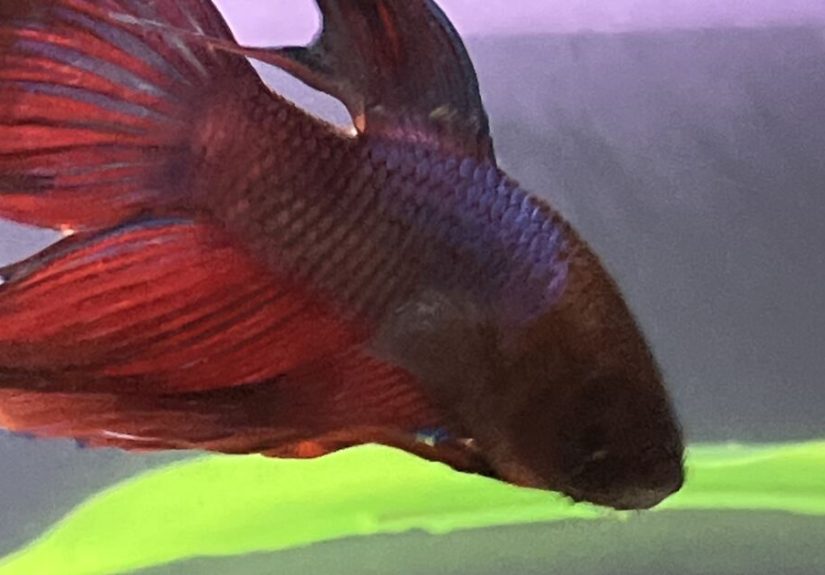
Some species have an especially strong “post me online immediately” energy. Bettas are obvious standouts because they look like they were designed by somebody who took one watercolor class and got carried away. They flare, pose, drift, and sulk in a way that reads almost comically human.
Goldfish are another classic. They may be familiar, but that is exactly why people love seeing them in beautiful, well-kept tanks instead of tiny bowls from old cartoons. In the right setup, goldfish are expressive, active, and far more charming than their outdated reputation suggests. They can look curious, goofy, bold, and weirdly philosophical all in the span of a single feeding.
Tetras bring a different kind of magic. They are less about one diva moment and more about group beauty. A school of tetras moves through a planted tank like confetti with purpose. They add motion, rhythm, and color, and when photographed well, they make an aquarium look alive in a very complete way.
Koi, guppies, corydoras, angelfish, rasboras, and cichlids all have their own fan clubs too. Some win on color, some on shape, some on personality, and some on sheer “I cannot believe this tiny animal looks like that” value. The truth is, almost every fish can become photogenic once it is healthy, comfortable, and given a habitat that suits it.
How To Take a Fish Photo That Does Not Look Like a Tiny Comet
Anyone who has ever tried to photograph a fish knows the challenge. Fish have the audacity to keep moving. Glass reflects everything. Tank lights create glow in one spot and mystery darkness in another. The fish waits until you are ready, then becomes a blur with fins.
Still, great fish photos are absolutely possible, and the best ones usually follow a few simple rules. Clean the glass first. That sounds obvious, but it is the difference between “beautiful aquatic portrait” and “is that fish behind fingerprints?” Shoot at eye level with the subject if possible. Let the tank lighting do the work instead of blasting harsh flash directly into the glass. Be patient. Fish photography is not a one-click sport; it is a quiet standoff where the fish eventually grants you one usable frame.
Background matters too. Plants, rocks, driftwood, and open swimming space can make the fish pop. A cluttered tank can look busy on camera even when it feels fine in person. That is why thoughtfully arranged aquariums tend to photograph best. They guide the eye toward the fish while still making the whole environment feel alive.
And sometimes the best picture is not the most perfect one. Maybe the fish is making a ridiculous face. Maybe it swam straight into the frame like it heard its name. Maybe the shot is slightly chaotic but full of personality. Honestly, those are often the pictures people love most.
Why Fish Owners Get So Attached
People who do not keep fish sometimes assume the relationship is distant. Feed, clean, repeat, the end. But that misses the emotional texture of fishkeeping entirely. Fish owners spend a lot of time observing, adjusting, and learning. They notice when a fish is more active than usual, less interested in food, hiding more often, or suddenly claiming a favorite corner of the tank like a tiny underwater landlord.
That repeated observation builds familiarity. Familiarity builds attachment. Before long, owners are naming fish, identifying personalities, and rearranging plants because “Pebbles likes to sleep back there.” Outsiders may laugh, but fishkeepers know the routine. The bond is quieter than it is with a dog, maybe, but it is still real.
There is also something deeply satisfying about caring for a living ecosystem. A tank is not just one pet; it is balance, chemistry, motion, and habitat. When it is working well, the whole thing feels rewarding. When you post a picture of your fish, you are also showing that balance in action. It is a small creative project, a caretaking habit, and a daily ritual all glowing behind glass.
Fish Are Not “Just Decorations”
One of the best things about a fish-photo thread is that it quietly pushes back against the old idea that fish are decorative objects. They are living animals with needs, stress responses, species-specific behavior, and limits. They should not be treated like moving ornaments or impulse purchases that survive on vibes alone.
Responsible fishkeeping starts with choosing species carefully, learning adult size before bringing fish home, and making sure tankmates are compatible. Not every colorful fish belongs in the same social scene. Some need schools. Some need hiding places. Some need more room than people expect. Some absolutely do not want roommates. A dramatic fish can be entertaining, but not if the drama comes from a bad setup.
The good news is that fishkeeping has come a long way. More owners understand filtration, tank cycling, water testing, and species-appropriate habitats than ever before. That education shows up in better tanks and, yes, in better photos. A gorgeous fish image is nice. A gorgeous fish image that also reflects good welfare is even better.
The Experience of Posting Your Fish: An Extra From the Tank Side
Posting a picture of your fish is a strangely vulnerable little act. It sounds silly until you do it. You are not just saying, “Here is a pet.” You are saying, “Here is a thing I spend time on, care about, and probably talk to more than I should.” That is part of what makes those threads so charming. They are full of people showing off tiny pieces of their routine, and hoping somebody else understands why this particular orange goldfish, blue betta, or school of glittering tetras matters so much.
For many owners, the experience starts long before the photo. It begins with the daily ritual of walking by the tank in the morning and checking who is out and about. One fish is already cruising the front glass like a breakfast supervisor. Another is wedged into a plant like it worked a double shift and would appreciate privacy. You feed them, watch them settle, maybe trim a plant, maybe top off the water, maybe just stand there for a minute longer than you meant to because the tank has become part pet habitat, part moving artwork, part emotional reset button.
Then comes the moment when one fish looks unusually photogenic. Maybe the fins catch the light perfectly. Maybe a goldfish turns just enough to reveal a face that is somehow both noble and ridiculous. Maybe a shy fish appears in the open for once, and you scramble for your phone like you have just seen a celebrity in sweatpants at the grocery store. That is the fish-owner experience in a nutshell: long stretches of patience interrupted by absolute nonsense and brief moments of beauty.
Sharing the photo adds another layer. Suddenly other people are naming the vibe. “He looks judgmental.” “She is serving mermaid queen.” “That fish has better hair than I do.” And somehow that makes the whole hobby feel more social. Fishkeeping can be quiet and individual, but fish photos create community. They invite stories. Somebody posts a betta and another person comments that theirs used to flare at a red pen. Somebody shares a goldfish and ends up in a thread about tank upgrades, favorite foods, and how one fish learned exactly where the snack hand appears.
There is humor in it, but also pride. A good fish photo often represents weeks or months of care that nobody sees. Clean water, stable parameters, compatible species, good food, working equipment, patience with algae, patience with plants, and patience with the fish itself, which may refuse to cooperate precisely because it knows you want the picture. When the final shot looks effortless, that can feel oddly satisfying. The fish is thriving. The tank looks good. The moment feels worth sharing.
And that is probably the real magic behind “Hey Pandas, Post A Picture Of Your Fish.” It is not only about showing a pet. It is about showing attention. It is proof that people build real affection around small daily acts of care. Behind every crisp fish photo is somebody who noticed, learned, adjusted, cleaned, waited, and then smiled when the fish finally turned the right way. That is not trivial. That is connection, just wearing scales instead of fur.
Conclusion
Fish-photo threads work because they combine beauty, humor, and real affection in one easy-to-love package. They remind people that fish are not bland background pets. They are colorful, expressive, species-specific animals that thrive when given thoughtful care. They also remind us that the internet is at its best when it pauses long enough to admire something gentle, strange, and unexpectedly charming.
So yes, post the picture of your fish. Post the grumpy goldfish, the glamorous betta, the elegant tetra school, the plant jungle explorer, the algae-snacking workhorse, and the one that always appears at the glass like it has a formal complaint. Underwater pets may be quiet, but their photos say a lot. They say someone cared enough to build a world, maintain it, notice it, and share it. On the internet, that is a pretty refreshing thing to see.
Note: This is original, publication-ready <body>-only HTML in standard American English, with unnecessary citation artifacts removed.