Table of Contents >> Show >> Hide
- What Is a Blep?
- Why Do Pets Blep?
- Why Blep Photos Are Internet Gold
- How to Capture the Best Blep Photo of Your Pet
- How to Tell a Cute Blep From a Possible Health Concern
- What Makes a Blep Photo Truly Share-Worthy?
- Creative Caption Ideas for Pet Blep Photos
- Tips for Sharing Pet Photos Safely Online
- Blep Photos Beyond Cats and Dogs
- Why Pet Photo Threads Make People Feel Good
- How to Turn a Blep Photo Into a Mini Story
- Common Mistakes to Avoid When Taking Blep Photos
- Experience Section: The Joy of Chasing the Perfect Pet Blep Photo
- Conclusion
Some pet photos are majestic. Some are dramatic. Some look like your dog just discovered taxes. But the humble blep photo sits in a special category of internet joy: tiny tongue, huge personality. Whether it is a cat forgetting to reload its tongue after grooming, a dog resting with one pink corner peeking out, or a bunny looking like it has just delivered the punchline to a private joke, a pet blep is the kind of small, silly moment that can make an entire comment section collectively melt.
The phrase “Hey Pandas, post your best blep photo of your pet” fits perfectly into the playful, community-driven spirit of online pet-sharing culture. It is part photo challenge, part emotional support buffet, and part friendly reminder that animals do not need professional lighting, a designer bandana, or a ring light to become icons. Sometimes all they need is one tiny tongue doing absolutely nothing.
But behind every great blep photo is more than luck. There is timing, patience, comfort, a little knowledge of pet behavior, and the ability to say, “Wait, don’t move!” while your cat ignores you completely. This guide explores what blepping is, why pets do it, how to capture the perfect blep photo, and how to share it online in a way that is funny, respectful, and safe for your furry, feathery, or scaly star.
What Is a Blep?
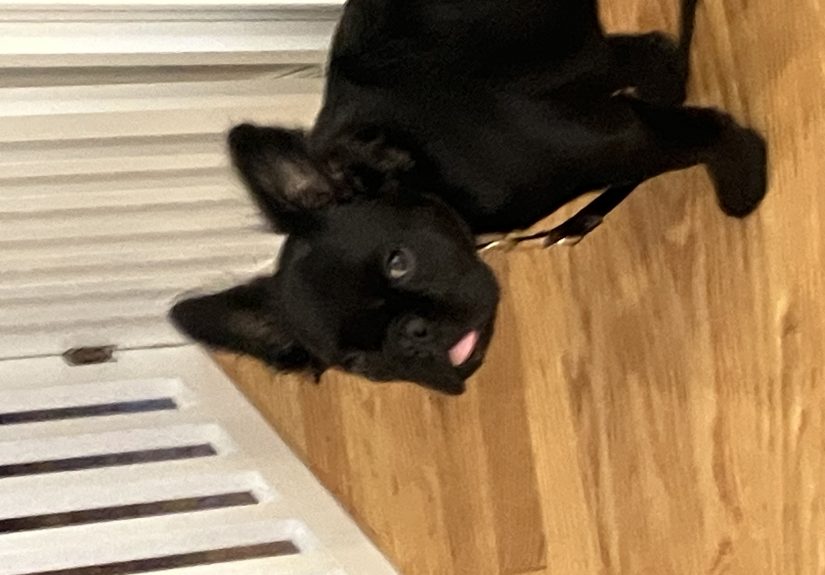
A blep is internet slang for the adorable moment when an animal’s tongue sticks out slightly, usually while the pet appears relaxed, distracted, sleepy, or blissfully unaware of its own comedic power. It is different from a big panting dog tongue or a cat licking its chops. A true blep is subtle. It is the pet-photo equivalent of a tiny drumroll.
Most people associate bleps with cats and dogs, but plenty of animals can join the club. Rabbits, ferrets, reptiles, guinea pigs, and even birds can produce tongue-out moments that send pet lovers into a spiral of “I would like to frame this and put it above my couch.” In online communities, blep photos often work because they combine two irresistible ingredients: cuteness and imperfection.
Why Do Pets Blep?
Blepping can happen for several harmless reasons. A cat may leave its tongue out after grooming because it got interrupted mid-clean. A dog may let its tongue rest slightly outside the mouth while relaxed. Some pets blep while sleeping because their jaw loosens. Others do it while investigating a smell, tasting the air, cooling down, or simply existing in maximum derp mode.
For cats, the tongue plays a huge role in grooming, eating, and exploring the world. A quick blep may happen after a grooming session when your cat pauses, stares at the wall, and seems to download a software update. Dogs, meanwhile, often show tongue-out expressions when they are calm, happy, or cooling off after play. A relaxed mouth, soft eyes, loose posture, and comfortable body language usually suggest a pet is feeling at ease.
That said, pet owners should pay attention to context. A silly blep is usually no big deal, but a tongue that hangs out constantly, looks dry, changes color, or appears with drooling, bad breath, trouble eating, pawing at the mouth, swelling, or sudden behavior changes deserves a call to a veterinarian. Cute photos are wonderful; healthy pets are better.
Why Blep Photos Are Internet Gold
Pet blep photos spread online because they feel honest. They are not polished in the way a formal portrait might be. A blep is spontaneous, awkward, and deeply relatable. Humans know what it feels like to be caught at the exact wrong angle. Pets just happen to make it look adorable.
There is also a community factor. Prompts like “Hey Pandas, post your best blep photo of your pet” invite people to participate instead of simply scroll. One person shares a cat with a tiny tongue. Someone else posts a senior dog with a sleepy blep. Another person adds a hamster who appears to be judging humanity. Before long, the thread becomes a tiny gallery of joy.
Online pet communities thrive on this kind of low-pressure participation. Nobody needs to be a professional photographer. Nobody needs a rare breed or a perfect background. The whole point is to celebrate the weird little expressions that make each pet memorable.
How to Capture the Best Blep Photo of Your Pet
1. Keep Your Camera Ready
The first rule of blep photography is simple: the blep waits for no one. By the time you unlock your phone, open the camera, switch modes, clean the lens, and whisper “please still be doing it,” your cat may have already retracted the tongue and resumed plotting against gravity.
Keep your phone nearby during your pet’s most relaxed moments: after naps, after grooming, during couch time, or when your dog is lounging after a walk. Use burst mode or live photo features when available. A blep can last half a second, and taking several frames increases your chance of catching the exact moment when the tongue is visible and the eyes are peak comedy.
2. Use Natural Light
Natural light is your best friend. Window light, shaded outdoor areas, and soft morning or late-afternoon lighting can make pet photos look clear and warm without startling your animal. Flash can create harsh shadows, strange glowing eyes, and a pet who decides the photo session is now over forever.
Try placing your pet near a window, but avoid direct sunlight that makes them squint or overexposes their fur. A softly lit blep photo feels cozy, clear, and natural. Plus, it makes your pet look like the star of a tiny indie film titled One Tongue, Many Feelings.
3. Get Down to Their Level
One of the easiest ways to improve pet photography is to shoot from your pet’s eye level. Photos taken from above can make pets look smaller or less expressive. Getting low allows the viewer to meet the animal face-to-face, which makes the blep more personal and funnier.
For a cat, this might mean crouching beside the couch. For a small dog, it may mean sitting on the floor. For a rabbit, it may mean accepting that your dignity now lives on the carpet. That is fine. Great art requires sacrifice.
4. Focus on the Eyes and Face
A strong blep photo usually depends on facial expression. The tongue is the headline, but the eyes write the article. Is your dog staring nobly into the distance with a single tongue tip showing? Is your cat looking confused, offended, or spiritually absent? Is your guinea pig giving the camera the expression of a tiny landlord?
Tap your phone screen to focus on the face. Make sure the eyes are sharp when possible. A slightly blurry background is fine, but the viewer should clearly see the expression that makes the blep special.
5. Keep the Background Simple
A cluttered background can steal attention from your pet. Before you take the photo, quickly scan the frame. Laundry mountains, snack wrappers, random shoes, or a mysterious pile of “I’ll deal with it later” can distract from the blep masterpiece.
You do not need a studio. A blanket, couch cushion, plain wall, patch of grass, or clean corner can work beautifully. The goal is to make your pet the star, not the half-eaten sandwich on the coffee table.
6. Use Treats and Toys Carefully
Treats and toys can help direct your pet’s attention toward the camera, but use them gently. Hold a treat near the lens if your pet is food-motivated. Make a soft sound. Wiggle a favorite toy. But avoid teasing, startling, or forcing your pet to pose.
The best blep photos happen when pets are comfortable. A stressed pet may show tongue-related behaviors too, but those are not the moments worth chasing. A cute photo should never come at the cost of your animal’s comfort.
How to Tell a Cute Blep From a Possible Health Concern
Most bleps are harmless and hilarious. Still, responsible pet owners know when to laugh and when to pay attention. A quick tongue peek after grooming, sleeping, sniffing, or relaxing is usually ordinary. But a tongue that remains out for long periods, becomes dry or cracked, changes color, or appears with other symptoms may signal a problem.
For dogs, a consistently protruding tongue can sometimes be linked to dental issues, jaw structure, missing teeth, injury, nerve problems, or a condition commonly called hanging tongue syndrome. Flat-faced breeds and some small breeds may be more prone to tongue-out resting positions because of anatomy.
For cats, tongue-out moments may be cute, but drooling, bad breath, trouble chewing, dropping food, pawing at the mouth, bleeding, or reduced appetite can point to dental or oral health problems. Cats are famously good at hiding discomfort, which is impressive and deeply inconvenient for everyone trying to care for them.
The takeaway is simple: enjoy the blep, photograph the blep, celebrate the blep but know your pet’s normal behavior. When something seems unusual, persistent, or paired with signs of discomfort, talk with your veterinarian.
What Makes a Blep Photo Truly Share-Worthy?
A share-worthy blep photo is not necessarily the sharpest or most polished image. It is the one with personality. Maybe your dog is half-asleep with one ear flipped backward. Maybe your cat is sitting in a cardboard box with the expression of a retired wizard. Maybe your parrot looks like it just heard gossip and is legally unable to comment.
The best photos often include a tiny story. A caption can transform a cute image into a memorable post. Instead of writing only “My cat blepping,” try something more playful: “Mochi forgot to put her tongue back after yelling at a dust particle.” Or: “This is Bruno after discovering the word ‘bath.’”
Good captions are short, specific, and true to the pet’s personality. Avoid forcing a joke if the photo already carries the comedy. Sometimes the strongest caption is simply: “No thoughts. Just tongue.”
Creative Caption Ideas for Pet Blep Photos
If you are joining a “Hey Pandas” style photo thread, captions can make your post stand out. Here are a few caption styles that work well:
The Dramatic Caption
“He saw one leaf move and has not recovered emotionally.”
The Confession Caption
“This is the face of someone who knocked over a plant and regrets nothing.”
The Tiny Thought Caption
“Processing snack request… please wait.”
The Royal Caption
“Her Majesty offers one blep to the citizens.”
The Chaotic Caption
“I asked for a normal picture. He gave me modern art.”
Captions should enhance the photo, not explain every detail. Let the image breathe. The blep is already doing most of the heavy lifting.
Tips for Sharing Pet Photos Safely Online
Posting pet photos is fun, but it is smart to protect your privacy. Before uploading, check the background for visible addresses, school names, phone numbers, mail, license plates, or anything personal. A pet photo should show your pet, not accidentally give the internet a tour of your life.
It is also wise to avoid sharing your exact location in real time. If you take a cute dog blep photo at a park, post it later instead of announcing where you are while you are there. Many platforms also store location data in images, though major social networks often strip metadata. Still, checking your privacy settings is a good habit.
Finally, share respectfully. Do not mock pets for medical conditions, injuries, or distress. A silly photo is great when the animal is comfortable and safe. The internet has plenty of room for humor that does not turn discomfort into entertainment.
Blep Photos Beyond Cats and Dogs
Cats and dogs dominate blep culture, but they do not own it. Small pets can deliver elite blep energy. Rabbits may show tiny tongue moments while grooming. Ferrets can look like mischievous noodles with opinions. Guinea pigs and hamsters occasionally create photos that look like miniature Renaissance portraits.
Reptiles can also become blep royalty. A lizard with a tiny tongue flick can look curious, alert, or accidentally hilarious. Birds may not “blep” in the classic cat-and-dog sense, but their tongue-out or beak-open moments can produce the same comic effect. The broader point is that every pet has expressions worth noticing.
That is why community photo prompts work so well. They invite all kinds of pet owners to participate. Big dogs, tiny cats, senior pets, rescue animals, pocket pets, and unusual companions all get a chance to be celebrated.
Why Pet Photo Threads Make People Feel Good
Pet photo threads are not just about cute animals. They create a shared pause. In a busy feed full of arguments, ads, updates, and noise, a collection of blep photos feels like a small digital park bench. People stop, smile, comment, and connect over something simple.
There is also a storytelling element. Many pet owners use these posts to introduce animals who have been with them through major life moments. A blep photo of a senior cat may come with a story about years of companionship. A goofy puppy photo may mark the beginning of a new friendship. A rescue dog’s first relaxed blep might represent trust finally blooming.
That emotional range is what makes pet content so enduring. It can be funny and meaningful at the same time. One second you are laughing at a dog who looks like a potato with Wi-Fi; the next, you are reading about how that dog helped someone through a hard season.
How to Turn a Blep Photo Into a Mini Story
If you want your post to stand out, pair the image with a tiny story. You do not need a long paragraph. Three details are enough: the pet’s name, what was happening, and why the moment is special.
For example: “This is Pickles. He bleps after every nap like he has just returned from a business trip in another dimension.” That one sentence gives the pet a name, sets the scene, and adds humor. Another example: “Luna is 14, queen of the couch, and still undefeated in the art of the accidental blep.” Short, warm, memorable.
Specificity matters. “Cute dog” is fine. “This is Waffles, and he bleps whenever someone says cheese” is better. Details make the photo feel personal and help readers connect.
Common Mistakes to Avoid When Taking Blep Photos
Forcing the Moment
Never pull on your pet’s tongue, hold their mouth open, or force a pose. Besides being unkind, it ruins the charm. A blep is funny because it is natural.
Using Harsh Flash
Flash can startle pets and create unflattering results. Use soft light whenever possible.
Ignoring Body Language
If your pet looks tense, hides, pins their ears, growls, hisses, or tries to leave, stop the photo session. Their comfort comes first.
Overediting the Image
A little brightness or cropping is fine, but heavy filters can make the photo feel less authentic. The blep is already perfect. Let it shine.
Experience Section: The Joy of Chasing the Perfect Pet Blep Photo
Anyone who has tried to photograph a pet knows the process is equal parts art, patience, and comedy. You may begin with a simple goal: capture one adorable blep. Ten minutes later, you are sitting on the floor, holding a squeaky toy in one hand and a treat in the other, while your dog stares at you like you are the one behaving strangely. Technically, the dog has a point.
The most memorable blep photos often happen when you stop trying too hard. A pet who feels watched may suddenly become a professional statue. A cat who was blepping for five straight minutes will retract its tongue the instant the camera appears. A dog who looked sleepy and angelic will stand up, shake, and turn into a blur with paws. Then, just when you give up, the blep returns. It always returns when you are least prepared.
One practical experience many pet owners share is that routine creates opportunity. Pets tend to have predictable silly moments. Some cats blep after grooming. Some dogs blep after a walk, when they are tired and happy. Senior pets may have relaxed tongue-out expressions during naps. Small pets may show quick tongue movements during snack time. Learning your pet’s habits makes it easier to be ready without bothering them.
Another useful lesson is that comfort beats control. The best pet photos are rarely created by commanding an animal to “look cute.” Pets do not understand content calendars. They understand comfort, safety, snacks, play, and whether the human is being weird again. A relaxed environment produces better photos because the pet’s natural personality comes through. The couch, the sunny rug, the favorite blanket, the backyard corner, or the post-nap stretch zone may be better than any staged setup.
Patience also changes the mood of the photo session. If you rush, your pet may become restless or uneasy. If you settle in and let the moment unfold, you may capture more than a blep: a soft gaze, a curled paw, a floppy ear, or the exact expression your pet makes when deciding whether to demand dinner two hours early. These details turn a simple photo into a memory.
There is also something wonderfully bonding about noticing small expressions. A blep photo says, “I see this tiny ridiculous thing you do, and I love it.” Pets fill daily life with moments that are easy to miss: the sleep twitch, the head tilt, the dramatic sigh, the box obsession, the one-tooth smile, the tiny tongue. Photographing those moments becomes a way of appreciating them.
Sharing the photo adds another layer. When people comment, laugh, and post their own pets in return, the experience becomes communal. Suddenly, your pet’s tiny tongue has inspired a parade of cats, dogs, rabbits, lizards, and mystery-shaped fluff creatures. The thread becomes a happy little museum of animals being themselves.
The best part is that blep photos do not require perfection. A slightly crooked frame can be charming. A messy ear can improve the image. A pet looking confused may be exactly what makes the photo unforgettable. In a world that often pushes polished content, blep photos remind us that imperfect moments are often the ones people love most.
So yes, post the blep. Post the blurry-but-hilarious one. Post the senior pet with the sleepy tongue. Post the kitten who looks surprised by its own face. Post the dog who appears to have one brain cell and has temporarily misplaced it. These are the photos that make people pause, smile, and say, “Please tell your pet I love them.”
Conclusion
Hey Pandas, post your best blep photo of your pet is more than a cute prompt. It is an invitation to celebrate the small, silly, heartwarming expressions that make pets unforgettable. A great blep photo does not need expensive gear or perfect staging. It needs patience, soft light, a comfortable pet, and a human ready to appreciate the magic of one tiny tongue.
Whether your pet is a cat, dog, rabbit, ferret, reptile, bird, or wonderfully unclassifiable creature, their blep deserves a moment in the spotlight. Capture it kindly, caption it creatively, share it safely, and enjoy the tiny wave of happiness it sends across the internet.
Note: This article was written for web publication and synthesized from real pet behavior, veterinary health, pet photography, and online pet community best practices without inserting source links into the article body.