Table of Contents >> Show >> Hide
- Why Harvest Timing Matters More Than People Think
- When to Harvest Zucchini Fruit
- How to Harvest Zucchini Without Damaging the Plant
- When to Harvest Zucchini Flowers
- How to Harvest and Handle Zucchini Blossoms
- Pollination and Harvest Go Hand in Hand
- Common Harvest Mistakes to Avoid
- Best Ways to Use Freshly Harvested Zucchini and Flowers
- What Gardeners Learn After a Few Zucchini Seasons
- Final Thoughts
Zucchini has a funny little habit: it spends weeks acting innocent, then suddenly turns your garden into a produce-based jump scare. One day you have a cute, tidy plant with yellow blossoms. The next day you have three respectable zucchinis, two blossoms ready for dinner, and one mystery fruit large enough to require its own zip code.
That is exactly why knowing how and when to harvest zucchini matters so much. Pick too early, and you may miss out on the best size for grilling, sautéing, or stuffing. Wait too long, and the fruit can turn seedy, watery, and tough enough to make you wonder whether you accidentally grew a canoe. The same goes for zucchini flowers: harvest them at the right moment, and they are tender, beautiful, and delicious. Harvest them carelessly, and you may sacrifice future fruit or end up with limp blossoms that have already lost their charm.
This guide breaks down the best time to pick zucchini, how to tell male and female flowers apart, how often to harvest, and what experienced gardeners wish they had known before their first midsummer zucchini avalanche.
Why Harvest Timing Matters More Than People Think
Zucchini is a type of summer squash, which means it is meant to be eaten immature. Unlike winter squash, it is not supposed to sit around on the plant until the rind hardens and the seeds mature. The whole goal is tenderness. That is the sweet spot.
When zucchini is harvested at the right stage, the skin is thin, the seeds are still soft, and the texture is firm without being woody. Flavor is better, too. It tastes fresh and slightly sweet instead of bland and sponge-like. Just as important, frequent harvesting encourages the plant to keep producing. In other words, the more consistently you pick, the more the plant tends to keep going. Zucchini rewards commitment. It is basically the golden retriever of the vegetable patch.
Letting oversized fruit remain on the plant sends the wrong signal. The plant starts to think its reproductive mission is complete, and production can slow down. So even if a fruit gets bigger than you wanted, it is usually better to remove it than to leave it hanging there like a green monument to procrastination.
When to Harvest Zucchini Fruit
The Ideal Size for Most Varieties
For most standard green zucchini varieties, the best harvest window is usually when the fruit is about 6 to 8 inches long. Some gardeners stretch that to around 10 inches, especially for certain varieties, but smaller is usually more tender and more flavorful. If you like baby zucchini, you can pick them even earlier. They are especially delicate and excellent for quick cooking.
If you are growing yellow squash, pattypan, crookneck, or straightneck types alongside zucchini, the ideal harvest size will vary a bit. The principle stays the same: pick while the fruit still looks glossy, feels firm, and has not started developing a hard skin or mature seeds.
What Ready-to-Pick Zucchini Looks Like
A zucchini ready for harvest usually checks several boxes at once:
It looks vibrant and glossy rather than dull. It feels firm and heavy for its size. The skin is tender enough that it does not feel thick or leathery. The fruit is evenly shaped, with no major signs of shriveling or poor pollination. If you slice it open and the seeds are still soft and undeveloped, congratulations, you caught it at the good stage instead of the “why is this full of maracas?” stage.
How Often to Check the Plants
During peak season, zucchini should be checked daily or every other day. Yes, daily. No, this is not an exaggeration. Zucchini can size up fast in warm weather, especially after rain and sunshine. A fruit that looks “almost ready” on Tuesday can become “good grief” by Thursday.
If your garden tends to run hot and productive, morning harvest checks are a smart routine. Bring gloves if your variety has prickly stems or spines. Some zucchinis do not merely grow food; they offer character-building experiences.
How to Harvest Zucchini Without Damaging the Plant
Use a Clean Cut, Not a Wrestling Match
The best way to harvest zucchini is with a clean knife, scissors, or pruning shears. Cut the fruit from the plant, leaving a short piece of stem attached. Do not yank, twist, or attempt to win a strength competition with the vine. That can damage the plant, break nearby stems, or disturb developing fruit and roots.
Clean tools matter because they reduce the chance of spreading disease. This is especially important later in the season, when plants may already be under stress from heat, mildew, insects, or the emotional burden of producing more squash than any household requested.
Do Not Harvest Wet Plants
If the vines are wet from rain, dew, or overhead watering, wait until they dry. Harvesting or moving through wet foliage can help spread disease. It is a small habit that makes a real difference, especially when powdery mildew and other common garden issues start showing up.
Remove Overgrown Fruit Anyway
Every gardener misses one eventually. Maybe it was hidden under a leaf. Maybe life happened. Maybe the zucchini executed a successful camouflage operation. Even if a fruit has grown too large for ideal eating quality, pick it anyway. Leaving it on the plant can slow down new production.
Oversized zucchini still has uses. It can be shredded for breads and muffins, hollowed out for stuffing, added to soups, or shared with that neighbor who always says, “I’d love fresh garden vegetables,” without realizing what they are agreeing to.
When to Harvest Zucchini Flowers
Yes, the Flowers Are Edible
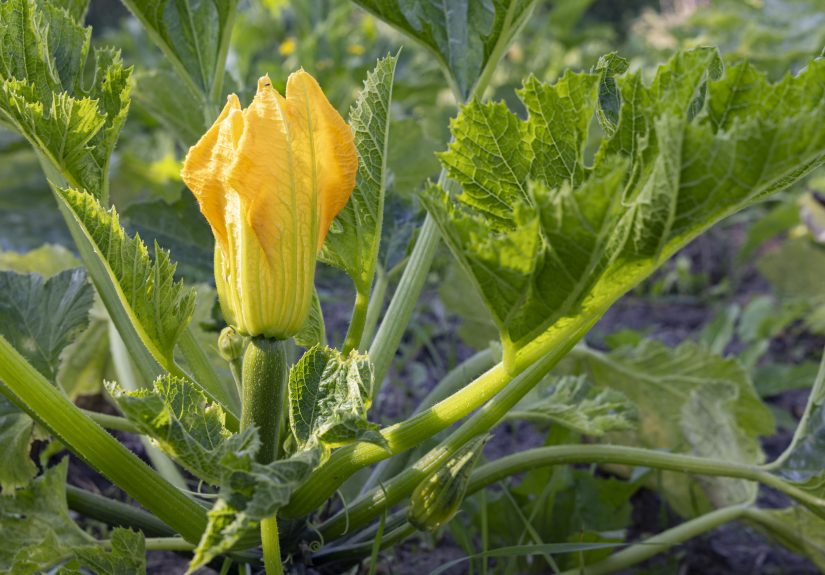
Zucchini flowers, also called squash blossoms, are edible and highly prized in many kitchens. They are delicate, mild, and slightly sweet, and they work beautifully stuffed, fried, folded into quesadillas, scattered over pizza, or added to pasta and eggs.
The best time to harvest them is the day they open, ideally early in the morning. That is when they are freshest, most hydrated, and easiest to handle. If you wait too long into the day, blossoms can wilt quickly, especially in summer heat.
How to Tell Male and Female Flowers Apart
This is the part that saves a lot of regret.
Male flowers grow on long, slender stems and do not have a tiny fruit at the base. Female flowers sit closer to the plant and have a small swollen ovary behind the blossom that looks like a baby zucchini. That tiny swelling is future dinner, so if you harvest a female flower, you are also harvesting the fruit before it develops.
Because of that, most gardeners harvest mostly male flowers. They are the safer choice if you want blossoms to eat while still allowing the plant to produce zucchini.
Which Flowers Should You Pick?
Pick male blossoms that have just opened and look fresh, bright, and intact. Do not strip the plant bare. Leave some male flowers in place so pollinators can move pollen to the female flowers. Without that pollination, your plant may produce blossoms but not much usable fruit.
If you specifically want female blossoms for cooking, you can harvest them, but do it knowingly. That means sacrificing the little zucchini attached to them. Some gardeners do this on plants that are already producing heavily, but it is generally not the first choice if your main goal is fruit harvest.
What If the Plant Has Only Male Flowers?
Do not panic. Early in the season, zucchini plants commonly produce male flowers first. Female flowers often appear later. That early burst of male blooms is normal, not a sign that your plant has joined a dramatic theater group. Be patient and keep the plants healthy.
How to Harvest and Handle Zucchini Blossoms
Use clean scissors or pinch the stem carefully so the blossom stays intact. Harvest in the morning while the flowers are open or just newly opened. Gently inspect inside for insects before bringing them into the kitchen. Blossoms are basically tiny yellow luxury apartments, and bugs sometimes move in without paying rent.
Once harvested, use them as soon as possible. They are delicate and do not store like the fruit. If needed, you can keep them cool for a short time in the refrigerator. Some gardeners place the cut ends in a little water first, then chill them until cooking. The main point is speed: blossoms are a same-day ingredient whenever possible.
Pollination and Harvest Go Hand in Hand
If your zucchini flowers open beautifully but the baby fruit shrivels, yellows, or drops off, poor pollination may be the problem. Bees and other pollinators are crucial because they move pollen from male flowers to female flowers. Rainy weather, low pollinator activity, or bloom-time pesticide use can interfere with fruit set.
If needed, hand pollination can help. Gardeners sometimes transfer pollen from a freshly opened male flower to a female flower by hand when pollinator activity is low. But often the best fix is simpler: give it time, avoid spraying during bloom, and make sure you are not harvesting every single male flower like an overenthusiastic chef with a market bag and a dream.
Common Harvest Mistakes to Avoid
Waiting for “One More Day”
This is the classic error. Many people wait because the fruit looks almost perfect and they want it just a little bigger. Zucchini hears that thought and responds by doubling in attitude overnight.
Harvesting Too Roughly
Pulling fruit off by hand can damage stems and nearby blossoms. Clean cuts are better for both the fruit and the plant.
Picking Every Blossom
Blossoms are delicious, but pollination comes first if you want fruit. Harvest some, not all, and favor male flowers.
Ignoring Oversized Fruit
Even if a zucchini is too big for your favorite recipe, remove it. The plant will usually respond better when old fruit is not left hanging around.
Storing Fruit Wet
Fresh zucchini keeps best when it is dry and unwashed until you are ready to use it. Extra moisture encourages spoilage. Store it in the refrigerator, ideally in a loose or perforated bag, and plan to enjoy it within several days for best quality.
Best Ways to Use Freshly Harvested Zucchini and Flowers
If you harvest zucchini at the ideal stage, you have options. Small to medium fruits are great grilled, roasted, sautéed, spiralized, stuffed, shaved into salads, or baked into breads and muffins. The texture is best when the fruit is still young and the seeds are soft.
Zucchini blossoms are best treated gently. Stuff them with cheese, fold them into omelets, tuck them into quesadillas, or fry them lightly for a crisp shell and tender center. They are one of those ingredients that make dinner feel a little fancy even if you are wearing garden shoes and still have dirt on one elbow.
What Gardeners Learn After a Few Zucchini Seasons
Ask gardeners about zucchini harvest, and you will hear the same theme again and again: the plant teaches speed, humility, and the importance of checking under leaves. The first season often begins with admiration. The plant is vigorous, the flowers are cheerful, and the first baby fruits feel like a triumph. People take photos. They imagine tidy harvest baskets and elegant summer meals. Then the plant starts producing in earnest, and the lesson shifts from celebration to management.
One common experience is realizing that zucchini does not respect weekends away. Gardeners leave on Friday thinking, “There are only a couple almost-ready fruits.” They return to discover vegetables the size of rolling pins hiding in plain sight. The funniest part is that the oversized fruit was probably visible the entire time, but broad leaves and crowded stems create perfect camouflage. Many experienced growers eventually develop a ritual: lift leaves, look twice, and never trust the phrase “I checked yesterday.”
Another frequent lesson involves blossoms. New gardeners often get excited by the abundance of flowers and assume every bloom will become a fruit. Then the first blossoms drop, or only male flowers appear, and worry sets in. Seasoned growers know this is normal. Male flowers usually show up first, and that early bloom period is often more about preparing for pollination than immediate harvest. Once female flowers appear, everything starts to make more sense. Suddenly that tiny swelling behind the blossom becomes easy to recognize, and gardeners become much more selective about which flowers they pick for the kitchen.
There is also the matter of timing. Gardeners who harvest young zucchini usually become passionate about it. After tasting a 6-inch fruit with tender skin and mild flavor, it becomes hard to go back to the giant versions that are mostly useful for shredding into baked goods. People learn that “bigger” is not the same as “better,” which is honestly good advice in gardening and in life.
Many growers also discover that regular harvest changes the whole season. When they pick every day or two, the plants stay productive and the kitchen stays supplied with manageable fruit. When they forget, the plant slows down and quality drops. It is one of those simple habits that feels minor until you see the difference.
Perhaps the most relatable experience is the moment gardeners begin giving zucchini away. First to family, then to neighbors, then to coworkers, then to anyone who makes eye contact too slowly. By that point, harvesting is no longer just about picking food. It becomes part of a summer rhythm: morning walk, quick check, snip the ready fruit, gather a few male blossoms, inspect for hidden giants, and head inside feeling oddly accomplished.
That is the real joy of learning how and when to harvest zucchini and their flowers. It is not just about size charts or blossom anatomy. It is about paying attention. The more closely you observe the plant, the better your harvest gets. And somewhere between your first perfect blossom and your fifth loaf of zucchini bread, you realize the plant has trained you well.
Final Thoughts
The secret to a great zucchini harvest is simple: pick often, pick young, and pick with intention. Harvest fruit while it is still glossy, tender, and moderate in size. Harvest blossoms early, focus mostly on male flowers, and leave enough behind for pollination. Use clean tools, avoid picking when plants are wet, and do not let oversized fruit linger on the vine.
Do that, and zucchini becomes one of the most generous crops in the garden. Ignore it for too long, and it becomes a very confident vegetable with main-character energy. Choose wisely.