Table of Contents >> Show >> Hide
- Apple Pie Was Born Elsewhere, but America Gave It a New Passport
- Before Apple Pie Could Become American, Apples Had to Become American
- Immigrants and Colonists Helped Shape the American Version
- Apple Pie Matched the American Mood
- Patriotism Put Apple Pie on a Pedestal
- Why Apple Pie Beat Out Other Desserts
- Apple Pie in Modern American Culture
- So, How Did Apple Pie Become an Iconic American Dessert?
- The Experience of Apple Pie in American Life
- Conclusion
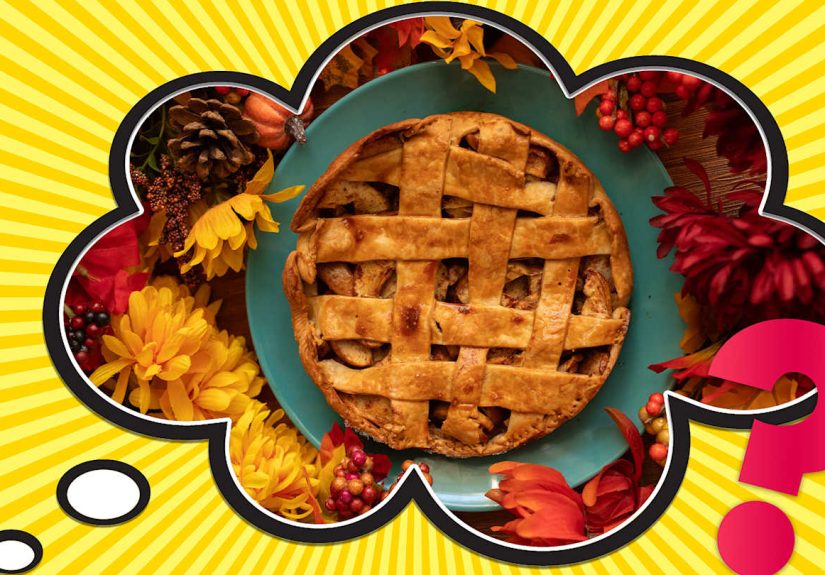
If you ask people to name a classic American dessert, apple pie usually struts into the conversation like it owns the place. It shows up at Fourth of July cookouts, Thanksgiving tables, roadside diners, county fairs, and family reunions where at least one aunt insists her crust recipe is a state secret. The funny part is this: apple pie did not begin in America. Neither did the apples. And yet, somehow, this flaky, cinnamon-scented dessert became one of the most recognizable symbols of American identity.
So how did that happen? How did a dessert with European roots become wrapped so tightly in the American story that people still say something is “as American as apple pie”? The answer has less to do with who invented it and more to do with who embraced it, adapted it, marketed it, mythologized it, and served it warm with a scoop of vanilla ice cream. In other words, apple pie became iconic not because America created it from scratch, but because America turned it into a story about home, abundance, patriotism, comfort, and belonging.
Apple Pie Was Born Elsewhere, but America Gave It a New Passport
The earliest known apple pie recipes come from medieval Europe, especially England. Those early pies were not the golden, bubbling beauties most people picture today. Medieval pie crusts were often thick, sturdy shells meant more to hold the filling than to be eaten. Sugar was expensive, spices were precious, and the whole production leaned more practical than dreamy. In short, early apple pie was less “grandma’s masterpiece” and more “edible container with ambition.”
That matters because it reminds us that apple pie is part of a much older culinary tradition. It evolved through English, Dutch, French, and other European baking practices long before it crossed the Atlantic. The modern American version did not spring fully formed from a colonial oven wearing a little flag. It arrived in pieces: pastry methods, orchard culture, spice traditions, and a general human tendency to put good things inside crust.
The Dessert Was Imported, but the Identity Was Built in America
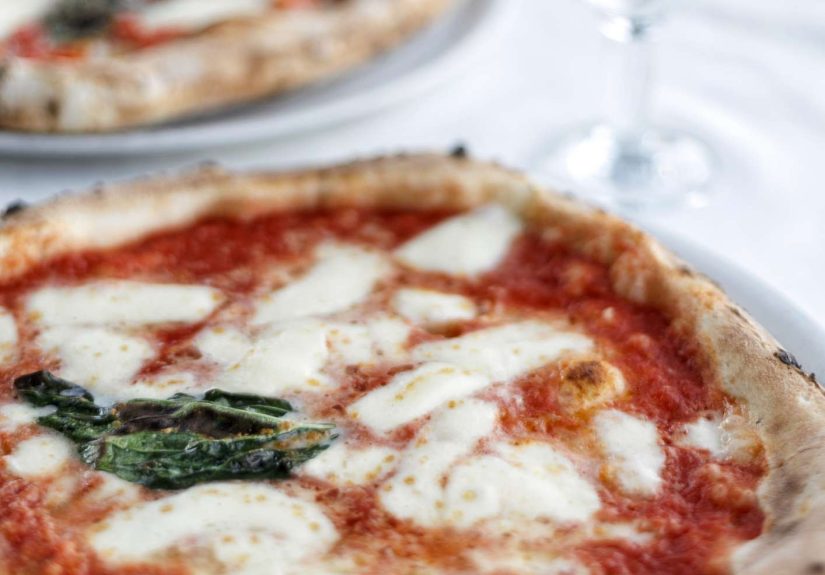
America did not invent the idea of baking apples in pastry, but it did create the conditions for apple pie to become a symbol. That difference is huge. Food icons are not just about origin. They are about meaning. Pizza is Italian in origin, but New York made a whole personality out of it. Tea came from Asia, but Britain practically adopted it as a national hobby. Apple pie followed a similar path in the United States: borrowed recipe, new context, bigger symbolism.
Before Apple Pie Could Become American, Apples Had to Become American
Here is the next twist in the story: apples are not native to North America in the sweet, pie-friendly form most people know today. European settlers brought domesticated apple varieties with them. What existed in North America before then were crabapples, which are real apples, yes, but not exactly the sort that inspire someone to say, “Let’s make dessert.”
Once settlers arrived, apples spread quickly through orchards and farms. At first, many apples in early America were prized more for cider than for snacking or baking. That makes sense. Cider was useful, drinkable, storable, and often safer than questionable water supplies. But over time, as more varieties were cultivated and orchards expanded, apples became a much bigger part of daily life. They were familiar, practical, and increasingly abundant. That abundance would become one of the key reasons apple pie took off.
Johnny Appleseed Helped Turn Apples Into Folklore
No story about apples in America stays apple-only for very long before Johnny Appleseed shows up, wandering in with seeds, legend, and excellent branding. John Chapman became a folk hero not because he invented apple pie, but because he helped weave apples into the mythology of American expansion. His image connected apples with frontier life, self-reliance, and the settlement of new land. Once a fruit gets promoted from produce to folklore, it is already halfway to becoming a national symbol.
Apples fit the American story especially well. They could be grown across many regions, stored through colder months, and turned into multiple useful products. They were not just ingredients. They were settlers’ food, orchard farmers’ livelihood, and household staples. Apple pie later benefited from that deep agricultural foundation.
Immigrants and Colonists Helped Shape the American Version
Apple pie became more distinctly American as different immigrant traditions met in colonial and early national kitchens. English pie-making traditions provided the basic framework. Dutch and German bakers influenced crust techniques and fruit preparations. American cooks then adapted those ideas using local ingredients, local tastes, and local conditions.
This was one of the most American parts of the whole apple pie story: it was collaborative long before “fusion cuisine” became trendy enough to charge extra for it. The dessert was shaped by cultural exchange. Colonists and immigrants experimented with available apples, changing sweeteners, different fats, and evolving spice preferences. What resulted was not a copy of a single European pie, but a distinctly American style that felt at home in American kitchens.
The 1796 Cookbook Moment Was a Big Deal
One important milestone came with American Cookery, published in 1796 and widely recognized as the first American cookbook. It included recipes for apple pie, which helped give the dessert formal recognition in the early United States. That might sound like a small detail, but it was a symbolic one. Once a dish gets into a foundational national cookbook, it stops being just something people make and starts becoming something a culture claims.
That cookbook mattered for another reason too: it signaled that American food was beginning to define itself after independence. The new nation was hungry for its own identity, not just in politics but in daily life. Food played a role in that. Apple pie, with its adaptable ingredients and broad appeal, was well positioned to become part of that emerging culinary identity.
Apple Pie Matched the American Mood
Some foods become symbols because they are luxurious. Apple pie became a symbol because it was democratic. It could be made in farmhouses, town homes, village inns, and later urban kitchens. It used ingredients that became relatively accessible: apples, flour, fat, spices, and sweeteners. It could be humble or fancy, plain or decorative, practical or celebratory. It was a dessert that did not demand a silver spoon pedigree.
That flexibility made apple pie easy to love. It could signal harvest time, hospitality, thrift, celebration, and domestic skill all at once. In a country that liked to imagine itself as hardworking but hopeful, simple but abundant, homemade but proud, apple pie checked a suspicious number of symbolic boxes.
It Was Also Perfect for a Country Obsessed With Home
Apple pie became tied to the American home in ways that went beyond flavor. It smelled like warmth, labor, and care. It was the kind of dessert that seemed to say, “Someone thought ahead.” It could cool on a windowsill, wait on a counter, and feed a crowd without needing the drama of a complicated French pastry. That home-centered image gave apple pie emotional power. It was not just dessert. It was domestic reassurance in crust form.
By the nineteenth century, pies were already deeply woven into American food culture. Newspapers, cookbooks, and popular writing celebrated pie as everyday food and as a marker of household competence. Apple pie, in particular, benefited from the apple’s popularity as the fruit of ordinary people. That gave it a broad social reach. It was not tied to one class, one city, or one season alone. It could belong to nearly everyone.
Patriotism Put Apple Pie on a Pedestal
If apple pie had remained merely popular, it would still be beloved. What made it iconic, though, was patriotism. During the late nineteenth and early twentieth centuries, pie was increasingly treated as a marker of “American” taste. It became part of a larger cultural story about national character, family values, and traditional home life. In that story, pie was wholesome, familiar, and reassuringly domestic.
Then came World War II, and apple pie’s symbolic status rose from popular dessert to patriotic shorthand. The phrase “for mom and apple pie” became associated with what American soldiers were fighting for: home, family, and the comforting ideals of everyday life back in the United States. Once apple pie got drafted into patriotic language, its reputation was basically baked in for good.
“As American as Apple Pie” Stuck Because It Worked
The expression caught on because it was vivid, simple, and emotionally loaded. Apple pie was familiar enough to be instantly understood and warm enough to feel personal. It represented the version of America people wanted to celebrate: generous, homey, optimistic, and rooted in tradition. Never mind that historians could point out its immigrant origins. By then, symbolism had beaten genealogy in a straight fight.
And really, that tension is part of what makes the story interesting. Apple pie became an American icon precisely because America is a nation built from borrowed traditions, transformed ingredients, and people from many places creating something new together. In that sense, apple pie is not less American because it has international roots. It may be more American because of them.
Why Apple Pie Beat Out Other Desserts
America has no shortage of worthy dessert candidates. Peach cobbler has swagger. Pecan pie has Southern confidence. Cheesecake has big-city charisma. Brownies barely need an introduction. So why did apple pie become the icon?
Part of the answer is agricultural reach. Apples could be grown in many parts of the country, especially in climates friendly to orchards. They stored well and were available more broadly than some other fruits. Another part is texture and flavor. Apples hold their shape, release juice, and balance sweetness with tartness beautifully. They cooperate with cinnamon, nutmeg, butter, sugar, lemon, and pastry like they were born for ensemble work.
But the biggest reason may be symbolism. Apple pie felt rustic without seeming poor, celebratory without seeming elite, and traditional without requiring fancy training. It sat comfortably at the intersection of orchard, oven, and national myth. That is a very strong address in America.
Apple Pie in Modern American Culture
Even today, apple pie continues to function as more than food. It appears in campaign language, holiday advertising, tourism imagery, and nostalgic storytelling. It shares symbolic shelf space with baseball, blue jeans, pickup trucks, and front porches. Sometimes that symbolism is sincere. Sometimes it is ironic. Either way, people still get the reference instantly.
It also remains genuinely popular. Americans still buy, bake, serve, and reinvent apple pie in countless forms: double-crust pies, Dutch apple pies, slab pies, hand pies, mini pies, caramel apple pies, cheddar-topped pies, and diner slices so tall they require a little prayer before the first forkful. The icon survives because the dessert still works in real life, not just in slogans.
The Tradition Keeps Evolving
Modern apple pie can be artisanal, old-fashioned, regional, experimental, or supermarket-simple. One family swears by tart Granny Smiths. Another insists on mixing varieties for better flavor. Some pile on crumb topping. Some defend the top crust like constitutional law. There are debates about ice cream, debates about whipped cream, and the quietly dangerous debate about cheddar cheese. Apple pie has managed the rare trick of staying traditional while inviting endless variation.
That ongoing reinvention helps explain why apple pie still feels alive. It is not trapped in a museum case wearing a powdered wig. It keeps showing up at actual tables, in actual kitchens, in actual arguments about whether the bottom crust is soggy.
So, How Did Apple Pie Become an Iconic American Dessert?
Apple pie became iconic because America adopted an old dessert and loaded it with new meaning. European baking traditions gave it a foundation. Settlers and immigrants gave it ingredients, techniques, and local character. Expanding orchards and changing agriculture made apples abundant. Early American cookbooks gave it legitimacy. Home cooks gave it emotional weight. Wartime rhetoric gave it patriotic sparkle. Popular culture gave it staying power.
In other words, apple pie did not become American in one dramatic moment. It became American gradually, through repetition, familiarity, symbolism, and affection. It sat on tables long enough to become memory. It appeared in enough stories to become myth. And it tasted good enough that nobody objected too loudly.
That is the real secret. You can debate origins all day, but if something is delicious, widely shared, emotionally resonant, and useful for national storytelling, it has a strong chance of becoming iconic. Apple pie checked every one of those boxes, then asked for a second helping.
The Experience of Apple Pie in American Life
To understand why apple pie became an iconic American dessert, it helps to move beyond the history books and into actual lived experience. Apple pie is one of those foods that people do not just eat. They remember it. They associate it with a season, a person, a smell, a kitchen, a holiday, or a road trip where a diner waitress called everyone “hon” and somehow knew exactly when to refill the coffee.
For many Americans, apple pie is wrapped up in the feeling of autumn. It is orchard air, plaid shirts, paper bags full of apples, and the annual confidence that this will finally be the year someone masters pie crust without lightly swearing at the counter. The experience often begins before the pie is even baked. It begins in the choosing of apples, the peeling, the slicing, the little mountain of fruit in a mixing bowl, and the smell of cinnamon that announces to the house that something good is happening.
Then there is the family angle, which apple pie wears like a medal. A birthday cake can feel specific to one person. Apple pie often feels communal. It is a dessert made to be cut into pieces and passed around. It encourages gathering. It belongs on a holiday table where at least three generations are negotiating oven space and somebody is pretending not to notice that one cousin already sampled the filling. In that setting, apple pie becomes more than dessert. It becomes evidence that rituals still exist.
There is also a powerful small-town and roadside America attached to apple pie. Think of county fairs, church suppers, bake sales, school fundraisers, and family restaurants with laminated menus and a rotating dessert case. Apple pie feels at home in those places because it does not need ceremony. It can be dressed up for a holiday, but it shines just as brightly on an ordinary Tuesday afternoon next to a mug of coffee. That accessibility is part of the experience. It feels available, familiar, and unpretentious.
Even people who did not grow up baking it often recognize the emotional script. A warm slice suggests comfort. A cooled slice from the fridge the next morning suggests practicality. A slice served with vanilla ice cream suggests celebration. A badly made apple pie, meanwhile, becomes family comedy material for years, which is also a kind of bonding. Not every iconic dessert can survive both reverence and jokes. Apple pie can.
What makes the experience especially American is that it blends nostalgia with reinvention. Families pass down recipes, then ignore half the instructions and add bourbon, oats, cardamom, salted caramel, or a lattice top dramatic enough to deserve its own applause. Some people make deep-dish versions. Some make portable hand pies. Some buy a frozen one and pretend the oven did all the emotional labor. Frankly, that flexibility may be the most authentic part of all.
In the end, the experience of apple pie is not just about taste. It is about participation. You bake it, bring it, share it, remember it, compare it, argue over it, and smell it before you even see it. That kind of sensory and emotional familiarity is exactly how a dessert becomes a national icon. Apple pie did not earn its status by being old alone. It earned it by being repeatedly present in ordinary American life, where the deepest symbols are often built one slice at a time.
Conclusion
Apple pie became an iconic American dessert because it offered the United States something deliciously symbolic: a borrowed recipe transformed into a national tradition. Its roots reach back to Europe, but its rise happened in American orchards, American kitchens, American cookbooks, and American myths. It reflected immigration, adaptation, abundance, and the ideal of home. By the time patriotism and pop culture pushed it into slogan territory, the dessert already had a strong emotional hold on the country.
That is why apple pie still matters. It tells a bigger story about America itself: a place that rarely invents everything from nothing, but often takes many influences and turns them into something unmistakably its own. The next time someone calls something “as American as apple pie,” the phrase is not really about origin. It is about adoption, reinvention, memory, and meaning. Also butter. Definitely butter.