Table of Contents >> Show >> Hide
- Why Classic Italian Pizza Toppings Work So Well
- Before You Top the Pizza: Three Rules for Better Homemade Results
- Classic Italian Toppings to Try on Homemade Pizza
- How to Pair Toppings Without Wrecking the Pizza
- Mistakes to Avoid with Italian-Style Homemade Pizza
- Conclusion: Keep It Simple, Keep It Delicious
- Real Homemade Pizza Experiences: What Classic Italian Toppings Teach You Over Time
Homemade pizza is one of life’s great kitchen flexes. It looks impressive, smells like victory, and somehow makes even a Tuesday night feel like a tiny celebration. But if you have ever stood in front of your fridge holding a bell pepper in one hand and a jar of olives in the other, wondering whether your pizza is becoming dinner or a cry for help, classic Italian toppings are the perfect place to start.
The beauty of Italian pizza is not that it uses a million ingredients. It is the opposite. Traditional combinations usually lean on balance, restraint, and flavor that actually tastes like itself. Tomato tastes like tomato. Mozzarella tastes like mozzarella. Basil shows up, does its job, and does not try to become the main character. That simplicity is exactly why these topping ideas work so well for homemade pizza. They are delicious, practical, and much harder to mess up than a pie loaded with enough toppings to require structural engineering.
In this guide, you will find classic Italian pizza topping ideas, smart pairing tips, and practical advice for building a better pie at home. Whether you love a cheesy margherita, a salty anchovy number, or a white pizza with potatoes and fontina, these combinations deliver old-school flavor with modern home-kitchen sanity.
Why Classic Italian Pizza Toppings Work So Well
Classic Italian pizza toppings are built around contrast and control. You usually get a crisp or chewy crust, bright tomato or olive oil, one or two cheeses, and a few carefully chosen toppings. The result feels complete without feeling crowded. That matters at home because a domestic oven is already doing less than a blazing-hot professional pizza oven. Piling on too much sauce, too much cheese, and too many wet vegetables is the fastest route to a soggy middle and a sad slice flop.
Italian topping traditions also make your ingredient shopping easier. Instead of buying ten random toppings “just in case,” you can focus on a few high-impact ingredients: good canned tomatoes, fresh mozzarella, basil, mushrooms, prosciutto, artichokes, anchovies, olives, sausage, ricotta, or sharp finishing cheese. Suddenly your pizza night looks intentional instead of chaotic. Your wallet may even send a thank-you note.
Before You Top the Pizza: Three Rules for Better Homemade Results
1. Use less than you think you need
The best homemade pizzas are not buried under toppings. A thin layer of sauce, moderate cheese, and a light hand with extras will help the crust bake properly and keep flavors distinct. If your uncooked pizza looks like it is dressed for a blizzard, it is probably overloaded.
2. Watch moisture like a hawk
Fresh mozzarella, tomatoes, mushrooms, and greens all contain water. Drain fresh mozzarella, pat sliced tomatoes dry, sauté mushrooms if they seem especially wet, and avoid drowning the dough in sauce. A great topping combination can still fail if it releases too much liquid in the oven.
3. Add some ingredients after baking
This is one of the smartest Italian pizza moves. Delicate toppings like prosciutto crudo, arugula, basil, and soft ricotta often taste better when added at the end or in the last minute of baking. You get freshness, better texture, and fewer tragic burnt leaves.
Classic Italian Toppings to Try on Homemade Pizza
Pizza Margherita
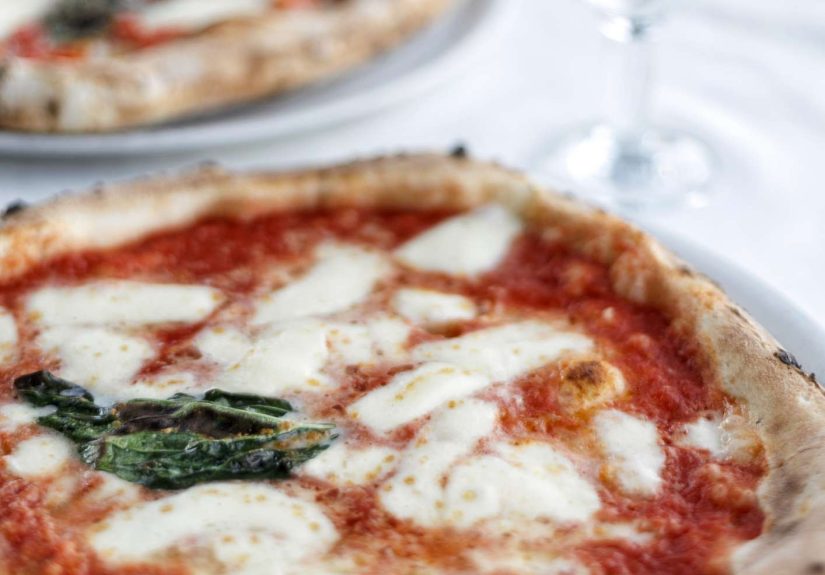
If homemade pizza had a little black dress, this would be it. Margherita is the classic trio of tomato, mozzarella, and basil, often finished with olive oil. It is simple, iconic, and brutally honest: if your crust or sauce is weak, this pizza will expose you immediately.
For the best version at home, use crushed or hand-broken tomatoes, drained fresh mozzarella, and whole basil leaves. Keep the sauce layer thin. Add a few torn pieces of mozzarella instead of blanketing the whole pie. You want little islands of cheese, not an all-dairy swimming pool.
Pizza Marinara
Marinara is the minimalist hero of the pizza world. It usually features tomato, garlic, olive oil, and oregano, with no cheese at all. That might sound suspiciously humble, but it is bold, aromatic, and perfect when you want something light and intensely savory.
This is also a fantastic choice for people who love crisp crust and strong tomato flavor. Use sliced garlic rather than minced if you want more distinct bites. A pinch of dried oregano and a drizzle of good olive oil will carry the whole pie without making it feel bare.
La Napoletana
For salty, punchy flavor, La Napoletana brings together tomato, anchovies, capers, oregano, and sometimes black olives. This is not the pizza for the timid. It is briny, intense, and deeply satisfying for anyone who thinks a little saltiness is what makes food exciting instead of polite.
The trick is balance. Do not pile on anchovies like you are trying to prove a point. A few fillets, a scattering of capers, and maybe a handful of olives are enough. The tomato base softens the sharp edges and keeps everything grounded.
Pizza Quattro Formaggi
Four-cheese pizza sounds like the kind of thing that could get out of hand quickly, but the Italian approach is more elegant than excessive. The idea is to combine cheeses with different melt, sharpness, and creaminess. A home-friendly version might use mozzarella, fontina, gorgonzola, and Parmesan or Pecorino.
This pizza can be made with or without tomato sauce. If you go white, use olive oil or a very light brushing of cream or béchamel only if you truly know what you are doing. Otherwise, let the cheeses shine. A crack of black pepper over the top is a smart finishing move.
Pizza Quattro Stagioni
The “four seasons” pizza is classic for a reason: it turns one pie into a small tasting menu. Traditionally, different sections are topped with ingredients such as artichokes, olives, mushrooms, and ham. Every slice offers a slightly different personality.
This is an especially fun homemade pizza option if your household cannot agree on one topping combination. Just keep the sections tidy and the ingredients modest so the pizza still bakes evenly. Think organized variety, not topping anarchy.
Prosciutto e Funghi
Ham and mushrooms are a timeless pairing because they hit both savory and earthy notes without overpowering the crust. Use thinly sliced mushrooms and a moderate amount of prosciutto cotto or cooked ham if you want a classic baked version.
Fresh mozzarella works beautifully here, but low-moisture mozzarella is also practical for home ovens because it browns nicely and behaves itself. A little grated Parmesan on top adds depth without stealing the show.
Prosciutto Crudo e Rucola
This one feels just a little fancy without requiring a culinary degree. Start with a margherita-style base or even a lightly cheesed white pizza. After baking, top it with ribbons of prosciutto crudo and a loose handful of arugula.
The contrast is what makes it sing: hot crust, creamy cheese, silky cured meat, and peppery greens. A few drops of olive oil or balsamic glaze can work, but go light. The goal is elegance, not salad bar energy.
Salsiccia e Friarielli or Sausage and Broccoli Rabe
This southern Italian-inspired combination is for people who like their pizza with attitude. Italian sausage brings richness, while broccoli rabe adds bitter, green depth. Together, they create a pie that tastes bigger than the sum of its parts.
Cook the sausage before adding it to the dough, and quickly sauté or blanch the broccoli rabe to tame bitterness and reduce moisture. Pecorino or Parmesan makes a better finishing cheese here than extra mozzarella, especially if you want the greens to stay front and center.
Sausage and Fennel
If broccoli rabe feels like a leap, sausage and fennel is the friendlier cousin. Sweet Italian sausage and thinly sliced fennel offer a fragrant, lightly sweet, deeply savory combination that feels both rustic and refined.
This pie works well with tomato sauce and mozzarella, but a little chile oil after baking can sharpen the flavor. It is a good reminder that “classic” does not mean boring. It just means someone already figured out what tastes amazing together.
Potato, Fontina, and Oregano
Yes, potato on pizza can be glorious when done properly. Thin slices of potato, fontina, olive oil, and oregano create a Roman-style topping combination that is creamy, crisp, and unexpectedly luxurious. It is the kind of pizza that makes first-time skeptics go silent because they are too busy eating.
Slice the potatoes paper-thin, toss them lightly with oil and salt, and do not overlap them too heavily. Add fontina in a restrained amount so the pie stays balanced. A little rosemary can be lovely, but oregano keeps the profile more traditionally pizza-friendly.
Pesto, Ricotta, and Mozzarella
While not as ancient as marinara or margherita, this combination fits beautifully into the Italian flavor tradition. Dollops of ricotta, spots of mozzarella, and restrained pesto create a pizza with creamy pockets and bright herbal flavor.
The important word here is restrained. Pesto is powerful and oily, so use it in small spoonfuls rather than spreading it like tomato sauce. This is also a terrific base for a few cherry tomatoes or a shower of Parmesan after baking.
How to Pair Toppings Without Wrecking the Pizza
Think in layers. Start with your base: red sauce, white base, or just olive oil. Then choose your primary cheese. After that, pick one or two star toppings and one finishing element. That is usually enough.
Here are a few easy pairing formulas:
- Tomato + mozzarella + basil: the classic margherita route.
- Tomato + garlic + oregano: perfect for marinara.
- Tomato + mozzarella + mushrooms + ham: balanced and family-friendly.
- Olive oil + fontina + potatoes + oregano: rich without being heavy.
- Tomato + mozzarella + sausage + greens: hearty and slightly bitter in the best way.
- Tomato + mozzarella + prosciutto after baking + arugula: bright, salty, and elegant.
If you are ever unsure, remember this rule: one creamy element, one bright element, one savory element. That formula solves a shocking number of pizza problems.
Mistakes to Avoid with Italian-Style Homemade Pizza
- Too much sauce: You want coverage, not soup.
- Undrained fresh mozzarella: Delicious, yes. Also a moisture bomb if left unchecked.
- Too many toppings: Your pizza is not trying to win a county fair for tallest structure.
- Adding prosciutto too early: It turns from silky to leathery fast.
- Skipping the preheat: A hot oven, stone, or steel matters more than people want to admit.
- Forgetting finishing touches: Olive oil, basil, black pepper, Parmesan, or arugula can make the whole pie taste complete.
Conclusion: Keep It Simple, Keep It Delicious
The smartest path to better homemade pizza is not adding more. It is choosing better. Classic Italian toppings have endured because they understand something every good cook eventually learns: flavor does not need a crowd. A margherita, a marinara, a mushroom-and-ham pie, or a potato-fontina pizza can feel special without being fussy.
So the next time pizza night rolls around, skip the topping pileup and take a cue from the classics. Build your pie with intention, watch the moisture, finish with something fresh, and let the crust do some of the talking. Your homemade pizza will taste more balanced, more Italian-inspired, and a lot less like a refrigerator clean-out project pretending to be dinner.
Real Homemade Pizza Experiences: What Classic Italian Toppings Teach You Over Time
One of the funniest things about making homemade pizza regularly is how your instincts change. In the beginning, most people want more of everything. More cheese, more sauce, more toppings, more drama. It feels logical. Pizza is fun, so surely a mountain of toppings must be more fun. Then you bake that overloaded pie and discover the center is wet, the crust is pale, and one slice folds like a tired envelope. That is when classic Italian topping combinations start making a lot more sense.
After a few pizza nights, you begin to notice patterns. The margherita that looked almost too simple before baking somehow comes out gorgeous, balanced, and deeply satisfying. The marinara you thought might seem plain ends up tasting bright, garlicky, and surprisingly addictive. Meanwhile, the pizza you covered with five cheeses, raw peppers, onions, olives, and enough sausage to feed a softball team tastes confused. Not terrible, just loud. And pizza should be delicious, not noisy.
There is also a practical joy in learning how different toppings behave. Mushrooms shrink and intensify. Arugula perks up when added after baking. Fresh mozzarella needs draining or it stages a tiny flood. Prosciutto becomes luxurious when laid over a hot pizza at the last second. Potatoes, sliced thin enough, become tender and crisp around the edges in a way that feels almost unfairly good. These are the little discoveries that turn homemade pizza from a recipe into a skill.
Classic Italian toppings also make pizza night feel more relaxed. Once you know a handful of reliable combinations, you stop overthinking. A can of tomatoes, a ball of mozzarella, some basil, a little Parmesan, and good olive oil are suddenly enough for dinner. Add mushrooms and ham, and you have another direction. Add fennel and sausage, and now it feels rustic and hearty. Add arugula and prosciutto after baking, and now dinner has the energy of a neighborhood wine bar that somehow also knows your order.
Maybe the best experience of all is watching other people react. There is always someone who is skeptical about the cheeseless marinara until they taste it. There is always someone who says potato pizza sounds strange right before taking a second slice. There is always one person who acts casual about the prosciutto and arugula pie, then quietly hovers near the cutting board for the last piece. Classic toppings have that effect. They do not shout for attention, but they absolutely know how to keep it.
Over time, homemade pizza becomes less about copying a restaurant and more about understanding balance. You learn that a pizza can be rich without being heavy, salty without being aggressive, and simple without being boring. You start treating toppings like a conversation instead of a competition. Tomato speaks, mozzarella answers, basil brightens, anchovy argues a little, and olive oil ties the whole meeting together. It sounds poetic, sure, but also true.
That is why classic Italian toppings remain such a smart guide for home cooks. They teach restraint, reward good ingredients, and make even an ordinary evening feel generous. And once you experience that kind of pizza at home, fresh from the oven, with a crisp edge and just the right topping balance, it becomes very hard to go back to random excess. Your pizza standards rise. Your topping choices improve. And suddenly you are the person saying things like, “Let’s keep it simple,” while reaching for basil with the confidence of someone who has seen things.