Table of Contents >> Show >> Hide
- What Eczema Really Is (and Why It’s Such a Menace)
- Diana Taurasi’s Eczema Story: “Elite Athlete” Doesn’t Mean “Immune”
- The Taurasi-Style Eczema Game Plan: Fundamentals First
- “Sweat Happens”: How Athletes (and Normal Humans) Can Reduce Sweat-Triggered Flares
- When Moisturizer Isn’t Enough: A U.S. Treatment Ladder (No Guessing Required)
- How to Know It’s Time to “Call a Timeout” and See a Dermatologist
- A “WNBA-Level” Daily Routine for Flare Prevention
- Conclusion: Relief Is a Strategy, Not a Personality Trait
- Real-World Experiences: from the “Eczema Locker Room”
Eczema (often shorthand for atopic dermatitis) is the kind of opponent that doesn’t care if you’re an MVP, a weekend warrior, or someone just trying to make it through a workday without wanting to sandpaper your elbows. It itches. It stings. It shows up uninvited. And it has a nasty habit of launching a full-court press at the exact moment you’d like to feel calm, cute, and moisturized.
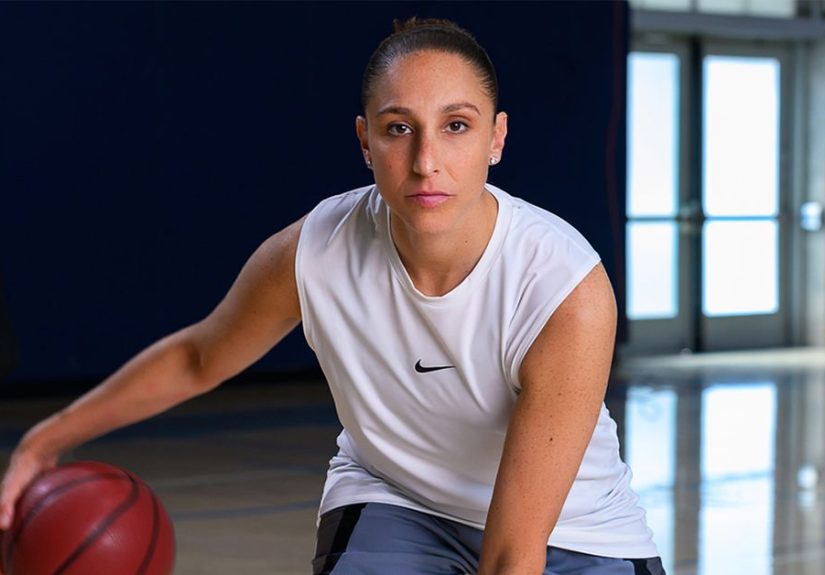
So what happens when the person dealing with that chaos is a living basketball legendsomeone whose job involves sweat, friction, travel, stress, bright lights, and high-definition cameras? Enter: Diana Taurasi, WNBA icon, Olympic mainstay, andsurprise to many fanssomeone who has publicly shared her long-running battle with eczema. Her story is part validation (“Yes, this is hard”), part reality check (“Topicals aren’t always enough”), and part playbook for anyone trying to win their own skin season.
Let’s break down what eczema actually is, why flare-ups happen, what modern treatment options look like in the U.S., and how Taurasi’s approachthink consistency, fundamentals, and smart adjustmentsmaps onto real-world relief.
What Eczema Really Is (and Why It’s Such a Menace)
Eczema is a chronic inflammatory skin condition that can cause dry, cracked, inflamed patches of skin and intense itch. “Eczema” is an umbrella term; atopic dermatitis is the most common type. It tends to run in families and often overlaps with allergies or asthma, but it can also show up in people who never asked for this storyline.
The itch-scratch cycle: the worst highlight reel
The core problem is a disrupted skin barrier plus immune inflammation. When the barrier is leaky, moisture escapes and irritants sneak in. That triggers inflammation and itching. Scratching temporarily “feels” like reliefuntil it damages the skin more, invites infection, and makes the flare louder. It’s basically a feedback loop…with terrible customer service.
Common flare triggers (aka: the scouting report)
- Dry air and temperature swings (winter, AC, overheating, sudden cold)
- Stress (the body’s way of turning anxiety into a skin notification)
- Sweat + friction (exercise, tight clothing, gear, long days)
- Irritants (fragrances, harsh soaps, scratchy fabrics, some detergents)
- Skin infections (especially when skin is cracked or oozing)
Important note: eczema isn’t contagious. You can’t “catch it” from a handshake, a hug, or sitting too close to someone who’s having a bad flare. (If only relief were that transferable.)
Diana Taurasi’s Eczema Story: “Elite Athlete” Doesn’t Mean “Immune”
If you’ve watched Taurasi play, you know the vibe: fierce competitiveness, calm confidence, and a willingness to take big shots with bigger consequences. But off the court, she has described living with eczema for yearsdating back to her college daysand the ways it affected comfort, routines, and even confidence.
In interviews, Taurasi has talked about dealing with persistent itch, redness, and outbreaks, and eventually seeking more effective options beyond the topical treatments that didn’t hold long enough. She has also publicly shared that she found significant relief with dupilumab (a biologic medicine marketed as Dupixent) and partnered on eczema awareness effortsbringing a condition that’s often minimized into the spotlight.
Why her story matters (even if you’re not going to the Olympics)
Because eczema is often treated like a minor inconvenience“Just put on lotion!”when for many people it’s a chronic, exhausting condition that disrupts sleep, confidence, exercise, work, and mental bandwidth. Seeing a high-profile athlete acknowledge that struggle can help normalize seeking medical care, escalating treatment when needed, and building a routine that actually fits real life.
The Taurasi-Style Eczema Game Plan: Fundamentals First
Basketball greats don’t win on highlight reels alone. They win on basics: footwork, spacing, repetition, and knowing what to do when the defense adjusts. Eczema relief is similar. The “fundamentals” aren’t glamorous, but they’re shockingly effective when done consistently.
1) The “Soak and Seal” move (your most underrated skill)
After bathing or showering, apply moisturizer while skin is still slightly damp. This helps lock in water and supports the skin barrier. Think of it like boxing out: not flashy, but it wins possessions.
- Use lukewarm water, not hot.
- Keep it short (about 5–10 minutes).
- Use fragrance-free, gentle cleanser.
- Pat drydon’t scrub.
- Moisturize immediately (within minutes).
2) Moisturizer strategy: pick the right “gear”
For many people with eczema, ointment or thick cream outperforms thin lotion. Lotions can be fine, but if your skin is in active rebellion, a richer option often feels like upgrading from flip-flops to actual basketball shoes.
Look for “fragrance-free” (not just “unscented”), and consider patch-testing new products on a small area first if you’re sensitive.
3) Trigger management that’s realistic (not a personality overhaul)
You don’t have to live in a fragrance-free bubble wrapped in organic cotton forever. But you can reduce your exposure to the biggest, most repeatable triggers:
- Switch to gentle laundry detergent and skip fabric softener if it irritates you.
- Choose breathable fabrics; avoid scratchy seams on flare zones.
- Keep nails trimmed; use a cold compress when itch spikes.
- Prioritize sleepitch and fatigue are a vicious duo.
“Sweat Happens”: How Athletes (and Normal Humans) Can Reduce Sweat-Triggered Flares
Exercise can be great for stress and overall health, but sweat can trigger eczema in some people because evaporation dries the skin and salt residue can sting or irritate. The trick isn’t “never sweat again.” The trick is prepping and recovering like it’s part of training.
Pre-workout
- Moisturize earlier in the day so skin isn’t starting dry.
- Choose breathable clothing and avoid rough fabrics over flare zones.
- If you know sweat stings, consider a thin barrier (your dermatologist can guide what’s appropriate for you).
During
- Keep a soft towel handy to blot sweat (blot > rub).
- Take cooling breaksoverheating can be a flare accelerator.
Post-workout
- Shower with lukewarm water as soon as practical.
- Use gentle cleanser.
- Moisturize immediately afterward.
If your “workout” is actually sprinting through an airport, presenting in a too-hot conference room, or surviving your kid’s soccer tournament: same rules apply. Sweat is sweat.
When Moisturizer Isn’t Enough: A U.S. Treatment Ladder (No Guessing Required)
Eczema treatment is often stepwise: foundational skin care for everyone, prescription topicals for flares, andwhen the condition is moderate-to-severe or resistantsystemic options (biologics, oral meds, phototherapy) under clinician guidance. Here’s what that looks like in the real world.
Step 1: Prescription topicals (the frontline defense)
- Topical corticosteroids: Often first-line for flares; strength and duration depend on location and severity.
- Topical calcineurin inhibitors (tacrolimus, pimecrolimus): Useful especially in sensitive areas where long-term steroid use can be tricky.
- PDE-4 inhibitors:
- Crisaborole (Eucrisa) for mild-to-moderate atopic dermatitis.
- Roflumilast (Zoryve) in specific strengths/ages for mild-to-moderate atopic dermatitis.
- Topical JAK inhibitor: Ruxolitinib (Opzelura) for certain patients with mild-to-moderate atopic dermatitis.
- Tapinarof (Vtama): A steroid-free topical option approved for atopic dermatitis in adults and children (age criteria apply).
Pro tip: Many people under-use topicals because they fear “doing it wrong.” Your dermatologist’s job is to help you use the right medicine on the right body area for the right amount of time. You’re not expected to freestyle pharmacology.
Step 2: Techniques that boost results during rough flares
When flares are intensepainful, widespread, or interfering with sleepdermatologists sometimes recommend add-on techniques:
- Wet wrap therapy: Helps calm severe flares and can make topicals work better (done correctly).
- Bleach baths (only with clinician guidance): Sometimes used to reduce skin bacteria and infection risk in certain patients.
Step 3: Phototherapy (the “controlled light” option)
Phototherapy can help some people with more persistent eczema, especially when topical routines aren’t enough or aren’t tolerated well. It’s not a tanning hack; it’s a supervised medical treatment plan.
Step 4: Systemic treatments for moderate-to-severe eczema
For people whose eczema is moderate-to-severe, frequent, widespread, or not controlled with topical prescriptions, clinicians may escalate to systemic therapies. In the U.S., this can include:
- Biologics (injectable targeted therapies), such as:
- Dupilumab (Dupixent)
- Tralokinumab (Adbry)
- Lebrikizumab (Ebglyss)
- Nemolizumab (Nemluvio) in appropriate patients (often discussed in the context of itch reduction)
- Oral JAK inhibitors in appropriate patients (with important safety considerations), such as:
- Upadacitinib (Rinvoq)
- Abrocitinib (Cibinqo)
This is the zone where Taurasi’s experience is especially relevant: she described moving beyond short-lived topical relief and working with her dermatologist to find a treatment approach that actually fit the severity of her eczema and her day-to-day life.
How to Know It’s Time to “Call a Timeout” and See a Dermatologist
Some eczema can be managed with basic skin care and occasional prescriptions. But if your eczema is hijacking your life, you deserve more support. Consider professional care if:
- You’re flaring frequently or continuously.
- Itch is disrupting sleep or concentration.
- You’re getting repeated skin infections (oozing, crusting, painful fissures).
- You’re avoiding exercise, social events, or clothing because of eczema.
- Over-the-counter products aren’t helpingor they burn immediately.
A dermatologist can confirm diagnosis (eczema vs. contact dermatitis vs. psoriasis look-alikes), tailor a topical plan, and discuss whether newer optionslike biologics or other targeted therapiesmake sense for you.
A “WNBA-Level” Daily Routine for Flare Prevention
Here’s a realistic routine you can adaptno monk lifestyle required:
Morning
- Quick lukewarm shower (or rinse sweaty areas if needed).
- Apply prescription topical to active flare spots if prescribed.
- Moisturize head-to-toe (especially typical flare zones: hands, elbows, knees, neck).
- Choose breathable clothing and minimize friction on flare areas.
Midday “travel kit” (the secret weapon)
- Small fragrance-free moisturizer
- Soft cloth to blot sweat
- Bandages for cracked fingertips (because life still expects you to open packages)
Evening
- Gentle cleanse if needed.
- Moisturize again (yes, again).
- Consider wet wraps only if recommended and you’ve been taught how.
- Keep bedroom cool if overheating triggers itch.
Consistency matters. Taurasi didn’t become a legend by doing fundamentals once a month. Your skin doesn’t either.
Conclusion: Relief Is a Strategy, Not a Personality Trait
Eczema can be stubborn, visible, and exhaustingbut it’s also treatable, and modern options are broader than they’ve ever been in the U.S. Diana Taurasi’s public eczema story is a reminder that even elite performers need the right medical support, the right routine, and the freedom to stop “toughing it out” when the itch is winning the possession battle.
If your eczema is mild, the fundamentalsgentle bathing, immediate moisturizing, trigger managementcan dramatically reduce flares. If your eczema is moderate-to-severe or persistent, it may be time to talk to a dermatologist about prescription topicals, advanced techniques like wet wrap therapy, phototherapy, or systemic options such as biologics and other targeted therapies. The goal isn’t perfect skin. The goal is livable skin.
Because life is hard enough without your elbows trying to start a rivalry.
Real-World Experiences: from the “Eczema Locker Room”
People who live with eczema tend to collect experience-based wisdom the way athletes collect tape: you notice patterns, you adjust, you repeat what works, and you stop pretending the same old plan will magically succeed on a different day. Below are common “been-there” experiences many eczema patients describepractical, imperfect, and very human.
The “I didn’t realize hot water was the villain” moment
A lot of people say they assumed a steaming shower was “self-care” until they noticed a predictable pattern: the hotter the water, the tighter and itchier the skin felt afterward. Switching to lukewarm showers can feel like giving up a tiny luxury, but many describe it as a trade they’ll happily make once they experience fewer flares. The biggest unlock isn’t just cooler waterit’s moisturizing immediately afterward, even when you’re in a hurry. People often say the first week of doing it consistently feels annoying, then it becomes automaticlike brushing teeth, but for your skin barrier.
The “travel flare” reality check
Whether it’s a work trip or a weekend away, travel is a frequent flare trigger. Dry airplane air, unfamiliar soap in hotels, stress, and disrupted sleep can all gang up at once. One of the most repeated experiences is that packing a tiny fragrance-free moisturizer is less optional than packing socks. People who travel a lot often keep a “skin kit” permanently stocked: moisturizer, gentle cleanser, and whatever prescription topical their clinician recommends for flares. The goal is not to overpackit’s to avoid being stuck with random scented lotion from a lobby gift shop at midnight.
The gym/sweat paradox
Many people love exercise for stress relief but hate what sweat does to their eczema. A common workaround is timing: shorter workouts, cooler rooms, and quick post-workout rinse-offs can make a big difference. People also describe switching fabrics (soft, breathable, low-friction) and keeping a towel nearby to blot sweat instead of rubbing. Swimming is a mixed bagsome find it soothing, others find chlorine irritatingso the experience often becomes: “Try it, then adjust,” not “Do what worked for your friend.”
The mental load is real
One of the most consistent experiences people share is that eczema isn’t just itchy; it’s distracting. When you’re flaring, you can feel like you’re doing two jobs at once: living your life and managing your skin. People often describe reliefnot just from fewer rashes, but from reclaiming attention, sleep, and confidencewhen they find a treatment plan that actually controls symptoms. That’s why many say the turning point wasn’t a miracle product; it was finally getting a personalized plan and permission to escalate care when “basic” wasn’t enough.