Table of Contents >> Show >> Hide
- What Is the Friis X Swantje Hinrichsen Table?
- Why the Design Works So Well
- Materials, Build, and Everyday Practicality
- Sizing: Is It a Real-Life Table or Just a Pretty One?
- How to Style the Friis X Swantje Hinrichsen Table
- Who Should Buy This Table?
- What Makes It Memorable in Today’s Design Landscape?
- Extended Experience: What Living With the Friis X Swantje Hinrichsen Table Feels Like
- Final Verdict
- SEO Metadata
Some dining tables try very hard to be the star of the room. They arrive with carved legs, dramatic finishes, or enough visual weight to make your pendant light feel insecure. The Friis X Swantje Hinrichsen Table takes a different route. It is clean, graphic, modern, and quietly bold. In other words, it does not yell for attention, but it definitely knows how to hold a room.
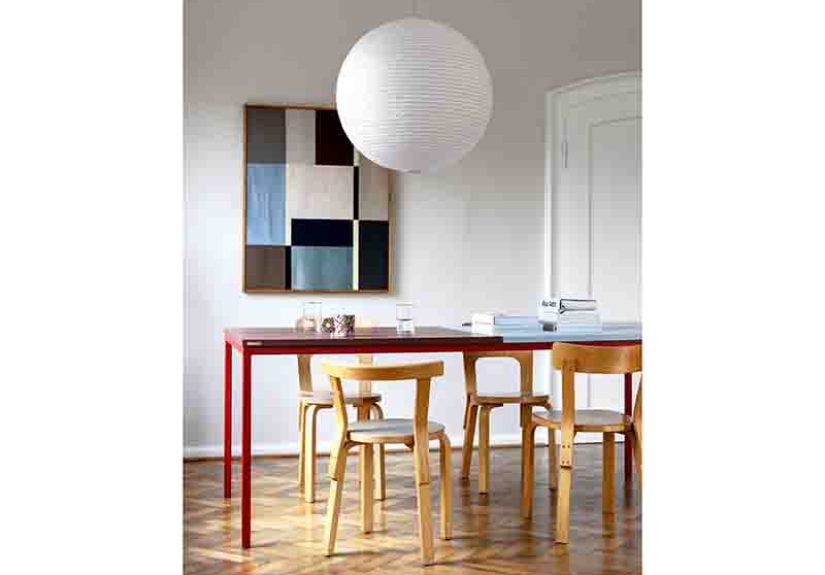
At first glance, this modern dining table looks simple: a lean steel frame, a rectangular top, and a palette that feels curated instead of chaotic. Then you notice what makes it memorable. The tabletop is split into two color fields, creating a color-blocked composition that feels halfway between furniture design and wall art. It is the kind of piece that makes guests pause before they sit down, which is usually a sign that a designer has done something very right.
For anyone hunting for a minimalist dining table that still has personality, the Friis X Swantje Hinrichsen Table is a compelling case study. It blends graphic design thinking with furniture craftsmanship, giving you a table that is functional enough for weeknight pasta and stylish enough for the kind of dinner party where everyone suddenly starts using words like “curated” and “materiality.”
What Is the Friis X Swantje Hinrichsen Table?
The Friis X Swantje Hinrichsen Table is a collaboration between German furniture studio Donnerblitz Design and designer, art director, and color-focused creative Swantje Hinrichsen. That background matters because this table does not read like a standard furniture catalog item. It feels designed by someone who understands composition, balance, and how color changes the emotional temperature of a room.
The table pairs a powder-coated steel frame with a two-part tabletop finished in different tones. That split top is the whole magic trick. Without it, Friis would still be handsome and restrained. With it, the table becomes instantly more expressive. It has the bones of a classic modern piece, but the color blocking adds wit, warmth, and just enough attitude to keep the room from feeling overly serious.
The construction is also worth noting. This is not a fussy antique reproduction pretending to belong in a grand estate. It is a contemporary table built for modern interiors, where open-plan spaces, mixed materials, and personal color choices matter more than old-school formality. It is available in two standard sizes and can also be customized, which gives it a flexibility many statement tables lack.
Why the Design Works So Well
1. It understands the power of restraint
Minimalist furniture often falls into one of two traps: it becomes so stripped down that it feels generic, or it tries to compensate with one loud gimmick. The Friis X Swantje Hinrichsen Table avoids both. Its silhouette is calm and architectural, which gives the color a disciplined structure. That is why the table feels modern instead of trendy.
The steel base keeps the design crisp. The geometry is simple, the proportions are clean, and the visual weight stays low enough that the tabletop remains the hero. Think of it like a well-tailored black blazer worn with a surprisingly good shirt. The structure is classic; the personality comes from the styling.
2. The color blocking feels smart, not chaotic
Color blocking can go very wrong, very fast. One bad pairing and suddenly your dining room looks like a middle school art supply cabinet exploded. Here, the split tabletop works because the colors feel harmonious rather than random. The result is more subtle than a rainbow table but far more interesting than yet another all-oak rectangle trying to disappear into the background.
This approach is especially appealing for people who love color but do not want their homes to feel loud 24/7. The table gives you a controlled dose of visual energy. It is stylish but subtle, expressive but not exhausting. That balance is a big reason it stands out in a crowded market of modern dining room furniture.
3. The material mix gives it depth
The contrast between the matte steel frame and the oak-edged top is one of the table’s quiet strengths. Metal can sometimes feel cold, and painted surfaces can risk looking flat. Here, the oak edge softens the graphic top and keeps the piece from looking too industrial. That small touch of wood warmth matters more than you might expect. It helps the table land in real homes, not just in beautifully lit design photos where nobody ever spills coffee.
Materials, Build, and Everyday Practicality
Let’s talk about what this table is actually made of, because beautiful furniture should survive more than one photogenic brunch. The top uses oak-veneered chipboard with oak edges, finished in matte lacquer, while the base is powder-coated steel. Purists who want a chunky heirloom slab of solid wood may raise an eyebrow at the veneered top, and that is fair. But in this design, the material choice makes sense.
Why? Because the painted, color-blocked surface is the main event. A veneered core allows for a more controlled finish and a cleaner graphic result. The oak edging still gives the piece tactile warmth, while the lacquered surface should be easier to wipe down than a precious raw timber top. That matters in a dining room, where “I’ll be careful” has a very short life expectancy.
The powder-coated steel frame is another practical win. It adds durability and helps the table hold its sharp profile over time. More importantly, it contributes to the table’s sculptural presence. Painted metal furniture has become increasingly desirable indoors because it breaks up rooms filled with soft upholstery and wood tones. The Friis table uses that contrast well, adding structure without feeling severe.
From a comfort standpoint, the table’s height sits in the standard dining range, which means it should work well with ordinary dining chairs instead of demanding some weird niche seating situation. That alone deserves a polite round of applause.
Sizing: Is It a Real-Life Table or Just a Pretty One?
The available sizes make the Friis X Swantje Hinrichsen Table more than a design object. They make it usable. The standard dimensions place it squarely in the zone of a true dining table, not a decorative prop pretending to be helpful. The smaller version is suitable for everyday family meals or compact dinner parties, while the larger option gives you more breathing room for hosting, working, or staging an absurd number of ceramic candleholders.
In practical terms, this table works best when you respect circulation around it. A dining setup always looks better when people can move without turning sideways like they are sneaking past a movie theater aisle. If you give the table enough clearance and avoid overcrowding it with oversized chairs, the design stays elegant instead of cramped.
Because the larger format is still relatively narrow compared with some oversized dining tables, it likely creates a better conversation distance too. That is an underrated quality. A good table should bring people together, not force them to shout across a decorative no-man’s-land. The Friis design appears to understand that dining is social, not theatrical.
How to Style the Friis X Swantje Hinrichsen Table
Keep the room balanced
This table has enough personality that it does not need a room full of competing drama. If your walls are already busy, your rug is shouting, and your chandelier resembles a small alien invasion, take a breath. The smartest styling choice is to let the table anchor the room while the surrounding pieces support it.
That does not mean your dining room has to be boring. It means contrast should be thoughtful. Pair the table with chairs that add texture without stealing focus: cane backs, natural oak, simple upholstery, or slim black frames all make sense. The goal is a layered room, not a matching set that looks like it was ordered during a panic scroll at 1:00 a.m.
Use color with intention
Because the tabletop already introduces multiple tones, repeat one of those hues elsewhere in the room in a subtle way. A cushion, artwork accent, vase, or pendant detail is enough. You are creating an echo, not starting a color riot. The best interiors make the palette feel deliberate, and this table rewards that kind of discipline.
Let the table breathe
One of the easiest mistakes with a visually interesting table is covering it with too much stuff. A graphic surface should remain visible. Try a low centerpiece, a sculptural bowl, or a pair of candles instead of a giant arrangement that blocks conversation and makes every meal feel like a wedding rehearsal dinner.
If you are styling it for daily life, think simple and tactile: linen runner, ceramic serving pieces, fruit, books, or a small lamp nearby. The table looks best when it feels lived-in but not cluttered.
Who Should Buy This Table?
The Friis X Swantje Hinrichsen Table is a smart pick for homeowners, renters, stylists, and design lovers who want a statement dining table that still behaves like a practical piece of furniture. It suits people who appreciate minimal lines but do not want their interiors to slide into sterile territory. It also makes sense for anyone drawn to Scandinavian-adjacent design, graphic interiors, or spaces where color is used with confidence.
It is especially appealing for open-plan homes. In those layouts, the dining table is rarely just a dining table. It is also visual punctuation between the kitchen and living room, a work surface by day, and occasionally the place where someone opens a laptop and claims they are “just answering one email” for two and a half hours. A table with this much presence earns its footprint.
On the flip side, if you want something rustic, heavily traditional, or intentionally invisible, this is probably not your table. It has character. It wants to be seen. It is not the wallflower at the party; it is the well-dressed person making everyone else rethink their shoes.
What Makes It Memorable in Today’s Design Landscape?
There are plenty of modern dining tables on the market, but many of them rely on the same formulas: pale wood, rounded edges, beige-on-beige styling, and a general sense of trying not to offend anyone. The Friis X Swantje Hinrichsen Table moves in another direction. It proves that a table can be minimal and still emotionally expressive.
That is probably why it feels timely. Design right now is leaning toward warmth, personality, and pieces that do more than just fill a room. People want homes that feel collected, thoughtful, and a little idiosyncratic. This table fits that mood perfectly. It does not scream novelty, but it also refuses to be forgettable. That is a tricky line to walk, and this design manages it with real confidence.
It also taps into a larger shift toward using color more intentionally in furniture, not just on walls. Instead of treating color as an accessory, the Friis table treats it as structure. That gives it more staying power than a trend-driven paint finish or an overly decorative silhouette.
Extended Experience: What Living With the Friis X Swantje Hinrichsen Table Feels Like
Now for the part most product pages skip: the lived-in experience. Not the glamorous one where sunlight hits your espresso just right and someone in linen places figs on a handmade plate. The real one. The Tuesday morning one. The “why is there a tape measure, two charging cables, and a grocery list on the dining table again?” one.
A table like this changes the mood of a room before anyone even uses it. Walk in with groceries, keys, and the ordinary chaos of life, and the table still reads as composed. That matters. Good furniture can make a home feel more intentional, even when your day is not. The color-blocked top adds a visual rhythm that keeps the room awake. It is a subtle mood booster, like great lipstick or unexpectedly competent customer service.
At breakfast, the table would likely feel crisp and grounding. Because the top is graphic, a simple mug and a plate of toast already look styled. You do not need to do much. The table does the heavy lifting. In a small apartment or open kitchen-dining area, that is a gift. One strong piece can make everything around it feel more edited.
By afternoon, it becomes a worktable without looking tragically corporate. That is harder to find than people think. Many dining tables can host a laptop, but not all of them make remote work feel dignified. Friis seems built for that in-between role. The clean lines support focus, while the color keeps the setup from feeling gray and joyless. It says, “Yes, this is where bills get paid,” but also, “No, your soul has not left the building.”
When friends come over, the experience shifts again. The table’s proportions encourage conversation rather than distance, and the distinctive top becomes a natural conversation starter. Guests notice it. They ask about it. They lean in. A lot of furniture is technically functional but emotionally silent. This table has something to say without turning dinner into a design lecture.
It also seems like the kind of piece that improves with thoughtful styling instead of depending on it. A linen runner, a stack of art books, a bowl of oranges, a low floral arrangement, a pair of candlesticks, and suddenly the table looks magazine-ready. But leave it bare, and it still holds its own. That is the sweet spot. Furniture should not require stage makeup every day.
Over time, the best experience this table offers may be psychological. It invites you to be a little braver with color, a little more intentional with your room, and a little less interested in safe choices that vanish into the background. It can help a dining area feel like a destination rather than a leftover zone between the kitchen and the sofa. In a home where so many objects are purely useful, that kind of energy is refreshing.
And maybe that is the real charm of the Friis X Swantje Hinrichsen Table. It is practical enough to earn daily use, but distinctive enough to keep everyday life from looking dull. Not bad for a rectangle with very good manners.
Final Verdict
The Friis X Swantje Hinrichsen Table succeeds because it blends strong design discipline with real personality. Its minimalist frame, color-blocked top, and thoughtful material mix create a table that feels graphic, modern, and refreshingly alive. It is not trying to be everything to everyone, and that is exactly why it works.
If you want a modern dining table that brings color, structure, and conversation into your home without tipping into chaos, this piece deserves serious attention. It offers a polished alternative to predictable neutrals and proves that statement furniture does not have to be loud to be unforgettable.
In a world full of bland tables that merely hold plates, this one also holds its own. That is a design win.