Table of Contents >> Show >> Hide
Note: This article is for education only and is not a substitute for care from your OB-GYN, midwife, or other licensed clinician. If your pain is severe, new, or paired with other concerning symptoms, call your care team.
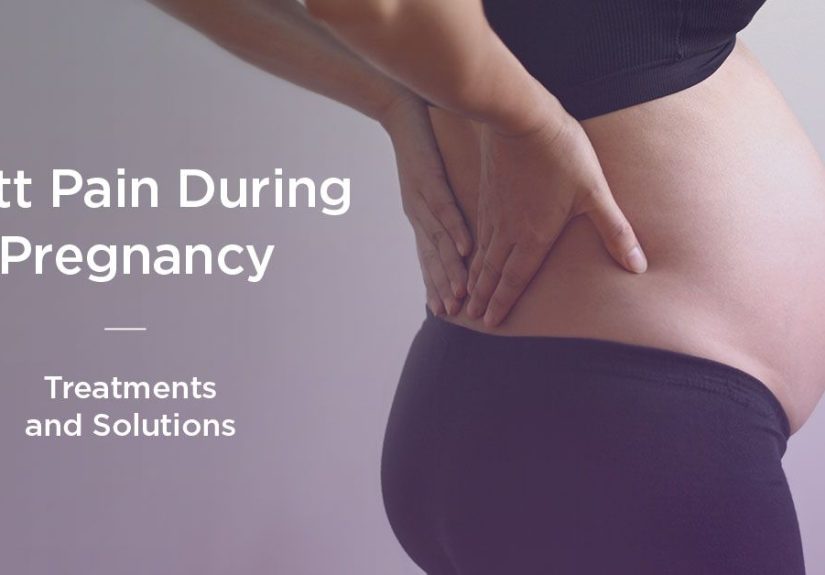
Pregnancy is amazing, emotional, life-changing, and occasionally weird enough to deserve its own comedy special. One day you are glowing. The next day, you are trying to figure out why sitting down feels like a betrayal. If you are dealing with butt pain during pregnancy, you are not alone, and no, you are not being dramatic. Pain in the buttocks, tailbone, rectal area, or deep pelvis can happen for several reasons during pregnancy, and some causes are far more common than people talk about at baby showers.
The good news is that most pregnancy-related butt pain is manageable. The even better news is that a few targeted changes can make daily life much more comfortable. This guide breaks down what may be causing the pain, what you can do at home, when to call your doctor, and how to get through the day without feeling like every chair in America has turned against you.
Why Butt Pain Happens During Pregnancy
“Butt pain” is a simple phrase for a surprisingly complicated neighborhood. During pregnancy, discomfort in this area can come from nerves, joints, muscles, veins, posture changes, or bowel issues. Sometimes it is one cause. Sometimes it is a team effort, which feels rude but is unfortunately common.
Sciatica or Nerve Irritation
One of the most common reasons for butt pain in pregnancy is sciatica. This usually feels like a sharp, burning, electric, or shooting pain that starts in the low back or buttock and may travel down the back of the leg. Some people also notice tingling, numbness, or a heavy, achy feeling.
Why does it show up now? Pregnancy shifts your center of gravity, loosens joints and ligaments, and changes the way you walk, stand, sit, and sleep. That can irritate the sciatic nerve or the tissues around it. In plain English, your body is rearranging the furniture, and the nerve is not thrilled about it.
Pelvic Girdle Pain, SI Joint Pain, and Tailbone Pain
Not all pain in the butt is true sciatica. Sometimes the problem is mechanical. Your pelvis includes several joints that work harder during pregnancy, especially as your belly grows and your posture changes. If those joints get irritated, you may feel deep pain near one buttock, pain when rolling over in bed, pain going up stairs, or soreness after standing too long.
Tailbone pain can also sneak in. It may feel like a bruise, pressure, or stabbing pain when you sit down or stand up. Some pregnant people describe it as feeling like they sat on an invisible Lego. That description is medically unofficial, but emotionally accurate.
Hemorrhoids and Rectal Pressure
Sometimes the pain is less about muscles and more about pressure. Hemorrhoids are swollen veins in or around the rectum, and pregnancy makes them more likely. Increased pelvic pressure, slower digestion, constipation, and straining during bowel movements can all contribute. Hemorrhoid pain may feel sore, itchy, throbbing, or especially noticeable when sitting or using the bathroom.
Rectal pressure may also increase later in pregnancy simply because your uterus is bigger, your circulation changes, and everything in the pelvis is sharing less space with more drama.
Constipation and Pelvic Floor Tension
If you are constipated, your backside may file a formal complaint. Hard stools, straining, and bloating can create pressure that shows up as butt pain, rectal pain, or a deep ache in the pelvis. On top of that, some people tighten their pelvic floor muscles without realizing it when they are bracing against pain, stress, or bathroom trouble. Tight muscles can make sitting uncomfortable and can keep the area feeling sore longer than expected.
How to Cope With Butt Pain During Pregnancy
The right fix depends on the cause, but these strategies help many pregnant people feel better. Think of them as a comfort toolkit rather than a one-size-fits-all cure.
1. Change How You Sit
If sitting makes the pain worse, your body is giving you useful information. Try these simple adjustments:
- Choose a chair with solid back support.
- Place a small pillow or rolled towel behind your lower back.
- Avoid slumping into the couch like a melting candle.
- Get up often and move every 30 to 60 minutes.
- If one buttock hurts more than the other, avoid crossing your legs and try to keep weight evenly distributed.
If hemorrhoids are part of the problem, long sitting sessions may make symptoms worse. Frequent standing breaks can help more than you would think.
2. Sleep Like You Mean It
Sleep is not always easy in pregnancy, but your position matters. Side sleeping often feels better than lying flat on your back. A pillow between the knees can take pressure off the hips and pelvis. Another pillow under the belly can reduce pulling through the lower back. If your butt pain flares at night, a body pillow can be surprisingly helpful.
There is no prize for suffering through the night in a bad position. Build the pillow fortress.
3. Use Heat, Cold, or Warm Water
For muscle and joint pain, a warm compress, warm bath, heating pad on a low setting, or cold pack may help. Some people love warmth. Others prefer ice. Your body gets the deciding vote.
If hemorrhoids are contributing, a warm soak can be soothing. If the area feels swollen, a cool compress may also help. Keep temperature moderate and avoid anything too hot.
4. Stay Gently Active
When you hurt, the instinct is often to freeze and avoid movement. Total stillness, however, can make many kinds of pregnancy pain feel worse. Gentle movement helps circulation, supports digestion, and keeps muscles from getting even tighter.
Good options often include:
- Walking
- Prenatal stretching
- Prenatal yoga
- Light strength work approved by your clinician
- Physical therapy, especially pelvic floor physical therapy
If a stretch or workout increases sharp pain, stop. “No pain, no gain” is not a pregnancy motto worth keeping.
5. Work on Posture and Body Mechanics
Pregnancy changes your center of gravity, which means your back, pelvis, and glutes may be doing extra work all day. Small posture tweaks can lower that workload.
- Stand tall instead of leaning backward.
- Keep your knees soft, not locked.
- Wear low-heeled, supportive shoes.
- When lifting something small, bend your knees and squat instead of folding at the waist.
- Use a footstool if you must stand for long periods.
If your care team suggests a pregnancy support belt or pelvic support belt, it may help reduce strain during walking or standing.
6. Tackle Constipation Aggressively but Safely
If bowel trouble is feeding the pain, preventing straining matters. Try the basics first:
- Drink enough water throughout the day.
- Eat more fiber from fruit, vegetables, beans, oats, and whole grains.
- Move daily, even if it is just a gentle walk.
- Do not ignore the urge to have a bowel movement.
- Do not camp out on the toilet scrolling your phone like it is a second living room.
If you still feel blocked up, ask your clinician whether a pregnancy-safe stool softener or fiber supplement is appropriate. Do not start random remedies just because the internet sounds confident. The internet is confident about many terrible ideas.
7. Ask About Safe Pain Relief
If home care is not enough, ask your doctor or midwife what is safe for you. During pregnancy, you should not start, stop, or switch pain medicines on your own. Your provider may suggest medication, physical therapy, massage, or another treatment depending on the likely cause of the pain and how far along you are.
In some cases, targeted physical therapy is the real game changer because it addresses the posture, muscle imbalance, and pelvic mechanics behind the pain instead of just covering it up for a few hours.
When Butt Pain During Pregnancy Is a Reason to Call Your Doctor
Most pregnancy butt pain is annoying rather than dangerous. But some symptoms should not be brushed off. Contact your healthcare provider promptly if your pain comes with any of the following:
- Vaginal bleeding
- Fever or chills
- Burning when you urinate
- Regular cramping or contractions
- Leaking fluid
- Severe pain that is getting worse instead of better
- Pain that lasts more than a couple of weeks despite home care
- New weakness, major numbness, or trouble walking normally
- Severe rectal bleeding or extreme hemorrhoid pain
- Decreased fetal movement later in pregnancy
Trust your instincts. If something feels off, check in. You are not bothering anyone by asking about severe or unusual pain during pregnancy.
What Treatment Might Look Like
Treatment depends on the source of the pain. A clinician may recommend one or more of the following:
- Posture and activity changes
- A pelvic support belt or maternity support garment
- Physical therapy or pelvic floor physical therapy
- Warm soaks or local comfort measures
- Constipation treatment
- Pregnancy-safe hemorrhoid care
- Medication guidance if needed
If the pain clearly shoots down the leg, wakes you up, or keeps you from functioning, do not wait forever hoping it will magically leave. Pregnancy symptoms sometimes improve on their own, but they are allowed to get actual treatment too.
Frequently Asked Questions
Is butt pain normal during pregnancy?
It is common, but “common” does not mean you have to just grin and endure it. It is worth bringing up at your prenatal visit, especially if it changes how you sit, walk, sleep, or use the bathroom.
Can hemorrhoids really cause that much pain?
Absolutely. Hemorrhoids can cause soreness, throbbing, itching, swelling, and pain with sitting or bowel movements. If symptoms are severe, ask your provider what treatment is safe.
Will the pain go away after pregnancy?
Often, yes. Many causes improve once pressure, posture shifts, and pregnancy hormones settle down after delivery. But not always immediately. If the pain continues postpartum, follow up instead of assuming it must be part of the package.
What This Feels Like in Real Life: Common Pregnancy Butt Pain Experiences
Many pregnant people do not describe this pain in textbook language. They describe it in survival language. One person may say, “It feels like a hot wire running from my butt down my leg every time I get out of the car.” That is often how sciatica announces itself. It may be quiet in the morning, flare by afternoon, and become especially rude after a long day of sitting, standing, or chasing a toddler.
Another common experience is the one-sided ache. This is the person who can stand just fine for a little while, but after walking through the grocery store, one butt cheek starts aching like it has worked a full shift without overtime. Rolling over in bed becomes a whole production. Getting out of the car requires strategy, momentum, and maybe a motivational speech. This kind of pain often points more toward pelvic girdle strain, SI joint irritation, or muscular imbalance than a true nerve problem.
Then there is tailbone pain, which tends to surprise people because they did not even realize they had such passionate feelings about their coccyx until pregnancy. Sitting on a hard chair may feel impossible. A dining chair becomes the enemy. A car seat becomes suspicious. Even standing up can hurt for a few seconds, as if the body is protesting every transition from one position to another. Many people notice this more in the third trimester, when pelvic pressure and posture changes are stronger.
Hemorrhoid-related pain is another experience that people often whisper about when they should really be allowed to say it out loud. This pain may feel sore, swollen, raw, or throbbing, especially after constipation or straining. Some people notice that they dread using the bathroom, not because of the bathroom itself, but because they know the aftermath is going to be unpleasant. Warm soaks, hydration, more fiber, and early treatment can make a huge difference here.
There is also the “I only hurt when I sit” crowd. They may feel decent while walking around, then suddenly regret every life choice once they sit at a desk, on a bleacher, or in a car for too long. This pattern can happen with hemorrhoids, pelvic floor tension, tailbone pain, or nerve irritation. It is not unusual for people to start shifting side to side, sitting on one hip, stacking pillows, or scouting rooms for the least offensive chair like they are professional furniture critics.
Emotionally, the experience can be frustrating because pregnancy already asks a lot. When butt pain enters the chat, small daily tasks become more tiring. Sleep gets harder. Mood gets shorter. You may feel embarrassed bringing it up. But this is one of those symptoms that deserves sunlight, not silence. It is common, it is real, and it is treatable. Sometimes the biggest relief comes from hearing that you are not strange, you are not weak, and you do not have to wait in misery just because you are pregnant.
Final Thoughts
Butt pain during pregnancy can come from sciatica, pelvic joint strain, tailbone pressure, constipation, hemorrhoids, or tight pelvic muscles. In other words, there are several possible culprits, but also several ways to feel better. Start with posture, support, gentle movement, bathroom habits, and smart symptom tracking. If the pain is strong, persistent, or comes with warning signs, call your provider sooner rather than later.
Pregnancy may be temporary, but discomfort should not automatically become your full-time job. A few changes, plus the right help, can make a very sore backside much less bossy.