Table of Contents >> Show >> Hide
- Why Early Bed Bug Inspection Matters
- What Bed Bugs Look Like
- Signs You May Have Bed Bugs
- How To Check for Bed Bugs at Home: Step by Step
- How To Check a Hotel Room for Bed Bugs
- How To Check Used Furniture, Clothing, and Other Items
- What Not To Rely On
- What To Do If You Find Signs of Bed Bugs
- Common Mistakes People Make During a Bed Bug Check
- Final Thoughts on How To Check for Bed Bugs
- Experiences Related to Checking for Bed Bugs
- SEO Tags
Few household discoveries can ruin your mood faster than the words bed bugs. It is right up there with “the Wi-Fi is down” and “your leftovers were not leftovers anymore.” The good news is that learning how to check for bed bugs is not complicated. The bad news is that these pests are excellent at hide-and-seek, and unlike toddlers, they do not giggle when you get close.
If you know what signs to look for, where bed bugs hide, and how to inspect your home, hotel room, luggage, and used furniture, you can catch a problem early. That matters because a small infestation is much easier and less expensive to deal with than a full-blown bug convention in your bedroom.
This guide walks you through exactly how to check for bed bugs step by step. You will learn what bed bugs look like, what clues they leave behind, which spots deserve your flashlight first, and what to do if you find suspicious evidence. No drama, no scare tactics, just practical advice with a healthy respect for tiny freeloaders.
Why Early Bed Bug Inspection Matters
Checking for bed bugs early can save you time, money, and a surprising amount of emotional energy. Bed bugs are small, flat, and skilled at squeezing into tight spaces around beds, couches, baseboards, headboards, luggage, and even electrical outlets. In low-level infestations, they can be hard to spot. Once they spread, however, inspections become more frustrating and treatment gets more involved.
That is why a good inspection is not just about seeing a live bug. It is about spotting the full set of clues: stains, shed skins, eggs, odors in heavy infestations, and the little hideouts where bed bugs like to wait until nighttime. Think of yourself as a detective, but with less noir lighting and more mattress seams.
What Bed Bugs Look Like
Adult bed bugs
Adult bed bugs are usually about the size of an apple seed. They are brown, oval-shaped, and flat when they have not fed recently. After feeding, they look more swollen and reddish-brown. They do not fly, but they are very good at crawling into narrow cracks.
Young bed bugs and eggs
Nymphs, or immature bed bugs, are smaller and lighter in color. Some can look almost translucent or whitish-yellow, which makes them easy to miss. Bed bug eggs are tiny, pale, and roughly the size of a pinhead. In plain English: yes, you may need a flashlight, patience, and a willingness to stare suspiciously at your furniture.
Signs You May Have Bed Bugs
When people wonder how to check for bed bugs, they often focus only on bites. That is understandable, but bites alone are not enough for diagnosis. Different people react differently, and other insects or skin conditions can cause similar marks. A better approach is to look for physical signs.
1. Dark fecal spots
One of the most important clues is dark spotting on sheets, pillowcases, mattresses, bed frames, or nearby surfaces. These spots may look black, brown, or rusty. They are often described as tiny ink-like dots or smears.
2. Rusty or reddish stains
You may see rusty or reddish stains on bedding or mattresses. These can happen when bed bugs are crushed after feeding.
3. Shed skins
As bed bugs grow, they shed their skins. These cast skins often collect near hiding areas and can look like hollow, pale bug shells.
4. Eggs and eggshells
Eggs are tiny but visible with close inspection. If you see little pale, rice-grain-like specks tucked in a crevice, do not just congratulate yourself on having excellent eyesight. Inspect further.
5. Live bugs
This one is the least mysterious sign of all. If you see live bed bugs hiding along mattress seams, in the box spring, behind the headboard, or inside furniture joints, you likely have your answer.
6. A musty odor in heavier infestations
Large infestations can sometimes create a sweet, musty smell. Do not use odor as your only clue, but if a room smells strange and you are also seeing stains or shed skins, your flashlight just became the star of the show.
How To Check for Bed Bugs at Home: Step by Step
Step 1: Grab the right tools
You do not need a lab coat or a magnifying monocle, but a few basics help a lot:
- A bright flashlight
- Disposable gloves
- A thin card or old gift card to run along seams and cracks
- A small plastic bag or container if you find a sample
- A vacuum handy for cleanup after inspection
Step 2: Start with the bed
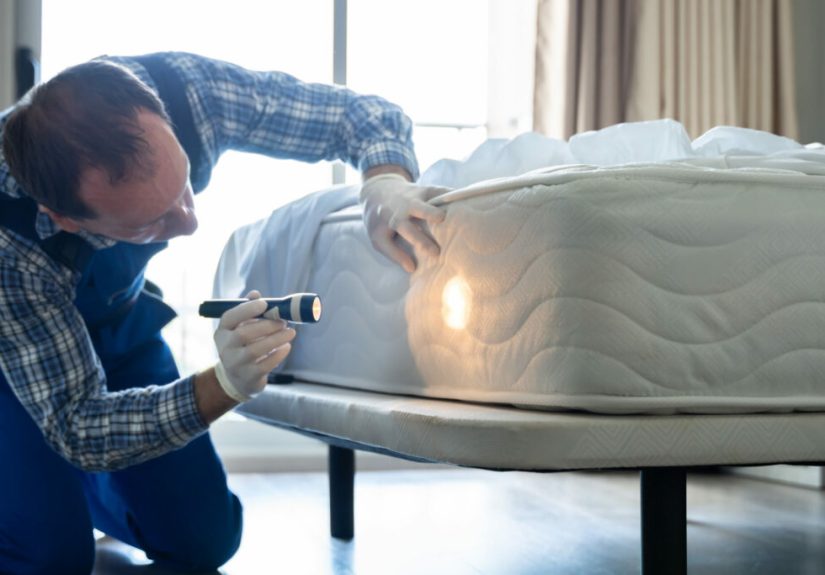
Begin where bed bugs are most likely to hang out: the bed itself. Strip the bedding and inspect the sheets, pillowcases, and mattress cover for dark spots, blood marks, skins, or live insects.
Then inspect the mattress carefully, especially:
- Piping and seams
- Tufts and folds
- Tags and labels
- Corners and edges
Use your flashlight and gently run a card along the seams. Bed bugs love tight hiding spaces, and mattress seams are prime real estate.
Step 3: Check the box spring and bed frame
Next, inspect the box spring. Look underneath it, along the fabric stapled to the bottom, around wooden supports, and inside cracks. Then check the bed frame, headboard, and all screw holes, joints, and crevices. If the headboard is mounted on the wall, look behind it if possible.
A useful rule of thumb: if a crack can hold the width of a card, it might hide a bed bug.
Step 4: Inspect nearby furniture
Do not stop at the bed. Bed bugs often stay close to where people sleep or rest, but they can spread outward. Check:
- Nightstands and dresser drawers, especially joints and undersides
- Upholstered chairs and couches, especially seams and cushions
- Curtain folds
- Baseboards
- Loose wallpaper or wall hangings
- Electrical outlets and nearby cracks
If the infestation is heavier, bed bugs may show up farther from the bed than you would expect. Tiny pests, big ambitions.
Step 5: Reduce clutter while you inspect
Clutter gives bed bugs more hiding places and makes inspection much harder. Pick items up carefully, inspect them, and bag anything suspicious. Keep clothes off the floor during and after your inspection.
Step 6: Consider interceptor traps
If you have not found clear evidence but still suspect a problem, interceptor traps placed under bed and furniture legs can help detect bed bugs. These traps can be more effective than visual inspection alone in some situations. They are especially useful for monitoring over time, since bed bugs may not appear during one quick look.
How To Check a Hotel Room for Bed Bugs
Travel is one of the most common moments when people think about bed bugs, usually after they have already dropped their suitcase on the bed. Aim to be faster than your instincts.
Before you unpack
Keep your luggage in the bathroom or on a checked luggage rack while you inspect. Do not put bags on the bed, carpet, or upholstered chair right away.
Inspect these areas first
- Pull back the sheets and inspect mattress seams and corners
- Look at the box spring and headboard
- Check pillows and bedding for spotting
- Inspect nearby furniture and luggage racks
- Peek behind wall decor near the bed if accessible
If you find suspicious signs, ask for another room that is not adjacent to or directly above or below the original room if possible. Then inspect that room too. Bed bugs do not care that you are “only staying one night.” They respect no itinerary.
How To Check Used Furniture, Clothing, and Other Items
Secondhand items can be great for your wallet, but they can also arrive with uninvited passengers. Before bringing used furniture or mattresses indoors, inspect them thoroughly.
Focus on hidden areas
Look at seams, folds, joints, undersides, screw holes, and cracks. On couches and upholstered chairs, remove cushions if possible and inspect the zippers, piping, and fabric folds. For clothing or fabric items from questionable sources, bag them and run them through a hot dryer before mixing them with the rest of your laundry.
If an item has clear signs of bed bugs, do not casually “deal with it later.” Later is where problems get expensive.
What Not To Rely On
Bites alone
Bites can be a clue, but they are not proof. Some people react strongly, some barely react at all, and some marks can take days to show up. Always look for physical evidence.
A quick glance
Bed bugs are masters of narrow hiding spots. A five-second look at the top of the mattress is not an inspection. It is wishful thinking with a flashlight.
Bug bombs and panic spraying
If you suspect bed bugs, avoid the urge to start fogging the room like you are filming an action movie. Improper insecticide use can harm your health and may not reach the cracks and crevices where bed bugs hide. Identification should come first, followed by a treatment plan that actually makes sense.
What To Do If You Find Signs of Bed Bugs
1. Save a sample if possible
If you find a bug, skin, or other evidence, place it in a sealed bag or container. Proper identification matters because other insects can be mistaken for bed bugs.
2. Do not move infested items around the home
Dragging an infested blanket, pillow, or chair through the house is a great way to expand the problem. Bag items before moving them.
3. Launder washable items properly
Wash and dry clothing, linens, and other washable fabrics using heat as appropriate for the material. High dryer heat is especially helpful for killing bed bugs and eggs.
4. Reduce hiding places
Declutter around the sleeping area, vacuum carefully, and consider mattress and box spring encasements designed for bed bugs. Encasements can make monitoring easier and reduce hiding spots.
5. Call a qualified pest professional when needed
Because bed bug control can be complex, a licensed pest management professional is often the smartest next step, especially if you find live bugs, repeated signs, or evidence in multiple rooms.
Common Mistakes People Make During a Bed Bug Check
- Only checking the top of the mattress
- Ignoring the headboard and bed frame
- Assuming no bites means no bed bugs
- Failing to inspect nearby furniture
- Putting luggage on hotel beds before inspecting
- Bringing used furniture indoors before checking it
- Using pesticides before confirming the problem
In other words, the most common mistake is underestimating how sneaky bed bugs are. They are tiny, patient, and absolutely delighted when humans skip the details.
Final Thoughts on How To Check for Bed Bugs
If you want to know how to check for bed bugs effectively, the secret is not magic. It is method. Start with the bed, move outward, inspect seams and cracks carefully, look for physical signs instead of relying on bites alone, and check travel items or secondhand furniture before they settle into your life like rude houseguests.
The best inspections are calm, thorough, and consistent. You do not have to turn into a paranoid mattress detective every night, but a smart inspection routine can catch a problem before it grows. And in the world of bed bugs, early discovery is the closest thing to a superpower.
Experiences Related to Checking for Bed Bugs
Checking for bed bugs is not just a technical task. It is also a very human experience, usually powered by equal parts caution, denial, and a flashlight that somehow feels too dim no matter how bright it is. Many people first inspect for bed bugs after a trip, after waking up with mysterious marks, or after spotting a suspicious speck on the mattress that instantly turns them into a crime-scene investigator.
One common experience happens after travel. You get home, unzip your suitcase, and suddenly remember that you never really checked the hotel room beyond a heroic two-second glance. That moment can feel like your luggage is now a mysterious portal. A careful person will move the suitcase to a hard surface, inspect the seams, check clothing, and run travel laundry through the dryer before relaxing. That experience teaches an important lesson: a five-minute inspection before unpacking is a lot less stressful than a two-hour panic session after vacation.
Another common scenario happens in the bedroom at home. Someone notices dark specks near the mattress seam and immediately starts mentally packing for a new identity in another state. But once they slow down, use a flashlight, inspect the seams, check the headboard, and look for cast skins or eggs, the picture becomes clearer. Sometimes it is bed bugs. Sometimes it is random debris, ink transfer, or another insect entirely. The experience here is not just about the bugs. It is about how much better a calm, evidence-based inspection feels than pure guesswork.
Used furniture creates its own special category of suspense. Plenty of people have found an amazing chair, couch, or nightstand secondhand and felt the thrill of a bargain quickly replaced by the dread of “What if this deal includes six-legged roommates?” A smart inspection of seams, joints, undersides, and screw holes can save a lot of regret. People who skip that step often describe the same feeling later: wishing they had spent ten extra minutes checking before hauling the item indoors like a trophy.
Then there is the hotel-room experience, which can turn even confident travelers into cautious acrobats balancing luggage in the bathroom while they inspect the bed. It feels awkward the first time, but it quickly becomes routine. Pull back the sheets, inspect seams, peek behind the headboard, glance at the luggage rack, and only then unpack. Once people build that habit, many say travel feels less stressful, not more. The inspection becomes a small ritual that provides peace of mind.
For families, the experience can be even more emotional. Parents often worry about overreacting or scaring children. But a practical inspection routine helps replace panic with action. Instead of saying, “Everything is terrible,” the better response is, “Let’s check the bedding, the bed frame, the nearby furniture, and the travel bags one step at a time.” That shift in mindset matters. It turns the situation from chaos into a checklist.
In the end, the experience of checking for bed bugs is really about learning to trust a careful process. The first inspection may feel overwhelming, but after you know where to look and what signs matter, it becomes much more manageable. Bed bugs are stubborn, yes, but the inspection itself does not have to be dramatic. It can be systematic, smart, and surprisingly empowering. Nothing says personal growth quite like confidently examining mattress piping without spiraling into a full-blown furniture conspiracy theory.
Note: This article is for education and early detection. If you find confirmed signs of bed bugs, getting help with identification and a treatment plan from a qualified pest professional is often the safest and fastest next step.