Table of Contents >> Show >> Hide
- Why Cutting Kale the Right Way Matters
- Know Your Kale Before You Cut
- Tools You Need to Cut Kale
- Step 1: Wash the Kale Thoroughly
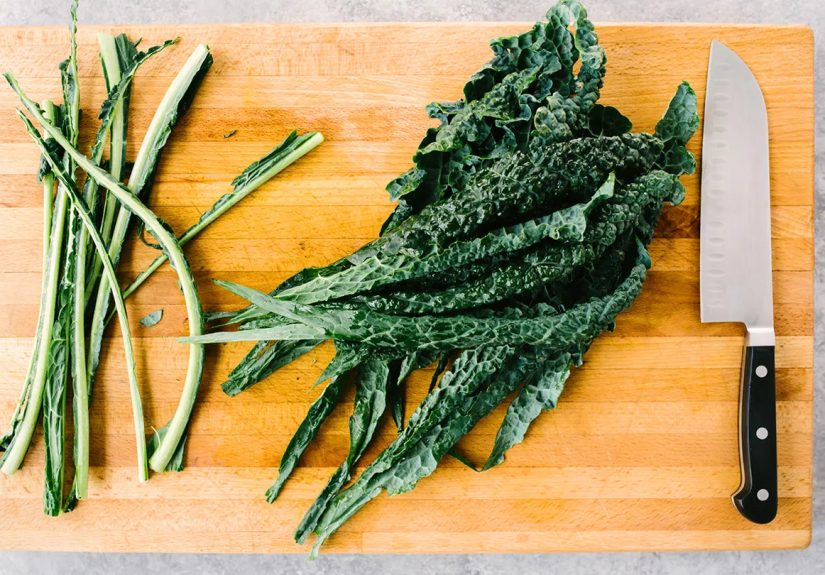
- Step 2: Remove the Tough Stems
- Should You Throw Away Kale Stems?
- How to Cut Kale for Salad
- How to Cut Kale for Soup
- How to Cut Kale for Sautéing
- How to Cut Kale for Kale Chips
- How to Cut Kale for Smoothies
- How to Cut Kale for Pasta, Grain Bowls, and Fillings
- How to Store Cut Kale
- Common Mistakes When Cutting Kale
- Quick Kale Cutting Cheat Sheet
- Flavor Pairings That Make Cut Kale Taste Better
- Experience Notes: What Actually Works When Cutting Kale at Home
- Conclusion: Cut Kale With a Purpose
Kale has a reputation. It walks into the kitchen wearing a tiny superhero cape, bragging about vitamins, fiber, and “clean eating,” then immediately turns tough, curly, sandy, and weirdly dramatic on the cutting board. But here is the good news: once you know how to cut kale properly, it stops acting like a leafy green with a personal trainer and becomes one of the most useful ingredients in your kitchen.
Whether you are making a crunchy kale salad, silky sautéed greens, hearty soup, grain bowls, smoothies, or oven-baked kale chips, the way you wash, de-stem, slice, chop, or tear kale changes everything. Cut it too large and you may feel like you are chewing a decorative houseplant. Cut it too small and it can disappear into a recipe like it saw its calendar and remembered it had somewhere else to be.
This guide breaks down exactly how to cut kale for different recipes, how to remove the tough stems, how to wash and dry it, and how to make it tender without turning it into sad green confetti. Grab a cutting board, a steady knife, and your bunch of kale. We are about to make this leafy powerhouse behave.
Why Cutting Kale the Right Way Matters
Kale is sturdier than lettuce, spinach, or arugula. That is part of its charm. It can hold up in soups, stews, meal-prep salads, and hot skillets without immediately collapsing into a puddle of green regret. But that structure also means kale needs more preparation than tender salad greens.
The central stem is usually thick and fibrous, especially in mature curly kale and lacinato kale. The leaves can be ruffled, bumpy, or flat depending on the variety, which means dirt can hide in the folds. And because raw kale is naturally firm, the size and shape of your cut will decide whether your final dish feels elegant, rustic, chewy, crisp, or downright stubborn.
The goal is not just smaller kale
Cutting kale is about texture. Thin ribbons make raw salads easier to chew. Larger pieces are better for sautés, braises, and soups. Torn leaves roast beautifully into kale chips because the uneven edges crisp up nicely. Fine chopped kale blends into grain bowls, omelets, pasta, and fillings without stealing the entire conversation.
In other words, the best way to cut kale depends on what you plan to do with it. Kale is not difficult. It is just very committed to being itself.
Know Your Kale Before You Cut
Not all kale varieties cut the same way. The basic prep steps are similar, but the leaf shape and stem thickness can change the best method.
Curly kale
Curly kale is the fluffy, ruffled variety most people recognize. It has crisp edges, a sturdy stem, and a slightly peppery flavor. Because the leaves have so many folds, curly kale needs careful washing. It is excellent chopped for soups, torn for kale chips, or thinly sliced for salads after the stems are removed.
Lacinato kale
Lacinato kale is also called Tuscan kale or dinosaur kale. It has long, narrow, dark green leaves with a bumpy texture. The leaves are flatter than curly kale, which makes them easier to stack, roll, and slice into ribbons. Lacinato kale is a favorite for salads because it cuts neatly and softens beautifully with dressing.
Red Russian kale
Red Russian kale has flatter, frillier leaves and reddish stems. It is often more tender than curly kale, especially when young. The stems can still be tough, so taste and trim as needed. It works well in salads, sautés, and quick-cooking dishes.
Baby kale
Baby kale is tender and usually sold in clamshell boxes or bags. It often does not need cutting at all. If the leaves are large, a quick rough chop is enough. Baby kale is best treated gently because aggressive chopping or massaging can make it wilt too quickly.
Tools You Need to Cut Kale
You do not need fancy equipment to prep kale. A few basic kitchen tools will make the job faster, cleaner, and less chaotic.
- A sturdy cutting board: Choose one that does not slide around. Place a damp towel underneath if needed.
- A sharp kitchen knife: A sharp knife cuts cleaner and is easier to control than a dull one.
- A large bowl: Useful for washing, soaking, and tossing chopped kale.
- A salad spinner or clean towel: Dry kale is easier to cut and better for salads, sautés, and chips.
- A storage container or bag: Helpful if you are prepping kale ahead of time.
For safety, keep your cutting board stable, work slowly, and keep fingertips tucked away from the blade. Kale is not worth a dramatic kitchen incident. It is leafy, not legendary.
Step 1: Wash the Kale Thoroughly
Kale can hold dirt, grit, and tiny bits of field in its folds, especially curly kale. Washing it well is the first step to making it taste fresh instead of “surprise sandbox.”
How to wash whole kale leaves
- Separate the leaves from the bunch.
- Rinse each leaf under cool running water, gently rubbing the surface and folds.
- For very gritty kale, fill a large bowl with cool water and swish the leaves around.
- Lift the leaves out of the water instead of pouring the water over them, so grit stays behind.
- Repeat if the water looks dirty.
Drying matters more than people think. Wet kale can slide around on the cutting board, dilute salad dressing, steam instead of sauté, and refuse to crisp in the oven. Use a salad spinner, pat the leaves with a clean towel, or spread them out briefly until the extra moisture is gone.
Step 2: Remove the Tough Stems
The stem is the main reason many people think kale is too tough. Some stems are edible when finely chopped and cooked, but for salads, chips, and quick sautés, removing them usually gives the best texture.
Method 1: Strip the leaves by hand
Hold the kale stem firmly with one hand. With the other hand, pinch the leafy part near the base of the stem and pull upward along the rib. The leaves should tear away from the stem in one or two motions. This method is fast, satisfying, and slightly dramatic in a “garden superhero” way.
Method 2: Fold and slice
Lay one kale leaf flat on the cutting board. Fold it lengthwise so the thick stem sits along one edge. Carefully slice along the stem to separate the leafy part. This method works especially well for lacinato kale because the leaves are long and flat.
Method 3: Slice on both sides of the rib
For very large leaves, place the leaf flat and cut down both sides of the center rib. Remove the stem and keep the two leafy halves. This is neat, controlled, and ideal when you want even pieces.
Should You Throw Away Kale Stems?
Not necessarily. Kale stems are tougher than the leaves, but they are not automatically trash. If the stems are thin and fresh, you can chop them finely and cook them a little longer than the leaves. Add them to soups, stir-fries, fried rice, vegetable stock, or sautés. Think of them as the crunchy bonus track, not the main album.
For raw salads, however, remove the stems unless they are very tender. A salad should not feel like a jaw workout disguised as lunch.
How to Cut Kale for Salad
For kale salad, thin is your friend. The thinner the cut, the easier the kale is to chew, dress, and enjoy. This is where the ribbon cut, also called chiffonade, shines.
How to slice kale into ribbons
- Wash and dry the kale well.
- Remove the stems.
- Stack several leaves on top of each other.
- Roll the leaves into a loose cylinder.
- Slice across the roll into thin ribbons.
For a delicate salad, aim for narrow ribbons. For a heartier salad, cut them a bit wider. Once sliced, toss the kale with a little olive oil, lemon juice, vinegar, or dressing. A short rest helps the leaves soften and absorb flavor.
When to massage kale
Massaging kale sounds like something invented by a spa with excellent branding, but it works. For raw mature kale, add a small drizzle of oil and a pinch of salt, then gently rub and squeeze the leaves until they turn darker and softer. Usually one to three minutes is enough. Stop before the kale looks limp. You want tender, not defeated.
If your kale is sliced very thin, dressed ahead of time, or made from baby kale, massaging may not be necessary. In fact, baby kale can become soggy if handled too much.
How to Cut Kale for Soup
Soup kale should be large enough to keep some texture but small enough to fit comfortably on a spoon. Nobody wants to battle a giant leaf while trying to enjoy a cozy bowl of white bean soup.
Best cut for soups and stews
Remove the stems, stack the leaves, and chop them into bite-size pieces, about one to two inches wide. For rustic soups, a rough chop is perfect. For smoother soups, slice the kale more finely so it blends into the broth.
Add kale near the end of cooking for brighter color and better texture. If you add it too early, it can become overly soft. If you are using chopped stems, add them earlier because they need extra time to tenderize.
How to Cut Kale for Sautéing
Sautéed kale works best when cut into medium pieces. Too large, and it cooks unevenly. Too tiny, and it may clump in the pan.
Best cut for quick cooking
After removing the stems, stack the leaves and cut them into wide ribbons or rough pieces. A two-inch chop is a great all-purpose size. The pieces will shrink as they cook, so do not panic if the raw pile looks like enough kale to feed a marching band.
For a simple sauté, cook garlic briefly in oil, add the kale, season lightly, and stir until the leaves wilt but remain green. A splash of broth, water, or lemon juice can help soften the leaves and prevent scorching.
How to Cut Kale for Kale Chips
Kale chips are best when the leaves are torn, not finely chopped. Torn pieces have irregular edges that crisp nicely, while tiny chopped bits can burn before the larger pieces are done.
Best cut for baking
- Wash and dry the kale extremely well.
- Remove the stems.
- Tear the leaves into large bite-size pieces.
- Toss lightly with oil and seasoning.
- Spread in a single layer before baking.
The key word is dry. Wet kale steams in the oven, and steamed chips are just confused leaves. Also avoid overcrowding the pan. Kale needs space to crisp.
How to Cut Kale for Smoothies
For smoothies, kale does not need to look pretty. It just needs to blend well. Remove the thick stems, then roughly chop the leaves into smaller pieces before adding them to the blender.
Lacinato kale and baby kale tend to blend more smoothly than curly kale. If your blender is not very powerful, chop the kale more finely and blend it with liquid first before adding frozen fruit or other ingredients.
How to Cut Kale for Pasta, Grain Bowls, and Fillings
For pasta, rice bowls, tacos, egg dishes, casseroles, and savory fillings, finely chopped kale is usually best. It mixes evenly with other ingredients and cooks quickly.
Best cut for mixed dishes
Remove the stems, stack the leaves, slice them into ribbons, then turn the pile and chop across the ribbons. This creates small pieces that distribute well through the dish. It is the difference between “pleasant green goodness in every bite” and “one giant kale patch on top of your fork.”
How to Store Cut Kale
Cut kale is convenient for meal prep, but it needs cool, dry storage. After washing and drying, place the prepared kale in an airtight container or resealable bag with a dry paper towel to absorb extra moisture. Store it in the refrigerator.
For best texture, use cut kale within a few days. If it smells off, feels slimy, or looks badly wilted, it is time to let it go. We respect kale, but we do not negotiate with suspicious greens.
Can you freeze cut kale?
Yes. Kale can be frozen, especially if you plan to use it in soups, stews, smoothies, or cooked dishes. For the best quality, remove stems, chop the leaves, blanch briefly, cool quickly, drain well, and freeze in portions. Frozen kale will not have the same texture as fresh kale for salads, but it is very useful for cooking.
Common Mistakes When Cutting Kale
Leaving thick stems in raw salads
This is the fastest way to make guests chew silently while questioning your friendship. Remove the stems for raw kale salads unless the kale is young and tender.
Cutting wet kale
Wet kale is slippery and harder to dress, sauté, or roast properly. Dry it well before cutting whenever possible.
Making pieces too large
Kale shrinks during cooking, but raw salads need smaller cuts. If you are serving kale raw, thin ribbons or small pieces are usually better.
Over-massaging the leaves
Massage kale just until it softens. Too much squeezing can turn it limp and mushy.
Using the same cut for every recipe
Kale is versatile, but the cut should match the dish. Thin ribbons for salads, rough chops for soups, torn pieces for chips, and fine chops for mixed recipes.
Quick Kale Cutting Cheat Sheet
| Recipe Type | Best Kale Cut | Prep Tip |
|---|---|---|
| Raw salad | Thin ribbons | Remove stems and massage if needed |
| Soup or stew | Bite-size rough chop | Add leaves near the end of cooking |
| Sauté | Wide ribbons or medium chop | Cook stems first if using them |
| Kale chips | Torn large pieces | Dry completely before baking |
| Smoothies | Rough chop | Remove stems for a smoother blend |
| Pasta or grain bowls | Fine chop | Mix evenly with other ingredients |
Flavor Pairings That Make Cut Kale Taste Better
Kale loves bold flavors. Once it is cut correctly, it can handle acid, fat, salt, sweetness, spice, and crunch. Lemon juice, apple cider vinegar, balsamic vinegar, olive oil, garlic, Parmesan, toasted nuts, dried cranberries, apples, tahini, avocado, roasted squash, white beans, chickpeas, and crispy breadcrumbs all work beautifully.
If your kale tastes too bitter, balance it with something acidic and something rich. For example, a salad with lemon vinaigrette, olive oil, shaved cheese, and toasted almonds can turn tough raw kale into something people actually request again. Yes, miracles happen. Sometimes they involve breadcrumbs.
Experience Notes: What Actually Works When Cutting Kale at Home
After prepping kale many different ways, the biggest lesson is simple: do not rush the drying step. Washing kale is easy, but drying it properly is what separates crisp, lively greens from a wet pile that refuses to cooperate. Curly kale especially holds water in its ruffles like it is saving it for later. A salad spinner is helpful, but even then, spreading the leaves on a towel for a few minutes makes a noticeable difference. Dry kale cuts cleaner, stores better, and tastes brighter once dressed.
The second lesson is that the stem decision depends on the recipe. At first, it is tempting to strip every stem and toss it away automatically. For salads and chips, that is usually the right move. But for soups and sautés, finely chopped stems can be useful. The trick is timing. Add chopped stems to the pan or pot first, let them soften, then add the leaves later. This prevents the common problem of tender leaves mixed with crunchy stems that feel like they missed the memo.
For salads, thin slicing makes a bigger difference than people expect. A bowl of large kale chunks can feel heavy, even with a great dressing. But the same leaves sliced into thin ribbons become lighter, easier to chew, and better at catching vinaigrette. Lacinato kale is especially satisfying for this because the leaves stack neatly and slice into tidy ribbons. Curly kale can also be sliced thin, but it may need a little more patience because the leaves do not lie flat.
Massaging kale is another technique that sounds unnecessary until you try it side by side. A small drizzle of olive oil and a pinch of salt can soften mature kale quickly. The key is restraint. Rub the leaves until they darken and relax, then stop. Overworked kale loses its pleasant bite and starts behaving like it has been through an emotional support seminar. For meal-prep salads, a better strategy is often to slice the kale thinly, dress it lightly, and let it sit in the refrigerator. Time does some of the tenderizing for you.
Kale chips teach one more important lesson: size and dryness matter. Tiny pieces burn quickly, while oversized pieces stay chewy in the center. Medium torn pieces are the sweet spot. They should be big enough to survive the oven but small enough to eat in one or two bites. Use less oil than you think you need. Too much oil makes chips heavy instead of crisp.
Finally, pre-cut kale is convenient, but whole bunches usually give you more control. Bagged chopped kale often includes lots of stems, which can be annoying for raw recipes. When texture matters, buying whole kale and cutting it yourself is worth the extra few minutes. Once you get the rhythmwash, dry, strip, stack, slicekale prep becomes quick, almost relaxing, and far less intimidating than its curly green attitude suggests.
Conclusion: Cut Kale With a Purpose
Learning how to cut kale is less about mastering a fancy chef trick and more about choosing the right texture for the dish. Remove tough stems when needed, wash and dry the leaves well, and match your cut to your recipe. Thin ribbons make better salads. Rough chops belong in soups. Torn leaves crisp into excellent chips. Fine chopped kale blends into everyday meals without taking over the plate.
Kale may look rugged, but it is surprisingly adaptable once you treat it properly. Give it a clean rinse, a confident cut, and the right seasoning, and it becomes more than a health-food cliché. It becomes a practical, flavorful, meal-saving green that can handle lunch, dinner, snacks, and the occasional overachieving smoothie.