Table of Contents >> Show >> Hide
- Meet the Banana Shrub: What It Is (and What It Isn’t)
- Where Banana Shrub Grows Best
- Soil Prep: Give It the “Magnolia Spa Day”
- How to Plant Banana Shrub (Step-by-Step)
- Watering: From Baby Mode to Drought-Tolerant Adult
- Fertilizing: Feed Lightly, Bloom Happily
- Pruning and Training: The “Don’t Steal Next Year’s Flowers” Rule
- Cold-Edge Tips: How to Keep Buds From Getting Tricked
- Container Growing (a.k.a. “Put It on Wheels and Call It Climate Control”)
- Common Problems (and How to Fix Them Without Panicking)
- Propagation: How Banana Shrub Multiplies
- Design Ideas: Plant It Where the Fragrance Can Do Its Job
- Seasonal Checklist: The Low-Drama Routine
- Real-World Experiences: What Gardeners Learn the Fun Way (About )
- 1) The fragrance has a scheduleyour nose just wasn’t invited to the meeting
- 2) “Close to the house” is great… until it becomes a bud-trap
- 3) First-year watering is the difference between “easy shrub” and “mysterious drama”
- 4) Pruning timing is everything (and late pruning is basically flower theft)
- 5) Scale insects: the quiet problem you notice only after the plant looks sticky
- 6) The best planting location is where you’ll actually use your senses
- Conclusion
Let’s clear something up before your neighbor starts asking for smoothies: banana shrub is not the plant that makes bananas. It’s the plant that makes people think about bananasbecause the flowers smell like them. (Sometimes like cantaloupe, too. Yes, your shrub is basically a tiny fruit-scented candle that photosynthesizes.)
If you want a fragrant, evergreen shrub that behaves itself, tolerates pruning, and makes your front walk smell like a tropical vacationbanana shrub (Magnolia figo) might be your new favorite yard roommate. Here’s how to plant it right, keep it thriving, and avoid the classic mistakes that turn “easy care” into “why is it sulking?”.
Meet the Banana Shrub: What It Is (and What It Isn’t)
Names you’ll see at nurseries
Banana shrub’s current botanical name is Magnolia figo, but you’ll still see the older name Michelia figo on tags, especially at older nurseries or in legacy plant lists. Same plant, same fragrance, same smug feeling when you recognize both names.
What it looks like
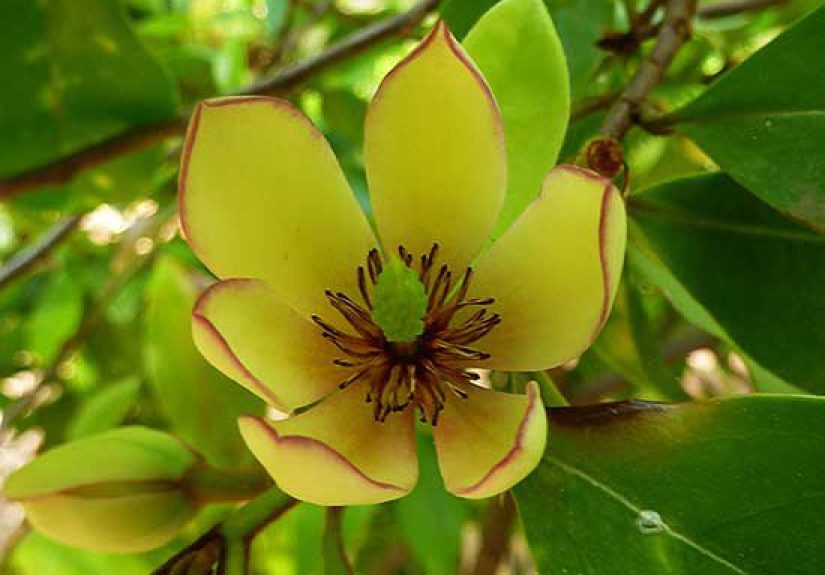
Banana shrub is an evergreen, multi-stemmed shrub (or small tree if trained) with glossy green leaves and fuzzy brown flower buds. The blooms are smallthink “mini magnolia”usually creamy yellow with purplish edges. The fragrance is the headline act: sweet, fruity, and strongest when temperatures are mild and the air is a little humid.
Popular types
You may see cultivars like ‘Port Wine’ (deeper maroon-ish flowers) and skinneriana (often sold as an “improved” form with strong performance and good bloom). If you live near the cooler edge of its range, choosing a proven cultivar can be the difference between “spring perfume” and “spring disappointment.”
Where Banana Shrub Grows Best
Hardiness zones (and what “hardy” really means)
Banana shrub is commonly grown in USDA Zones 8–10, with some sources listing it as workable into Zone 7 with protection. Translation: it can survive colder areas, but buds and flowers may get zapped by late frosts. If you’re in a marginal zone, treat it like a fancy guestgive it shelter and don’t stick it in the windiest corner of your yard.
Sun vs. shade
Banana shrub grows in full sun to part shade. More sun usually means a tighter, more compact plant (and sometimes slightly yellower foliage). A bit of shadeespecially afternoon shade in hot climatesoften keeps foliage richer green and the shrub happier overall.
Wind protection matters
Plant it where it’s protected from strong winds (near a fence, hedge line, or the calmer side of the house). Wind can dry the plant, shred leaves, and make winter chill feel extra personal.
Soil Prep: Give It the “Magnolia Spa Day”
Drainage is non-negotiable
If banana shrub could speak, it would say: “I like moisture, not swamp.” It prefers evenly moist, well-drained soil. If your soil holds water like a bathtub, fix drainage first (amend with organic matter, build a slight berm, or choose a higher spot).
Ideal pH and organic matter
Aim for slightly acidic soilmany gardeners target roughly pH 6.0–6.5. Mix in compost or other organic matter to improve both nutrition and structure. This is especially helpful in sandy soils (that drain too fast) and clay soils (that drain too slow).
How to Plant Banana Shrub (Step-by-Step)
When to plant
In most of the U.S., spring after the danger of frost is the easiest time to plant. In warm coastal or southern climates, fall planting can also work wellcooler air, warm soil, and less stress.
The planting steps
- Choose the right spot: Full sun to part shade, protected from wind, and somewhere you’ll actually enjoy the fragrance (near a patio, entry, or a window you open).
- Dig a wide hole: About twice as wide as the root ball and just as deep. Wide loosening encourages roots to spread.
- Set the height correctly: Place the plant so the soil line from the nursery pot sits slightly higher than the surrounding ground. (Burying shrubs too deep is a classic slow-motion tragedy.)
- Backfill with the original soil: Break up big clods, remove rocks, and lightly firm the soil as you go to reduce air pockets.
- Water thoroughly: Slow soak right after plantingthis settles soil around roots.
- Mulch like you mean it: Add 2–3 inches of mulch over the root zone, but keep it pulled back a few inches from the trunk/stems to prevent rot.
Spacing: specimen vs. hedge
For a single “showpiece” shrub, give it room to breathemany mature plants land somewhere in the 6–10 feet range in both height and width, with some older specimens getting larger. If you’re planting a hedge or screen, space closer (often a few feet apart depending on how dense you want it). A common mistake is spacing too tightly and then spending the next decade pruning like it’s your second job.
Watering: From Baby Mode to Drought-Tolerant Adult
The first growing season is where most “easy shrubs” either thrive or develop lifelong grudges. Banana shrub should be watered regularly after planting to build a strong root system. Once established, it becomes fairly drought tolerantbut it still performs best with consistent moisture.
A practical watering rhythm
- Weeks 1–4: Deep water 2–3 times per week (adjust for heat, rain, and soil type).
- Months 2–6: Deep water about once per week, more during heat waves or sandy-soil dry-outs.
- After establishment: Water during extended dry spellsespecially if you want more blooms and less leaf stress.
“Deep water” means a slow soak that reaches the root zone, not a five-second sprinkle that only refreshes the mulch.
Fertilizing: Feed Lightly, Bloom Happily
Banana shrub isn’t a heavy feeder, but it appreciates a little supportespecially in poor soils. Many gardeners fertilize once a year in late winter or very early spring before new growth.
What to use
- If your soil pH trends neutral or alkaline, use a slow-release fertilizer for acid-loving plants.
- If your soil is already acidic, a balanced slow-release shrub/tree fertilizer is usually fine.
Signs you’re overdoing it
Too much fertilizer can push lots of leafy growth with fewer flowers. If your plant looks like it’s trying to win a “Most Leaves” contest and forgot to bloom, back off.
Pruning and Training: The “Don’t Steal Next Year’s Flowers” Rule
Best time to prune
Prune right after the main bloom period. Banana shrub forms next year’s flower buds by early summer, so late pruning can remove the buds you were hoping would become next spring’s fragrance.
How hard can you prune?
Banana shrub tolerates pruning welleven fairly hard pruningif you do it at the right time. Use this to shape it as a dense shrub, keep it at hedge height, or gradually limb it up into a small multi-trunk tree.
Three common training styles
- Dense shrub: Lightly thin interior branches after bloom to improve airflow, then tip-prune to encourage bushiness.
- Hedge/screen: Prune after bloom and touch up lightly in early summer if needed (but avoid heavy late-season cuts).
- Small tree: Remove lower branches gradually over multiple seasons rather than in one dramatic haircut.
Cold-Edge Tips: How to Keep Buds From Getting Tricked
In areas near the northern edge of its range, avoid planting banana shrub in a warm south-facing “heat pocket” right against the house. Those spots can encourage buds to open too early, making them sitting ducks for late freezes. Instead, choose a more stable microclimatesomewhere protected but not artificially warm in late winter.
Container Growing (a.k.a. “Put It on Wheels and Call It Climate Control”)
If you’re in a colder zone or you just like moving plants around like chess pieces, banana shrub can be grown in a large container.
Container basics
- Pot size: Start with something roomy and heavy enough not to tip in wind.
- Soil mix: Use a high-quality, well-draining potting mix; add pine bark fines or compost for structure.
- Water: Containers dry out fastercheck moisture often in summer.
- Wintering indoors: If you overwinter inside, keep it in bright light, around typical indoor comfort temps, and aim for decent humidity.
Common Problems (and How to Fix Them Without Panicking)
Yellow-green leaves
Some yellowing can happen in strong sun. If the plant looks washed out, try giving it light afternoon shade or improving soil moisture consistency. If yellowing is paired with poor growth, consider checking soil pH and drainage.
Scale insects (the sneaky bump villains)
Banana shrub is often fairly trouble-free, but scale can show upespecially in warmer, coastal areas. Look for small bumps on stems/leaves and sticky residue. Start with the gentlest effective approach: prune out badly infested stems, improve airflow, and use horticultural oil or insecticidal soap as needed (following label directions).
Frost-damaged buds
Late frosts can damage flowers or buds, particularly in cooler zones. The good news: the plant usually recovers. Focus on overall plant healthmulch, consistent moisture, and avoiding late pruning.
Propagation: How Banana Shrub Multiplies
In nursery production, many magnolia-family shrubs (including banana shrub) are commonly propagated by cuttings. For home gardeners, the most reliable route is typically taking semi-hardwood cuttings in warm weather, using rooting hormone, and providing high humidity while roots form. It’s not instant gratificationmore like “slow-brew coffee gratification”but it works.
Design Ideas: Plant It Where the Fragrance Can Do Its Job
Banana shrub’s superpower is scent, so don’t hide it behind the garage next to the trash cans. Great placement ideas:
- Near an entryway or walkway so you catch the fragrance as you pass.
- By a patio or deck where you sit in spring.
- Near a bedroom window you like to crack open in mild weather.
- As a hedge/screen where evergreen foliage provides year-round structure.
Seasonal Checklist: The Low-Drama Routine
Late winter / early spring
- Feed lightly if needed (slow-release).
- Top up mulch (don’t volcano it).
Spring (bloom season)
- Enjoy the fragrance. Brag quietly.
- Water consistently if rainfall is low.
After bloom (late spring / early summer)
- Do your main pruning now.
- Lightly thin for airflow if the shrub is dense.
Summer
- Deep water during drought.
- Watch for scale and address early.
Fall / winter
- In cooler zones, protect roots with mulch and avoid stimulating late growth.
- Move containers to shelter before hard freezes.
Real-World Experiences: What Gardeners Learn the Fun Way (About )
Garden guides can tell you the “rules,” but gardeners will tell you the reality. Here are some experience-based lessons that come up again and again when people learn how to plant and grow banana shrub.
1) The fragrance has a scheduleyour nose just wasn’t invited to the meeting
Many gardeners expect a constant banana blast the moment the first flower opens. In real life, the scent often comes and goes with temperature, humidity, and time of day. Cool mornings may smell like “nothing’s happening,” and then by late morning or early evening you suddenly get a wave of fruity perfume. If you plant it near a path you walk at different times, you’ll notice this “on/off” effect more than if it’s tucked in a back corner. The payoff is worth itjust don’t accuse the plant of being inconsistent. It’s being strategic.
2) “Close to the house” is great… until it becomes a bud-trap
People love planting fragrant shrubs near windows and doors (smart). But gardeners in cooler parts of the range notice a twist: a warm south-facing wall can coax buds to open early during late-winter warm spells. Then a normal cold snap shows up like the villain in a movie sequel and fries the early blooms. A common compromise is planting near living spaces but choosing a spot with more stable temperaturesprotected from wind, yes, but not a heat pocket that tricks the buds into jumping the gun.
3) First-year watering is the difference between “easy shrub” and “mysterious drama”
Once established, banana shrub can handle dry periods better than many people expect. But gardeners who treat a newly planted shrub like an established one often see slow growth, leaf dullness, and fewer blooms. The “experience upgrade” is simple: deep water regularly in the first growing season. It’s not about keeping the soil soggyjust consistently moist. After that, the plant tends to become much more forgiving, which is where its low-maintenance reputation comes from.
4) Pruning timing is everything (and late pruning is basically flower theft)
A classic real-life mistake: someone prunes in late summer or early fall because the shrub looks a little wild. The plant survives, looks neatand then barely blooms the following spring. Why? Because flower buds for next year form by early summer. Experienced banana shrub growers learn the “right after bloom” rule and stick to it. If you need a hedge, you can still shape itjust do the heavier work right after flowering and keep later touch-ups light.
5) Scale insects: the quiet problem you notice only after the plant looks sticky
Many gardeners never see major pests on banana shrub. But when scale shows up, it’s often first spotted as sticky residue or a slightly sooty look on leaves. The best “been-there” advice is to check stems and leaf undersides occasionallyespecially if your shrub is in a sheltered spot with less airflow. Catching scale early is much easier than trying to solve it after it spreads.
6) The best planting location is where you’ll actually use your senses
The most satisfied banana shrub owners tend to place it where people naturally pause: near a patio, a gate, or a favorite window. The plant becomes part of the routinewalk outside, smell spring, feel like a garden genius. That’s the real win of banana shrub: it’s not just something you see, it’s something you experience.
Conclusion
Banana shrub is a rare combo: evergreen structure, spring-to-early-summer fragrance, and a personality that doesn’t demand constant attentionif you nail the basics. Give it well-drained, slightly acidic soil enriched with organic matter. Water consistently while it’s getting established. Plant it where wind won’t punish it. And prune right after bloom so you don’t accidentally erase next year’s flowers.
Do that, and you’ll have a shrub that turns ordinary spring air into something you actually want to breathe in. Which is a pretty strong return on investment for a plant that mostly just sits there looking polite.