Table of Contents >> Show >> Hide
- Why Brussels Sprouts Lose Their Crunch
- The Best Way to Store Raw Brussels Sprouts
- How Long Brussels Sprouts Last in the Fridge
- Should You Store Brussels Sprouts on the Stalk?
- Mistakes That Make Brussels Sprouts Go Soft Fast
- How to Prep Brussels Sprouts Without Ruining Storage Life
- Can You Freeze Brussels Sprouts?
- How to Store Cooked Brussels Sprouts
- How to Tell If Brussels Sprouts Have Gone Bad
- Quick Storage Rules to Remember
- The Bottom Line
- Experience Notes: What Real-Life Brussels Sprout Storage Usually Teaches You
- SEO Tags
Brussels sprouts have a real talent for going from cute little green cabbages to sad little gym socks if you store them the wrong way. One day they are crisp, bright, and ready to roast into glory. The next day they are limp, yellowing, and giving off “I was forgotten in the back of the fridge” energy.
The good news is that storing Brussels sprouts the right way is not complicated. In fact, it mostly comes down to four simple ideas: keep them cold, keep them dry, keep them whole, and do not get overexcited with the sink sprayer before it is time to cook. If you follow those basics, your Brussels sprouts can stay fresher, firmer, and crunchier much longer.
This guide breaks down exactly how to store Brussels sprouts so they stay crunchy, how long they last, what mistakes make them go soft, and what to do if you want to freeze them for later. If you have ever paid for a bag of sprouts only to discover a science experiment three days later, this article is for you.
Why Brussels Sprouts Lose Their Crunch
Brussels sprouts are sturdy compared with delicate greens, but they are still perishable. Their texture changes fast when they lose moisture, sit too warm, or get trapped in the wrong kind of storage environment. Too dry, and they shrivel. Too wet, and they start heading toward rot. Too warm, and quality drops faster than your motivation to meal prep on a Sunday night.
The reason proper storage matters so much is that Brussels sprouts hold best in a cold, humid environment with airflow. That is why the refrigerator crisper drawer is usually their best home. It gives them a better shot at staying plump and firm instead of turning flabby and bitter.
Another issue is that Brussels sprouts are sensitive to ethylene, a natural plant gas that speeds up aging and yellowing. So while your fruit bowl may look wholesome and photogenic on the counter, it is not the ideal roommate situation for your sprouts.
The Best Way to Store Raw Brussels Sprouts
1. Start with the freshest sprouts you can find
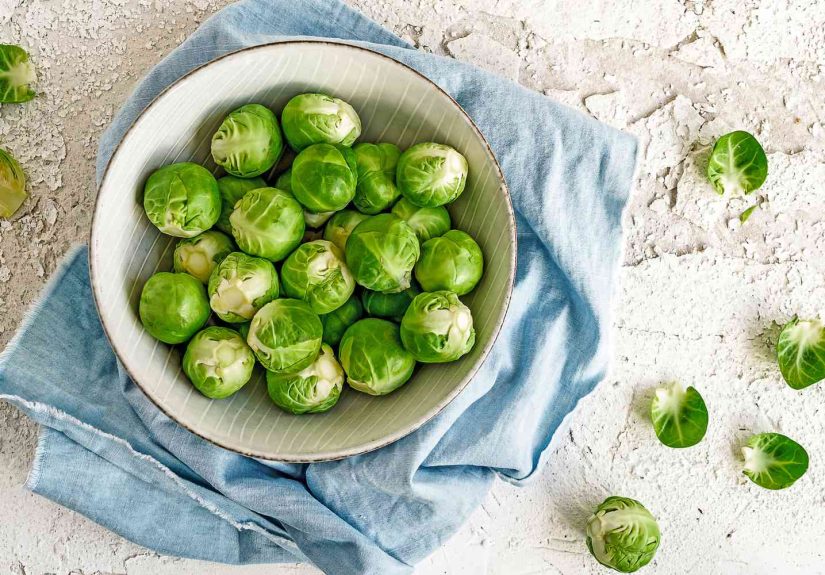
Storage success begins at the store or market. Choose Brussels sprouts that feel firm, look bright green, and have tightly packed leaves. Avoid sprouts with yellow leaves, black spots, a mushy feel, or obvious wilting. If they already look tired at the store, your refrigerator is not a magical spa retreat that will restore them.
Smaller sprouts are often a little sweeter and more tender, but size matters less than freshness. The real goal is compact, solid sprouts that feel dense for their size and look lively, not limp.
2. Do not wash or trim them before storing
This is the big one. If you want crunchy Brussels sprouts, leave them unwashed and untrimmed until you are ready to use them. Washing too early adds moisture, and excess moisture is one of the fastest ways to shorten storage life. Trimming them early also exposes more surface area, which makes them deteriorate faster.
In other words, resist the urge to be “helpfully efficient” right after grocery shopping. Your future self will survive the extra two minutes of washing and trimming on cooking day.
3. Put them in a perforated or loosely closed bag
The sweet spot is a bag that helps hold humidity without trapping too much moisture. A perforated plastic bag is ideal. If you do not have one, a loosely closed produce bag works better than sealing the sprouts tightly in an airtight container. They need a bit of airflow while still being protected from drying out.
If your Brussels sprouts came home in a breathable produce bag, you can usually leave them there. If the bag is wet inside, swap it out. Wet bag, sad sprouts. That is the rule.
4. Store them in the crisper drawer
The refrigerator crisper drawer is the best place to store Brussels sprouts because it is designed to maintain a produce-friendly environment. Tuck the bagged sprouts into the crisper and leave them alone until you need them. Constantly taking them in and out, opening the bag, or moving them around is not a major crime, but it does not help.
If your fridge has a very cold back wall, do not wedge them right against it where they might partially freeze. You want them cold, not punished.
5. Keep them away from ethylene-producing produce
Brussels sprouts should not be stored next to ethylene-producing produce because ethylene can speed yellowing and quality loss. So if your crisper drawer is also hosting high-ethylene fruits, consider giving the sprouts their own zone. They are not being dramatic. They are protecting their texture.
How Long Brussels Sprouts Last in the Fridge
In a normal home refrigerator, raw Brussels sprouts usually stay in good shape for about 5 to 10 days when stored properly. Very fresh sprouts may last a bit longer, especially if they were recently harvested and have been kept cold the whole time. Sprouts sold on the stalk can sometimes last longer than loose ones because the buds remain more protected.
You may see commercial storage guidance suggesting Brussels sprouts can last several weeks under ideal conditions near 32 degrees Fahrenheit with very high humidity. That is true in professional cold-chain conditions, but most home fridges are not precision produce vaults. At home, plan for about a week of excellent quality and treat anything beyond that as a bonus round.
The fresher they are when you buy them, the better your odds. A bag that has already spent too long in transit or on display may decline faster, even if you store it perfectly once it gets home.
Should You Store Brussels Sprouts on the Stalk?
Yes, if you buy Brussels sprouts on the stalk and have enough refrigerator space, storing them that way can help them last longer. The sprouts stay attached and tend to hold quality better than loose sprouts. It is bulkier, yes, and your fridge may look like it is briefly hosting a small tree branch, but it can be worth it.
If the stalk is too awkward to store whole, you can remove the sprouts and keep them loose in a perforated bag. They will still store well, just not quite as long as the still-attached version in many cases.
Mistakes That Make Brussels Sprouts Go Soft Fast
- Washing them too soon: Extra moisture speeds spoilage.
- Trimming the stem ends early: This shortens storage life.
- Sealing them in an airtight container while damp: Great way to create condensation. Terrible way to keep crunch.
- Leaving them at room temperature too long: Brussels sprouts are fridge vegetables, not countertop decor.
- Storing them near ethylene-producing produce: This can make them yellow and age faster.
- Buying old sprouts and hoping for a miracle: The refrigerator preserves quality; it does not reverse time.
How to Prep Brussels Sprouts Without Ruining Storage Life
When you are ready to cook, that is the time to wash and trim. Rinse the sprouts under cool running water, remove any damaged outer leaves, and trim the stem end lightly. From there, you can roast them whole, halve them, shred them for slaw, or separate the leaves for a sauté.
If you know you will use the whole batch within a day or two, you can wash and prep them ahead of time, but dry them thoroughly and refrigerate them in a clean container. Even then, do not expect the same staying power you would get from leaving them whole and unwashed.
For maximum crunch, prep only what you need and keep the rest untouched until later in the week.
Can You Freeze Brussels Sprouts?
Yes, but freezing is best for long-term preservation, not for keeping that just-bought fresh crunch. Frozen Brussels sprouts are great for soups, sautés, casseroles, and roasting, but the texture changes. They will be softer after thawing or cooking than refrigerated fresh sprouts.
If you want to freeze Brussels sprouts the right way, do not just toss the raw sprouts into a freezer bag and hope for the best. First, trim off coarse outer leaves, wash them well, and sort them by size. Then blanch them in boiling water: small sprouts for 3 minutes, medium for 4 minutes, and large for 5 minutes. After blanching, cool them promptly in ice water, drain well, package them tightly, and freeze.
That blanching step matters because it slows the enzyme activity that can wreck flavor, color, and texture over time. It is a little extra work, but it keeps your freezer stash from tasting like disappointment.
How to Store Cooked Brussels Sprouts
If your Brussels sprouts are already cooked, let them cool, then store them in a covered container in the refrigerator. They are best within 2 to 3 days for flavor and texture. Roasted Brussels sprouts, in particular, tend to lose their edge after refrigeration. They are still tasty, but that crisp exterior usually turns into more of a “soft but friendly” situation.
To revive leftover cooked sprouts, reheat them in a hot skillet, air fryer, or oven instead of the microwave when possible. That will help bring back some surface texture.
How to Tell If Brussels Sprouts Have Gone Bad
Brussels sprouts are past their prime when they become soft, slimy, strongly smelly, or heavily yellowed. A few loose outer leaves are not a crisis. You can peel those away and keep going. But if the sprouts feel mushy, show mold, or smell sour or rotten, it is time to let them go.
Minor dryness or a few blemished leaves can often be fixed by trimming and peeling. Sliminess, however, is the vegetable equivalent of a hard no.
Quick Storage Rules to Remember
- Buy firm, bright green sprouts.
- Keep them unwashed and untrimmed until cooking day.
- Store them in a perforated or loosely closed plastic bag.
- Use the refrigerator crisper drawer.
- Keep them away from ethylene-producing produce.
- Use fresh sprouts within about a week for best texture.
- Blanch before freezing for long-term storage.
The Bottom Line
If you want Brussels sprouts to stay crunchy, do not overcomplicate it. Keep them cold, keep them dry, and do not wash or trim them until you are ready to cook. Store them in a perforated bag in the crisper drawer, and they will stay fresher much longer than if they are left loose, damp, or forgotten next to fruit that speeds their decline.
Brussels sprouts may have spent decades fighting for their reputation, but proper storage gives them a fair chance. Treat them well, and they reward you with better texture, better flavor, and far less produce guilt. Treat them badly, and they transform into a cautionary tale in the vegetable drawer. Your move.
Experience Notes: What Real-Life Brussels Sprout Storage Usually Teaches You
In real kitchens, the experience of storing Brussels sprouts is usually less about theory and more about tiny habits. People often buy a bag with the best intentions: maybe there is a sheet-pan dinner in the plan, maybe a shaved Brussels sprout salad sounds healthy and ambitious, or maybe someone saw a recipe online and believed this was finally the week they would become the sort of person who calmly meal preps cruciferous vegetables. Then life happens. Suddenly it is three or four days later, and the bag is still sitting there like a green reminder of unfinished business.
That is where the storage method makes all the difference. When Brussels sprouts are tossed into the fridge wet from a rinse, they usually start declining faster than expected. The outer leaves get blotchy, the bag feels damp, and the whole thing starts looking a little suspicious. On the other hand, when they are left unwashed in a breathable bag and tucked into the crisper, they tend to stay firm enough that you can still roast them several days later without drama. It is one of those kitchen lessons that feels annoyingly simple because it works so well.
Another common experience is buying Brussels sprouts on the stalk for the first time. They look impressive, a little rustic, and slightly like you accidentally brought home a decorative branch from a farm stand. But they often hold up nicely. People who have room in the fridge usually notice that stalk-on sprouts feel fresher longer. The challenge is mostly logistical. You have to rearrange shelves, move the orange juice, and make peace with the fact that your refrigerator now looks like a tiny produce market.
There is also the classic mistake of trimming everything at once to “save time later.” It feels efficient in the moment. You slice the ends, peel off the loose leaves, rinse the whole batch, and feel wildly productive. Then two days later, the prepped sprouts are not nearly as crisp as the untouched ones would have been. This is one of those experiences that turns many home cooks into reluctant minimalists. The best prep is often no prep until the last possible minute.
People also learn quickly that Brussels sprouts are less forgiving than they look. They seem tough, and compared with tender greens, they are. But they still react fast to bad storage. A bag shoved into the warmest corner of the refrigerator will not hold quality like one stored properly in the crisper. A sealed container full of moisture can create that dreaded soft texture. And once that sulfur-heavy old-vegetable smell shows up, nobody is feeling inspired anymore.
The good news is that positive experiences pile up just as quickly. When Brussels sprouts are stored correctly, they are easy to grab for fast dinners. You can halve them and roast them with olive oil and salt, shave them into a slaw, or sauté the leaves with garlic and lemon. Instead of feeling like fragile produce that demands immediate attention, they become dependable. That is really the goal of good storage: not just keeping food edible, but making it easier to cook something good on an ordinary weeknight.
So if your past Brussels sprout experiences have involved soggy leaves, mysterious fridge odors, or the disappointment of throwing out an untouched bag, do not assume the vegetable is the problem. Often the issue is just storage. Once you get the routine down, Brussels sprouts become much easier to live with. And frankly, any vegetable that can go from “tiny cabbage with trust issues” to “crispy roasted dinner hero” deserves that chance.