Table of Contents >> Show >> Hide
- What Is a Pardon Letter?
- How to Write a Pardon Letter: 14 Steps
- 1. Identify the Correct Pardon Authority
- 2. Read the Official Application Instructions
- 3. Confirm Eligibility Before Making the Request
- 4. Decide Whether You Are Writing as the Applicant or a Supporter
- 5. Use a Professional Business Letter Format
- 6. Open With a Clear Statement of Purpose
- 7. Explain the Relationship and Credibility of the Writer
- 8. Acknowledge the Past Without Excusing It
- 9. Focus on Rehabilitation With Specific Evidence
- 10. Explain Why the Pardon Is Needed
- 11. Include Character Traits Supported by Stories
- 12. Keep the Tone Respectful, Not Desperate
- 13. Attach or Reference Supporting Documents
- 14. Edit Carefully, Sign, Date, and Submit Correctly
- Pardon Letter Sample Structure
- Short Example of a Pardon Support Letter
- Common Mistakes to Avoid
- Experience-Based Tips for Writing a Strong Pardon Letter
- Conclusion
- SEO Tags
Writing a pardon letter is not exactly the kind of task people dream about while sipping iced coffee on a sunny Saturday. It feels formal, serious, and a little intimidatinglike the letter is wearing a suit even before you type the first sentence. But a strong pardon letter does not have to sound stiff, dramatic, or packed with legal thunderbolts. The best ones are clear, honest, specific, and human.
A pardon letter may be written by the applicant or by a supporter, such as an employer, mentor, teacher, faith leader, neighbor, or community member. Its purpose is to help a pardon authority understand the person behind the record: what happened, what changed, why relief matters, and why the applicant is now a responsible member of the community. In many U.S. clemency systems, applications may include letters of support, documentation of rehabilitation, employment history, education, community service, and other proof that the applicant has built a stable life.
This guide explains how to write a pardon letter in 14 practical steps, with examples, structure tips, common mistakes, and a longer experience-based section at the end. Think of it as a map through a serious processminus the fog machine.
What Is a Pardon Letter?
A pardon letter is a written statement asking a governor, president, pardon board, or clemency office to forgive a past conviction or support someone’s request for that forgiveness. A pardon usually does not mean the conviction never happened. Depending on the jurisdiction, it may serve as an official act of forgiveness, help remove barriers related to employment or licensing, restore certain civil rights, or recognize rehabilitation after a sentence has been completed.
The exact rules vary widely. Federal pardons follow one process, while state pardons follow another. Even among states, the required forms, waiting periods, supporting documents, and review steps can be very different. That is why a good pardon letter begins before the writing begins: with research.
How to Write a Pardon Letter: 14 Steps
1. Identify the Correct Pardon Authority
Before writing anything, confirm who has the power to grant the pardon. A federal conviction is handled through the federal clemency process. A state conviction usually goes through that state’s governor, pardon board, parole board, or clemency office. A governor in one state cannot pardon a conviction from another state, and a state office generally cannot pardon a federal conviction.
This matters because sending the world’s most heartfelt letter to the wrong office is like mailing a birthday card to a pizza shop. Nice effort, wrong destination.
2. Read the Official Application Instructions
Every pardon process has its own instructions. Some offices require a specific form. Some ask for court records, criminal history reports, proof of sentence completion, or letters of recommendation. Some allow letters from family members, while others prefer or require letters from non-family references. Read the instructions carefully before drafting the letter.
If the letter is a support letter, ask the applicant for the exact name of the office, the application number if available, and any formatting rules. Do not guess. Pardon offices tend to appreciate accuracy more than creative freestyle.
3. Confirm Eligibility Before Making the Request
Many pardon systems require the applicant to wait a certain number of years after completing the sentence. Some require that all fines, restitution, or supervision terms be completed. Others require no pending charges and a law-abiding record after release. A letter should not claim eligibility unless the applicant has verified it.
For example, instead of saying, “He is definitely eligible,” a supporter can write, “I understand that he is applying after completing his sentence and gathering the required documents.” That wording is safer, cleaner, and less likely to trip over a legal technicality wearing tap shoes.
4. Decide Whether You Are Writing as the Applicant or a Supporter
An applicant’s own pardon letter should focus on accountability, rehabilitation, need for relief, and future goals. A supporter’s letter should focus on personal knowledge of the applicant’s character, growth, reliability, and contribution to the community.
If you are the applicant, write in the first person. If you are a supporter, clearly identify your relationship to the applicant and explain why your perspective is meaningful. A supervisor who has watched the applicant show up early for work for five years has valuable evidence. A friend who simply writes “He is a great guy” is trying, but the letter needs more muscle.
5. Use a Professional Business Letter Format
A pardon letter should look organized and respectful. Include the date, the recipient’s title or office name, the applicant’s full legal name, and a clear subject line. Use a formal greeting such as “Dear Members of the Board” or “Dear Clemency Review Staff” if no individual name is provided.
Keep the format simple: short paragraphs, readable spacing, and a respectful closing. Avoid colorful fonts, emojis, dramatic underlining, or anything that makes the letter look like it escaped from a middle-school poster contest.
6. Open With a Clear Statement of Purpose
The first paragraph should explain exactly why you are writing. Do not make the reader hunt for the point. Pardon reviewers read many documents, and they should know within seconds whether the letter is from an applicant or a supporter.
Example for a supporter: “I am writing in support of Jordan Lee’s application for a pardon. I have known Mr. Lee for eight years as his employer and direct supervisor, and I respectfully ask that his application receive full and fair consideration.”
Example for an applicant: “I am respectfully requesting a pardon for my conviction from 2014. I accept responsibility for my past conduct, and I am asking for this relief because I have worked to rebuild my life, contribute to my community, and move forward with stability and purpose.”
7. Explain the Relationship and Credibility of the Writer
If you are writing a support letter, explain how long you have known the applicant, how you know them, and what qualifies you to speak about their character. Specific context builds trust.
Better: “I have supervised Maria for four years at a small logistics company, where she handles inventory records, trains new staff, and manages customer issues.”
Weaker: “Maria is nice and deserves a pardon.”
Nice is fine. Nice plus details is better. Details are the protein in this sandwich.
8. Acknowledge the Past Without Excusing It
A strong pardon letter does not pretend the conviction disappeared into a cloud of glitter. It should acknowledge that the matter was serious while avoiding unnecessary detail or defensive language. The goal is not to retry the case. The goal is to show responsibility, maturity, and evidence of change.
An applicant might write: “I understand that my actions caused harm and damaged trust. I do not minimize that. Since completing my sentence, I have focused on making better decisions, maintaining steady employment, and becoming someone my family and community can rely on.”
A supporter might write: “I am aware that Mr. Carter has a past conviction. What I have observed over the last six years is a person who accepts responsibility and consistently demonstrates patience, honesty, and discipline.”
9. Focus on Rehabilitation With Specific Evidence
Rehabilitation is the heart of a pardon letter. Include concrete examples: steady employment, education, vocational training, counseling, mentorship, volunteer work, family responsibilities, leadership, or community service. Specific proof is stronger than emotional volume.
For example, “She completed a medical billing certificate, has worked full time for three years, volunteers twice a month at a food pantry, and has had no further criminal involvement” is more persuasive than “She changed a lot.”
Changed how? Changed when? Changed in ways a reviewer can verify? That is what the letter should answer.
10. Explain Why the Pardon Is Needed
A pardon letter should explain the practical reason for the request. The need might involve employment, professional licensing, education, housing, immigration-related hardship, public service, family stability, or the desire to fully participate in civic life. Keep the explanation honest and realistic.
Example: “A pardon would allow me to apply for professional opportunities that remain closed because of my conviction, despite my training, work history, and clean record since completing my sentence.”
Avoid promising that a pardon will magically solve every problem. Reviewers know life is not a movie montage. Explain the actual barrier and why relief would make a meaningful difference.
11. Include Character Traits Supported by Stories
Character matters, but character claims need examples. Instead of listing “responsible, honest, hardworking,” show those traits in action.
Example: “During a staffing shortage last winter, Daniel volunteered to cover weekend shifts for six weeks so newer employees could keep their schedules. He did not ask for recognition; he simply saw a need and helped.”
That kind of example is memorable because it lets the reader see the person in motion. A pardon letter should not be a trophy shelf of adjectives. It should be a short documentary.
12. Keep the Tone Respectful, Not Desperate
A pardon request can be emotional, but the tone should remain calm, respectful, and sincere. Avoid anger at the system, insults toward prosecutors or judges, or claims that everyone involved in the old case was terrible. Even if the applicant feels frustrated, the pardon letter is not the place to throw verbal furniture.
Use language such as “I respectfully request,” “I understand the seriousness of this process,” and “Thank you for considering this application.” Professional does not mean cold. It means the letter stays focused.
13. Attach or Reference Supporting Documents
If the application allows supporting materials, the letter can reference them. Useful documents may include certificates, diplomas, employment verification, awards, volunteer records, letters from supervisors, proof of completed programs, or documentation showing the practical need for a pardon.
Do not overload the packet with random paper. A certificate from a job-training program helps. A blurry photo from a picnic probably does not, unless the official instructions specifically request family or community images. When in doubt, choose documents that prove rehabilitation, stability, and need.
14. Edit Carefully, Sign, Date, and Submit Correctly
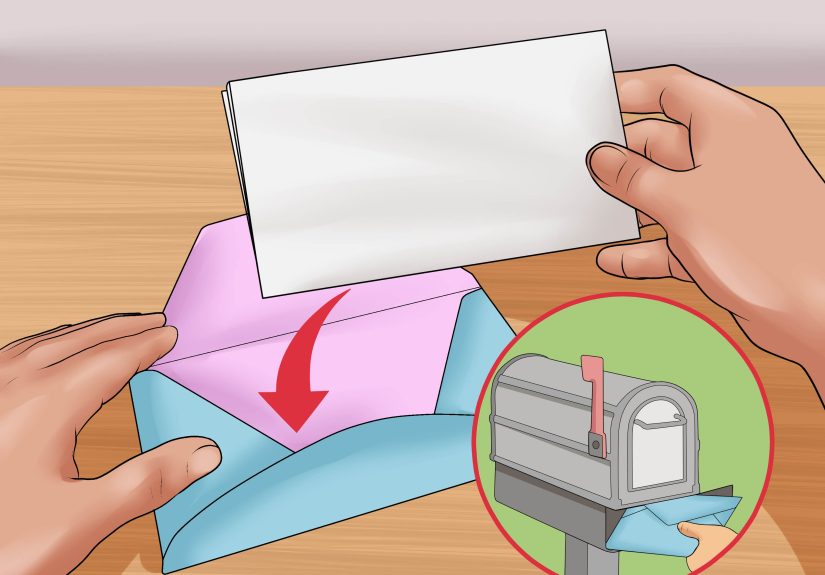
Before submitting the letter, check names, dates, case numbers, addresses, and spelling. Make sure the letter is signed and dated. Keep a copy. Submit it exactly as the instructions require, whether by mail, email, online portal, or through the applicant’s official packet.
A beautiful letter submitted late, unsigned, or to the wrong address can lose its impact. Administrative details may not be glamorous, but neither are seatbeltsand both matter.
Pardon Letter Sample Structure
Here is a simple structure you can adapt:
Opening
State who you are, whom you support, and why you are writing.
Relationship
Explain how long you have known the applicant and in what role.
Accountability and Growth
Acknowledge the past without relitigating it. Describe visible change.
Specific Examples
Include work, education, service, leadership, family responsibility, or other evidence.
Need for the Pardon
Explain why relief matters and how it would support a productive future.
Closing
Restate your support, provide contact information if appropriate, and sign the letter.
Short Example of a Pardon Support Letter
Dear Members of the Board,
I am writing in support of the pardon application of Michael Adams. I have known Mr. Adams for seven years as his supervisor at a local manufacturing company. During that time, I have watched him become one of our most dependable employees and a trusted mentor to new staff members.
I understand that Mr. Adams has a past conviction, and I do not write to minimize it. I write because the person I know today is responsible, consistent, and deeply committed to living a constructive life. He arrives early, trains others patiently, and has earned the respect of coworkers across every department.
A pardon would help Mr. Adams pursue advancement opportunities that reflect the work he has already done to rebuild his life. I respectfully support his application and believe he has demonstrated the character and stability worthy of consideration.
Sincerely,
Rebecca Thomas
Common Mistakes to Avoid
One major mistake is writing a letter that is too vague. “She is a good person” may be true, but reviewers need more than a compliment. Add dates, roles, examples, and evidence.
Another mistake is attacking the original case. Unless the pardon type specifically involves innocence or legal error, a standard pardon letter should usually focus on rehabilitation and need for relief. Turning the letter into a courtroom sequel can distract from the applicant’s progress.
Also avoid exaggeration. Do not say the applicant is “perfect now.” Nobody is perfect. Not even the person who invented spell-check, and that tool still lets “public” become something embarrassing if you type too fast. Honest, measured praise is more believable than fireworks.
Experience-Based Tips for Writing a Strong Pardon Letter
People who prepare pardon letters often learn that the hardest part is not grammar. It is balance. A good letter must be warm without being sentimental, honest without being harsh, and persuasive without sounding like a sales pitch for a used car with suspiciously shiny tires.
One useful experience is to start with a timeline. Before writing the final letter, list the conviction year, sentence completion date, major life milestones, jobs, education, volunteer work, family responsibilities, and any major achievements since then. This helps the writer avoid drifting into general statements. A timeline turns “he changed” into “he completed training in 2018, started full-time work in 2019, became a shift lead in 2021, and has volunteered with youth sports since 2022.” That is a stronger story because it has structure.
Another lesson is that the best support letters come from people who can describe real contact with the applicant. A letter from a famous person who barely knows the applicant may be less useful than a letter from a manager, counselor, teacher, neighbor, or community organizer who has seen the applicant’s behavior over time. Pardon reviewers are looking for reliable insight, not celebrity sparkle. This is not a red-carpet event. It is a credibility event.
It also helps to ask each supporter to cover a different angle. One employer can discuss reliability at work. A volunteer coordinator can describe service. A mentor can explain personal growth. A family friend can describe responsibility at home. When every letter says the same thing, the packet feels repetitive. When each letter adds a new piece of the picture, the application becomes fuller and more convincing.
Applicants often struggle with accountability language. Some write too little and seem evasive. Others write too much and bury the reviewer in old details. The best approach is usually direct and brief: acknowledge the conviction, accept responsibility, then move toward what changed. The letter should not live in the past; it should show the distance traveled from the past to the present.
Another practical experience: editing matters more than people expect. A pardon letter does not need fancy vocabulary, but it should be clean. Read it aloud. Remove repeated sentences. Check every name. Make sure the applicant’s name is spelled the same way throughout the packet. If the instructions say to include a case number or application number, include it. Small errors do not always ruin a letter, but a polished letter shows care.
Finally, patience is part of the process. Clemency review can take months or longer, depending on the jurisdiction and workload. A pardon letter should be written as a serious document that may sit in a file, be reviewed by staff, and later be read again by decision-makers. That means it should age well. Keep it truthful, calm, specific, and respectful. A strong pardon letter does not shout. It stands upright, tells the truth, and lets the evidence of change do the heavy lifting.
Conclusion
Writing a pardon letter is a serious task, but it does not have to be confusing. The strongest letters are organized, specific, respectful, and grounded in real evidence of rehabilitation. Whether you are writing for yourself or supporting someone else, focus on the correct authority, the official instructions, accountability, positive change, and the practical reason a pardon would matter.
A pardon letter is not about pretending the past never happened. It is about showing that the past is not the whole story. With careful structure, honest language, and meaningful examples, your letter can help decision-makers see the applicant as a full person: responsible for yesterday, committed to today, and prepared for tomorrow.