Table of Contents >> Show >> Hide
- Why Decluttering Works Better When You Use a Method
- 1. The 10-10 Decluttering Method
- 2. The Category Sweep Method
- 3. The 90/90 Rule
- 4. The Core 4 Method
- 5. The One-In, One-Out Rule
- 6. The Move-Out Method
- 7. House Hushing
- How to Choose the Right Decluttering Method for Your Home
- Common Decluttering Mistakes to Avoid
- Real-Life Examples: Where I Use These Methods Most
- Extra Experience: What Decluttering Has Taught Me Over Time
- Conclusion: Start Small, Stay Honest, and Let Your Home Breathe
Decluttering sounds simple until you are standing in front of a closet holding three identical black T-shirts, a mystery charger from 2014, and a candle that smells like “fresh linen” but somehow also regret. Suddenly, every item has a backstory. Every drawer becomes a courtroom. And you, dear homeowner, are both judge and emotionally attached witness.
As a decluttering expert, I can tell you this: a clutter-free home is not created by buying more baskets, color-coding every sock, or pretending you will become the kind of person who uses a label maker on Tuesday night for fun. Real decluttering is about making better decisions, creating simple systems, and designing a home that supports the life you actually livenot the imaginary one where you host weekly fondue parties and always know where the scissors are.
The best decluttering methods are practical, flexible, and forgiving. They work whether you live in a studio apartment, a family home, a dorm room, or a house where the junk drawer has quietly expanded into three drawers and a basket by the stairs. Below are my seven favorite decluttering methods, plus real examples, expert-style tips, and honest advice for keeping your home organized long after the big clean-out.
Why Decluttering Works Better When You Use a Method
Most people fail at decluttering because they start with enthusiasm but not a plan. They pull everything out of a closet, create a dramatic mountain of belongings, get hungry, and then shove everything back in before dinner. That is not decluttering. That is a home-based obstacle course.
A good decluttering method gives your brain a clear path. Instead of asking, “What do I do with all this stuff?” you ask smaller, easier questions: Did I use this in the last 90 days? Would I buy this again? Does this item support the purpose of this room? Does it belong with its cousins or coworkers? Is this object useful, beautiful, meaningful, or just very good at collecting dust?
The goal is not perfection. The goal is a home that feels easier to live in. You want drawers that open without resistance, countertops that do not look like a mail avalanche, and closets where clothes are not packed tighter than passengers on a budget airline.
1. The 10-10 Decluttering Method
The 10-10 method is one of my favorite ways to beat procrastination. The rule is simple: spend 10 minutes removing 10 items from one specific area. That is it. No dramatic music, no full-room makeover, no need to cancel your weekend.
This method works because it is small enough to feel harmless but powerful enough to create visible progress. Choose one area: the entryway, bathroom drawer, pantry shelf, nightstand, car console, laundry area, or that mysterious basket where receipts go to become fossils. Set a timer for 10 minutes and find 10 things to toss, recycle, donate, relocate, or return to their proper home.
Best places to use the 10-10 method
Start with clutter hotspots that gather small, random items. The entryway is a perfect example. Remove expired coupons, broken sunglasses, out-of-season accessories, extra tote bags, junk mail, and shoes nobody has worn since the last presidential administration. In the bathroom, toss empty bottles, expired products, old samples, stretched-out hair ties, and anything that smells like it has developed a personality.
The beauty of this method is momentum. Once you finish 10 minutes, you may feel motivated to do another round. If not, you still made progress. A home is not decluttered in one heroic burst; it is improved through repeated small decisions.
2. The Category Sweep Method
The category sweep is inspired by a simple but brilliant idea: declutter by category, not just by location. Instead of cleaning one room at a time, gather one type of item from across the home and review it together. This helps you see the true volume of what you own.
For example, you may think you own “a few” water bottles until you collect them from the kitchen, car, gym bag, office, bedroom, and that cabinet above the fridge. Suddenly, you have enough water bottles to hydrate a small soccer team. Seeing everything together makes decision-making clearer.
How to do a category sweep
Pick one category: mugs, pens, towels, shoes, skincare, cleaning supplies, reusable bags, books, paperwork, craft supplies, or kitchen gadgets. Bring every item in that category to one surface. Then sort them into four groups: keep, donate, recycle, and trash.
Ask practical questions: How many do I truly use? Which ones are duplicates? Which are damaged? Which fit my current lifestyle? If you bake twice a year, you probably do not need seven spatulas, three rolling pins, and a cupcake carrier the size of a small suitcase.
The category sweep is especially helpful for families because duplicate items often hide in different rooms. One pair of scissors in the kitchen makes sense. Eleven pairs scattered around the house suggests the scissors have formed a tiny civilization.
3. The 90/90 Rule
The 90/90 rule is a favorite for anyone who struggles with “just in case” clutter. The question is simple: Have I used this item in the last 90 days, and will I use it in the next 90 days? If the answer is no, it may be time to let it go.
This method works well because it focuses on real behavior instead of fantasy behavior. Many people keep items for the version of themselves they hope to become. That version owns camping gear, wears formal shoes, makes fresh pasta, reads every unread book, and uses every tiny hotel lotion. Your real life may be different, and that is perfectly fine.
Where the 90/90 rule shines
Use this rule for clothing, fitness gear, hobby supplies, kitchen gadgets, office items, and seasonal decor. If you have not worn the blazer in the last 90 days and have no event coming up in the next 90 days, ask whether it deserves prime closet space. If the bread maker has not seen daylight in three years, it may be ready for a new kitchen and a fresh emotional start.
Of course, some exceptions are allowed. Tax documents, emergency supplies, special occasion items, and sentimental keepsakes do not always fit into a 90-day window. The point is not to be ruthless. The point is to stop giving unlimited space to items that no longer serve your everyday life.
4. The Core 4 Method
The Core 4 method is beautifully straightforward: clear out, categorize, cut out, and contain. It is one of the most reliable decluttering systems because it follows the natural order of organizing. You do not buy containers first. You do not start labeling before you know what you own. You do not try to make clutter look cute in a basket and call it a day.
Step 1: Clear out
Remove everything from the space you are working on. This might be a drawer, cabinet, shelf, closet section, or desk surface. Starting with a blank space helps you see what you are dealing with and prevents you from organizing around old clutter.
Step 2: Categorize
Group similar items together. In a home office, that might mean pens, notebooks, cords, mail, files, tech accessories, and stationery. In a pantry, it might mean baking supplies, snacks, canned goods, breakfast items, spices, and duplicates.
Step 3: Cut out
This is where you edit. Remove what is expired, broken, duplicated, unused, or no longer needed. Be honest but kind. You are not a bad person because you bought a spiralizer during a vegetable enthusiasm phase. You are simply a person who now has new information.
Step 4: Contain
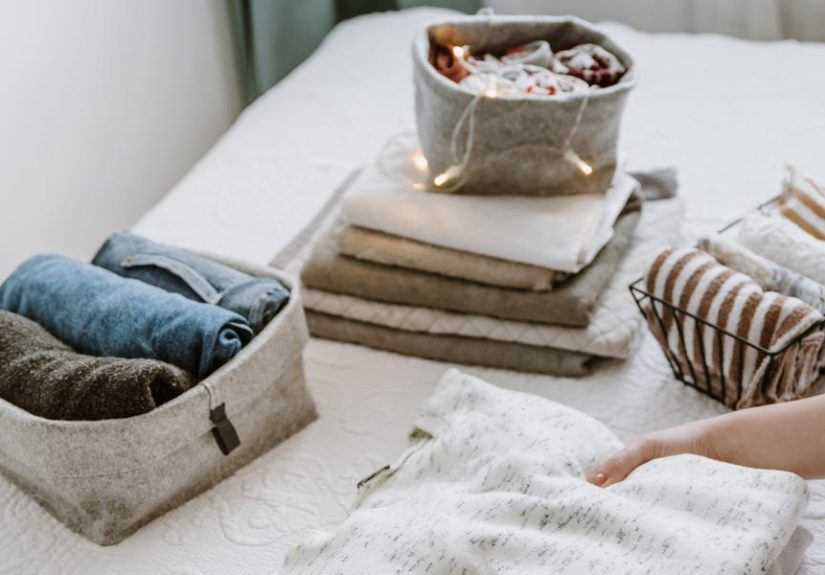
Only after decluttering should you choose storage. Use bins, trays, baskets, drawer dividers, or labels based on what remains. Containers should support your habits, not create a museum exhibit. If a system is too fussy, you will stop using it by Thursday.
5. The One-In, One-Out Rule
The one-in, one-out rule is the maintenance method every home needs. Every time a new item comes in, one similar item goes out. Buy a new sweater? Donate one you no longer wear. Bring home a new mug? Release the chipped one with the faded slogan. Add a new toy, book, tote bag, or kitchen tool? Remove one from the same category.
This rule prevents clutter from quietly rebuilding after a big decluttering session. Many homes are not messy because people fail to organize once. They are messy because new items keep entering without anything leaving. Your home has limits. Closets have limits. Drawers have limits. Even that big storage bin in the garage has limits, although it may not admit it.
Create a donation station
To make one-in, one-out easier, keep a donation box or bag in a convenient but contained spot: a closet floor, laundry room shelf, mudroom, or garage corner. When you notice an item you no longer need, place it there immediately. When the box is full, schedule a donation drop-off or pickup.
The key is to keep the donation zone moving. A donation box that lives in your hallway for six months is not a system; it is a cardboard roommate.
6. The Move-Out Method
The move-out method asks you to look at your home as if you were moving. Not actually movingno cardboard chaos requiredbut mentally preparing to pack only what deserves to come with you.
This method is powerful because moving creates clarity. When you imagine wrapping, boxing, lifting, labeling, transporting, unpacking, and finding space for every item, suddenly that broken lamp feels less sentimental. The move-out method helps you ask, “Would I pay in time, effort, and space to bring this into my next chapter?”
How to apply the move-out method
Choose a room or zone. Pretend you are moving into a smaller, calmer, more intentional version of your current home. Remove obvious trash and donations first. Then look at each item and ask: Would I pack this? Would I be happy to unpack it? Does it support the way I want this room to function?
This method works beautifully for garages, closets, storage rooms, home offices, and kitchens. It is especially helpful for items kept out of guilt: expensive purchases, gifts, aspirational hobbies, and things you meant to repair but did not. If you would groan while unpacking it, that is a clue.
7. House Hushing
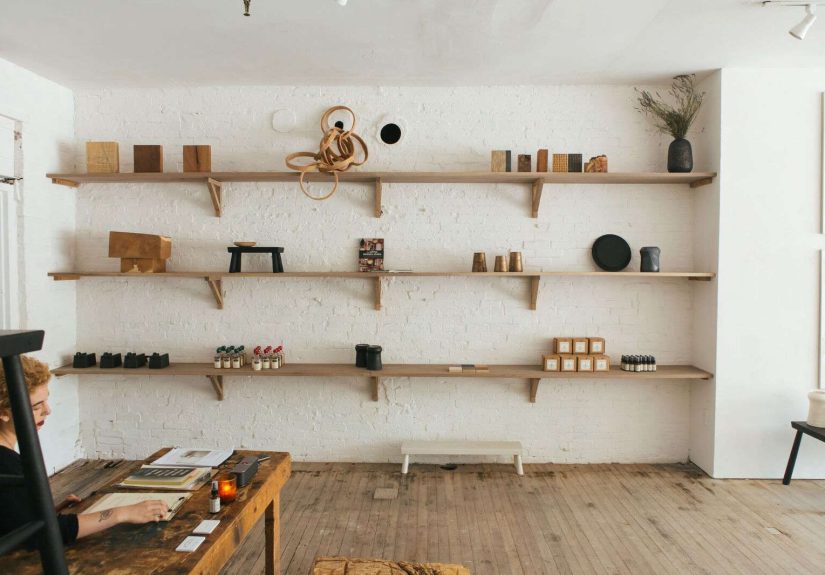
House hushing is a calming decluttering method that gives a room a visual reset. Instead of sorting every item immediately, you temporarily remove nonessential decor, accessories, papers, and surface clutter from a space. Then you live with the quieter version for a short time before deciding what deserves to return.
Think of it as giving your room a deep breath. Clear the coffee table, side tables, kitchen counters, mantel, open shelves, or bedroom dresser. Put removed items in a temporary holding area. After a day or two, return only what feels useful, beautiful, or genuinely meaningful.
Why house hushing works
Many people are so used to visual noise that they stop noticing it. House hushing helps you feel the difference between a room filled with stuff and a room filled with intention. It is not about creating a blank, sterile space. It is about allowing your favorite items to stand out instead of competing with piles, duplicates, and decor that has overstayed its welcome.
This method is ideal for living rooms, bedrooms, kitchens, entryways, and any place where clutter affects your mood. If a room feels busy but you cannot identify why, hush it. Remove the extras, let the space breathe, and invite back only the things that earn their place.
How to Choose the Right Decluttering Method for Your Home
The best decluttering method depends on your personality, schedule, and pain points. If you are overwhelmed, start with the 10-10 method. If duplicates are your problem, use the category sweep. If you struggle with “maybe someday” items, try the 90/90 rule. If your space needs a full reset, use the Core 4 method. If clutter keeps coming back, adopt one-in, one-out. If you need a mindset shift, try the move-out method. If your home feels visually loud, start house hushing.
You do not have to choose only one. In fact, the strongest results often come from combining methods. You might use the 10-10 method for daily maintenance, the category sweep for clothing and kitchen items, the Core 4 method for big zones, and house hushing for rooms that feel overstimulating.
Common Decluttering Mistakes to Avoid
Buying storage before decluttering
Storage products are tempting because they make us feel productive. But buying bins before editing your belongings often creates a new problem: container clutter. Declutter first, measure second, shop third.
Starting too big
Do not begin with the entire garage unless you enjoy emotional cardio. Start with a drawer, shelf, small closet section, or single category. Small wins build confidence.
Keeping items out of guilt
Guilt is not a storage strategy. If a gift, purchase, or inherited item does not support your life, you are allowed to release it respectfully.
Confusing organizing with decluttering
Organizing means arranging what you keep. Decluttering means deciding what should stay. If you skip the deciding part, you are simply giving clutter a nicer address.
Real-Life Examples: Where I Use These Methods Most
In kitchens, I often start with the category sweep. Gather all mugs, water bottles, food containers, utensils, and gadgets. Most people discover they own far more than they use. Keep the best, donate the extras, and stop forcing cabinets to perform magic tricks.
In closets, the 90/90 rule is excellent. Clothing is emotional because it connects to identity, body changes, past jobs, events, and hopes. Instead of judging yourself, focus on whether each piece supports your current life. Clothes should fit your body, your routine, and your confidencenot your guilt.
In living rooms, house hushing works wonders. Remove excess pillows, old magazines, random chargers, decor pieces, and surface clutter. Then return only what makes the room feel comfortable and usable. A calmer living room often changes the mood of the whole home.
For paperwork, I recommend the 10-10 method. Paper clutter is boring, which is exactly why it grows. Set a timer, recycle what you can, shred sensitive documents, and create one clear inbox for papers that require action. Do not let every flat surface become a filing cabinet with commitment issues.
Extra Experience: What Decluttering Has Taught Me Over Time
The biggest lesson I have learned from decluttering is that clutter is rarely just about stuff. It is about decisions delayed. It is the shirt you keep because you spent money on it. The appliance you keep because you want to become a different kind of cook. The stack of papers you keep because you do not want to deal with one annoying phone call. The sentimental box you avoid because memories are heavier than mugs.
When I work through a cluttered space, I do not start by asking people to throw things away. I start by asking what they want the space to do for them. A bedroom should help you rest. A kitchen should make meals easier. An entryway should help you leave the house without a scavenger hunt. A home office should support focus, not silently accuse you with piles of unsorted paper.
Once the purpose is clear, the decisions become easier. If the dining table is meant for meals, homework, and family conversation, then old mail, craft leftovers, broken chargers, and random receipts do not belong there. If a closet is meant for clothes you wear now, then uncomfortable shoes, outdated workwear, and “someday” jeans do not deserve the best real estate.
I have also learned that people underestimate the emotional lift of small progress. A single organized drawer can change your morning. A clear counter can make cooking feel possible again. A decluttered nightstand can make bedtime feel calmer. These are not tiny improvements. They are daily quality-of-life upgrades.
Another important experience: maintenance matters more than the big reveal. Anyone can create a dramatic before-and-after photo. The real success is whether the system still works three weeks later. That is why I prefer simple methods over complicated ones. If a child, partner, roommate, or very tired version of yourself cannot follow the system, it is too fancy.
Decluttering also teaches you how you shop. When you gather all your duplicates together, you see patterns. Maybe you buy storage containers because you hope they will solve the mess. Maybe you buy clothes for events you rarely attend. Maybe you collect notebooks because a fresh notebook feels like a fresh personality. No judgmentmany of us have been personally victimized by attractive stationery.
The goal is not to own nothing. The goal is to own what earns its place. A home should hold tools, comfort, memories, beauty, and everyday function. It should not be a warehouse for guilt, postponed decisions, and objects you would not choose again.
My favorite decluttering moments happen when someone realizes they do not need permission to let go. They can donate the gift. Recycle the manual. Toss the expired sunscreen. Sell the hobby supplies. Keep the sentimental object that truly matters and release the twenty things orbiting around it. That moment is freeing because decluttering is not really about having less. It is about having more room for what matters.
Conclusion: Start Small, Stay Honest, and Let Your Home Breathe
Decluttering does not require a perfect personality, a minimalist wardrobe, or a pantry worthy of a magazine cover. It requires a method that helps you make decisions without getting overwhelmed. The 10-10 method builds momentum. The category sweep reveals duplicates. The 90/90 rule cuts through “just in case” thinking. The Core 4 method gives every project structure. The one-in, one-out rule prevents clutter from returning. The move-out method creates honest perspective. House hushing helps your rooms feel calm again.
Pick one method today and apply it to one small space. Not the whole house. Not your entire life. Just one drawer, shelf, surface, or category. Your future self will thank youand might even be able to find the scissors.