Table of Contents >> Show >> Hide
- What Is an Ingrown Hair Cyst?
- Where Do Ingrown Hair Cysts Usually Appear?
- Ingrown Hair Cyst Symptoms
- What Causes an Ingrown Hair Cyst?
- Ingrown Hair Cyst vs. Pimple, Boil, or Folliculitis
- How to Treat an Ingrown Hair Cyst at Home
- Medical Treatment Options
- When to See a Doctor
- How to Prevent Ingrown Hair Cysts
- Best Products and Ingredients to Consider
- Ingrown Hair Cysts in the Pubic Area
- Can an Ingrown Hair Cyst Go Away on Its Own?
- Common Mistakes That Make Ingrown Hair Cysts Worse
- Practical Experiences: What Living With Ingrown Hair Cysts Teaches You
- Conclusion
An ingrown hair cyst can feel like a tiny skin drama that did not need a full season arc. One day you notice a tender bump after shaving, waxing, tweezing, or simply existing with hair follicles. The next day, that bump looks bigger, feels sore, and seems personally committed to ruining your smooth-skin plans.
The good news: most ingrown hairs are common, manageable, and not dangerous. The less-good news: when an ingrown hair becomes trapped, inflamed, or infected, it can form a deeper lump that looks like a cyst, boil, razor bump, pimple, or irritated follicle. Knowing the difference matters because the right care can calm the skin, reduce discomfort, and prevent the bump from turning into a recurring guest star.
This guide explains what an ingrown hair cyst is, common symptoms, treatment options, prevention tips, when to see a healthcare provider, and practical experiences that make the whole topic easier to understand.
What Is an Ingrown Hair Cyst?
An ingrown hair happens when a hair grows back into the skin instead of rising normally through the follicle opening. This often occurs after hair removal because shaving can leave a sharp hair tip, waxing or tweezing can alter the direction of regrowth, and friction can encourage hair to curl beneath the surface.
An ingrown hair cyst is a lump that forms around that trapped hair. It may contain fluid, dead skin cells, inflammation, or sometimes pus if bacteria become involved. Although many people call any large ingrown-hair bump a “cyst,” not every bump is a true cyst in the medical sense. Some are inflamed razor bumps, folliculitis, pustules, boils, or acne-like lesions. Still, the phrase “ingrown hair cyst” is widely used because it describes what people see and feel: a firm, raised, sometimes painful bump under the skin.
Where Do Ingrown Hair Cysts Usually Appear?
Ingrown hair cysts can develop anywhere hair grows, but they are more common in areas where hair is removed or where clothing causes friction. Common locations include:
- Face and neck, especially the beard area
- Armpits
- Legs and thighs
- Pubic area and bikini line
- Chest, back, and abdomen
- Scalp, especially after close shaving
People with curly, coarse, or tightly coiled hair may be more prone to ingrown hairs because the hair naturally curves back toward the skin. Close shaving can increase the risk, especially when the hair is cut below the skin surface and begins growing sideways like it missed the exit sign.
Ingrown Hair Cyst Symptoms
Symptoms can range from mild irritation to a more painful, inflamed bump. Common signs include:
- A round or raised bump under the skin
- Redness or discoloration around the bump
- Tenderness, soreness, or itching
- A visible trapped hair in the center
- A white or yellow head if pus is present
- Swelling that feels firm or warm
- Dark spots after the bump heals, especially in deeper skin tones
A mild ingrown hair may look like a tiny pimple. A larger ingrown hair cyst may feel like a pea-sized lump or a deeper nodule. If the area becomes infected, it may become increasingly painful, warm, swollen, or filled with pus.
What Causes an Ingrown Hair Cyst?
The main cause is a hair that cannot grow out normally. Several factors can increase the risk:
Shaving Too Closely
Close shaving can cut hair at a sharp angle. As it grows back, the hair may pierce the skin or curl inward. Multi-blade razors, heavy pressure, and shaving against the grain can make this more likely.
Waxing, Tweezing, or Threading
These methods remove hair from the root, but new hair may grow back unevenly or become trapped under dead skin cells. The follicle may also become irritated during the process.
Dead Skin Buildup
When dead skin cells clog the follicle opening, hair can get stuck underneath. This is why gentle exfoliation can help some people prevent recurring bumps.
Friction From Clothing
Tight jeans, leggings, collars, helmets, underwear, and workout clothes can rub against skin and push growing hairs back into the follicle. Your skin may tolerate a lot, but it does not love being sandpapered by a waistband all day.
Curly or Coarse Hair Texture
Curved hairs are more likely to re-enter the skin, especially in beard, neck, groin, and scalp areas. This is a major reason some people get repeated razor bumps despite careful grooming.
Ingrown Hair Cyst vs. Pimple, Boil, or Folliculitis
Several skin problems can look similar. A pimple usually starts from a clogged pore and may appear in acne-prone areas. Folliculitis is inflammation or infection of hair follicles and often appears as small red or pus-filled bumps around hairs. A boil is usually a deeper, more painful infection involving a hair follicle and surrounding tissue.
An ingrown hair cyst often has a grooming or friction history behind it. It may appear shortly after shaving, waxing, or wearing tight clothing. Sometimes a curled hair is visible beneath the skin. However, it is not always easy to tell the difference at home. If the bump grows quickly, becomes very painful, drains pus, keeps returning, or appears in a sensitive area, it is smart to get medical advice.
How to Treat an Ingrown Hair Cyst at Home
Many mild ingrown hair cysts improve with simple care. The goal is to reduce irritation, encourage the hair to release naturally, and avoid infection.
1. Stop Hair Removal Temporarily
Pause shaving, waxing, tweezing, or threading the area until the bump improves. Continuing to remove hair over irritated skin is like arguing with a smoke alarm instead of checking the toaster. Give the skin time to calm down.
2. Apply Warm Compresses
Place a warm, damp washcloth on the bump for 10 to 15 minutes. Repeat a few times daily. Warmth can soften the skin, reduce discomfort, and help the trapped hair move closer to the surface.
3. Keep the Area Clean
Wash gently with mild soap or a non-comedogenic cleanser. Avoid harsh scrubbing, alcohol-heavy products, or fragranced formulas that can sting and worsen irritation.
4. Do Not Squeeze or Dig
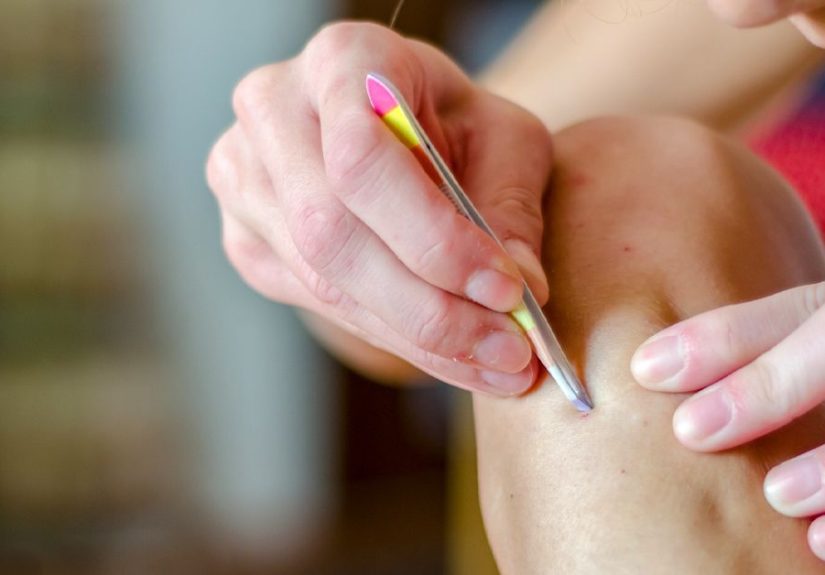
This is the hardest rule because the bump looks like it is asking for “just one little squeeze.” Do not accept the invitation. Squeezing, picking, or digging with tweezers can push inflammation deeper, introduce bacteria, cause scarring, and leave dark marks.
5. Try Gentle Exfoliation After Irritation Calms
If the skin is not open, raw, or infected, gentle exfoliation may help remove dead skin cells. Ingredients such as salicylic acid, glycolic acid, or lactic acid can be useful for some people, but start slowly. Over-exfoliation can turn one bump into a full neighborhood meeting.
6. Use a Soothing Moisturizer
A fragrance-free moisturizer can help repair the skin barrier. This is especially important after shaving or exfoliating because dry, irritated skin is more likely to trap hairs.
Medical Treatment Options
If an ingrown hair cyst is painful, infected, large, or recurring, a healthcare provider or dermatologist may recommend treatment. Options may include:
- Prescription topical antibiotics if infection is suspected
- Topical steroid creams to reduce inflammation
- Retinoid creams to reduce clogged follicles and improve cell turnover
- Oral antibiotics for more serious or spreading infections
- Professional drainage if the cyst is large or very painful
- Laser hair removal for people with frequent ingrown hairs
Never try to cut or drain a cyst at home. A sterile medical procedure is very different from bathroom-counter surgery, and your bathroom counter did not attend medical school.
When to See a Doctor
Contact a healthcare provider if you notice any of the following:
- The bump is very painful, rapidly growing, or hot to the touch
- There is spreading redness, swelling, or red streaking
- Pus or drainage continues
- You develop fever or feel unwell
- The cyst keeps coming back in the same area
- You have diabetes, immune system concerns, or poor wound healing
- The bump is in the genital area and you are unsure what it is
Recurring cyst-like bumps in the armpits, groin, buttocks, or under the breasts may sometimes be related to other conditions, such as hidradenitis suppurativa. A dermatologist can help identify what is actually going on and recommend a long-term plan.
How to Prevent Ingrown Hair Cysts
Prevention is about making hair removal less irritating and helping hair grow outward instead of inward.
Use Better Shaving Technique
Before shaving, wet the skin and hair with warm water. Use a moisturizing shaving cream or gel. Shave in the direction of hair growth with light pressure. Rinse the blade often and avoid pulling the skin tight. A single-blade razor or electric trimmer may reduce irritation for people prone to razor bumps.
Replace Razors Regularly
A dull razor drags against the skin and can cause tiny cuts. Replace disposable razors or blades often, and store them somewhere dry. A razor sitting in a damp shower corner is not a spa tool; it is a bacteria vacation rental.
Exfoliate Gently and Consistently
Gentle exfoliation one to three times a week may help prevent dead skin from blocking follicles. Choose mild chemical exfoliants or a soft washcloth rather than rough scrubs, especially for sensitive areas.
Moisturize After Hair Removal
After shaving or waxing, apply a soothing, fragrance-free moisturizer. Calm skin is less likely to become inflamed, itchy, or bumpy.
Avoid Tight Clothing After Shaving
Give freshly shaved skin some breathing room. Loose clothing helps reduce friction, especially around the bikini line, thighs, underarms, and neck.
Consider Alternative Hair Removal
If ingrown hairs are frequent, trimming instead of shaving may help. Laser hair removal may also be an option for some people because it reduces hair growth over time. It is not instant and may not be right for everyone, but it can be helpful for recurring ingrown hairs.
Best Products and Ingredients to Consider
You do not need a 14-step routine or a cabinet that looks like a skincare laboratory. A simple routine often works best. Helpful product types may include:
- A gentle, non-comedogenic cleanser
- A moisturizing shave gel or cream
- A fragrance-free moisturizer
- A mild exfoliant with salicylic acid, glycolic acid, or lactic acid
- Benzoyl peroxide wash for some folliculitis-prone areas, if tolerated
- Sunscreen for exposed areas to reduce darkening of healed spots
Introduce one active product at a time. If you apply every exfoliating acid you own in one heroic evening, your skin may respond by filing a formal complaint.
Ingrown Hair Cysts in the Pubic Area
Ingrown hairs are common around the bikini line and pubic area because the hair is often coarse and the skin experiences friction from underwear, swimwear, and exercise. Use extra caution here. Avoid harsh scrubs, strong acids, heavily fragranced products, and aggressive tweezing.
If a bump in the genital area is painful, blister-like, ulcerated, spreading, or unusual for you, do not assume it is an ingrown hair. Many conditions can cause bumps in that area, and a healthcare provider can give a proper diagnosis.
Can an Ingrown Hair Cyst Go Away on Its Own?
Yes, many small ingrown hair cysts improve without medical treatment, especially when you stop irritating the area and use warm compresses. However, some cysts persist, become infected, or leave behind discoloration. The more often a bump returns, the more helpful it is to look at the underlying trigger: shaving style, friction, hair texture, skincare routine, or possible folliculitis.
Common Mistakes That Make Ingrown Hair Cysts Worse
- Picking at the bump with fingernails or tweezers
- Shaving over inflamed skin
- Using dull razors
- Skipping shaving cream
- Wearing tight clothing immediately after hair removal
- Using harsh scrubs on irritated skin
- Ignoring signs of infection
One of the biggest mistakes is treating every bump like it needs to be “opened.” Skin heals best when it is protected, not excavated.
Practical Experiences: What Living With Ingrown Hair Cysts Teaches You
Anyone who has dealt with an ingrown hair cyst knows the emotional timeline: discovery, denial, mirror investigation, regret, and finally the promise to “never shave like that again.” The experience is common because hair removal routines are often rushed. You shave quickly before work, wax before vacation, or wear tight workout clothes after grooming, and the skin responds with a bump that seems to have a tiny attitude problem.
A common experience is noticing the bump one or two days after shaving. At first, it may feel like a small tender dot. Then it becomes red, itchy, or firm. Many people mistake it for acne and apply strong acne products immediately. Sometimes that helps, but sometimes it dries the skin too much and increases irritation. A better first step is usually simpler: stop shaving the area, cleanse gently, apply warm compresses, and let the skin settle before adding exfoliating ingredients.
Another lesson is that prevention is more powerful than rescue. People who get recurring ingrown hairs often discover that the smallest habit changes make the biggest difference. Shaving at the end of a warm shower, using enough shaving cream, shaving with the grain, replacing razors frequently, and moisturizing afterward can dramatically reduce bumps. It sounds basic, but basic skincare is often the quiet overachiever.
Friction is another real-world trigger that people underestimate. A person may shave the bikini line perfectly, then put on tight jeans or go for a sweaty run in snug leggings. Hours later, the area is irritated. The problem was not only the razor; it was the combination of freshly shaved skin, sweat, pressure, and fabric rubbing against new hair growth. Switching to looser clothing for a day after hair removal can be surprisingly helpful.
People with curly or coarse hair often have to be even more strategic. For some, a super-close shave is simply not worth the aftermath. Using an electric trimmer, leaving a little length, or choosing laser hair reduction may be better long-term solutions. This is especially true for beard-area bumps on the neck, where repeated inflammation can lead to dark spots, thickened skin, or scarring.
The most important experience-based advice is this: do not pick. Picking feels productive for about five seconds and then often creates a bigger problem. It can introduce bacteria, worsen swelling, and leave marks that last longer than the original bump. If the cyst is deep, painful, or not improving, professional care is much safer than trying to solve it with tweezers and optimism.
Finally, ingrown hair cysts teach patience. Skin does not always heal overnight, and bumps may take days or weeks to flatten. A calm routine, consistent prevention, and medical help when needed can turn recurring ingrown hairs from a frustrating mystery into a manageable skin issue.
Conclusion
An ingrown hair cyst is usually a manageable skin problem caused by trapped hair, inflammation, friction, or irritation after hair removal. Symptoms may include a raised bump, redness, itching, tenderness, swelling, or pus if infection develops. Mild cases often improve with warm compresses, gentle cleansing, avoiding shaving, and resisting the urge to pick. Prevention depends on better shaving habits, regular gentle exfoliation, moisturizing, clean razors, and reducing friction.
While most ingrown hairs are not serious, painful, infected, recurring, or unusual bumps deserve medical attention. Your skin is not being dramatic; it is giving useful feedback. Listen early, treat gently, and your follicles may stop sending angry little postcards.
Note: This article is for general educational purposes and does not replace medical diagnosis or treatment. If a bump is painful, spreading, infected, recurring, or located in a sensitive area, consult a qualified healthcare professional.