Table of Contents >> Show >> Hide
- Why Korean Beef Lettuce Wraps Work So Well
- Ingredients You’ll Need
- Pick Your Beef Style
- How to Make Korean Beef Lettuce Wraps (Step-by-Step)
- Optional (But Highly Recommended): Quick Ssamjang-Style Sauce
- How to Assemble Lettuce Wraps Like Korean BBQ Night
- Tips for the Best Korean Beef Lettuce Wraps
- Serving Ideas (Banchan Shortcuts Included)
- Storage and Meal Prep
- FAQ: Korean Beef Lettuce Wraps Recipe
- Recipe Card: 30-Minute Korean Beef Lettuce Wraps
- Experiences That Make This Recipe a Repeat Favorite (and How to Make Yours Even Better)
- Conclusion
If dinner has been feeling a little “same sandwich, different day,” let’s fix that with something you can eat with your hands
and feel slightly fancy doing it: Korean beef lettuce wraps. They’re like tacos’ cooler cousin who listens to K-pop, owns a rice cooker,
and somehow always shows up perfectly dressed.
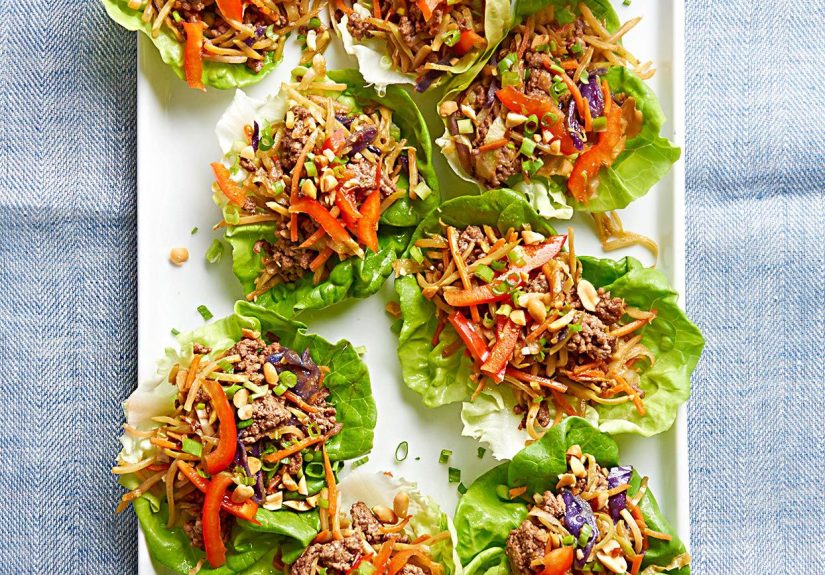
This recipe gives you saucy, savory-sweet, gently spicy beef tucked into crisp lettuce cups, plus a quick ssamjang-style sauce that tastes
like Korean BBQ night decided to move into your kitchen. It’s fast enough for a weeknight, fun enough for guests, and customizable enough
for picky eaters and spice lovers to coexist peacefully.
Why Korean Beef Lettuce Wraps Work So Well
The flavor balance: sweet, salty, spicy, and umami
The magic is in the “jang” situationKorean pantry staples like gochujang (fermented chile paste) and doenjang (fermented soybean paste)
deliver depth that tastes like you cooked all day, even if your actual effort was closer to “stir while scrolling.”
Soy sauce brings salt, brown sugar or honey brings caramel-y sweetness, sesame oil adds nuttiness, and garlic + ginger do what they always do:
show up loud and make everything better.
The texture combo: juicy beef + crunchy lettuce
Lettuce wraps are basically an edible contrast generator. Warm, glossy beef meets cool, crisp lettuce. Add cucumbers, shredded carrots,
or quick pickles and you’ve got crunch in stereo.
It’s interactive (a.k.a. secretly perfect for families and parties)
Put everything on the table and let people build their own wraps. It’s dinner and an activitylike craft night, but delicious and
with fewer glue sticks.
Ingredients You’ll Need
These are easy-to-find ingredients in most U.S. grocery stores. Specialty items like gochujang and doenjang are increasingly common in
the international aisle, and they’re worth it.
For the Korean-style beef
- 1 lb ground beef (80/20 is flavorful; 90/10 is leaner)
- 2 tsp neutral oil (avocado, canola, grapeseed)
- 4 cloves garlic, minced
- 1 tbsp fresh ginger, minced (or 1 tsp ground ginger in a pinch)
- 4 scallions, sliced (whites for cooking, greens for topping)
- 1 tbsp toasted sesame seeds (optional, but highly encouraged)
For the sauce that coats the beef
- 1/4 cup low-sodium soy sauce (or tamari for gluten-free)
- 2–3 tbsp gochujang (adjust to taste and brand heat)
- 1–2 tbsp brown sugar or honey (or maple syrup)
- 1 tbsp rice vinegar (adds brightness; optional but helpful)
- 2 tsp toasted sesame oil
- 1/4 cup water (or beef broth) to loosen the sauce
For serving
- Lettuce leaves: Bibb/butter/Boston are the easiest to fold; romaine works for extra crunch
- Cooked rice (white rice, brown rice, or cauliflower rice)
- Quick toppings: diced cucumber, shredded carrots, kimchi, sliced radishes, cilantro, mint, crushed peanuts, or fried onions
- Lime wedges (optional, but great if you like bright flavor)
Pick Your Beef Style
There are two excellent paths here. Choose based on your time and mood (and whether your beef is currently in “ground” or “I forgot to thaw steak”
form).
Option A: Fast Ground Beef (Weeknight Hero Mode)
Ground beef is the quickest route to Korean BBQ vibes. The key is letting it brown properly so you get crisp bits before adding the sauce.
Crisp edges + sticky sauce = unstoppable.
Option B: Bulgogi-Style Sliced Beef (A Little Extra, in a Good Way)
If you have thinly sliced steak (ribeye, sirloin, flank, skirt, or short rib), you can marinate it bulgogi-style. A classic trick is adding
grated Asian pear (or an easy substitute like apple or kiwi) to help tenderize and sweeten. If you go the pineapple or kiwi route, keep the
marinating time short so the meat doesn’t turn mushy.
How to Make Korean Beef Lettuce Wraps (Step-by-Step)
Step 1: Prep the lettuce and toppings first
Wash and dry your lettuce leaves wellwater is the enemy of “wrap integrity.” Pat dry or use a salad spinner.
Chop toppings now so your beef doesn’t sit around wondering why it got dressed up with nowhere to go.
Step 2: Mix the sauce
In a small bowl, whisk together soy sauce, gochujang, brown sugar (or honey), rice vinegar, sesame oil, and water.
Taste it. You want it slightly stronger than you thinkbecause it’s about to coat a whole pound of beef.
- Too salty? Add a bit more water.
- Too spicy? Add a touch more sweetener.
- Too sweet? Add a splash more vinegar or soy.
Step 3: Brown the beef the right way
Heat a large skillet over medium-high heat. Add oil, then add ground beef. Spread it out and let it sit undisturbed for 2–3 minutes.
That “don’t touch it” moment builds browning, which builds flavor.
Break up the beef and continue cooking until most moisture evaporates and the beef has browned edges, about 6–8 minutes total.
Stir in the white parts of the scallions, garlic, and ginger. Cook 30–60 seconds until fragrant.
Step 4: Make it glossy and irresistible
Pour the sauce into the skillet. Stir and simmer 2–4 minutes until it thickens and clings to the beef.
If you want it “sticky,” simmer a bit longer. If it gets too thick, splash in a tablespoon of water.
Step 5: Finish and set up your wrap station
Turn off heat. Stir in the green scallion tops and sesame seeds (if using).
Transfer beef to a serving bowl and put everything on the table: lettuce, rice, toppings, and sauce (optional but recommended below).
Optional (But Highly Recommended): Quick Ssamjang-Style Sauce
Ssamjang is a classic Korean dipping sauce/paste used for wraps (“ssam” means wrap). It’s savory, spicy, funky, and addictivein the
“you’ll start putting it on eggs” way.
5-minute ssamjang-style sauce
- 2 tbsp doenjang (fermented soybean paste)
- 1 tbsp gochujang
- 1 tsp honey or sugar
- 1 tsp toasted sesame oil
- 1 clove garlic, finely minced
- 1 tbsp minced scallion
- 1–2 tsp water to loosen, if needed
Mix everything in a bowl. Taste. Adjust sweetness/spice as you like. If doenjang is hard to find, you can use a mild miso as a backup,
though the flavor won’t be exactly the same.
How to Assemble Lettuce Wraps Like Korean BBQ Night
- Start with a lettuce leaf (Bibb/butter for easy folding, romaine for crunch).
- Add a small bite of rice (optional, but classic and helpful for balancing spice).
- Add the beef (a couple tablespoons).
- Add toppings: cucumber, carrots, kimchi, herbs, crushed peanutsyour call.
- Add sauce: a little ssamjang-style sauce or an extra drizzle of the skillet sauce.
- Wrap it up and eat it in 1–2 bites if you can. If it takes four bites, it’s not a wrapit’s a lettuce burrito, and you’ll need
napkins and emotional support.
Tips for the Best Korean Beef Lettuce Wraps
Get the “crispy bits” before you sauce
Browning equals flavor. If you rush, you’ll still get a tasty result, but the caramelized edges are what take it from good to “why am I
making this again tomorrow?”
Dry lettuce = better wraps
Moisture makes lettuce tear and slide around. Dry leaves mean sturdy cups and fewer tragic filling spills.
Adjust gochujang like a grown-up, not a dare contestant
Gochujang brands vary in heat. Start with 2 tablespoons, taste, then add more. You’re aiming for a warm glow, not a full-on face meltdown.
Balance the richness with something bright
Rice vinegar in the sauce helps. So does a squeeze of lime, quick pickled cucumbers, or kimchi on top.
Serving Ideas (Banchan Shortcuts Included)
You can keep it simplebeef, lettuce, rice, and a topping or twoor build a full spread.
- Store-bought kimchi (the fastest route to “this feels legit”).
- Quick cucumber salad: cucumber + rice vinegar + pinch of sugar + salt + sesame seeds.
- Shredded carrots tossed with a splash of vinegar and a drizzle of sesame oil.
- Radish slices for crunch, or quick pickled radish if you’re feeling ambitious.
- Steamed edamame with flaky salt as an easy side.
Storage and Meal Prep
The beef filling keeps well in an airtight container in the fridge for 3–4 days. Reheat in a skillet with a splash of water to loosen the sauce.
Store lettuce and toppings separately so everything stays crisp.
Meal-prep idea: pack beef + rice together, then add lettuce and toppings separately. At lunch, you’ll feel like you brought a tiny Korean BBQ
party to your deskminus the tabletop grill and the judgmental coworker who microwaves fish.
FAQ: Korean Beef Lettuce Wraps Recipe
What lettuce is best for lettuce wraps?
Bibb/butter/Boston lettuce makes flexible, cup-shaped leaves that fold easily. Romaine is crunchier and sturdier, but it’s more like a boat than a blanket.
Both workchoose your texture preference.
Can I make this gluten-free?
Yes. Use tamari instead of soy sauce, and check that your gochujang and doenjang are labeled gluten-free (some brands include wheat).
Can I use ground turkey or chicken?
Absolutely. Use a bit more oil since lean poultry can dry out. The sauce does a lot of heavy lifting here, so you’ll still get big flavor.
Is gochujang the same as sriracha?
Not really. Gochujang is thicker, fermented, and more complexsweet, savory, and spicy with deep umami. Sriracha is a hot sauce with a brighter, sharper punch.
If you must substitute, mix sriracha with a little miso and honey to mimic the vibe.
Recipe Card: 30-Minute Korean Beef Lettuce Wraps
Yield: 4 servings (about 12–16 wraps, depending on lettuce size)
Time: 10 minutes prep + 15 minutes cook
Ingredients
- 1 lb ground beef
- 2 tsp neutral oil
- 4 cloves garlic, minced
- 1 tbsp fresh ginger, minced
- 4 scallions, sliced (whites and greens separated)
- 1 tbsp toasted sesame seeds (optional)
- Sauce: 1/4 cup low-sodium soy sauce, 2–3 tbsp gochujang, 1–2 tbsp brown sugar or honey, 1 tbsp rice vinegar (optional), 2 tsp toasted sesame oil, 1/4 cup water
- For serving: lettuce leaves, cooked rice, cucumber, carrots, kimchi, herbs, lime wedges
Instructions
- Wash and dry lettuce leaves. Prep toppings and rice.
- Whisk sauce ingredients in a bowl. Set aside.
- Heat a large skillet over medium-high. Add oil, then ground beef. Let it brown undisturbed 2–3 minutes.
- Break up beef and cook until browned and crisp in spots, 6–8 minutes.
- Add scallion whites, garlic, and ginger. Cook 30–60 seconds.
- Pour in sauce. Simmer 2–4 minutes until thickened and glossy. Add a splash of water if needed.
- Stir in scallion greens and sesame seeds. Serve with lettuce, rice, and toppings.
Notes
- Spice control: start with 2 tbsp gochujang, then add more after tasting.
- Extra crunch: top with diced cucumber, radish, or crushed peanuts.
- Low-carb: skip rice or use cauliflower rice; add extra veggies for volume.
Experiences That Make This Recipe a Repeat Favorite (and How to Make Yours Even Better)
The first time people make Korean beef lettuce wraps, the most common reaction is some variation of:
“Wait… I did that in 20 minutes?” That’s because the sauce does what great sauces always do: it makes simple ingredients taste like a plan.
And once you’ve made it once, a few real-life patterns tend to show uphelpful ones.
One thing you’ll notice quickly is how much the browning step changes the final vibe. If you toss the beef around nonstop, you get “tasty ground beef.”
If you let it sit and actually brown, you get those crisp edges that hold onto sauce like they’re being paid hourly. That’s the moment the filling starts
tasting like Korean BBQ-inspired comfort food instead of just “stir-fry.” Many home cooks end up making this their go-to trick for weeknights:
brown first, sauce second, victory lap third.
Another experience: everyone builds wraps differently. Some people go minimalbeef, lettuce, donelike they’re speed-running dinner.
Others treat the table like a toppings bar and build layered masterpieces: rice first, then beef, then kimchi, then cucumber, then a dab of ssamjang,
then sesame seeds, then a squeeze of lime “for brightness.” The fun is that both people are correct. This is a choose-your-own-adventure meal, and it’s
especially handy for households where one person loves spicy food and another considers black pepper “a lot.”
If you serve these to friends, you’ll likely see the “wrap learning curve.” First wrap: too full, lettuce tears, filling escapes.
Second wrap: better. Third wrap: confident, tidy, impressive. By wrap four, everyone is casually folding lettuce like they trained in it.
Setting out a stack of napkins is still wise, thoughbecause the beef is glossy and delicious and absolutely not here to keep your shirt clean.
Leftovers are their own experience, too. The beef reheats beautifully, and it’s one of those rare meals that feels just as good the next day.
People often end up repurposing it: tossed over rice like a quick bowl, spooned into a tortilla for a Korean-ish taco moment, piled on ramen,
or tucked into a sandwich with crunchy slaw. If you make the ssamjang-style sauce, it tends to “mysteriously” disappear into other mealsdabbed onto eggs,
stirred into mayo for a quick spread, or used as a dip for raw veggies. It’s basically a condiment with ambitions.
Over time, many cooks find their favorite personalization tweaks. Some like the filling sweeter (a touch more honey), some like it sharper
(extra rice vinegar), and spice lovers often add gochugaru or a pinch of red pepper flakes for a more direct heat. If you want deeper savoriness,
adding a small spoonful of doenjang to the skillet sauce can make the flavor taste more “Korean BBQ” and less “sweet-and-spicy stir-fry.”
And if you want restaurant-style freshness, adding herbs like cilantro or mint on top can make every bite feel brighter.
The biggest “experience” takeaway is that this recipe is dependable. It’s fast enough for a Tuesday, fun enough for a Friday, and flexible enough to
match whatever you have in the fridge. Once you’ve made it a few times, you’ll stop reading the recipe and start making it by feeltaste, adjust,
and let everyone build wraps their way. That’s how a recipe becomes a regular: not because it’s fancy, but because it fits real life and still tastes
like a treat.
Conclusion
Korean beef lettuce wraps are the kind of meal that checks all the boxes: quick, flavorful, customizable, and genuinely fun to eat.
Keep the beef savory-sweet with gochujang, focus on browning for deep flavor, and let cool crunchy toppings do their job.
Whether you serve them as a weeknight dinner, a party spread, or a meal-prep lunch that actually feels exciting, this is one recipe that earns repeat status.