Table of Contents >> Show >> Hide
- The Joke Didn’t Stay on Stage
- Why Parents Reacted So Strongly
- Matt Rife’s Brand Makes This Hit Differently
- This Is Also a Netflix Problem
- The Holiday Special Was Always Going to Be a Tightrope
- Is He Really “Ruining Christmas”?
- What the Backlash Says About Matt Rife’s Future
- Experiences Related to the Topic: How This Plays Out in Real Homes
- Conclusion
Every holiday season needs a villain. Sometimes it is a department store parking lot. Sometimes it is a burned ham. Sometimes it is that one relative who brings up politics before the mashed potatoes even hit the table. And in late 2025, for at least some parents, the unlikely villain was comedian Matt Rife or, more precisely, Matt Rife plus Netflix autoplay, which is basically what happens when stand-up comedy gets handed the keys to the family living room.
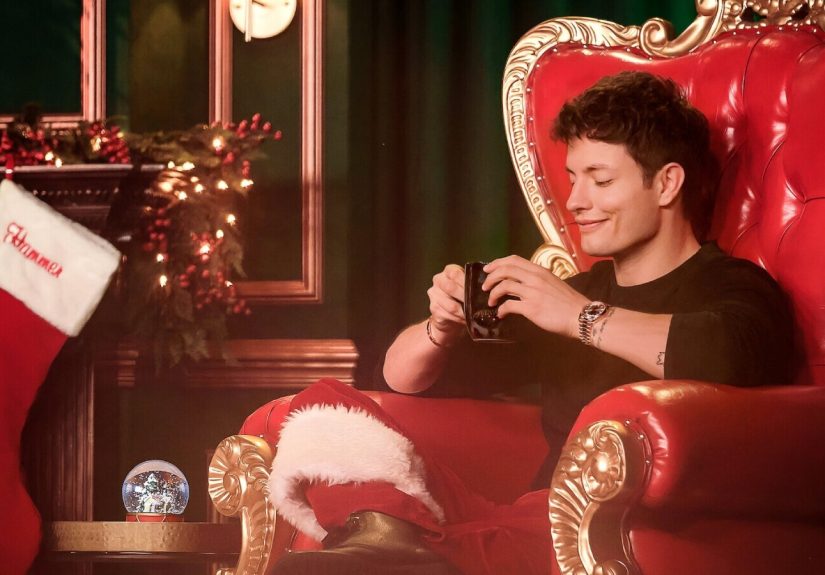
The controversy sounds almost too absurd to be real, which is exactly why it traveled so quickly online. Rife’s Christmas-themed Netflix special arrived with holiday branding, seasonal jokes, and the kind of title that sounds festive enough to play while someone is decorating cookies. But then parents started complaining that Netflix’s autoplay preview was serving up a Santa spoiler almost immediately. In other words, some families were not getting a gentle “viewer discretion advised” moment. They were getting a speed-run from login screen to childhood disruption.
That is what makes this story weirdly fascinating. It is not just about whether Matt Rife made a joke about Santa. Comedians have been doing that for years. It is about timing, platform design, audience mismatch, and the strange modern reality that one adult comedy clip can leap from a supposedly grown-up streaming interface into a room full of kids faster than you can say, “Please don’t repeat that at school.” The Grinch used sleigh bells and sabotage. Streaming services use recommendation engines.
The Joke Didn’t Stay on Stage
On paper, Matt Rife: Unwrapped – A Christmas Crowd Work Special sounds exactly like what the title promises: an off-the-cuff holiday comedy set built around gifts, traditions, family chaos, and seasonal awkwardness. That premise is not exactly radical. Holiday specials have long mined Christmas for comedy because the season is a gold mine of stress, sentimentality, and weird human behavior. Someone always cries. Someone always overspends. Someone always insists the tree leans “on purpose.”
But the issue here was not the existence of the special. It was the way the special greeted viewers. According to multiple reports and parent complaints online, the Netflix homepage autoplayed a preview in which Rife quickly moved into a joke revealing that Santa is not real and that parents are the ones behind the presents under the tree. For adults, that is old comedy material. For children in earshot, that can land like a brick through a gingerbread house.
That distinction matters. A ticketed comedy show is one thing. A streaming homepage is another. One requires active choice. The other often starts talking before anyone has emotionally prepared for it. Parents were not just mad because a comedian told a Santa joke. They were mad because the joke arrived in the digital equivalent of an ambush. Open the app, search for a baking show, and boom now your six-year-old is asking life-altering questions while still wearing reindeer pajamas.
Why Parents Reacted So Strongly
To people without young children, the backlash may sound dramatic. “Ruining Christmas” is a big phrase. It suggests a disaster movie where an ugly sweater comes to life and attacks the North Pole. But parents know the Santa years are weirdly delicate. The mythology is not just a lie kids believe; it is a whole emotional ecosystem. It includes wonder, ritual, anticipation, and the annual performance of pretending reindeer definitely enjoy eating grocery-store carrots from suburban front porches.
When that system gets punctured, it is rarely convenient. It does not happen during a thoughtful fireside chat with cocoa and emotional preparedness. It happens in the car. Or at Target. Or because an older sibling gets smug. Or, in this case, because a comedy preview starts barking into the room while an adult is trying to decide whether to rewatch a crime drama or finally finish that documentary everyone keeps pretending they loved.
That is why this story connected. The outrage was not really about moral panic over edgy comedy. It was about context collapse. Parents expect adult jokes to live in adult spaces. They do not expect a holiday-themed streaming preview to act like a tiny wrecking ball aimed directly at the most fragile piece of seasonal family fiction. The problem was not just the joke. It was the delivery system. Santa did not get canceled by stand-up. He got clipped by product design.
Matt Rife’s Brand Makes This Hit Differently
There is also a reason the reaction attached itself so strongly to Matt Rife specifically. Rife is not just another club comic floating through the algorithm. He became a major breakout thanks to viral crowd-work clips, internet charisma, and a fanbase that grew far beyond traditional stand-up audiences. His appeal has long lived in spontaneity: teasing audience members, reacting in the moment, and delivering the kind of polished improvised energy that social media loves because it feels both risky and flirtatious.
That viral rise gave him huge visibility, but it also raised expectations. Audiences do not just watch Matt Rife for jokes; they watch him as a brand. And brands have reputations. Rife’s reputation has been complicated for a while. He already drew serious backlash after his 2023 Netflix special Natural Selection, especially over material about domestic violence. That controversy did not disappear into the comedy void. It stuck to his public image and helped shape how later audiences interpreted his choices.
So when a Christmas special ended up at the center of another uproar, many viewers did not see a one-off accident. They saw a pattern: a comedian whose persona often hovers between charming and combative, whose career has repeatedly brushed against questions of taste, and whose material sometimes seems eager to test whether provocation itself can function as a personality trait. In that environment, even a fast Santa joke can feel less like mischief and more like brand consistency.
This Is Also a Netflix Problem
To blame Rife alone, though, would be too neat. Streaming platforms are not neutral shelves. They are active environments built to surface content, push engagement, and remove friction between curiosity and playback. If the joke had remained inside the special, then parents could simply avoid the special. Once the service decided to autoplay that bit near the top of the user experience, the situation changed. The platform turned a contained adult joke into accidental family programming.
That is the part of the story that should make media people pay attention. We have spent years talking about how algorithms shape what we watch. But this is a reminder that they also shape when, where, and with whom we watch it. A joke that is ordinary in a nightclub can become explosive when inserted into a home interface at maximum convenience and minimum warning. The medium did not merely carry the message. It put the message in front of a seven-year-old before the adult holding the remote had even found the mute button.
There is something almost darkly funny about the whole setup. Rife is a comic known for crowd work, and Netflix essentially performed crowd work on behalf of the special by forcing the bit into whatever room happened to be nearby. That is not just marketing; that is involuntary audience participation. The only difference is that instead of roasting one person in the front row, the preview startled a nation of parents who just wanted to watch television without accidentally triggering the Christmas equivalent of an existential crisis.
The Holiday Special Was Always Going to Be a Tightrope
Holiday comedy is harder than it looks. Christmas has two tones, and they fight constantly. One tone is warm, nostalgic, and family-friendly. The other is cynical, commercial, and ideal for jokes about dysfunction. Great holiday comedy knows how to move between them. Bad holiday comedy picks one and kicks the other down the stairs. Rife’s special was always going to walk that tightrope because his comedic instincts skew toward irreverence, while Christmas branding invites softer assumptions from casual viewers.
That mismatch probably explains why the backlash spread so quickly. If a grim-looking stand-up special with a skull on the cover starts yelling something inappropriate, adults understand the assignment. But when the packaging looks seasonal and the platform pushes it aggressively in December, people assume it is at least safe enough to exist in a shared household atmosphere. The title Unwrapped sounds like wrapping paper and chaos, not “heads up, hide the kids before the first punchline.”
And that is the central irony: Rife did not have to walk into anyone’s living room personally to become part of their family holiday drama. The interface did the walking for him. In the age of streaming, comedy is not just written and performed. It is also distributed, framed, clipped, previewed, and auto-launched. Sometimes the biggest joke is not the punchline. It is the confidence with which a platform assumes everybody in the room wants the same thing.
Is He Really “Ruining Christmas”?
Probably not in the grand, permanent sense. Christmas will survive. It has endured commercialism, fruitcake, tangled lights, and approximately ten thousand Hallmark movies with suspiciously similar plots. One Matt Rife joke is not going to topple the entire holiday-industrial complex. But for some individual families, the phrase captures a real feeling. If a child hears that spoiler before parents are ready, then yes, that moment can feel stolen. Not because the truth about Santa is catastrophic, but because parents often want to choose the timing of that conversation themselves.
That is what makes the story more interesting than simple celebrity backlash. It sits at the intersection of entertainment, family culture, and tech design. It asks a surprisingly modern question: when adult comedy escapes its intended context through autoplay, who is responsible for the fallout? The comedian? The streamer? The parents? The answer, inconveniently, is probably all three though not in equal proportions.
Rife made the joke. Netflix amplified it. Parents got caught in the middle. And kids, blissfully unprepared, became accidental participants in a controversy that was never aimed at them in the first place. That is why the title works, even if it sounds exaggerated. It is not literally about one comedian marching into homes with a sack full of anti-Santa monologues. It is about how entertainment systems now deliver jokes directly into domestic space, where context matters more than ever and timing is everything.
What the Backlash Says About Matt Rife’s Future
Matt Rife is unlikely to disappear because of this. If anything, controversy has become part of the ecosystem around his fame. He remains commercially powerful, highly recognizable, and deeply clickable. But stories like this shape the long-term texture of a career. There is a difference between being known as sharp and being known as exhausting. There is a difference between edgy and predictably abrasive. And there is a difference between challenging an audience and tripping over the furniture in their living room.
For Rife, the larger question is whether he wants to keep leaning into the image of the chaos agent who says the thing he “shouldn’t,” or whether he wants to mature into a comic whose risk-taking feels smarter than merely provocative. Because right now, a lot of the conversation around him is not, “Was that joke brilliantly constructed?” It is, “Why does this keep becoming a mess?” That is not the same thing as artistic danger. Sometimes it is just sloppy targeting.
And for Netflix, the lesson should be obvious: not every joke belongs in autoplay. Platforms love frictionless discovery, but families live in shared spaces, not neatly separated user-intent bubbles. When an adult special can start talking before an adult has even chosen it, the service is no longer simply recommending content. It is curating household chaos. That may boost attention, but it also creates the kind of backlash that no amount of peppermint branding can smooth over.
Experiences Related to the Topic: How This Plays Out in Real Homes
What makes the Matt Rife Christmas controversy feel bigger than a single joke is how easy it is to imagine the exact scene. A parent opens Netflix after dinner because the kitchen is finally clean, the kids are half-paying attention to toys on the rug, and the goal is simple: find something harmless to put on in the background. No one is preparing for a cultural moment. No one is bracing for a holiday reveal. Then the preview starts. A line lands. The room goes weirdly quiet. One child turns around with that unmistakable face the face that says, “Wait, what did he just say?”
That is the experience parents were describing online, and it feels familiar because family life is built on these tiny, unplanned collisions. Childhood myths do not usually end with a formal announcement. They unravel in awkward fragments. A kid overhears something at school. A cousin gets too cool too early. A movie says more than expected. What bothered people here was that the spoiler did not come from another child or an accidental conversation. It came from a giant streaming platform that many families use every day, during the exact season when children are most tuned in to anything involving Santa, presents, or Christmas excitement.
There is also the cleanup afterward, which is the part nobody includes in the joke. Maybe the child brushes it off for the moment but brings it up at bedtime. Maybe they ask older siblings. Maybe they sit silently through the rest of the evening while the adults exchange that look married people and tired parents know too well: the look that says, “Great. Now we have to deal with this tonight.” Suddenly the evening is no longer about watching a show. It is about managing emotions, preserving magic if possible, and deciding whether to deflect, explain, or improvise under pressure.
For some families, it becomes a practical problem the next morning. Do you warn grandparents? Do you stop using the living room profile? Do you switch services until Christmas passes? Do you create a kids-only workaround because one autoplay clip turned the television into an unreliable babysitter? These are small annoyances, but they add up. And that is why people reacted so strongly. It was not because the joke was the most shocking thing ever said. It was because it inserted itself into domestic life without consent, then handed parents the emotional bill.
That real-world experience is what gives the story its staying power. It is funny in theory, irritating in practice, and oddly revealing about modern media habits. Families do not consume entertainment in clean categories anymore. Adult content, kids’ content, prestige dramas, stand-up specials, cartoons, and autoplay previews all live in the same digital hallway, bumping into one another with very little supervision. In that environment, one comedian’s Christmas bit can become another family’s unexpected holiday headache. And that is why this story resonated: not because Matt Rife literally stole Christmas, but because for a few startled households, he definitely made the season a lot more complicated.
Conclusion
So, is Matt Rife actually ruining Christmas for some kids? In the literal sense, no. In the “did this create a very real holiday headache for parents who weren’t expecting a Santa spoiler to leap out of Netflix” sense, absolutely. The uproar says as much about modern streaming as it does about Rife himself. Comedy no longer stays neatly in comedy clubs. It shows up on homepages, in previews, in recommendation loops, and in shared rooms where adults and children are often watching the same screen for very different reasons.
That is why this moment matters. It is silly, yes. It is also revealing. Matt Rife remains a lightning-rod comic whose fame is fueled by charm, controversy, and clips designed to travel. But the bigger lesson belongs to the platform era: when the wrong joke reaches the wrong audience at the wrong time, the fallout can be far more memorable than the punchline. And if your holiday marketing strategy accidentally turns family movie night into “The Talk About Santa,” then congratulations you did not just release content. You created chaos with jingle bells on it.