Table of Contents >> Show >> Hide
- What Is Suiza Enchilada Sauce?
- Why You Will Love This Suiza Enchilada Sauce Recipe
- Ingredients for the Best Suiza Enchilada Sauce
- How to Make Suiza Enchilada Sauce
- How to Use This Sauce for Enchiladas Suizas
- Flavor Variations
- Common Mistakes to Avoid
- What to Serve with Suiza Enchilada Sauce
- Storage, Freezing, and Reheating
- Conclusion
- Kitchen Experiences With Suiza Enchilada Sauce
If regular enchilada sauce is the reliable friend who shows up on time, Suiza enchilada sauce is that glamorous cousin who arrives in a fabulous green outfit and somehow makes dinner feel like a special occasion. Creamy, tangy, rich, and just a little dramatic, this sauce turns ordinary enchiladas into the sort of meal that makes people hover in the kitchen asking, “So… when exactly are we eating?”
This Suiza enchilada sauce recipe is built for home cooks who want big flavor without culinary chaos. It uses roasted tomatillos, chiles, onion, garlic, broth, and dairy to create a velvety green sauce that tastes bright and comforting at the same time. It is inspired by the classic flavor profile behind enchiladas suizas, but written in a practical, modern way so you can actually make it on a busy weeknight instead of merely admiring it from across the internet.
Below, you will find a full ingredient list, step-by-step instructions, smart swaps, troubleshooting tips, serving ideas, storage notes, and a longer section on the real-life experience of making and serving this sauce. In other words, this is not a “stir three things together and hope for the best” situation. This is the full green-sauce experience.
What Is Suiza Enchilada Sauce?
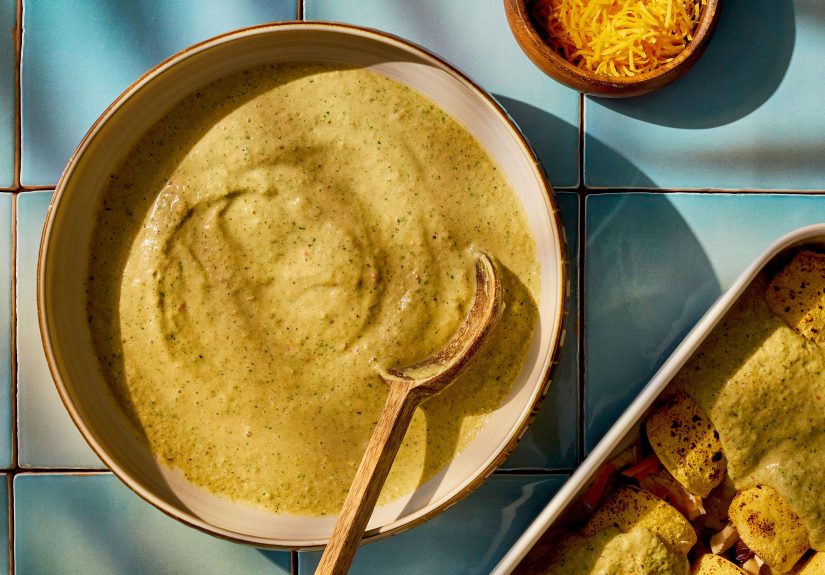
Suiza sauce for enchiladas is a creamy green enchilada sauce usually associated with enchiladas suizas. The word “suiza” means “Swiss,” and in cooking it commonly points to a generous use of dairy. That is exactly what happens here: a green salsa base, often made with tomatillos and chiles, gets mellowed with crema, sour cream, or cream until it becomes rich, smooth, and deeply spoonable.
The result is different from a standard salsa verde. Salsa verde is brighter, sharper, and usually lighter in texture. Suiza sauce still has that tangy tomatillo personality, but the dairy softens the edges and creates a silky finish that clings beautifully to tortillas, chicken, cheese, and just about anything else lucky enough to be nearby.
Why You Will Love This Suiza Enchilada Sauce Recipe
It tastes restaurant-worthy
Roasted tomatillos bring acidity and a gentle fruity bite, while the chiles add warmth without bulldozing the rest of the dish. Once the crema and cream go in, the whole sauce becomes lush and balanced.
It is flexible
Use it for chicken enchiladas, cheese enchiladas, roasted vegetable enchiladas, burrito bakes, chilaquiles, spooned-over rice, or even as a creamy taco drizzle. This sauce does not believe in limiting its own potential.
It is easier than it sounds
You roast, blend, simmer, and stir in dairy. That is the whole plot. No mystery. No culinary scavenger hunt. No need for a culinary degree or a dramatic soundtrack.
Ingredients for the Best Suiza Enchilada Sauce
This recipe makes enough sauce for one 9×13-inch pan of enchiladas, depending on how saucy you like things. If you are the type who believes there is no such thing as too much sauce, double it and live joyfully.
Main ingredients
- 1 1/2 pounds tomatillos, husked and rinsed well
- 1/2 medium white onion, cut into thick wedges
- 2 jalapeños, or 1 jalapeño and 1 serrano for more heat
- 3 garlic cloves, unpeeled
- 1 tablespoon neutral oil
- 1 cup low-sodium chicken broth or vegetable broth
- 1/2 cup Mexican crema or full-fat sour cream
- 1/4 cup heavy cream
- 1/3 cup fresh cilantro leaves and tender stems
- 1 teaspoon kosher salt, plus more to taste
- 1/2 teaspoon black pepper
- 1/2 teaspoon ground cumin
- 1/4 teaspoon onion powder, optional
- 1/2 cup shredded Oaxaca, Monterey Jack, or mozzarella cheese, optional for extra body
Ingredient notes
Tomatillos: These are not baby green tomatoes wearing paper jackets for attention. They have their own tart, citrusy flavor that gives green enchilada sauce its signature punch.
Chiles: Jalapeños keep things friendly. Serranos nudge the sauce toward lively. Remove seeds for a milder sauce, or leave some in if your household enjoys a little kitchen suspense.
Crema or sour cream: Mexican crema gives the sauce a smoother, slightly thinner finish. Sour cream works beautifully too and is easier to find in many American grocery stores.
Heavy cream: This adds extra richness and helps the sauce feel truly “Suiza.” You can reduce it slightly if you want a lighter finish, but this is not really the recipe’s personality.
How to Make Suiza Enchilada Sauce
Step 1: Roast the vegetables
Preheat your broiler or oven to 425 degrees Fahrenheit. Line a baking sheet with parchment or foil. Spread the tomatillos, onion, chiles, and unpeeled garlic on the sheet. Roast for 10 to 15 minutes, turning once if needed, until the tomatillos soften and develop browned, blistered spots.
This roasting step matters. It takes the raw edge off the tomatillos and deepens the flavor. If you skip it, the sauce can still work, but it will taste flatter and a little too sharp. Roasting is the difference between “pretty good” and “why is everyone scraping the baking dish?”
Step 2: Peel and blend
Let the vegetables cool for a few minutes. Peel the garlic. Transfer the roasted tomatillos, onion, chiles, garlic, cilantro, broth, salt, pepper, and cumin to a blender. Blend until very smooth. If you want a thinner sauce, add a splash more broth. If you want it thicker, keep it as is.
Step 3: Simmer the blended sauce
Heat 1 tablespoon oil in a saucepan or deep skillet over medium heat. Carefully pour in the blended green sauce. It may sputter a bit, so do not lean over it like you are trying to hear gossip. Simmer for 6 to 8 minutes, stirring occasionally, until the sauce darkens slightly and the raw blended flavor cooks off.
Step 4: Add the dairy
Lower the heat. Whisk in the crema or sour cream and the heavy cream until smooth. If using cheese in the sauce, stir it in now and let it melt gently. Taste and adjust the seasoning. Add another pinch of salt if needed. If the sauce tastes extra tart, a tiny pinch of sugar can round it out without making it sweet.
Step 5: Use it immediately
Your creamy green enchilada sauce is now ready. Spoon it over filled tortillas, use it in a casserole, drizzle it over roasted chicken, or pretend you are “just tasting” and then somehow eat half the saucepan with tortilla chips. No judgment here.
How to Use This Sauce for Enchiladas Suizas
The classic move is to fill warm corn tortillas with shredded chicken and cheese, roll them, place them seam-side down in a baking dish, cover generously with the sauce, top with more cheese, and bake until bubbling. A little sliced onion and cilantro on top never hurt anybody.
Best fillings for Suiza enchiladas
- Shredded rotisserie chicken
- Poached chicken breast or thighs
- Roasted poblano and cheese
- Sautéed mushrooms and onions
- Black beans and Monterey Jack
- Pulled turkey for a post-holiday upgrade
Tips for great enchiladas
Warm your corn tortillas first so they do not crack. You can briefly heat them in oil, on a dry skillet, or wrapped in a damp towel in the microwave. This small step keeps the tortillas pliable and saves you from the heartbreak of torn enchiladas.
Also, do not drown the inside of the tortillas with sauce before rolling. Use enough to flavor, then save most of the sauce for the top. That keeps the enchiladas tender, not soggy. We are aiming for “luxurious,” not “structural collapse.”
Flavor Variations
Roasted poblano Suiza sauce
Add one roasted poblano pepper to the blender for a deeper, smokier flavor and a darker green color.
Extra-cheesy Suiza sauce
Blend in a small handful of shredded Oaxaca or Monterey Jack, then finish the enchiladas with even more cheese on top. This is not subtle. That is the point.
Vegetarian Suiza enchilada sauce
Use vegetable broth instead of chicken broth and pair it with roasted zucchini, spinach, mushrooms, sweet corn, or black beans.
Shortcut weeknight version
If you are low on time, use a good-quality prepared salsa verde and simmer it with garlic, cilantro, crema, and a splash of broth. It will not have quite the same roasted depth, but it will still be delicious and far better than ordering mediocre takeout because you lost the will to chop one onion.
Common Mistakes to Avoid
Using raw tomatillos without cooking them
Raw tomatillos can taste overly sharp in a creamy sauce. Roast or simmer them first for a more rounded flavor.
Boiling after adding sour cream
Keep the heat gentle once the dairy goes in. A calm simmer is your friend. A raging boil is how smooth sauce becomes a cautionary tale.
Under-seasoning
Dairy softens flavor, so the sauce usually needs more salt than you expect. Taste at the end and adjust. This is not the moment for timid seasoning.
Making the sauce too thick
Remember, enchilada sauce should pour, not plop. If it gets too thick, loosen it with broth. If it is too thin, simmer it a few minutes longer before adding the dairy.
What to Serve with Suiza Enchilada Sauce
- Mexican rice or cilantro-lime rice
- Refried beans or black beans
- Simple cabbage slaw with lime
- Sliced avocado or guacamole
- Pickled red onions
- Corn salad with cotija
- Fried or scrambled eggs for next-day leftovers
If you have extra sauce, spoon it over grilled chicken, roasted potatoes, breakfast burritos, or a bowl of rice and beans. It also turns plain leftover shredded chicken into something far less depressing.
Storage, Freezing, and Reheating
Let the sauce cool, then refrigerate it in an airtight container. It is best used within 3 to 4 days. You can also freeze it for up to about 2 to 3 months for best quality. When reheating, warm it slowly over low heat and whisk well. If it thickens too much, add a splash of broth or milk.
If you are storing fully assembled enchiladas with this sauce, cool them promptly and refrigerate them within two hours. Reheat until hot throughout. The flavor often gets even better the next day, which is one of the few times leftovers manage to feel smug and justified.
Conclusion
This Suiza enchilada sauce recipe hits that perfect middle ground between fresh and comforting. The tomatillos keep it lively, the roasted chiles add depth, and the dairy turns the whole thing into a creamy, spoon-coating dream. Whether you are making classic chicken enchiladas suizas or looking for a versatile creamy salsa verde sauce to upgrade weeknight dinners, this recipe earns a permanent place in your rotation.
Make it once and you will understand the hype. Make it twice and you will stop measuring the cilantro with much seriousness. Make it three times and somebody in your house will start requesting “that green enchilada thing” on a weekly basis. Congratulations. You now have a signature sauce.
Kitchen Experiences With Suiza Enchilada Sauce
The first time I made a proper Suiza enchilada sauce, I expected a nice green sauce and a respectable dinner. What I did not expect was the moment when the roasted tomatillos hit the blender with the softened chiles, garlic, onion, and cilantro. That aroma alone was enough to make the kitchen feel like the meal had already won. Once the crema went in, the sauce changed from bright and punchy to silky and luxurious, and suddenly I understood why people get so attached to enchiladas suizas. This is not just sauce. This is a personality trait in liquid form.
One of the most useful things I learned from making the sauce repeatedly is that the tomatillos are in charge. If they are especially tart, the sauce leans bold and zippy. If they are riper and slightly sweeter, the final result tastes softer and rounder. That means every batch has a little mood of its own, which honestly keeps the recipe interesting. It also taught me to taste before serving instead of blindly trusting the pot. Sometimes the sauce needs one more pinch of salt. Sometimes it wants another spoonful of crema. Sometimes it needs absolutely nothing and behaves like the overachiever it is.
I have also learned that this sauce is excellent for feeding people who claim to “not like green sauces.” Usually, what they mean is that they have had one watery, harsh, aggressively sour green sauce at some point and never emotionally recovered. Suiza sauce tends to win those people back because the dairy makes it gentler and more comforting without stripping away its flavor. Put it over chicken enchiladas with bubbling cheese and suddenly the doubters become very quiet, which in cooking is usually the sound of success.
Another real-life advantage is how well this recipe fits different occasions. For a casual family dinner, I keep it simple with rotisserie chicken and corn tortillas. For a weekend gathering, I make a double batch, add roasted poblanos, and set out toppings like avocado, cilantro, onion, and hot sauce so everyone can build their perfect plate. For leftovers, the sauce becomes pure gold. I have spooned it over scrambled eggs, drizzled it onto rice bowls, and warmed it up with shredded turkey the day after a holiday meal. It keeps proving that it is far more than a one-night enchilada companion.
The biggest lesson, though, is that texture matters just as much as flavor. A great Suiza sauce should coat the back of a spoon, pour smoothly, and settle over enchiladas like it belongs there. Too thin, and it slips away. Too thick, and it starts acting like dip. After a few rounds in the kitchen, I found the sweet spot: enough broth to keep it pourable, enough crema to make it lush, and enough simmering time to concentrate the roasted flavor. Once you get that balance right, the sauce stops feeling like a recipe and starts feeling like instinct. And that is usually when a good home cook levels up.