Table of Contents >> Show >> Hide
- Why Fairy Cottage Pumpkins Are Having a Moment
- What Makes a Pumpkin Look Like a Tiny Cottage?
- How to Style a Fairy Pumpkin Village on Your Porch
- How to Make Fairy Cottage Pumpkins Last Longer
- Mistakes That Can Turn Magic Into Mush
- The Real Charm of This Halloween DIY
- Experience: Building a Fairy Pumpkin Village Feels Like Decorating Inside a Storybook
- Conclusion
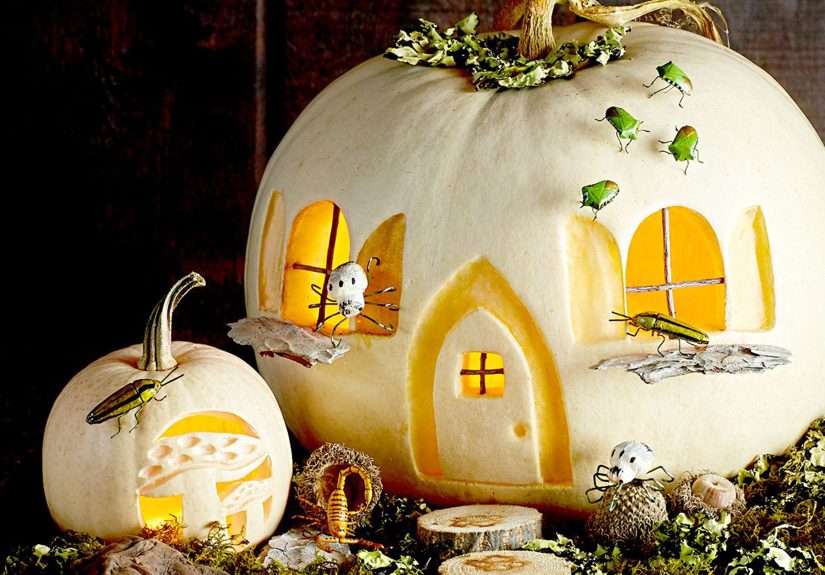
Every Halloween, there comes a moment when the standard jack-o’-lantern starts to feel a little… predictable. Cute? Sure. Classic? Absolutely. But if your porch is craving something with more storybook sparkle and less “same grin, different pumpkin,” fairy cottage pumpkins are the whimsical upgrade worth trying. They turn ordinary gourds into tiny homes with doors, windows, mossy trim, and glowing interiors that look as if a woodland creature just stepped out to pick up mail.
The beauty of this trend is that it lands in the sweet spot between spooky and sweet. It still feels unmistakably Halloween, but it swaps jump-scares for charm. Instead of going full haunted graveyard, you get a display that feels warm, magical, and a little mischievous in the best possible way. Think cottagecore with a seasonal side hustle. Think autumn village meets fairy tale. Think your front steps suddenly looking like they belong in a very cozy fantasy novel where the pumpkins pay property taxes.
Better yet, fairy cottage pumpkins are wonderfully flexible. You can carve a real pumpkin, build a longer-lasting version from faux pumpkins, or mix both into one display. You can go rustic with twigs, acorn caps, dried flowers, and moss, or lean painterly with floral details and pastel roofs. However you style them, the result feels creative, personal, and unexpectedly elegant for Halloween decor. That is exactly why these little pumpkin houses are catching attention: they are festive without being fussy, playful without looking cheap, and magical without requiring a degree in advanced gourd architecture.
Why Fairy Cottage Pumpkins Are Having a Moment
Fairy cottage pumpkins hit several decorating sweet spots at once. First, they tap into the ongoing love of cottagecore and whimsical seasonal decor. People still want pumpkins in October, but many also want displays that feel softer, more layered, and a bit more original than the usual orange-and-black setup. A fairy pumpkin village delivers that. It feels handmade and imaginative, which gives it far more personality than a store-bought plastic prop blinking in the corner like it has seen things.
Second, this style works beautifully with the broader no-carve and low-mess pumpkin movement. Even when you do carve doors and windows, the design is less about aggressive jack-o’-lantern faces and more about decorating, painting, layering, and styling. That makes it appealing for families, casual crafters, and anyone who enjoys Halloween but does not enjoy scraping pumpkin guts out of their sleeves. Some versions are fully no-carve, using faux pumpkins, glued-on details, and paint instead of heavy cutting.
Third, fairy cottage pumpkins are easy to adapt to your space. A single pumpkin cottage can sit on a console table indoors, while a group of them can transform a front porch into a miniature village. Add tiny paths, lantern-style lighting, mushrooms, leaves, or stacked pumpkins, and suddenly your display feels curated instead of thrown together at the last second during a panic-buy at the craft store.
What Makes a Pumpkin Look Like a Tiny Cottage?
The magic is all in the details. A fairy cottage pumpkin usually starts with one key idea: your pumpkin is no longer just a pumpkin. It is a house. Once you make that mental shift, the decorating decisions get much easier. You are not asking, “How do I decorate this gourd?” You are asking, “What kind of tiny resident lives here, and what would their front door look like?” That question alone can send you down a deliciously creative rabbit hole.
Start with the right pumpkin
Shape matters more than size. Round pumpkins feel classic and cozy, while flatter heirloom varieties can look wonderfully storybook. White pumpkins create a soft, dreamy base. Blue-gray or sage-toned pumpkins give the display an antique, enchanted look. Orange still works beautifully too, especially if you want a more traditional Halloween palette. If you want the display to last longer, faux pumpkins are the overachievers of the group and will happily return next season without turning into porch soup.
Cut, carve, and build the front door
The door is where the personality starts. A rounded door feels hobbit-like and playful. A tall arched door feels elegant and cottage-inspired. Small windows instantly make the pumpkin read as a home, especially if you add windowpanes or frame them with twigs. Some crafters carve from the top, while others prefer cutting from the bottom so the stem stays intact and the top looks cleaner. Either way, hollow out enough of the interior to create room for light and a little decorating if you plan to stage the inside.
To make the facade more convincing, add trim and texture. Toothpicks can become tiny window grilles. Wood slices make sweet little awnings or stepping stones. Twigs can become shutters. Moss softens the edges and makes everything look instantly more enchanted, like your pumpkin cottage has existed in the forest for centuries and somehow still has better curb appeal than the rest of us.
Add the storybook details
This is where the project turns from cute to irresistible. Tiny mushrooms, pine clippings, dried flowers, pressed flowers, acorn caps, mini stools, and little branch tables all help sell the fantasy. Paint can also do a lot of heavy lifting. Try a painted roofline, floral vines around the door, faux shingles, or softly outlined windows. A cottage does not need much furniture, but a few carefully chosen details create the feeling of a world rather than a craft.
Inside the pumpkin, keep materials practical. Because real pumpkins hold moisture, delicate items should sit on a base of moss or wood rather than directly on the damp interior. Avoid fabric-heavy details that can soak up moisture and go sad faster than a cookie left out in the rain. If you want that warm evening glow, battery lights are your best friend. They are safer, easier, and much less dramatic than explaining to your neighbors why your fairy village turned into a bonfire.
Simple supplies that go a long way
- Real or faux pumpkins in mixed sizes
- Craft knife or carving tools
- Moss, twigs, wood slices, and dried flowers
- Acrylic paint or paint pens
- Hot glue for faux pumpkins or add-on details
- Battery-operated tea lights or fairy lights
- Mini accessories from fairy garden kits or thrift finds
How to Style a Fairy Pumpkin Village on Your Porch
A fairy cottage pumpkin is charming on its own, but a little cluster is where the display really takes off. Grouping multiple pumpkins in different shapes and heights creates the feeling of a tiny village instead of a single decorative object. Use one larger pumpkin as the “main house,” then add a few smaller pumpkins as neighboring cottages, towers, or tiny outbuildings. Suddenly you are not decorating a porch. You are zoning a magical municipality.
For a front stoop
Layer your pumpkins beside mums, lanterns, hay bales, or leafy garlands. Vary the heights so the display looks intentional and full. Tuck moss between pumpkins to soften gaps and make the arrangement feel more organic. Warm white lights create a magical evening glow, especially when the doors and windows light up after dark. If your house already has a neutral or vintage-inspired exterior, white and muted pumpkins will look especially polished.
For a garden path or walkway
This is where fairy cottage pumpkins really shine. Place smaller cottages along a path or under shrubs so they look like hidden homes discovered by chance. Add a pebble trail, a tiny fence, or mini toadstools for extra charm. The effect is subtle during the day and magical at dusk. It feels like Halloween decor for people who want delight rather than jump scares.
For indoor displays
Indoors, fairy cottage pumpkins work beautifully on a mantel, entry table, or dining room sideboard. A few faux pumpkins with painted details, dried florals, and battery lights can carry the look without the mess of carved real pumpkins. Pair them with vintage books, brass candlesticks, and autumn branches for a display that reads seasonal, layered, and just a little bit bewitched.
How to Make Fairy Cottage Pumpkins Last Longer
Real pumpkins are charming, but they are still pumpkins, which means time is not exactly on their side. If you want your fairy cottage pumpkins to stay cute through Halloween, timing matters. Do the heavy carving closer to the date you want to display them at full glory. The more you cut, the faster a pumpkin tends to decline.
Lighting also matters. Use battery-operated candles or fairy lights instead of real flames. Not only is that safer, but it is also easier on the pumpkin and on your stress level. Keep carved pumpkins in a cool, dark place when they are not on display, especially if the weather is warm. If you are using real pumpkins outside, bring them in overnight when possible. That small effort can buy you extra days of life and spare you the heartbreak of waking up to a collapsed pumpkin cottage that now looks like it lost a battle with gravity.
Want the longest-lasting version possible? Use faux pumpkins for the main cottage structure and reserve real mini pumpkins for accent styling. That way you get the organic look of real fall decor with the staying power of reusable pieces. It is also the smarter choice if you want intricate details, painted roofs, or a display you would love to recreate next year without starting from scratch.
Mistakes That Can Turn Magic Into Mush
The biggest mistake is overcomplicating the design. A fairy cottage pumpkin does not need fifty accessories to look magical. In fact, too many details can make it look cluttered instead of charming. Start with a strong door, two or three well-placed windows, natural texture, and one glowing light source. Then build slowly from there.
Another common mistake is ignoring scale. Tiny windows on a giant pumpkin can disappear visually, while oversized accessories can make the whole thing look cartoonish. Keep proportions balanced so the pumpkin still reads as a believable tiny house. That balance is what gives the display its enchantment.
Moisture is the other troublemaker. If you decorate the inside of a real pumpkin, do not place absorbent materials directly against the flesh. Use sturdy natural bases like moss or wood, and keep interiors minimal. Outside, avoid placing your pumpkins where they will sit in puddles or bake in harsh sun all day. Even fairy real estate needs decent conditions.
The Real Charm of This Halloween DIY
What makes fairy cottage pumpkins so lovable is not just the finished look. It is the mood they create. They invite people to lean in closer. Kids notice the tiny doors. Guests smile at the windows. Neighbors do a double take on the walkway. It feels interactive in a gentle way, like your decor is telling a tiny story instead of shouting for attention.
That is also why this project works for so many decorating styles. If your Halloween aesthetic is spooky, a fairy pumpkin cottage can soften the edges and add contrast. If your style is vintage, rustic, or cottagecore, it fits right in. If you usually skip Halloween decorating because it feels too loud or too kitschy, this is a way in. It is festive without losing its taste level. It is playful without looking childish. And it proves that a pumpkin can be both seasonal decor and a tiny architectural flex.
Experience: Building a Fairy Pumpkin Village Feels Like Decorating Inside a Storybook
The first thing people notice when they make fairy cottage pumpkins is how quickly the project becomes more than a craft. It starts simply enough: one pumpkin, one little door, maybe a few twigs and a bit of moss. Then suddenly you are debating whether this pumpkin needs a round window, a flower box, or a tiny path made of wood slices. Somewhere between gluing on the awning and tucking dried flowers near the front step, your brain stops thinking “Halloween decoration” and starts thinking “I hope the residents like what I did with the landscaping.”
That is part of the fun. The process is immersive in a way that feels comforting rather than complicated. It is hands-on, creative, and surprisingly relaxing. You are not chasing perfection. You are building atmosphere. Every little crooked twig or unevenly painted roofline adds to the charm. In fact, the slightly imperfect details often make the pumpkin feel more magical, as if the cottage grew there on its own during the night.
There is also something wonderfully nostalgic about it. Fairy cottage pumpkins tap into the same feeling as building blanket forts, arranging dollhouse furniture, or making tiny worlds out of backyard finds when you were a kid. Only now, the materials are better, the porch is bigger, and you are allowed to buy way too many mini mushrooms without anyone questioning your life choices. The finished display feels playful, but the making of it can feel genuinely soothing.
If you build the village with family or friends, the project gets even better. One person paints vines. Another carves windows. Someone else decides every pumpkin apparently needs a side entrance and “maybe a little stump table.” The conversation flows while your hands stay busy, which is why this kind of DIY has such staying power. It is decor, yes, but it is also an experience. You remember who made the crooked door. You remember who insisted the smallest pumpkin should be the bakery. You remember laughing because the “tiny elegant roof” accidentally looked like a pumpkin wearing a bad toupee.
And then evening arrives, you switch on the fairy lights, and the whole thing changes. During the day, the cottages are charming. At dusk, they become enchanting. The little windows glow. The moss catches the light. The details that looked merely cute a few hours earlier suddenly feel cinematic. That is the moment when the project really pays off. Your porch no longer looks decorated; it looks inhabited by some very organized and unusually stylish woodland creatures.
That is why people get attached to these pumpkins so quickly. They are not just seasonal props. They carry the memory of making them. They turn decorating into storytelling. They encourage you to slow down, fuss over details, and enjoy the wonderfully unnecessary magic of making a tiny house out of a squash. And honestly, Halloween could use more of that energy. There is room for scary, of course. But there is also room for whimsy, glow, charm, and a front porch that makes visitors grin before they even ring the bell.
Conclusion
Fairy cottage pumpkins are proof that Halloween decor does not have to be loud, gory, or predictable to make an impression. With a pumpkin, a few natural textures, and some warm lighting, you can create a display that feels imaginative, inviting, and full of personality. Whether you carve a single enchanted cottage or build a whole glowing village, this DIY brings a softer kind of Halloween magic to your home.
The best part is that the project scales to your time, budget, and style. Go rustic. Go floral. Go cottagecore. Go slightly spooky with dark paint and crooked windows. However you interpret it, the result feels memorable because it tells a visual story. And in a sea of predictable porch decor, that kind of charm stands out fast. So if your pumpkins are ready for a glow-up, skip the usual face and hand them the keys to their own tiny fairy real estate.
Note: SEO tags are included in JSON format at the end for easy publishing.