Table of Contents >> Show >> Hide
- Why the Spider Plant Is Perfect for Cat Owners
- Is a Spider Plant Safe for Cats?
- How to Care for a Spider Plant Without Making It a Full-Time Job
- Best Places to Put a Spider Plant in a Cat-Friendly Home
- How to Stop Cats From Chewing Spider Plants
- Spider Plant Benefits Beyond Pet Safety
- Common Spider Plant Problems and Easy Fixes
- Spider Plant vs. Other Pet-Friendly Houseplants
- Who Should Get a Spider Plant?
- Real-Life Experiences: Living With Spider Plants and Cats
- Conclusion: A Small Plant With Big Cat-Owner Energy
If you are a cat owner who has ever tried to decorate with houseplants, you already know the problem: your home starts looking like a cozy indoor jungle, and your cat immediately assumes you opened a salad bar. One minute you are admiring your leafy corner; the next, Mr. Whiskers is testing every frond like a tiny, judgmental food critic.
That is why the spider plant, also known as Chlorophytum comosum, deserves a standing ovation from pet parents. It is attractive, forgiving, affordable, easy to propagate, and widely recognized as non-toxic to cats. In other words, it is the rare houseplant that lets you enjoy greenery without turning your living room into a botanical danger zone.
Of course, “non-toxic” does not mean “please let your cat eat the whole thing like a noodle bowl.” Too much plant material can still upset a cat’s stomach. But compared with popular toxic houseplants such as lilies, pothos, philodendron, dieffenbachia, and sago palm, the spider plant is a far safer choice for homes where curiosity has paws.
Why the Spider Plant Is Perfect for Cat Owners
The spider plant checks three major boxes that matter to cat owners: safety, toughness, and style. It has long, arching leaves that look lively without requiring dramatic care routines. It grows well in hanging baskets, on shelves, or in bright corners, and it produces little plantlets that dangle from the mother plant like tiny green fireworks.
For cat owners, the biggest benefit is peace of mind. Many beautiful houseplants are risky around pets, especially cats, who are known for climbing, nibbling, batting, and generally investigating anything that did not personally invite them. Spider plants are considered non-toxic to cats and dogs, making them one of the easiest pet-friendly houseplants to recommend.
They are also wonderfully forgiving. Forget to water for a few days? Usually fine. Apartment does not have greenhouse-level humidity? Still fine. New to plants and slightly afraid of killing anything green? The spider plant has seen worse. It is the houseplant equivalent of a chill friend who says, “No worries, I’ll adapt.”
Is a Spider Plant Safe for Cats?
Yes, spider plants are commonly listed as non-toxic to cats. That makes them a smart alternative to many trendy indoor plants that may cause serious problems if chewed or swallowed. However, responsible pet ownership still matters. A cat that eats a large amount of spider plant leaves may vomit or have mild digestive upset simply because cats are not designed to process piles of houseplant fiber.
Think of it this way: a plain rice cake is not toxic to you, but eating twenty of them while standing in the kitchen at midnight is still a personal decision with consequences. The same principle applies here. The spider plant is safer than many other houseplants, but it should not become your cat’s daily buffet.
Why Do Cats Like Spider Plants So Much?
Spider plants have long, ribbon-like leaves that move easily with air, footsteps, or a swatting paw. To a cat, that movement can look suspiciously like prey. Add the dangling baby plantlets, and suddenly your innocent houseplant becomes a feline amusement park.
Some cats are attracted to the texture. Others simply enjoy chewing greenery. A few seem to believe all decorations are placed in the home for their personal enrichment. The good news is that a spider plant can usually survive a little attention, especially if you place it strategically and give your cat better entertainment options.
How to Care for a Spider Plant Without Making It a Full-Time Job
Spider plant care is refreshingly simple. This is not a delicate diva plant that collapses because you looked at it wrong. It prefers bright, indirect light but can tolerate lower light conditions. It likes evenly moist soil during active growth, but it does not want to sit in soggy soil. It appreciates average indoor temperatures and normal household humidity.
Light: Bright but Not Blazing
Place your spider plant where it receives bright, indirect sunlight. A spot near an east-facing window or a few feet from a sunny window often works well. Too much direct sun can scorch the leaves, while too little light may slow growth or reduce the crisp variegation in striped varieties.
Water: Moist, Not Swampy
Water when the top inch of soil feels dry. During spring and summer, spider plants usually need more frequent watering because they are actively growing. In winter, they slow down and need less. Always use a pot with drainage holes, because wet roots are not a lifestyle goal.
Soil and Pot: Keep It Simple
A general-purpose indoor potting mix works well. Spider plants can even grow happily when slightly pot-bound, which is great news for anyone who forgets repotting exists until roots start waving from the drainage hole. When repotting, move up only one pot size to avoid excess wet soil around the roots.
Temperature: Comfortable Room Conditions
Spider plants prefer typical indoor temperatures. They do not like freezing drafts, extreme heat, or being parked next to a radiator. Basically, if the room feels comfortable to you and your cat is not giving you the “why is this house a tundra?” stare, your spider plant is probably fine.
Best Places to Put a Spider Plant in a Cat-Friendly Home
Although spider plants are pet-friendly, placement still matters. Cats may tug leaves, dig in soil, or knock the pot over in a heroic attempt to defeat gravity. A hanging basket is often the best solution. It keeps the plant visible and decorative while reducing constant nibbling.
High shelves can also work, but only if your cat cannot easily jump to them. Cat owners know the difference between “high shelf” and “temporary launch pad.” If there is a nearby couch, table, bookcase, or curtain, your cat may consider the plant reachable.
Another smart option is to place spider plants in rooms where your cat spends less unsupervised time. You can also use decorative plant stands, wall-mounted planters, or macramé hangers to create a greener look without handing your cat a leafy toy.
How to Stop Cats From Chewing Spider Plants
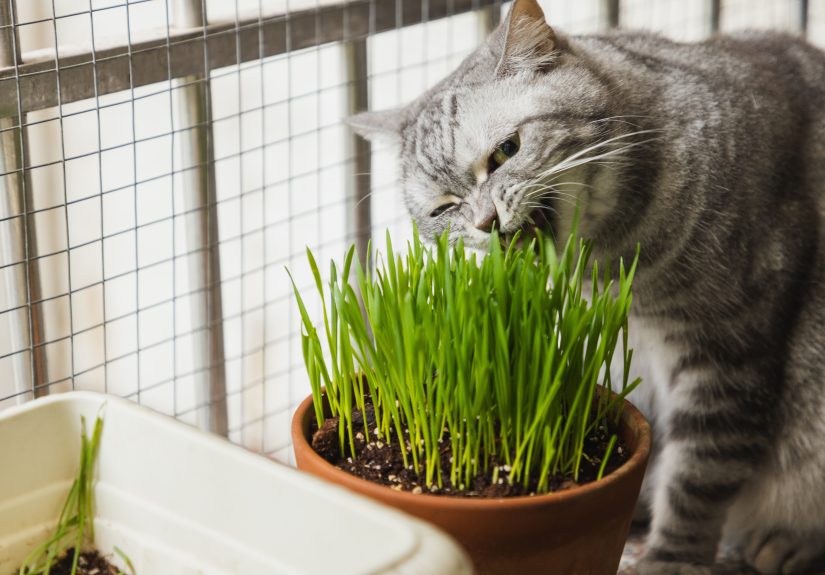
Even with a safe plant, you may want to protect both the plant and your pet. Start by offering better alternatives. Cat grass is a great choice because it gives your cat an approved place to nibble. Toys, climbing trees, window perches, and daily play sessions can also reduce boredom-based plant attacks.
Keep soil covered with smooth stones if your cat likes digging. Avoid using cocoa mulch, essential oils, or harsh deterrent sprays, which can create new safety concerns. If you use any deterrent product, make sure it is clearly labeled pet-safe and appropriate for indoor use.
Most importantly, watch your own cat’s behavior. Some cats ignore plants completely. Others act like every leaf is a personal challenge. Adjust your setup based on reality, not wishful thinking. Cats are adorable, but they are also furry little loophole experts.
Spider Plant Benefits Beyond Pet Safety
The spider plant is more than a “safe enough” option. It is genuinely attractive. The arching leaves add movement and softness to shelves, desks, kitchens, bathrooms, and bedrooms. Variegated varieties bring bright stripes that can lighten a darker corner, while curly types such as “Bonnie” add a fun twist.
Spider plants are also easy to propagate. Mature plants produce baby plantlets on long stems. You can snip these plantlets and root them in water or soil. This makes the spider plant one of the most budget-friendly houseplants around. Buy one plant, and with patience, you may end up with enough babies to decorate your home, gift friends, or become “that plant person” in your family group chat.
They are also excellent for beginners because they give visible feedback. Brown tips may suggest inconsistent watering, mineral buildup, dry air, or too much fertilizer. Pale growth may mean the plant wants brighter light. Droopy leaves often mean it is thirsty. Unlike some plants that silently perish like Victorian novel characters, spider plants usually give you clues.
Common Spider Plant Problems and Easy Fixes
Brown Leaf Tips
Brown tips are common and usually not a disaster. They may come from underwatering, overwatering, low humidity, fertilizer buildup, or minerals in tap water. Trim the brown tips with clean scissors if they bother you. To reduce future browning, water consistently and avoid heavy fertilizing.
Yellow Leaves
Yellow leaves can happen when the soil stays too wet or the plant does not get enough light. Check drainage first. If the pot has no drainage hole, repot immediately. A plant sitting in soggy soil is basically wearing wet socks forever, and nobody thrives like that.
No Baby Plantlets
If your spider plant is not producing plantlets, it may need more light, maturity, or a slightly tighter pot. Over-fertilizing can also reduce plantlet production. Give it bright indirect light and time. Spider plants are easygoing, but they are not vending machines.
Spider Plant vs. Other Pet-Friendly Houseplants
Other cat-safe houseplants include parlor palm, Boston fern, prayer plant, peperomia, and certain orchids. Each has its own personality. Boston ferns like more humidity. Prayer plants can be a little fussier. Parlor palms are elegant but slower-growing. Spider plants win because they combine safety, low maintenance, fast growth, and easy propagation.
For a busy cat owner, that combination matters. You do not need a greenhouse, a plant journal, or a suspiciously expensive mister. You need a plant that looks good, tolerates normal indoor life, and does not cause panic if your cat takes a curious nibble.
Who Should Get a Spider Plant?
A spider plant is ideal for apartment dwellers, first-time plant parents, busy professionals, families with pets, and anyone who has previously committed accidental plant crimes. It is also great for people who want a cheerful hanging plant but do not want to gamble with toxic varieties.
It is especially useful for cat owners who have removed risky plants from the home and now feel like their decor has been replaced by empty corners. A spider plant brings back that fresh, homey, leafy feeling without the constant worry that your cat is one bite away from an emergency vet visit.
Real-Life Experiences: Living With Spider Plants and Cats
The first thing many cat owners notice about spider plants is that cats do not politely ignore them. A spider plant in a hanging basket can become the most fascinating object in the room, especially if the plantlets dangle just low enough to sway. One cat may simply sit beneath it like a tiny jungle panther. Another may leap, miss, and pretend that was the plan all along.
In everyday experience, the spider plant works best when treated as both decor and enrichment management. For example, placing one in a sturdy hanging planter near a bright window can make a room feel alive while keeping the leaves mostly out of reach. The plant gets light, the cat gets something interesting to observe, and the owner gets to stop whispering, “Please don’t eat that,” every nine minutes.
Another common lesson is that cat grass can be a powerful distraction. When cats have their own approved greens, many become less determined to sample houseplants. It does not work for every cat, because some cats are committed chaos artists, but it often helps. Put cat grass near a favorite window perch, and the spider plant may suddenly become less exciting.
Spider plants are also forgiving during real life, which is important because real life includes vacations, busy weeks, surprise deadlines, and weekends when watering plants is somehow too much responsibility. A spider plant may droop when thirsty, but it often perks back up after a proper drink. That resilience makes it less intimidating than many fashionable houseplants.
The baby plantlets are another surprisingly fun part of ownership. Once the plant matures, those little offshoots create a sense of progress. You can root them in small jars, pass them to friends, or start new pots around your home. For cat owners, smaller propagated plants are also useful experiments: you can test locations and see where your cat shows the least interest before placing a larger plant there.
There is also a quiet emotional benefit. Pet owners often have to say no to beautiful things because safety comes first. No lilies on the table. No mystery bouquets left unattended. No toxic trailing plants within paw range. The spider plant feels like a yes. Yes, you can have greenery. Yes, your home can look softer and fresher. Yes, you can choose a plant that matches the rhythm of a pet-filled home.
The best experience comes from balance. Do not assume “non-toxic” means “snack-approved.” Do not assume “hanging” means “cat-proof.” But with smart placement, basic care, and a little respect for feline determination, the spider plant becomes a genuinely practical houseplant. It is pretty without being precious, safe without being boring, and easy without looking like you gave up. For cat owners, that is not just a plant. That is a small domestic victory with leaves.
Conclusion: A Small Plant With Big Cat-Owner Energy
The spider plant is a game changer because it solves a real problem: cat owners want beautiful homes, but they also want safe pets. This low-maintenance plant delivers both. It is non-toxic to cats, easy to grow, simple to propagate, and stylish enough to fit almost any room.
It still deserves sensible placement and basic care, especially if your cat is a professional leaf inspector. But compared with many popular houseplants, the spider plant is one of the most practical, forgiving, and pet-friendly choices available. It brings life to your space without bringing unnecessary stress to your pet-care routine.
If your cat has turned your plant dreams into a series of nervous Google searches, start here. The spider plant may not stop your cat from being dramatic, but it can make your home greener, safer, and a lot easier to enjoy.