Table of Contents >> Show >> Hide
- Understanding COVID-19 Treatment: The Goal Is Early, Smart Action
- Prescription Drugs Used to Treat COVID-19
- COVID-19 Rebound: What If Symptoms Return?
- Hospital Treatments for Severe COVID-19
- Home Remedies for Mild COVID-19
- What Not to Use for COVID-19 Treatment
- When to Seek Medical Help
- How Long Should You Stay Home?
- Can Vaccines Be Considered Treatment?
- Practical Examples: Choosing the Right COVID-19 Treatment Path
- Experiences and Real-World Lessons From COVID-19 Treatment
- Conclusion
COVID-19 has gone through enough plot twists to deserve its own streaming series: new variants, updated vaccines, changing guidelines, home tests, rebounds, and a pharmacy counter that sometimes feels like a tiny medical airport. But the core question remains refreshingly practical: What actually helps when you have COVID-19?
The answer depends on your risk level, how long you have had symptoms, and how sick you are. Many people with mild COVID-19 recover at home with rest, fluids, and over-the-counter symptom relief. Others, especially older adults and people with underlying health conditions, may benefit from prescription antiviral drugs that reduce the chance of severe illness, hospitalization, and death. Severe COVID-19 may require hospital care, oxygen support, anti-inflammatory drugs, or other advanced treatments.
This guide explains the main COVID-19 treatments, including prescription drugs, safe home remedies, what to avoid, when to call a doctor, and how to care for yourself without turning your nightstand into a suspicious supplement museum.
Understanding COVID-19 Treatment: The Goal Is Early, Smart Action
COVID-19 is caused by SARS-CoV-2, a respiratory virus that can affect the nose, throat, lungs, blood vessels, nervous system, and immune response. Treatment has two big goals: first, stop the virus from multiplying early; second, support the body if inflammation or breathing problems develop later.
That timing matters. Antiviral medicines work best when started soon after symptoms begin, usually within the first five to seven days. Waiting until symptoms are severe may close the window for certain outpatient drugs. In other words, COVID-19 treatment is not the time to “see how it goes” for a week if you are at high risk. It is more like calling a plumber when the ceiling first drips, not when the living room becomes a pond.
Who Is More Likely to Need COVID-19 Medication?
Prescription treatment is most important for people at higher risk of severe COVID-19. This includes adults age 65 and older, especially those over 75; people who are not up to date on COVID-19 vaccination; pregnant people; and individuals with certain medical conditions such as chronic lung disease, heart disease, diabetes, kidney disease, obesity, cancer, or a weakened immune system.
Risk is not all-or-nothing. A healthy 24-year-old with mild symptoms may only need home care, while a 72-year-old with diabetes and shortness of breath should contact a healthcare professional quickly. If you are unsure whether you qualify for treatment, ask. A five-minute phone call can be more useful than three hours of internet detective work.
Prescription Drugs Used to Treat COVID-19
The main outpatient COVID-19 drugs are antivirals. They do not act like pain relievers or cough medicine. Instead, they target the virus directly, helping slow or stop viral replication before the infection becomes more dangerous.
Paxlovid: Nirmatrelvir With Ritonavir
Paxlovid is an oral antiviral treatment that combines nirmatrelvir and ritonavir. Nirmatrelvir blocks a viral enzyme the coronavirus needs to copy itself, while ritonavir boosts nirmatrelvir levels in the body so it can work effectively. It is commonly prescribed for adults with mild to moderate COVID-19 who are at risk for severe illness, and it may also be authorized for certain adolescents who meet age and weight requirements.
Paxlovid is typically taken by mouth twice daily for five days and should be started as soon as possible, generally within five days of symptom onset. It is convenient because it can be taken at home, but it has one major “read the fine print” issue: drug interactions. Ritonavir can interact with many medications, including some statins, blood thinners, heart rhythm medicines, seizure medicines, transplant drugs, migraine drugs, and others.
Common side effects may include a bitter or metallic taste, diarrhea, nausea, muscle aches, or general discomfort. The metallic taste is sometimes described as “licking a handful of pennies,” which is not a five-star culinary experience, but for many high-risk patients, the benefit may outweigh the inconvenience.
Remdesivir: Veklury
Remdesivir, sold as Veklury, is an antiviral medicine given through an IV. It can be used for certain hospitalized patients and for some non-hospitalized high-risk patients with mild to moderate COVID-19. For outpatient treatment, it is usually given once daily for three consecutive days and should begin within seven days of symptom onset.
Remdesivir may be a good option when Paxlovid is not appropriate because of drug interactions or other medical reasons. The drawback is logistics: you need access to a healthcare facility for IV infusions. That makes it less simple than taking pills at home, but it remains an important treatment option, especially for people who cannot safely use Paxlovid.
Molnupiravir: Lagevrio
Molnupiravir, sold as Lagevrio, is another oral antiviral used for certain adults with mild to moderate COVID-19 who are at high risk for severe disease. It is usually considered when other preferred treatments, such as Paxlovid or remdesivir, are not available or are not medically appropriate.
Molnupiravir is taken by mouth for five days and should be started within five days of symptom onset. It is not generally recommended during pregnancy, and people of reproductive potential may need to follow contraception guidance. Because this medication has special safety considerations, it should be discussed carefully with a healthcare professional.
COVID-19 Rebound: What If Symptoms Return?
Some people experience COVID-19 rebound, meaning symptoms return after improvement or a test becomes positive again after being negative. Rebound has been reported in people who took antivirals and in people who did not. Current evidence suggests rebound symptoms are usually mild and occur a few days after initial recovery.
If symptoms return, stay home and reduce contact with others to lower the risk of spreading the virus. For high-risk patients, the benefits of antiviral treatment generally outweigh the possibility of rebound. Rebound is annoying, yes. A reason to skip effective treatment when you truly need it? Usually no.
Hospital Treatments for Severe COVID-19
Severe COVID-19 is a different situation from mild illness at home. People may need hospital care if they develop low oxygen levels, pneumonia, dehydration, confusion, chest pain, worsening shortness of breath, or other serious symptoms.
Oxygen and Breathing Support
Hospital teams may provide supplemental oxygen through a nasal tube or mask. If breathing becomes more difficult, some patients may need high-flow oxygen, noninvasive ventilation, mechanical ventilation, or, in rare critical cases, extracorporeal membrane oxygenation, known as ECMO. These treatments do not cure the virus directly; they support the body while the lungs and immune system recover.
Dexamethasone and Other Anti-Inflammatory Treatments
In severe COVID-19, the problem may shift from viral replication to an excessive inflammatory response. Corticosteroids such as dexamethasone may be used in hospitalized patients who need oxygen. However, steroids are not usually recommended for people with mild COVID-19 who do not need oxygen, because suppressing the immune response too early can be unhelpful or risky.
Other immune-modulating medicines, such as baricitinib, tocilizumab, sarilumab, abatacept, or infliximab, may be considered for certain hospitalized patients depending on disease severity and clinical guidelines. These are not casual “just in case” medications. They belong in the hands of clinicians who can weigh risks, benefits, oxygen needs, lab results, and timing.
Convalescent Plasma
High-titer convalescent plasma, made from blood plasma donated by people who recovered from COVID-19, may be used in specific situations, especially for some patients with weakened immune systems. This is not a routine treatment for everyone, but it may help select patients who cannot mount a strong antibody response on their own.
Home Remedies for Mild COVID-19
For many people, COVID-19 feels like a respiratory infection that can be managed at home. Home care does not mean doing nothing. It means supporting recovery while watching for warning signs.
Rest Like It Is Your Job
Sleep and rest help the immune system do its work. This is not the week to reorganize the garage, start a new fitness challenge, or prove that you can answer work emails with a fever. Light activity may be fine once you are improving, but pushing too hard can worsen fatigue and prolong recovery.
Drink Fluids and Eat Simple Foods
Fever, sweating, reduced appetite, and diarrhea can lead to dehydration. Water, broth, herbal tea, electrolyte drinks, diluted juice, and soups can help. You do not need a perfect “immune-boosting” meal plan. Aim for easy foods: toast, rice, bananas, eggs, yogurt, chicken soup, oatmeal, fruit, or whatever your stomach accepts without filing a complaint.
Use Over-the-Counter Medicines Safely
Acetaminophen or ibuprofen may help reduce fever, headache, sore throat, and body aches. Cough medicine may help some people sleep, and throat lozenges or honey can soothe irritation. Do not give honey to children under 1 year old. Always follow dosing instructions, avoid doubling up on medicines that contain the same ingredient, and ask a pharmacist if you take other medications.
Try Humidity, Saline, and Gentle Comfort Measures
A cool-mist humidifier, steamy shower, saline nasal spray, warm fluids, and elevating your head during sleep may ease congestion and coughing. These remedies will not kill the virus, but they can make the experience less miserable. Think of them as the soft pillows of treatment: not dramatic, but deeply appreciated at 2 a.m.
Monitor Symptoms
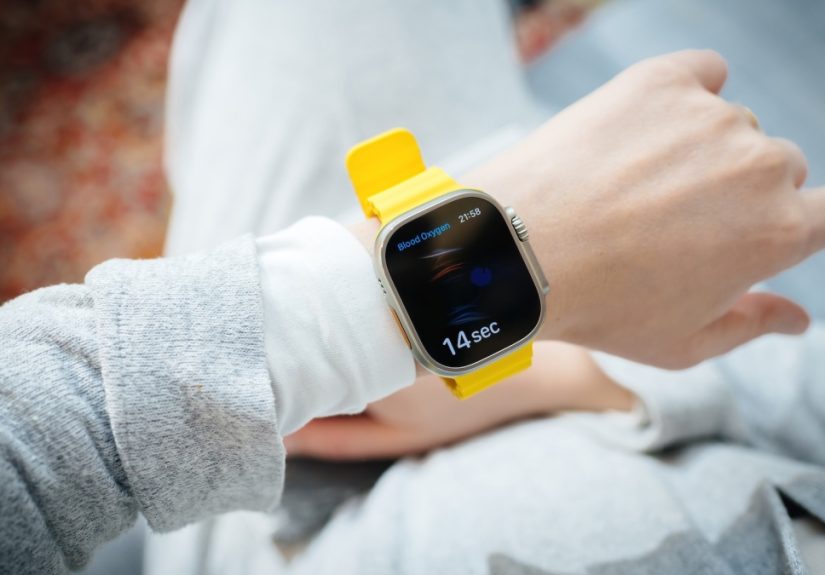
If available, a pulse oximeter can help some people track oxygen levels, especially if they have breathing symptoms. However, pulse oximeters are not perfect and may be less accurate in some situations. Do not ignore how you feel just because a gadget looks reassuring. Worsening shortness of breath, chest pain, blue or gray lips, confusion, fainting, or inability to stay hydrated should prompt urgent medical care.
What Not to Use for COVID-19 Treatment
Some treatments became popular online despite lack of good evidence or potential safety concerns. Antibiotics do not treat viruses, so they are not useful for COVID-19 unless a healthcare professional suspects a bacterial infection. Hydroxychloroquine, ivermectin, unapproved drug combinations, and extreme supplement regimens are not recommended as routine COVID-19 treatments.
Vitamins and supplements may support general nutrition if you are deficient, but megadoses are not a magic shield. Too much vitamin D, zinc, or other supplements can cause side effects. “Natural” does not always mean safe; poison ivy is natural, and nobody invites it to dinner.
When to Seek Medical Help
Contact a healthcare professional early if you test positive or develop symptoms and are at higher risk for severe illness. Do not wait until day six if an antiviral must be started by day five. Call sooner if you are pregnant, immunocompromised, elderly, or have chronic medical conditions.
Seek emergency care immediately for trouble breathing, persistent chest pain or pressure, new confusion, difficulty waking or staying awake, bluish or gray lips or face, severe weakness, signs of dehydration, or oxygen levels that are concerning based on your clinician’s advice.
How Long Should You Stay Home?
If you have COVID-19 or another respiratory virus, stay home and away from others while symptoms are not improving. In general, you can return to normal activities when your symptoms are improving overall and you have been fever-free for at least 24 hours without fever-reducing medicine. For the next five days, take extra precautions such as wearing a well-fitting mask, improving ventilation, washing hands, physical distancing, and testing when you will be around others.
People with weakened immune systems may remain contagious longer and should ask a healthcare professional for personalized guidance.
Can Vaccines Be Considered Treatment?
COVID-19 vaccines are not a treatment for an active infection, but they are one of the best tools for reducing the risk of severe disease, hospitalization, and death. Staying up to date on vaccination can make future infections less dangerous, particularly for older adults and high-risk groups. Think of vaccines as the seat belt, not the tow truck.
Practical Examples: Choosing the Right COVID-19 Treatment Path
Example 1: Mild Symptoms in a Low-Risk Adult
A healthy 30-year-old develops a sore throat, runny nose, mild cough, and fatigue. They test positive, have no shortness of breath, and can drink fluids. Home care, rest, fever reducers if needed, and isolation precautions may be enough. They should still monitor symptoms and seek care if things worsen.
Example 2: High-Risk Adult on Day Two of Symptoms
A 68-year-old with diabetes and heart disease tests positive on the second day of fever and cough. This person should contact a healthcare professional promptly to discuss antiviral treatment. Paxlovid may be considered, but the clinician or pharmacist must review current medications for interactions.
Example 3: Symptoms Worsen After Several Days
A person who was managing at home develops increasing shortness of breath, chest tightness, and confusion. This is no longer a “tea and blanket” situation. They need urgent medical evaluation for oxygen levels, pneumonia, dehydration, or other complications.
Experiences and Real-World Lessons From COVID-19 Treatment
One of the biggest lessons from COVID-19 is that timing changes everything. Many people who eventually receive antiviral treatment say the hardest part was not taking the medicine; it was realizing they needed to ask about it quickly. Mild symptoms can be misleading. A scratchy throat on Monday may look harmless, but for someone at high risk, Monday is also the day to call a doctor, pharmacist, clinic, or telehealth service. The treatment window is small, and COVID-19 does not send calendar reminders.
Another common experience is medication confusion. People often have several bottles in the bathroom cabinet: blood pressure pills, cholesterol medicine, diabetes drugs, inhalers, sleep aids, supplements, and the occasional mystery tablet from 2019 that should have been thrown away during a previous administration. Because Paxlovid can interact with many drugs, patients should keep an updated medication list. Include prescriptions, over-the-counter drugs, vitamins, herbal products, and supplements. A pharmacist can be the unsung hero here, catching interactions before they become a problem.
Home recovery also teaches humility. People often expect improvement to follow a straight line: sick, less sick, fine. COVID-19 prefers a more dramatic graph. Fever may fade before fatigue. Congestion may improve while cough lingers. Energy may return in the morning and vanish by lunchtime like a phone battery at 3%. The practical approach is to pace yourself. Start with basic tasks, take breaks, and avoid intense exercise until you are clearly recovering. If symptoms return or worsen, slow down and reassess.
Caregiving during COVID-19 brings its own challenges. In many households, one person becomes the “snack nurse,” “thermometer manager,” and “please-open-a-window” supervisor. The best home setup is simple: separate the sick person when possible, improve airflow, clean hands often, avoid sharing cups and utensils, and use masks around high-risk household members. Perfection is not always possible, especially in small apartments or homes with children, but small precautions can reduce exposure.
People also learn that comfort measures matter more than they expected. A glass of water beside the bed, tissues within reach, soup in the freezer, a working thermometer, and acetaminophen or ibuprofen used correctly can make recovery smoother. These are not glamorous interventions. No one makes a superhero movie about saline spray. Still, when your nose is blocked and your throat feels like sandpaper, simple tools feel like luxury technology.
Finally, COVID-19 has reminded many families to plan before illness strikes. Know where your home tests are. Know your risk factors. Know whom to call after hours. Keep a medication list. Ask your clinician in advance whether you might qualify for antivirals if you test positive. This kind of planning does not mean living in fear. It means treating COVID-19 like any other health risk: with calm preparation, good information, and fewer panicked searches at midnight.
Conclusion
Treating coronavirus disease starts with knowing your risk and acting early. For mild COVID-19, home remedies such as rest, fluids, fever reducers, cough relief, and careful monitoring can be enough. For people at higher risk, prescription antivirals like Paxlovid, remdesivir, or molnupiravir may reduce the chance of severe illness when started quickly. Severe cases require medical care and may involve oxygen, antiviral therapy, corticosteroids, immune-modulating drugs, or other hospital-based treatments.
The smartest COVID-19 treatment plan is not one-size-fits-all. It is timely, evidence-based, and personalized. Skip miracle cures, respect warning signs, and contact a healthcare professional early if you may qualify for medication. Your future self, breathing comfortably and sipping soup in peace, will appreciate it.
Note: This article is for educational purposes only and does not replace professional medical advice, diagnosis, or treatment. COVID-19 guidance and available treatments may change. Always consult a licensed healthcare professional for personal recommendations.