Table of Contents >> Show >> Hide
- Loneliness Is More Than Being Alone
- Why Cardiologists Are Paying Attention
- How Loneliness Can Affect the Heart
- Loneliness and Heart Disease Risk: What the Research Suggests
- Who May Be More Vulnerable to Loneliness?
- What a Cardiologist Might Ask You
- Signs Loneliness May Be Affecting Your Health
- Heart-Healthy Ways to Reduce Loneliness
- What Not to Do: The Lonely Heart Trap List
- How Families and Friends Can Help
- When Loneliness Requires Professional Support
- A Cardiologist’s Practical Prescription for Connection
- Real-Life Experiences: What Loneliness Can Look Like in Everyday Heart Health
- Conclusion: Your Heart Was Never Meant to Do Life Alone
Loneliness is often treated like an emotional inconvenience: unpleasant, awkward, and best cured by a group chat, a dog, or pretending you suddenly love pickleball. But cardiologists are increasingly looking at loneliness with a much more serious lens. Not because friendship is suddenly being prescribed in tiny orange bottles, but because the heart does not live in a vacuum. It lives in your body, your routines, your stress level, your sleep, your meals, your movement, and yes, your relationships.
When a cardiologist talks about loneliness, they are not simply asking, “Do you have weekend plans?” They are asking whether your life gives your nervous system regular signals of safety, belonging, and support. They are asking whether stress has become your default setting. They are asking whether you have people who notice when you disappear, encourage you to take your medications, invite you on walks, or remind you that eating dinner over the sink does not technically count as a lifestyle plan.
The main message is simple: loneliness is not a character flaw. It is a health signal. And while it may not show up on a cholesterol panel, chronic loneliness can quietly influence blood pressure, inflammation, sleep, mood, physical activity, and heart disease risk. The good news? Social connection is not an all-or-nothing project. You do not need to become the mayor of brunch. Small, steady changes can help protect your heart and your well-being.
Loneliness Is More Than Being Alone
One of the first things a cardiologist would clarify is the difference between being alone, social isolation, and loneliness. Being alone can be peaceful. Some people need solitude the way phones need charging cables. Social isolation means having few social contacts or limited interaction with others. Loneliness is the painful feeling that your relationships are not as close, meaningful, or supportive as you need them to be.
That difference matters. A person can live alone and feel deeply connected through friends, family, faith groups, neighbors, coworkers, or community activities. Another person can be surrounded by people all day and still feel emotionally stranded. Think of it as the difference between having names in your contact list and having someone you can call when life throws a frying pan at your plans.
Cardiologists care because perceived loneliness and objective isolation can both affect cardiovascular health. The heart responds not just to calories and cardio, but also to chronic stress signals. When a person feels disconnected for a long time, the body may stay in a heightened state of alert. That can influence hormones, blood vessels, immune activity, and everyday behaviors that either protect or strain the cardiovascular system.
Why Cardiologists Are Paying Attention
Heart disease prevention traditionally focuses on familiar players: high blood pressure, high cholesterol, smoking, diabetes, obesity, diet, exercise, and family history. Those still matter. No cardiologist is going to say, “Forget your blood pressure, just join a book club.” But the modern view of heart health is wider. It includes social determinants of health, mental health, sleep, stress, access to care, and community support.
Loneliness fits directly into that bigger picture. People who are lonely may be more likely to sleep poorly, move less, eat irregularly, smoke, drink too much alcohol, miss medical appointments, or struggle to manage chronic conditions. This does not mean lonely people are “bad patients.” It means human beings are not machines. We are more likely to take care of ourselves when we feel that our lives matter to someone.
A cardiologist may also think about recovery. After a heart attack, stroke, heart failure diagnosis, or surgery, support can make a practical difference. Someone may need help picking up prescriptions, preparing heart-healthy meals, getting to cardiac rehab, recognizing warning symptoms, or staying motivated when progress feels slower than a Monday morning elevator. Social connection can act like scaffolding around healthier choices.
How Loneliness Can Affect the Heart
1. Stress Hormones Can Stay Switched On
Loneliness can activate the body’s stress response. In short bursts, stress hormones are useful. They help you react quickly when you are in danger or when your laptop freezes five minutes before a meeting. But chronic stress is different. When the body repeatedly feels unsafe or unsupported, stress hormones may remain elevated more often than they should.
Over time, that pattern can contribute to higher blood pressure, changes in blood sugar, poor sleep, and inflammation. None of these effects automatically cause heart disease by themselves, but together they can create an environment where the cardiovascular system has to work harder.
2. Blood Pressure May Creep Up
Blood pressure is not only about salt shakers and genetics. Emotional stress, poor sleep, inactivity, and alcohol use can all affect it. A person who feels lonely may spend more time sedentary, have fewer stress-relieving conversations, or fall into routines that make blood pressure harder to control.
This is why a cardiologist may ask about your home life, stress, and support system during a visit. It is not small talk. It is risk assessment wearing comfortable shoes.
3. Inflammation May Increase
Inflammation is part of the body’s normal healing process, but chronic low-grade inflammation is associated with many health problems, including cardiovascular disease. Loneliness and chronic stress may influence immune function and inflammatory pathways. This is one reason researchers are interested in the biology of social connection, not just the psychology of it.
The takeaway is not that one lonely weekend damages your arteries. The concern is persistent loneliness, especially when it becomes part of a larger pattern involving poor sleep, low activity, depression, anxiety, unhealthy eating, or unmanaged medical conditions.
4. Daily Habits Can Shift in the Wrong Direction
Loneliness often changes behavior before it changes lab results. When people feel disconnected, they may stop cooking, skip walks, cancel appointments, or spend more time scrolling than sleeping. The couch becomes a kingdom. Snacks become emotional support staff. Exercise shoes become decorative objects.
Again, this is not about blame. It is about noticing patterns. Cardiologists know that heart health is built through daily habits, and daily habits are easier to maintain when people feel supported. A friend who texts, “Want to walk for 20 minutes?” can sometimes do what a motivational poster never could.
Loneliness and Heart Disease Risk: What the Research Suggests
Large studies and public-health reviews have linked loneliness and social isolation with higher risks of heart disease, stroke, heart failure, dementia, depression, anxiety, and premature death. The American Heart Association has highlighted loneliness and social isolation as important concerns for cardiovascular and brain health. The CDC also recognizes social connection as a factor that can influence chronic disease risk and overall well-being.
That does not mean loneliness is destiny. Risk is not a crystal ball. It is more like a dashboard light. When the light comes on, you do not panic and sell the car. You check what needs attention. Loneliness is a sign to examine your support system, routines, stress load, and health behaviors.
It is also important to understand that loneliness often overlaps with other issues. Depression, grief, caregiving stress, retirement, disability, chronic illness, hearing loss, transportation problems, financial strain, and moving to a new city can all contribute. A cardiologist may not treat every one of those issues directly, but they can help identify when loneliness is affecting health and connect patients with resources.
Who May Be More Vulnerable to Loneliness?
Loneliness can affect anyone. It is not limited to older adults, single people, or people who live alone. Young adults can feel lonely despite being constantly “connected.” Parents can feel lonely while surrounded by laundry and small humans requesting snacks. Healthcare workers, caregivers, remote employees, widows, retirees, immigrants, people with chronic illness, and people going through major life transitions may all be at higher risk.
Older adults deserve special attention because isolation can increase after retirement, loss of a spouse, reduced mobility, hearing or vision changes, or friends moving away. But younger people are not immune. A person can have 700 followers and no one to call after a scary medical test. That gap between digital contact and emotional closeness is where loneliness can thrive.
What a Cardiologist Might Ask You
If your cardiologist asks about loneliness, they are not being nosy. They are trying to understand your real life, where health decisions actually happen. Possible questions might include:
- Do you have someone you can call in an emergency?
- Do you often feel left out, isolated, or lacking companionship?
- Who helps you manage appointments, medications, or recovery?
- Have you stopped doing activities you used to enjoy?
- Are grief, caregiving, stress, or depression affecting your routines?
These questions can feel personal, but they are clinically relevant. If someone has heart failure and no support at home, that affects medication management, diet, symptom monitoring, and hospital readmission risk. If someone has high blood pressure and is chronically stressed and isolated, the treatment plan may need to include mental health support, community resources, or practical lifestyle steps.
Signs Loneliness May Be Affecting Your Health
Loneliness does not always announce itself dramatically. Sometimes it shows up as fatigue, irritability, low motivation, poor sleep, or a vague feeling that everything takes too much effort. You may notice that you are canceling plans, avoiding calls, eating alone most of the time, or losing interest in hobbies. You may feel emotionally flat, anxious, or unusually sensitive to rejection.
From a heart-health perspective, pay attention if loneliness is paired with rising blood pressure, skipped medications, less physical activity, increased alcohol use, smoking, emotional eating, weight changes, or missed medical visits. These are not moral failures. They are signals that your support system may need strengthening.
If loneliness comes with persistent sadness, hopelessness, panic, thoughts of self-harm, or feeling like life is not worth living, it is time to seek help right away. Emotional pain is health pain. You deserve support before things become a crisis.
Heart-Healthy Ways to Reduce Loneliness
Start Smaller Than Your Ego Wants
Many people try to solve loneliness with a giant plan: make ten friends, join three clubs, host dinner, become “a community person,” and maybe learn salsa by Thursday. That is too much. Start with one realistic action. Send one text. Take one walk with a neighbor. Attend one class. Call one person you miss. Tiny steps count because they lower the activation energy.
Choose Repeated Contact Over Perfect Chemistry
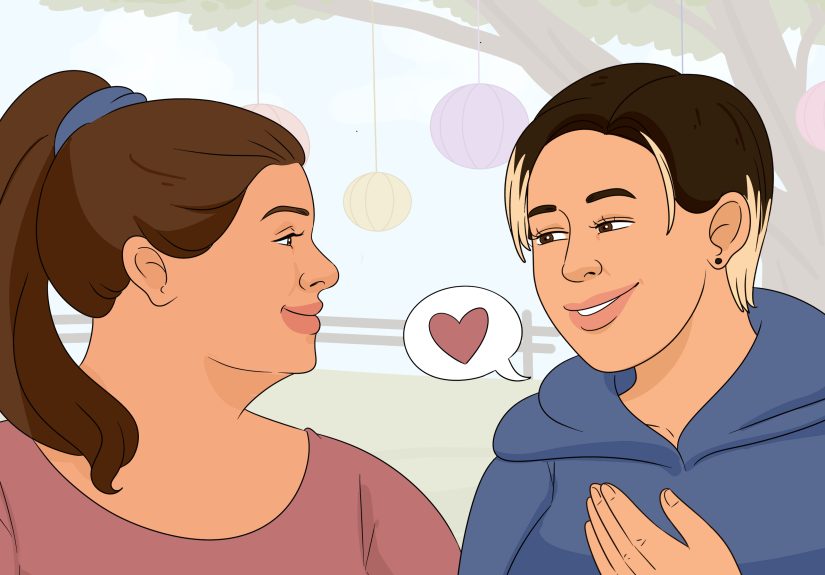
Friendship often grows through repetition. You do not need instant soulmates. You need regular contact with decent humans. A weekly walking group, volunteer shift, class, support group, faith gathering, or community garden can create repeated low-pressure interactions. That is how “people I see sometimes” slowly become “people who would notice if I vanished.”
Make Movement Social
Exercise is powerful for heart health, and social exercise adds another layer of benefit. Walk with a friend, join a beginner fitness class, try water aerobics, go dancing, or meet someone at a park. The goal is not Olympic excellence. The goal is getting your heart rate up while reminding your brain that other people exist outside your inbox.
Use Technology as a Bridge, Not a Replacement
Video calls, texts, online communities, and social media can help people stay connected, especially when distance, disability, caregiving, or transportation barriers exist. But passive scrolling can sometimes make loneliness worse. A useful rule: choose interaction over observation. Comment thoughtfully, send a voice note, schedule a video call, or use online groups to find offline activities when possible.
Talk to Your Doctor Honestly
If loneliness is affecting your health habits, tell your clinician. You do not have to make it poetic. Try: “I’ve been isolated lately, and it’s making it harder to take care of myself.” That one sentence can open the door to referrals, counseling, cardiac rehab support, social work resources, community programs, or screening for depression and anxiety.
What Not to Do: The Lonely Heart Trap List
When loneliness hits, the brain often suggests solutions that feel good for ten minutes and terrible afterward. Excess alcohol, doomscrolling, smoking, skipping meals, staying up too late, or withdrawing completely may offer temporary relief but can worsen both mood and heart health. The heart prefers boring consistency over dramatic self-sabotage. Very rude of it, but medically fair.
Another trap is waiting until you feel “social enough” to connect. Motivation often follows action, not the other way around. You may not feel like going to the class, calling the friend, or attending the support group. Go anyway, gently. You can leave early. You can be quiet. You can participate at 40 percent. Connection does not require jazz hands.
How Families and Friends Can Help
If someone you love seems isolated, do not simply say, “You should get out more.” That phrase has the emotional warmth of a parking ticket. Instead, make connection specific and easy. Offer to walk together on Tuesday. Bring soup. Invite them to a low-pressure activity. Call at a regular time. Help with transportation. Ask about medical appointments. Celebrate small progress.
For people with heart disease, support can be practical: organizing medications, preparing lower-sodium meals, attending appointments, helping track symptoms, or joining them in lifestyle changes. Nobody wants to be the only person at the table eating grilled salmon while everyone else is building a nacho monument. Shared habits make healthy choices less lonely.
When Loneliness Requires Professional Support
Some loneliness improves with community, routine, and outreach. Other loneliness is tied to grief, trauma, depression, anxiety, chronic illness, or major life disruption. In those cases, professional support can be essential. Therapy, support groups, grief counseling, medication for depression or anxiety when appropriate, and social services can all be part of a heart-smart plan.
A cardiologist may collaborate with primary care clinicians, mental health professionals, cardiac rehab teams, dietitians, pharmacists, and social workers. That team approach matters because loneliness rarely travels alone. It often brings stress, sleep problems, poor appetite, fatigue, and difficulty managing care. Treating the whole person is not “extra.” It is good medicine.
A Cardiologist’s Practical Prescription for Connection
If connection could be written as a prescription, it might look like this: one meaningful interaction daily, one planned social activity weekly, one honest conversation with a healthcare professional if loneliness is affecting health, and one routine that combines movement with people. Refill indefinitely.
Meaningful interaction does not have to be dramatic. It can be a phone call, a walk, a shared meal, a support group, volunteering, helping a neighbor, attending a class, or sitting with someone without multitasking. The key is quality. Your heart does not need you to become wildly popular. It needs enough connection to reduce chronic stress and support healthier living.
Real-Life Experiences: What Loneliness Can Look Like in Everyday Heart Health
Consider a retired teacher named Linda. After her husband died, she kept telling everyone she was “fine,” which is the official slogan of people who are absolutely not fine. She took her blood pressure pills most days, but meals became random. Some nights dinner was crackers, cheese, and whatever looked least suspicious in the refrigerator. She stopped walking because walking alone reminded her of what she had lost. At her cardiology visit, her blood pressure was higher, her sleep was worse, and she admitted she had gone several days without speaking to anyone in person. Her doctor did not lecture her about sodium first. He asked who she trusted, what she missed, and what felt possible. Linda started with a grief group, then a twice-weekly walk with a neighbor. Her loneliness did not vanish, but her days gained structure. Her heart-health habits became easier because she was no longer carrying them by herself.
Then there is Marcus, a 42-year-old remote worker with a demanding job and a smartwatch that kept congratulating him for standing up, which was honestly the most personal relationship he had some weeks. He was not socially isolated on paper. He had coworkers, online chats, and family in another state. But he felt disconnected. He ordered takeout, worked late, slept badly, and ignored his rising cholesterol because “busy” sounded more respectable than “lonely.” After a scare with chest discomfort that turned out not to be a heart attack, he took the wake-up call seriously. He joined a Saturday hiking group for beginners, scheduled a recurring call with his brother, and started working from a local café twice a week. The changes were not magical. He still had stressful days. But his life began to include faces, movement, sunlight, and accountability. His health habits improved because his environment changed.
Another example is Rosa, who cared for her mother with heart failure. Caregiving filled her schedule but emptied her social life. Friends stopped inviting her because she often said no. She loved her mother, but she felt trapped and guilty for feeling trapped. At a clinic visit, a nurse asked Rosa how she was doing, not just how her mother was doing. That question cracked the door open. A social worker helped connect the family with respite care and a caregiver support group. Rosa began taking one evening a week for herself. Her stress did not disappear, but it became less crushing. Her own blood pressure improved after months of better sleep, short walks, and regular emotional support.
These stories show why cardiologists care about loneliness. It does not always appear as a dramatic crisis. Sometimes it appears as skipped walks, missed refills, worse sleep, more stress eating, or a quiet sense that caring for your body no longer matters. Connection helps restore the feeling that your health is worth protecting. It gives healthy habits a place to land.
Conclusion: Your Heart Was Never Meant to Do Life Alone
Loneliness is not just a mood. It is a meaningful health signal that deserves attention, especially when it becomes chronic. A cardiologist wants you to know that your relationships, routines, and sense of belonging can influence your cardiovascular health in real ways. Social connection will not replace medication, exercise, nutritious food, or medical care, but it can support all of them.
The most heart-healthy step may be smaller than you think. Call someone. Walk with someone. Tell your doctor the truth. Join one repeated activity. Accept help. Offer help. Build connection like you would build fitness: slowly, consistently, and without expecting perfection on day one.
Your heart is a muscle, but it is also part of a life. And lives are healthier when they include people who know our names, notice our absence, laugh at our terrible jokes, and occasionally remind us that vegetables exist.