Table of Contents >> Show >> Hide
- What Hand Sanitizer Actually Does
- DIY Hand Sanitizer: Should You Make It at Home?
- The Alcohol Rule: Why 60% Matters
- What Ingredients Are Usually Found in Hand Sanitizer?
- A Safer DIY Alternative: Make a Hand Hygiene Kit
- How to Use Hand Sanitizer Correctly
- Common DIY Hand Sanitizer Mistakes
- Hand Sanitizer and Skin Care
- Safety Tips for Families
- Choosing a Store-Bought Hand Sanitizer
- DIY Hand Sanitizer for Travel Preparedness
- DIY Hand Sanitizer Experiences: What Real Life Teaches You
- Final Thoughts on DIY Hand Sanitizer
DIY hand sanitizer sounds like one of those satisfying weekend projects: a little measuring, a little mixing, maybe a cute label, and suddenly you are the neighborhood hygiene wizard. But before we start acting like a tiny bathroom chemist with a mason jar and a dream, let’s be clear about one very important thing: homemade hand sanitizer is not the first choice for clean hands. Soap and water are still the champions. They are the old-school, no-nonsense, undefeated heavyweight winners of hand hygiene.
That said, people search for DIY hand sanitizer for practical reasons. Maybe stores are sold out. Maybe you want to understand what is actually in sanitizer. Maybe you are building an emergency kit and want to know what is safe, what is risky, and what belongs in the “absolutely not, please step away from the glitter glue” category.
This guide explains what hand sanitizer does, why alcohol percentage matters, why public health organizations are cautious about homemade versions, and how to make smarter, safer choices. We will also cover storage, skin care, common mistakes, and real-life experiences from using sanitizer at home, school, work, travel, and everywhere else germs like to throw tiny parties.
What Hand Sanitizer Actually Does
Hand sanitizer is designed to reduce germs on your hands when soap and water are not available. Most effective sanitizers use alcohol, usually ethanol or isopropyl alcohol, as the active ingredient. Alcohol works by disrupting the structure of many germs, which helps lower the number of germs on the skin.
However, sanitizer is not magic in a squeeze bottle. It does not remove dirt, grease, pesticides, heavy grime, or every type of germ. If your hands look like you just wrestled a lawn mower, sanitizer is not the hero of that scene. You need soap, water, and a little patience.
DIY Hand Sanitizer: Should You Make It at Home?
The safest answer is simple: if you can buy an FDA-regulated hand sanitizer from a trusted brand, do that. Commercial products are made under controlled conditions, tested for consistency, labeled with Drug Facts, and packaged with safety warnings. Homemade sanitizer can go wrong if the alcohol concentration is too low, ingredients are contaminated, measurements are inaccurate, or the final mixture is not blended properly.
Many online recipes look friendly, but a recipe can be “popular” and still be a bad idea. A sanitizer that smells nice but does not contain enough alcohol may give you confidence without giving you real protection. That is the hygiene version of wearing sunglasses at night and calling it security.
When DIY May Be Discussed
DIY hand sanitizer is best treated as an emergency topic, not a casual craft. It may be relevant when commercial sanitizer is unavailable, soap and water are not accessible, and an adult understands the risks of handling high-alcohol products. Even then, accuracy and safety matter more than creativity.
For general readers, the best “DIY” approach is often not mixing a chemical formula at all. Instead, build a clean-hands kit: travel-size commercial sanitizer, gentle hand soap, clean towels or wipes for visible dirt, moisturizer, and a small zip pouch. It is less dramatic than mixing ingredients, but it is safer, easier, and far less likely to turn your kitchen counter into a questionable science fair exhibit.
The Alcohol Rule: Why 60% Matters
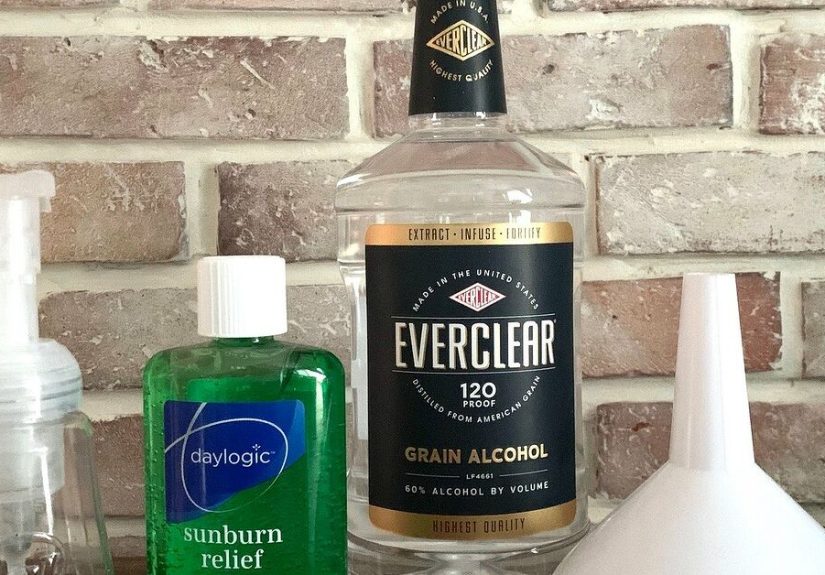
For a hand sanitizer to be useful in everyday settings, it should contain at least 60% alcohol. This percentage matters because too little alcohol may not reduce germs effectively. Adding a splash of alcohol to lotion or aloe gel does not automatically create a reliable sanitizer. In fact, adding too much gel or fragrance can dilute the alcohol below the effective range.
This is one of the biggest problems with homemade sanitizer. People often start with alcohol that is strong enough, then dilute it with soothing ingredients until the final product is too weak. The result may feel pleasant, smell fancy, and fit perfectly in a cute bottlebut it may not work as intended.
What Ingredients Are Usually Found in Hand Sanitizer?
Most alcohol-based hand sanitizers contain a few key components. The active ingredient is alcohol. Humectants, such as glycerin, help reduce dryness. Water helps with proper formulation. Some products may include small amounts of hydrogen peroxide in controlled manufacturing formulas, mainly to address contamination in production, not to act as the main germ-killing ingredient on your hands.
Commercial products may also include moisturizers, thickening agents, and fragrance. These extras can improve feel and scent, but they should not interfere with the alcohol level. In a good sanitizer, the “nice to have” ingredients never boss around the active ingredient.
Ingredients to Avoid
Do not use drinking alcohol, perfume, essential oils alone, vinegar, lemon juice, baking soda, witch hazel, or random kitchen ingredients as hand sanitizer. They may smell fresh, but fresh is not the same as effective. Your hands are not a salad, and germs are not impressed by citrus vibes.
Essential oils may smell pleasant, but they should not replace alcohol-based sanitizer. Some oils can irritate skin, especially when overused. Fragrance-heavy mixtures may also encourage children to smell, taste, or play with sanitizer, which creates a serious safety risk.
A Safer DIY Alternative: Make a Hand Hygiene Kit
If your goal is preparedness, a hand hygiene kit is the smartest DIY project. It gives you clean-hand options without the risks of homemade chemical mixing.
What to Include
- A travel-size alcohol-based hand sanitizer with at least 60% alcohol
- A small bottle of gentle liquid hand soap
- Disposable paper towels or a clean reusable hand towel
- Fragrance-free hand cream for dryness
- Unscented wipes for removing visible dirt before washing
- A labeled pouch for school, work, travel, or the car
This kit is especially useful for road trips, camping, school bags, sports bags, office drawers, and diaper bags. It is practical, portable, and does not require you to measure liquids with the seriousness of a rocket launch.
How to Use Hand Sanitizer Correctly
Using sanitizer correctly matters almost as much as choosing the right one. Apply enough product to cover all surfaces of your hands. Rub your palms, backs of hands, between fingers, around thumbs, fingertips, and under nails as much as possible. Keep rubbing until your hands are dry.
Do not wipe sanitizer off before it dries. Do not rinse it off. Do not wave your hands in the air like you are directing airport traffic. Let the product stay on your skin long enough to do its job.
When Soap and Water Are Better
Choose soap and water when your hands are visibly dirty or greasy, after using the bathroom, before eating, after changing diapers, after handling raw food, after gardening, after caring for someone with vomiting or diarrhea, or after touching chemicals. Sanitizer is convenient, but it is not a full replacement for washing.
Soap and water physically remove germs and grime from the skin. Sanitizer mainly reduces many germs on relatively clean hands. That difference matters.
Common DIY Hand Sanitizer Mistakes
One common mistake is using alcohol that is too weak. Another is adding too much aloe gel, lotion, or fragrance. A third is storing sanitizer in an unlabeled bottle, which is especially dangerous around children or pets. Some people also use containers that are not clean, which can contaminate the mixture.
Another mistake is assuming “natural” means safe. Natural ingredients can still irritate skin, trigger allergies, or reduce effectiveness. Poison ivy is natural too, and nobody wants that in a wellness routine.
Hand Sanitizer and Skin Care
Alcohol-based sanitizer can dry your skin, especially when used many times a day. Dry skin may become itchy, flaky, cracked, or uncomfortable. The solution is not to stop cleaning your hands; it is to support your skin barrier.
Use a gentle moisturizer after sanitizer has dried. Look for fragrance-free creams or ointments if your skin is sensitive. At night, apply a thicker hand cream before bed. Your hands work hard all day. They open doors, type messages, carry groceries, and occasionally rescue snacks from the floor. They deserve a little spa moment.
Safety Tips for Families
Store hand sanitizer out of reach of young children and pets. Many sanitizers contain high levels of alcohol, and swallowing more than a small taste can be dangerous. Bright bottles, fruity scents, and glittery formulas may look tempting to kids, so adult supervision matters.
Keep sanitizer away from flames, sparks, and high heat because alcohol is flammable. Do not use sanitizer near candles, grills, stoves, or while smoking. Let your hands dry completely before touching anything hot or using equipment that could create sparks.
Choosing a Store-Bought Hand Sanitizer
When buying sanitizer, check the label. Look for at least 60% alcohol. Read the Drug Facts panel. Avoid products with unclear labeling, suspicious claims, or packaging that looks like food or drinks. A sanitizer should not resemble a juice pouch, candy bottle, or novelty beverage. That kind of packaging is not cute; it is a safety problem wearing a costume.
Also check for recalls or warnings if a product seems unfamiliar. During periods of high demand, some unsafe sanitizers have entered the market, including products with contamination concerns or improper ingredients. Trusted retailers and recognizable brands are usually a safer choice than mystery bottles from unknown sellers.
DIY Hand Sanitizer for Travel Preparedness
Travel is where sanitizer becomes especially useful. Airports, buses, rideshares, gas stations, amusement parks, public restrooms, and hotel elevators all involve shared surfaces. A small sanitizer bottle can be helpful when you cannot wash your hands immediately.
Still, sanitizer should be part of a bigger travel hygiene plan. Wash your hands when you reach a sink. Keep snacks in clean packaging. Avoid touching your face with unwashed hands. Carry moisturizer, because airplane air and frequent sanitizing can make your skin feel like old notebook paper.
DIY Hand Sanitizer Experiences: What Real Life Teaches You
The first experience most people have with DIY hand sanitizer is realizing that “simple recipe” does not always mean “simple responsibility.” During times when sanitizer disappears from store shelves, it can be tempting to grab whatever alcohol, gel, and bottle you have at home and start mixing. But the more you learn, the more you realize that hand sanitizer is not just a beauty product with a medical hobby. It has to be strong enough, clean enough, and safe enough to use on skin.
One practical lesson is that texture matters. Some homemade mixtures are too runny and spill everywhere. Others are too sticky and make your hands feel like you high-fived a pancake. Commercial sanitizers are formulated to balance alcohol strength, spreadability, drying time, and skin feel. That balance is harder to achieve at home than many people expect.
Another lesson is that scent can be tricky. A tiny amount of fragrance may seem harmless, but strong scents can become annoying fast. What smells like “fresh lavender meadow” in the bottle may smell like “aggressive purple cleaning cloud” after the fifth use. For sensitive skin, fragrance can also cause irritation. In real life, simple and gentle usually wins.
Labeling is another big experience-based tip. If sanitizer is moved into a smaller bottle, label it clearly. Write “hand sanitizer” and keep it away from food, drinks, and children. Never use beverage containers. A clear label may not look glamorous, but it prevents confusion. Safety is allowed to be boring. In fact, boring safety is often the best kind.
People also learn that sanitizer placement affects habits. A bottle buried at the bottom of a backpack is basically on vacation. Put sanitizer where you will actually use it: near the front pocket of a bag, in a car console away from heat, beside a desk, or near the entryway at home. Convenience makes healthy habits easier.
For families, the best experience is often creating a routine rather than obsessing over products. Kids can learn to wash hands after school, before meals, and after playing outside. Adults can model good habits without turning every doorknob into a dramatic germ crime scene. Calm consistency works better than panic-cleaning.
For people with dry skin, the biggest lesson is to pair sanitizer with moisturizer. Keep hand cream next to sanitizer at home or work. Wait until sanitizer dries, then moisturize. This small habit can prevent cracked skin and make frequent hand hygiene more comfortable.
The final experience is perspective. Hand sanitizer is useful, but it is only one tool. Sleep, good nutrition, clean surfaces, staying home when sick, and washing hands properly all matter too. A tiny bottle of sanitizer cannot carry the entire public health team on its back. Let it do its job, but do not ask it to perform miracles.
Final Thoughts on DIY Hand Sanitizer
DIY hand sanitizer is a topic where safety should always beat creativity. The best option is to wash with soap and water whenever possible. When that is not available, use a properly labeled alcohol-based hand sanitizer with at least 60% alcohol. If you are interested in DIY preparedness, focus on building a hand hygiene kit rather than casually mixing sanitizer at home.
Clean hands do not need to be complicated. Wash when you can, sanitize when you cannot, moisturize when your skin complains, and store products safely. That is the real recipe for smarter hand hygiene.