Table of Contents >> Show >> Hide
- Are Those Tiny Holes Really from the Washer?
- The Most Common Washing-Related Causes of Holes
- Surprising Non-Washing Culprits that Show Up After a Wash
- How to Prevent Holes in Clothes After Washing
- Repairing and Reusing Clothes with Holes
- When to Call in Backup
- Real-Life Laundry Experiences: Lessons from the “Hole Patrol”
- The Bottom Line on Mystery Laundry Holes
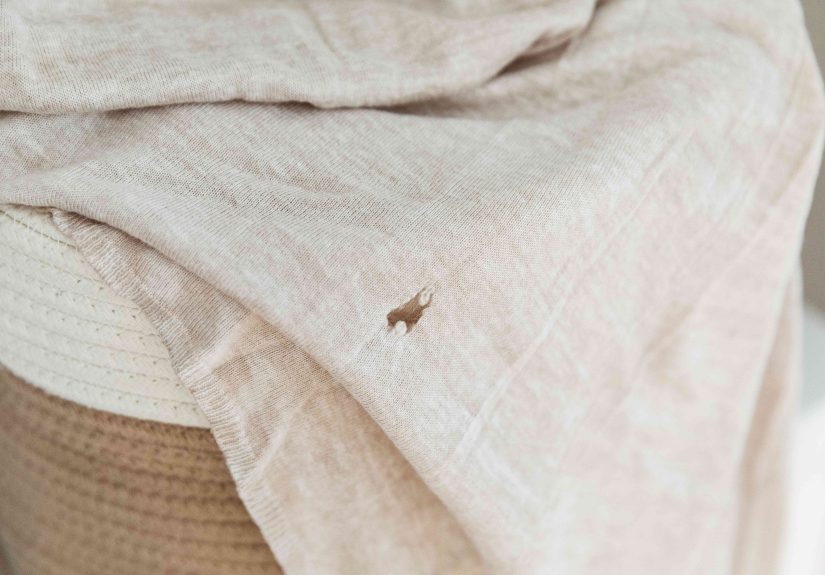
You pull your favorite T-shirt out of the washer, give it a little shake, and there it is: a mysterious tiny hole staring back at you like it knows something you don’t. The washing machine is clearly eating your clothes… right?
Not always. Holes in clothes after washing can come from a mix of culprits: the washer, the way you do laundry, and even what you’re doing while wearing those clothes between washes. The good news? Once you understand what’s going on, you can dramatically cut down on those annoying little holes and make your wardrobe last longer.
Are Those Tiny Holes Really from the Washer?
Before blaming the machine, take a closer look at where the holes appear and how they look.
- Tiny pinholes near the waistband or belly button area: Often caused by friction from your jeans’ button, belt buckle, or rubbing against a countertop edge while you cook or wash dishes.
- Random small holes scattered around the fabric: More likely related to snags, rough machine parts, sharp items in the load, or chemical damage.
- Larger tears or ripped seams: Usually caused by heavy mechanical stress, mixing delicate fabrics with rough items, or a damaged washer drum or seal.
Many people discover these holes right after a wash, so it’s easy to assume the washer is the villain. In reality, the wash cycle often just reveals pre-existing weak spots that were already forming from daily wear and tear.
The Most Common Washing-Related Causes of Holes
1. Friction and Sharp Hardware in the Load
Think of your washing machine as a tiny clothing mosh pit. When you throw in jeans with heavy zippers, bras with hooks, and a delicate cotton tee, the softest pieces usually lose.
- Zippers and metal buttons can act like little saws in the spin cycle.
- Bra hooks and underwires can snag thinner fabrics, especially knits and light T-shirts.
- Forgotten items in pockets like keys, coins, or hairpins can punch or scratch holes into fabric.
Over time, repeated friction in the same spot turns thinning fibers into visible holes.
2. Overloading the Washer
Everyone tries to “just squeeze in one more towel,” but an overloaded washer is a major cause of damage:
- Clothes can’t move freely, so they rub hard against each other and the drum.
- Fabrics get twisted into tight ropes, increasing tension and fiber breakage.
- Garments can get forced into gaps between the drum and door seal, where they snag and tear.
A simple rule of thumb: load the drum so you can still slide your hand in on top of the laundry and wiggle it comfortably. If you have to shove things down, it’s too full.
3. Using the Wrong Cycle or Spin Speed
Delicate fabrics + heavy-duty cycle = tiny textile tragedy.
High-speed spin cycles create more force, which is great for removing water but harsh on fragile fibers. When the drum spins too fast:
- Lightweight items can be pulled into the tiny holes and crevices of the drum.
- Fibers stretch, snap, and eventually form holes, especially in thin knits.
If you’re washing lightweight T-shirts, lingerie, or fine blouses, use a delicate or gentle cycle and a lower spin speed, even if it means slightly longer drying time.
4. Hidden Damage Inside the Washer
Sometimes the machine really is partly to blame. Over time, washers can develop:
- Sharp burrs or rough edges around the drum holes from rust, wear, or a stray nail or bra wire.
- Damaged or warped door seals that create gaps where clothes can get caught and shredded.
- Loose paddles or drum parts that lift away slightly and pinch fabric.
If you keep finding holes and tears in multiple garments from different loads, especially soon after you get a new machine or after a noisy cycle, inspect the drum with your fingers. Slowly run a cloth or your hand along the inside. If anything snags, you may need a repair.
5. Harsh Chemicals, Bleach, and Stain Removers
Chemical damage can look surprisingly similar to mechanical damage. Undiluted bleach or strong stain removers can:
- Weaken fibers so much that they tear in the next cycle.
- Create tiny holes surrounded by slightly discolored or thinned fabric.
- Damage elastic fibers in activewear or stretchy T-shirts.
Pouring bleach directly onto clothes, using too much powdered detergent that doesn’t fully dissolve, or applying concentrated stain remover and not rinsing it properly can all set the stage for holes.
6. Worn or Low-Quality Fabric
Not all clothes are created equal. Ultra-thin fashion tees or very old garments already have fatigued fibers. The wash just finishes the job:
- Older clothing has gone through many friction, heat, and detergent cycles.
- Cheap or very fine fabrics are more prone to fiber breakage.
- Once fibers start thinning, any mechanical stress can turn a weak spot into a hole.
If holes always appear on the same handful of pieces, it may be time to upgrade the fabric quality or treat those items more gently.
Surprising Non-Washing Culprits that Show Up After a Wash
1. Kitchen Counters, Desks, and Seatbelts
Those tiny holes clustered around the front lower area of T-shirts are famous. A very common chain of events goes like this:
- You wear a soft tee over jeans or leggings with a metal button or zipper.
- You lean against a countertop edge, work desk, or sink repeatedly.
- The fabric gets sandwiched between hard metal and a rough edge and rubs all day.
- You toss the shirt in the wash. The agitation loosens already weakened fibers, and voilàvisible holes.
Seatbelts, crossbody bags, and backpack straps can do something similar, especially with thin cotton fabrics.
2. Insects and Storage Issues
Sometimes the problem starts long before laundry day:
- Clothes moths and silverfish nibble on natural fibers like wool, silk, and sometimes cotton blends.
- Wire shelves or rough wood in closets can snag delicate items as you pull them out.
- Dust and grit trapped in storage can act like sandpaper on fabric when moved or folded.
You might only notice the damage once the garment has been washed and the fibers have shifted.
3. Bags, Buckles, and Everyday Gear
Car seat buckles, metal hardware on purses, and even rough table edges can slowly chew through fabric. Add a wash cycle afterward and the weak spots finally give way.
How to Prevent Holes in Clothes After Washing
1. Sort by Fabric Type, Not Just Color
Yes, keep whites with whites and darks with darks. But also think in terms of fabric weight and hardware:
- Wash heavy jeans, jackets, and towels together.
- Wash lightweight T-shirts, blouses, and lingerie separately.
- Keep items with zippers, hooks, and metal details away from delicate knits.
2. Prep Clothes Before They Go in the Washer
Two extra minutes before washing can save a lot of holes:
- Close zippers and hooks.
- Button shirts and fasten snaps.
- Turn T-shirts and delicate garments inside out.
- Empty pockets carefully so coins, keys, or pens don’t go on a drum-damaging adventure.
- Put bras, lace items, and very soft fabrics in mesh laundry bags.
3. Choose Gentle Settings and Lower Spin Speeds
When in doubt, treat your clothes kindly:
- Use delicate or gentle cycles for thin knits and favorite tees.
- Reduce spin speed for lighter fabrics.
- Avoid “heavy duty” or “speed wash” for delicate items, even if it’s tempting.
4. Don’t Overload the Drum
Follow the “fist rule”: after loading, you should be able to slide your hand into the drum above the clothes and move it around. If you can’t, take a few items out.
This gives garments room to move freely so they clean better and experience less abrasive rubbing.
5. Inspect and Maintain Your Washing Machine
Make a habit of checking your washer every so often:
- Run your hand gently around the inside drum to feel for rough spots.
- Check the gap between the drum and the rubber door seal for trapped debris, bra wires, or coins.
- Look for torn or deformed seals that might grab fabric.
- Clean the drum and gasket regularly to remove grit and buildup.
If you find sharp edges or damage, call a technician before trusting the machine with your best clothes again.
6. Use Detergents and Bleach Correctly
To avoid chemical damage:
- Measure detergent instead of eyeballing it; too much can leave residue and weaken fibers.
- Always dilute bleach and follow the label directionsnever pour it directly on fabrics.
- Be cautious with strong stain removers on delicate materials; test them on seams or hidden areas first.
- Use the correct detergent type for your machine (especially high-efficiency washers).
Repairing and Reusing Clothes with Holes
Once the damage is done, you still have options:
- For tiny pinholes: Apply a small piece of iron-on patch or fusible interfacing on the inside of the garment to stabilize the area.
- For slightly larger holes: Use simple hand stitching (like a ladder stitch) in matching thread to close the gap.
- For casual clothes: Turn the hole into a design feature with visible mendingcontrast stitching, decorative patches, or embroidery.
- For hopeless cases: Retire the garment to “paint shirt,” “sleep shirt,” or turn it into cleaning rags to get every bit of use out of it.
When to Call in Backup
If you’ve:
- Checked for sharp edges,
- Adjusted how you sort and load laundry,
- Stopped overloading and baby your delicates,
…and you’re still seeing new holes regularly, it might be time to:
- Have an appliance technician inspect the drum, seals, and internal parts.
- Consult pest control if wool, silk, or stored clothes are turning holey without explanation.
- Upgrade extremely thin, low-quality garments that simply can’t take the wear.
Real-Life Laundry Experiences: Lessons from the “Hole Patrol”
If you spend any time in laundry forums or chatting with friends, you quickly realize: mysterious holes in clothes after washing are almost a shared human experience. The details change, but the themes repeat. Here are some typical stories and what you can learn from them.
The busy parent and the vanishing T-shirts. A parent keeps finding tiny holes in their kids’ T-shirts around the hem. The washing machine gets the blame first, but a pattern emerges: the holes show up mostly on the shirts worn on days when the kids helped in the kitchen. The real culprit turns out to be the sharp edge of the countertop rubbing against the shirt over their jeans’ metal button. After switching to aprons and teaching the kids not to lean so hard on the counter, the mystery holes almost disappear. Takeaway: what you do while wearing the clothes often matters as much as what you do when you wash them.
The fitness fan and the shredded leggings. Another common story involves high-waisted leggings and sports bras. Someone invests in several pairs of stretchy workout leggings, only to notice tiny holes forming on the thighs and near seams after a few months of washing. They wash in cold water, but they toss leggings in with zippered hoodies and rough towels on a strong cycle. Over time, the friction and high spin speed slowly eat away at the thinner fabric. Once they start washing leggings in mesh bags on a gentle cycleaway from items with hardwarethe holes stop appearing. Takeaway: delicate doesn’t just mean lace and silk. Many modern performance fabrics need gentle treatment too.
The apartment dweller and the “evil” communal machines. People who use shared laundry rooms often suspect the machines are cursed. In some cases, they aren’t wrong: communal washers may be older, have more wear on the drum, or hide coins, nails, and debris left by previous users. One renter finally runs their hand around the inside of the drum and finds a small burr near one of the holes. After switching to using mesh bags for anything delicate and avoiding overstuffed cycles, the number of new holes drops dramatically. Takeaway: if you share machines, assume they’re a little rougher than your own and protect your clothes accordingly.
The “I love bleach” enthusiast. Sometimes the holes are bright white and slightly stiff around the edges. People who love using strong bleach or powerful stain removers on every load often see this. A laundry makeoverusing color-safe oxygen bleach, diluting products properly, and spot-treating only as neededdramatically reduces new holes. Takeaway: strong chemicals are tools, not everyday all-over treatments for every fabric.
The closet surprise. Another recurring story: someone pulls out a stored sweater or wool coat after months and finds holes, then blames the washer after the next laundry day. The reality? Clothes moths or silverfish have been quietly snacking. Washing only makes the weakened areas finally open up. Once the person starts storing wool items in sealed containers, cleaning the closet, and occasionally freezing or dry-cleaning vulnerable pieces, the problem improves. Takeaway: if only certain fibers (like wool) are affected, think storage and pests, not just the wash.
Across all these experiences, a few patterns stand out:
- Holes tend to form where fabric experiences repeated rubbing or stressbelly, thighs, seams, and edges.
- Most people underestimate how harsh zippers, hooks, and hard surfaces can be on soft cotton and knits.
- Small changesmesh bags, gentler cycles, not overloading, checking drum surfacesoften fix the problem without replacing the washer.
The more you observe where and when holes appear, the easier it is to narrow down your personal culprit list. Think like a detective: What did this garment go through before I noticed the hole? That mindset, plus a few practical laundry upgrades, can turn a frustrating mystery into a manageable maintenance routine.
The Bottom Line on Mystery Laundry Holes
Holes in clothes after washing rarely have just one cause. It’s usually a combination of daily friction, fabric quality, laundry habits, and the condition of your washer. By sorting smarter, reducing overload, using gentle settings, and watching for sharp edges and harsh chemicals, you can drastically reduce the number of “sacrificial” T-shirts in your laundry basket.
And if a few garments still end up with holes? At least now you’ll know whyand how to protect the rest of your wardrobe from the same fate.
meta_title: What Causes Holes in Clothes After Washing
meta_description: Discover why clothes get tiny holes after washing and learn practical laundry tips to prevent damage and protect your favorite T-shirts and jeans.
sapo: Tiny holes in your favorite T-shirts aren’t just bad luck or a hungry washing machine. From sharp zippers and overloaded drums to countertop friction and harsh chemicals, there are many reasons fabric starts to fail after a wash. This in-depth guide breaks down the most common causes of holes in clothes after washing, shows you how to spot what’s happening in your own home, and shares simple, practical tweaks to your laundry routine that can protect your wardrobe. Whether you’re dealing with mystery pinholes around your waistband, worn-out leggings, or sudden damage to delicate fabrics, you’ll find clear explanations, real-life examples, and easy prevention strategies to keep your clothes looking better for longer.
keywords: holes in clothes after washing, washing machine causing holes, tiny holes in T-shirts, prevent holes in clothes, laundry damage tips, washer damaging clothes, laundry mistakes