Table of Contents >> Show >> Hide
- What Is Vitamin E?
- How Vitamin E Supports Skin Health
- Vitamin E and Sun Damage: Helpful, But Not Sunscreen
- Vitamin E for Scars: What the Evidence Really Says
- Topical Vitamin E vs. Eating Vitamin E
- Should You Take Vitamin E Supplements for Better Skin?
- Who May Benefit Most From Vitamin E in Skin Care?
- How to Use Vitamin E Safely in a Skin Care Routine
- Common Myths About Vitamin E and Skin
- Best Ingredients to Pair With Vitamin E
- Experience-Based Notes: What Real-Life Vitamin E Use Often Looks Like
- Conclusion
Vitamin E has a reputation in skin care that is almost superhero-level. You see it on moisturizer labels, lip balms, body oils, scar creams, serums, sunscreens, and the occasional product that seems to promise skin so glowing it may require its own dimmer switch. But what does vitamin E actually do for your skin’s health? The real answer is more interestingand more practicalthan the marketing slogans.
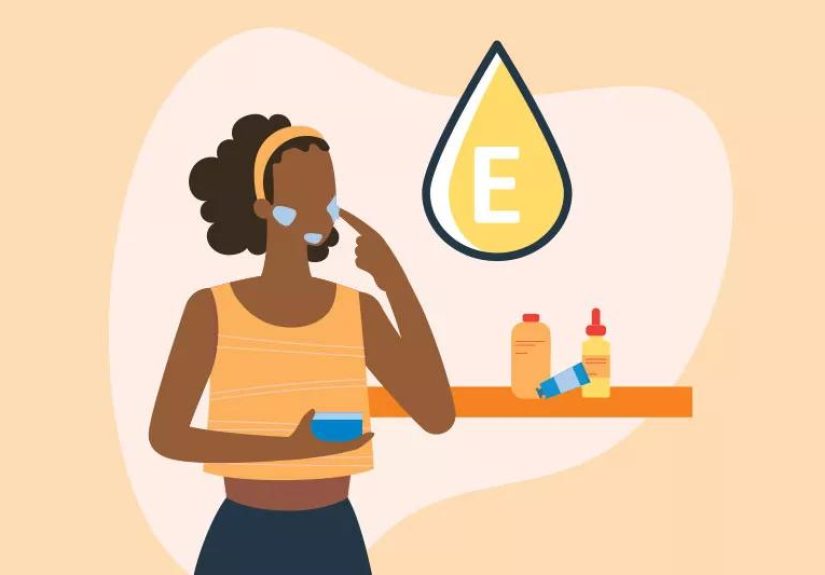
Vitamin E is a fat-soluble antioxidant, which means it helps protect oily parts of cells, including skin cell membranes, from oxidative stress. In plain English: your skin deals with tiny daily attacks from UV exposure, pollution, smoke, stress, and normal metabolism. Vitamin E helps limit some of that damage by neutralizing free radicals before they can cause more chaos. Think of free radicals as microscopic troublemakers, and vitamin E as the calm friend who says, “Let’s not turn this into a group project.”
Still, vitamin E is not magic. It will not erase wrinkles overnight, replace sunscreen, remove every scar, or turn a three-hour sleep schedule into “well-rested woodland fairy.” Its real value is supportive: it helps protect the skin barrier, supports softness, reduces moisture loss, and works especially well when used as part of a complete skin care routine.
What Is Vitamin E?
Vitamin E is not just one single ingredient. It is a family of compounds, with alpha-tocopherol being the form most commonly discussed in human nutrition. Your body needs vitamin E for normal immune function, cell protection, and healthy tissue maintenance. Because it dissolves in fat, it is found naturally in foods such as almonds, sunflower seeds, hazelnuts, peanut butter, avocado, spinach, wheat germ oil, and vegetable oils.
For skin, vitamin E matters because the outer layer of your skin contains lipidsnatural fats that help keep moisture in and irritants out. Since vitamin E is lipid-soluble, it fits beautifully into this environment. That is one reason it appears so often in creams, lotions, oils, and ointments designed for dry or stressed skin.
How Vitamin E Supports Skin Health
1. It Helps Protect Skin From Free Radical Damage
The main skin-related benefit of vitamin E is antioxidant protection. Free radicals are unstable molecules created by sun exposure, air pollution, cigarette smoke, and normal body processes. When free radicals build up, they can contribute to oxidative stress, which is associated with dullness, rough texture, uneven tone, and visible signs of skin aging.
Vitamin E helps slow this chain reaction by protecting fatty structures in the skin. This does not mean vitamin E creates an invisible force field. It means it supports your skin’s natural defense system. When combined with smart habitsdaily sunscreen, gentle cleansing, enough sleep, and a balanced dietit becomes part of a well-rounded skin health strategy.
2. It Supports the Skin Barrier
Your skin barrier is the outer protective layer that keeps water in and keeps unwanted irritants out. When the barrier is healthy, skin usually feels smoother, softer, and more comfortable. When it is damaged, skin may feel tight, flaky, itchy, or extra sensitive.
Vitamin E is often included in moisturizers because it helps condition the skin and reduce water loss. It works especially well in formulas that also contain barrier-friendly ingredients such as ceramides, glycerin, hyaluronic acid, petrolatum, shea butter, squalane, or plant oils. In other words, vitamin E is a good team player. It may not want to carry the whole routine aloneand honestly, who does?
3. It Can Help Dry Skin Feel Softer
One of the most noticeable benefits of vitamin E is improved skin softness. Topical vitamin E products can help smooth rough areas, especially when used in richer creams or ointments. This is why vitamin E appears in hand creams, body lotions, cuticle oils, and lip balms.
If your skin is dry, vitamin E may help, but texture matters. A lightweight serum with vitamin E may feel elegant on oily or combination skin, while a thicker cream may be better for elbows, knees, hands, and winter-dry cheeks. Pure vitamin E oil can feel heavy and sticky, so many people prefer it blended into a balanced moisturizer.
4. It May Calm the Look of Stressed Skin
Vitamin E has anti-inflammatory properties, which means it may help reduce the appearance of skin stress caused by dryness or environmental exposure. Some people find that moisturizers containing vitamin E make their skin feel calmer and less tight after wind, cold weather, or over-cleansing.
However, sensitive skin is picky. Some people tolerate vitamin E beautifully; others may develop redness, clogged pores, or contact dermatitis, especially from heavy oils or fragranced formulas. A patch test is the humble but heroic move here: apply a small amount to one area for a few days before putting it all over your face.
Vitamin E and Sun Damage: Helpful, But Not Sunscreen
Vitamin E is often discussed in the context of sun damage because UV rays generate free radicals in the skin. Topical antioxidants, including vitamin E, may help support the skin against some UV-related oxidative stress. Some research also suggests that vitamin E can work better when paired with vitamin C, because the two antioxidants support each other in photoprotection.
But let’s be very clear: vitamin E is not sunscreen. It does not provide broad-spectrum protection against UVA and UVB rays. Sunscreen is still the main character in the sun-protection movie. Dermatologists generally recommend a broad-spectrum sunscreen with SPF 30 or higher, plus protective clothing, shade, and reapplication when needed.
A smart morning routine may look like this: gentle cleanser, antioxidant serum or moisturizer containing vitamin E, then broad-spectrum sunscreen. Vitamin E can be a backup dancer; sunscreen is Beyoncé.
Vitamin E for Scars: What the Evidence Really Says
Vitamin E is one of the most famous ingredients people use on scars, but fame is not the same as proof. Despite its popularity, research on topical vitamin E for scar appearance is mixed and often disappointing. Some studies have found little benefit, and some people have developed irritation or contact dermatitis after applying vitamin E directly to healing skin.
This does not mean every product containing vitamin E is bad for scars. It means vitamin E should not be treated as a guaranteed scar eraser. For new wounds, the best approach is usually basic wound care: keep the area clean, protect it from sun exposure, avoid picking, and follow medical advice. For raised, dark, painful, or changing scars, a dermatologist can recommend options such as silicone gel, silicone sheets, prescription treatments, laser therapy, or other procedures.
Topical Vitamin E vs. Eating Vitamin E
Topical Vitamin E
Topical vitamin E means vitamin E applied directly to the skin through creams, serums, oils, balms, or ointments. Ingredient labels may list it as tocopherol or tocopheryl acetate. Tocopheryl acetate is a common stable form used in skin care products.
Topical vitamin E is best for supporting softness, barrier comfort, and antioxidant care. It is often more useful for dry or normal skin than acne-prone skin, depending on the formula. People with oily or breakout-prone skin may want lightweight, noncomedogenic products instead of thick oils.
Dietary Vitamin E
Eating vitamin E supports your skin from the inside, but it does not work like an instant glow filter. A balanced diet helps provide the nutrients skin needs for normal repair, immunity, and barrier function. Most adults need about 15 milligrams of vitamin E per day, and many people can get this from food.
Good dietary sources include sunflower seeds, almonds, hazelnuts, peanuts, spinach, broccoli, avocado, mango, and fortified foods. Because vitamin E is fat-soluble, it absorbs better when eaten with some fat. A spinach salad with avocado and sunflower seeds is not just “healthy lunch energy”; it is also vitamin E doing its quiet behind-the-scenes work.
Should You Take Vitamin E Supplements for Better Skin?
For most people, vitamin E supplements are not necessary for skin health unless a healthcare professional identifies a deficiency or a condition that affects fat absorption. More is not automatically better. Because vitamin E is fat-soluble, high-dose supplements can build up in the body and may increase the risk of side effects.
High doses of vitamin E may increase bleeding risk, especially for people taking blood thinners or those preparing for surgery. Supplements may also interact with certain medications. This is why the safest general approach is food first, supplement second, and only when there is a real reason.
If your goal is healthier-looking skin, you will usually get more benefit from a consistent routine: sunscreen every morning, moisturizer that fits your skin type, gentle cleansing, enough protein and healthy fats in your diet, and patience. Skin cells are not microwavable popcorn; they need time.
Who May Benefit Most From Vitamin E in Skin Care?
Vitamin E may be especially useful for people with dry skin, rough patches, dullness related to dryness, or a weakened skin barrier. It can also be helpful in body care products for hands, feet, elbows, knees, and lipsareas that often lose moisture faster or get more friction.
Mature skin may also appreciate vitamin E because natural skin lipids and moisture levels often decrease with age. In this case, vitamin E works best as part of a moisturizer that includes humectants to pull in water and occlusives to seal it in.
People with sensitive, acne-prone, or eczema-prone skin should be more careful. Vitamin E itself is not automatically irritating, but formulas matter. Fragrance, essential oils, heavy textures, and certain preservatives can trigger problems. Choose simple formulas and patch test first.
How to Use Vitamin E Safely in a Skin Care Routine
For Dry Facial Skin
Use a moisturizer containing vitamin E once or twice daily after cleansing. Apply it while the skin is slightly damp to help lock in hydration. In the morning, follow with sunscreen.
For Lips and Cuticles
A vitamin E balm can help soften lips and dry cuticles. For cracked areas, look for formulas that combine vitamin E with petrolatum, beeswax, lanolin alternatives, shea butter, or plant oils.
For Body Care
After a shower, apply a vitamin E body lotion or cream while your skin is still slightly damp. This helps reduce water loss and makes the skin feel smoother. Pay extra attention to shins, elbows, knees, and hands.
For Sensitive Skin
Start slowly. Use a small amount every other day and watch for itching, stinging, redness, bumps, or clogged pores. If irritation appears, stop using the product and consider asking a dermatologist for help.
Common Myths About Vitamin E and Skin
Myth 1: Vitamin E Oil Removes All Scars
Not reliably. Some people like how vitamin E oil feels, but evidence does not prove that it consistently improves scar appearance. It may irritate healing skin in some users.
Myth 2: Vitamin E Can Replace Sunscreen
Absolutely not. Vitamin E may support antioxidant defense, but it does not provide broad-spectrum UV protection. Use sunscreen every day when your skin is exposed to daylight.
Myth 3: More Vitamin E Means Better Skin
No. Skin health depends on balance. Too much supplemental vitamin E can be risky, while a normal food intake plus well-formulated skin care is usually enough for most people.
Myth 4: Natural Vitamin E Products Are Always Safer
“Natural” does not always mean gentle. Poison ivy is natural, and nobody is inviting it to brunch. What matters is the full formula, your skin type, and how your skin responds.
Best Ingredients to Pair With Vitamin E
Vitamin E works well with several skin-friendly ingredients. Vitamin C is a popular partner because both are antioxidants and may support protection against environmental stress. Ferulic acid is another common antioxidant used in advanced formulas. Niacinamide can support the skin barrier and improve uneven tone. Ceramides help replenish barrier lipids. Hyaluronic acid and glycerin attract water, while petrolatum, dimethicone, and shea butter help seal moisture in.
For a simple routine, you do not need every trendy ingredient in one bottle. A gentle cleanser, a moisturizer with barrier support, and daily sunscreen already put you ahead of many complicated routines that look fancy but behave like a chemistry experiment in a bathroom cabinet.
Experience-Based Notes: What Real-Life Vitamin E Use Often Looks Like
In everyday skin care, vitamin E tends to shine most when expectations are realistic. People often notice its benefits first in places where dryness is obvious: hands after frequent washing, lips in cold weather, elbows that feel like they have been lightly sandpapered, or cheeks that become tight after cleansing. A vitamin E cream or balm can make these areas feel more comfortable within a short time because it helps soften and condition the surface.
A common experience is that vitamin E feels more impressive in a finished product than as a pure oil. Pure vitamin E oil can be thick, sticky, and slow to absorb. Some users love that rich texture for small areas such as cuticles or cracked knuckles. On the face, however, it may feel heavy, especially for people with oily or acne-prone skin. A balanced moisturizer usually gives the same comfort with fewer “why is my pillowcase shiny?” moments.
Another real-world lesson: vitamin E is not a quick-fix ingredient. It supports skin over time. Someone using a vitamin E moisturizer for dry skin may notice better softness within days, but antioxidant and barrier benefits are more about consistency than instant drama. The best results usually happen when vitamin E is paired with boring-but-brilliant habits: wearing sunscreen, cleansing gently, moisturizing before skin feels painfully dry, and not attacking every blemish like it owes you money.
People also learn quickly that formula quality matters. A fragrance-heavy vitamin E cream may irritate sensitive skin, while a simple, fragrance-free product may feel soothing. A lightweight lotion may be perfect in humid weather, while a richer cream may be better during winter or after swimming. Skin care is seasonal, personal, and occasionally moodylike a houseplant with Wi-Fi.
For scars, experience often varies widely. Some people feel that massaging a vitamin E product makes a scar feel softer, but the benefit may come from massage, moisture, and time rather than vitamin E itself. Others develop itching or redness. That is why applying vitamin E to fresh surgical wounds or irritated skin without guidance is not the best move. For stubborn scars or dark marks, professional advice is more reliable than bathroom-cabinet experiments.
The most practical experience-based takeaway is simple: vitamin E is useful, but it is not a miracle worker. It belongs in the “supportive ingredient” category. Use it to help protect, moisturize, and soften skin. Do not expect it to replace sunscreen, medical treatment, or a complete routine. When used wisely, vitamin E can be the quiet, dependable ingredient that helps your skin feel a little calmer, smoother, and better cared forno cape required.
Conclusion
Vitamin E supports your skin’s health mainly through antioxidant protection, barrier support, and moisture retention. It helps defend skin lipids from oxidative stress, softens dry areas, and can make moisturizers more comforting. It may also work well with vitamin C and other antioxidants in daytime skin care.
The key is using it realistically. Vitamin E is helpful, but it is not sunscreen, not a guaranteed scar treatment, and not a reason to take high-dose supplements without medical guidance. For most people, the best plan is to get vitamin E through foods, use well-formulated topical products when needed, patch test new products, and build a consistent routine around sunscreen and barrier-friendly moisture.
Note: This article is for educational purposes only and should not replace advice from a dermatologist or qualified healthcare professional, especially for persistent irritation, wounds, severe acne, eczema, allergic reactions, or questions about supplements and medication interactions.