Table of Contents >> Show >> Hide
- Introduction: When Your Bottom Sends a Red Alert
- First: Make Sure It Really Sounds Like Hemorrhoid Bleeding
- Way 1: Calm the Irritated Area and Protect the Skin
- Way 2: Soften Stools and Stop Straining
- Way 3: Get Medical Treatment for Bleeding That Keeps Coming Back
- Common Mistakes That Make Bleeding Hemorrhoids Worse
- Foods That May Help Prevent Future Bleeding
- How Long Does Hemorrhoid Bleeding Take to Stop?
- Practical Experience: What People Often Learn While Managing Bleeding Hemorrhoids
- Conclusion: Stop the Bleeding, Then Stop the Cycle
- SEO Tags
Note: This article is for educational purposes only and should not replace medical advice. Rectal bleeding should be taken seriously, especially if it is new, heavy, recurring, or accompanied by pain, dizziness, weakness, fever, black stool, or unexplained weight loss.
Introduction: When Your Bottom Sends a Red Alert
Bleeding hemorrhoids are one of those health problems nobody wants to discuss at brunch, yet millions of people deal with them. You go to the bathroom, notice bright red blood on the toilet paper or in the bowl, and suddenly your brain turns into a medical search engine with panic mode enabled. The good news: hemorrhoids are common, and mild bleeding often improves with simple, evidence-based care. The important news: not every case of rectal bleeding is “just hemorrhoids,” so knowing when to treat at home and when to call a doctor matters.
Hemorrhoids are swollen veins in the anus or lower rectum. Internal hemorrhoids are inside the rectum and often bleed without much pain. External hemorrhoids develop under the skin around the anus and may cause itching, swelling, tenderness, or discomfort. Bleeding usually happens when hard stool, straining, friction, or prolonged toilet sitting irritates those swollen veins. In plain English, your bathroom routine and your hemorrhoids may be having a very dramatic disagreement.
This guide explains three practical ways to stop bleeding hemorrhoids: calm the irritated area, soften your stools and fix bathroom habits, and get medical treatment when bleeding keeps coming back. The goal is not only to stop today’s bleeding but also to prevent tomorrow’s surprise performance.
First: Make Sure It Really Sounds Like Hemorrhoid Bleeding
Bleeding from hemorrhoids is often bright red and appears after a bowel movement. You may notice it on toilet paper, on the surface of stool, or as a few drops in the toilet bowl. However, rectal bleeding can also come from anal fissures, infections, inflammatory bowel disease, polyps, diverticular bleeding, or colorectal cancer. That does not mean you should panic every time you see red, but it does mean you should not automatically diagnose yourself based on vibes and a bathroom mirror.
Call a healthcare provider promptly if:
- The bleeding is new or happens repeatedly.
- You see a large amount of blood or bleeding does not stop.
- You feel dizzy, weak, faint, short of breath, or unusually tired.
- Your stool is black, tar-like, maroon, or mixed with blood.
- You have severe pain, fever, belly pain, vomiting, or unexplained weight loss.
- You are pregnant, take blood thinners, have anemia, or have a personal or family history of colon disease.
If symptoms are mild and clearly linked to hemorrhoid irritation, the following three methods can help reduce bleeding and discomfort.
Way 1: Calm the Irritated Area and Protect the Skin
When hemorrhoids bleed, the area is often irritated, inflamed, or rubbed raw by wiping, straining, or passing hard stool. The first goal is simple: reduce irritation. Think of it as convincing an angry smoke alarm to stop screaming by removing the smoke, not by yelling at the ceiling.
Use a warm sitz bath
A sitz bath means sitting in a few inches of warm water so the anal area can relax and clean gently. You can use a small plastic sitz bath that fits over the toilet or sit in a clean bathtub with shallow warm water. Soak for about 10 to 20 minutes, especially after bowel movements. Warm water may ease itching, soreness, and sphincter tension, which can make the area feel less irritated.
Avoid hot water. Your hemorrhoids do not need a spa day in a volcano. Warm is enough. After soaking, gently pat the area dry with a soft towel or unscented tissue. Rubbing can worsen irritation and may restart bleeding.
Try a cold compress for swelling
For external swelling or tenderness, a cold compress may help. Wrap an ice pack or cold pack in a clean cloth and apply it for short periods, such as 10 to 15 minutes. Do not place ice directly on the skin, because cold injury is real and your backside has already filed enough complaints for the week.
Clean gently after bowel movements
Harsh wiping can turn a small hemorrhoid problem into a bigger irritation problem. Use soft, unscented toilet paper, a bidet, a squeeze bottle of lukewarm water, or fragrance-free wipes. Avoid perfumed wipes, dyed paper, rough scrubbing, and strong soaps. The skin around the anus is sensitive; treating it like a kitchen counter is not a winning strategy.
Use over-the-counter products carefully
Over-the-counter hemorrhoid creams, ointments, suppositories, witch hazel pads, or numbing products may reduce itching, swelling, or discomfort. Hydrocortisone products can help with inflammation, but they should generally be used only for a short time unless a clinician tells you otherwise. Follow the package directions. If symptoms last longer than a week, worsen, or cause a rash or burning, stop using the product and contact a healthcare provider.
This first method can help calm active irritation, but it does not solve the root cause if hard stools and straining keep irritating the hemorrhoid. For that, we move to the real bathroom MVP: fiber.
Way 2: Soften Stools and Stop Straining
If bleeding hemorrhoids had a villain origin story, constipation would be in the opening scene. Hard stool, pushing, and sitting too long on the toilet increase pressure in the rectal area. That pressure can enlarge hemorrhoids, irritate them, and trigger bleeding. Softer, bulkier stools pass with less effort, which gives hemorrhoids a chance to settle down.
Increase fiber slowly
Fiber helps stool hold water, making it softer and easier to pass. Good sources include oats, beans, lentils, berries, apples with skin, pears, vegetables, whole grains, chia seeds, and ground flaxseed. Many adults aim for about 25 to 38 grams of fiber per day, depending on age and sex, but jumping from “barely any fiber” to “fiber champion of the universe” overnight may cause gas and bloating. Add fiber gradually over several days or weeks.
If food alone is not enough, a fiber supplement such as psyllium, methylcellulose, or wheat dextrin may help. Psyllium is commonly used because it adds bulk and softness. Take fiber supplements with plenty of water. Otherwise, fiber can backfire and make constipation worse, which is not the plot twist we want.
Drink enough fluids
Fiber works best when paired with fluids. Water helps keep stool soft and easier to pass. You do not need to turn yourself into a walking aquarium, but pale-yellow urine and regular thirst awareness are practical signs that hydration is on track. People with kidney, heart, or fluid-restricted conditions should ask a clinician how much fluid is appropriate.
Do not camp on the toilet
The toilet is not a reading chair, gaming station, email desk, or social media throne. Sitting too long increases pressure on rectal veins. Try to keep bathroom visits purposeful. Go when you feel the urge, relax, breathe, and avoid forcing. If nothing happens after a few minutes, get up and try again later.
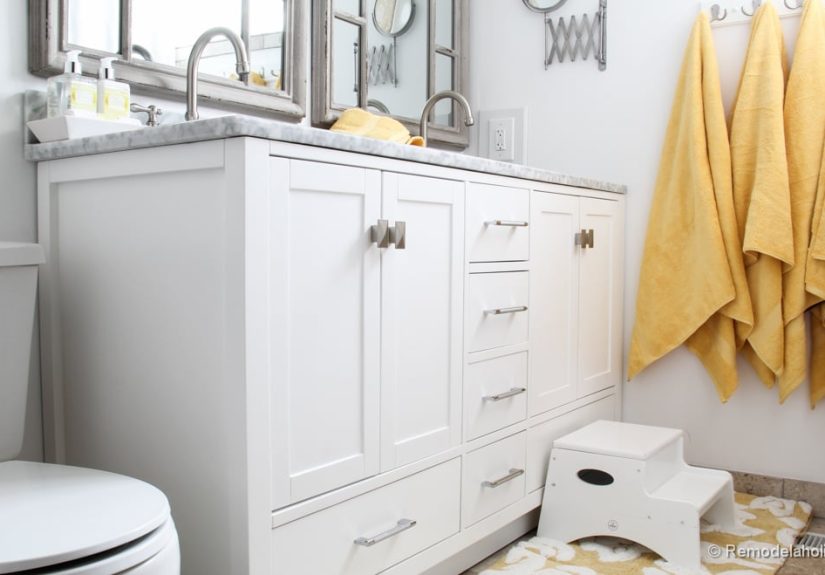
One helpful habit is placing your feet on a small stool while sitting on the toilet. This position can bring the knees slightly above the hips and may make bowel movements easier for some people. No dramatic yoga pose required; just a small footrest and a little patience.
Consider a stool softener when needed
For short-term constipation, a stool softener may help reduce straining. This can be useful after surgery, during painful hemorrhoid flare-ups, or when hard stool keeps triggering bleeding. However, laxatives and stool softeners are not all the same, and some are not meant for long-term use. Ask a pharmacist or healthcare provider if you are unsure, especially if you take other medicines or have ongoing digestive symptoms.
When stools are soft, bowel movements are easier. When bowel movements are easier, hemorrhoids are less likely to bleed. It is not glamorous, but it is one of the most effective long-term strategies.
Way 3: Get Medical Treatment for Bleeding That Keeps Coming Back
Home care can do a lot, but it has limits. If bleeding continues, returns often, or comes with prolapse, pain, or a lump that does not improve, it is time to involve a healthcare professional. This is not defeat. This is upgrading from “bathroom detective” to “actual diagnosis.”
What a doctor may check
A clinician may ask about your symptoms, bowel habits, diet, medications, family history, and how the bleeding looks. They may perform a visual exam, digital rectal exam, anoscopy, sigmoidoscopy, or colonoscopy depending on your age, risk factors, and symptoms. The goal is to confirm hemorrhoids and rule out other causes of bleeding.
Office procedures for bleeding internal hemorrhoids
If internal hemorrhoids are the cause and conservative care is not enough, several office-based procedures may help:
- Rubber band ligation: A clinician places a small band around the base of an internal hemorrhoid to cut off its blood supply. The hemorrhoid shrinks and falls off over time.
- Sclerotherapy: A solution is injected to shrink hemorrhoid tissue.
- Infrared coagulation or electrocoagulation: Heat or electrical energy is used to reduce blood flow to hemorrhoid tissue.
These treatments are usually done in an outpatient setting. They are commonly used for internal hemorrhoids that bleed or prolapse. Your provider will recommend an option based on the hemorrhoid’s size, symptoms, location, and your overall health.
When surgery may be considered
Surgery is usually reserved for severe, recurrent, prolapsing, mixed internal-external hemorrhoids, or cases that do not respond to simpler treatments. A hemorrhoidectomy removes extra tissue that causes bleeding or protrusion. Other procedures may be considered depending on the case. Surgery can be effective, but recovery may involve pain and downtime, so it is not usually the first stop on the treatment train.
The key message: if bleeding does not improve with good home care, do not keep repeating the same routine and hoping your hemorrhoids suddenly become polite. Get evaluated.
Common Mistakes That Make Bleeding Hemorrhoids Worse
Ignoring constipation
Creams may soothe symptoms, but they cannot fix hard stools. If you only treat the skin and ignore the stool, you may keep reopening the same irritation. Fiber, fluids, movement, and better toilet habits are the foundation.
Using too many products
Layering creams, wipes, ointments, essential oils, and mystery internet remedies can irritate the area. More products do not always mean more healing. Sometimes the skin wants fewer chemicals and more kindness.
Scrubbing after bleeding
It is natural to want to clean thoroughly, but aggressive wiping can worsen bleeding. Rinse gently, pat dry, and keep the area clean without friction.
Delaying medical care
Many people assume rectal bleeding is hemorrhoids because hemorrhoids are common. But common does not mean guaranteed. Persistent or unexplained bleeding deserves medical attention, especially in adults over screening age or anyone with risk factors.
Foods That May Help Prevent Future Bleeding
A hemorrhoid-friendly diet focuses on preventing constipation and reducing straining. Add fiber-rich foods gradually and drink enough fluids throughout the day.
Helpful choices include:
- Oatmeal with berries and ground flaxseed
- Beans, lentils, and chickpeas
- Whole-grain bread, brown rice, and quinoa
- Apples, pears, oranges, and prunes
- Leafy greens, broccoli, carrots, and sweet potatoes
- Soups, stews, and water-rich fruits such as melon
Some people notice that heavy alcohol intake, low-fiber fast food, excessive cheese, or very spicy meals worsen symptoms. Food triggers vary, so pay attention to your own pattern. A simple food-and-symptom note on your phone can reveal more than a dramatic late-night internet search spiral.
How Long Does Hemorrhoid Bleeding Take to Stop?
Mild bleeding may improve within a few days once irritation decreases and stools become softer. However, swollen hemorrhoids can take longer to calm down, especially if constipation continues. If bleeding lasts more than a few days, returns frequently, or does not clearly improve with fiber, fluids, sitz baths, and gentle care, schedule a medical visit.
Also, do not judge severity only by how the toilet water looks. A few drops of bright red blood can look dramatic in water. At the same time, ongoing bleeding should never be brushed aside. The safest approach is to treat mild symptoms sensibly and get checked when bleeding is new, persistent, heavy, or concerning.
Practical Experience: What People Often Learn While Managing Bleeding Hemorrhoids
One of the biggest real-life lessons about bleeding hemorrhoids is that tiny daily habits matter more than heroic one-day fixes. Many people try a cream first, feel a little better, then go right back to low-fiber meals, long toilet sessions, and pushing like they are trying to launch a rocket. A week later, the bleeding returns, and the hemorrhoid is blamed for being “stubborn.” In reality, the hemorrhoid may simply be reacting to the same pressure and irritation over and over.
A practical routine often works better than panic care. For example, someone who notices bright red bleeding after a hard bowel movement might start with a warm sitz bath, switch to gentle cleaning, drink more water, and add oatmeal, beans, fruit, or a fiber supplement over the next few days. They may also stop scrolling on the toilet and respond sooner when the urge to go appears. These changes sound boring, but boring is underrated when your goal is a calm bathroom experience.
Another common experience is learning that “clean” does not mean “scrubbed into another dimension.” People often wipe too much after seeing blood because they want to make sure the area is clean. Unfortunately, repeated wiping can irritate the skin and restart bleeding. A bidet, squeeze bottle, or unscented moist wipe followed by gentle patting can feel much better. Your skin does not need a punishment ceremony; it needs a peace treaty.
People also discover that fiber is powerful but not instant magic. Adding too much too fast can cause gas, bloating, and regret. A smarter approach is gradual: add one fiber-rich meal, drink more water, and increase slowly. The goal is soft, formed stool that passes without straining. If stool becomes too loose, too hard, or unpredictable, adjust the plan and ask a clinician if symptoms continue.
Many patients feel embarrassed to talk about hemorrhoids, but healthcare providers hear about rectal bleeding all the time. To them, this is routine medical information, not a scandal. A clear description helps: when the bleeding started, how often it happens, whether the blood is bright red, whether there is pain, whether there is a lump, and what your bowel movements are like. This kind of detail helps separate hemorrhoids from fissures, infection, inflammation, or other causes.
The final experience-based lesson is simple: do not let embarrassment delay care. If bleeding keeps returning, if symptoms are severe, or if your gut tells you something is off, make the appointment. The best outcome is that it is a manageable hemorrhoid and you get a solid plan. The second-best outcome is catching another problem early. Either way, knowledge beats guessing, and your bathroom should not have to become a suspense thriller.
Conclusion: Stop the Bleeding, Then Stop the Cycle
Bleeding hemorrhoids can be alarming, uncomfortable, and deeply inconvenient, but mild cases often improve with three smart steps: calm the area, soften stools, and seek medical treatment when bleeding persists or returns. Warm sitz baths, gentle cleaning, short-term over-the-counter products, fiber, fluids, and better toilet habits can reduce irritation and prevent straining. For ongoing bleeding, office procedures such as rubber band ligation, sclerotherapy, or coagulation may provide longer-lasting relief.
The most important point is not to assume all rectal bleeding is harmless. Hemorrhoids are common, but they are not the only possible cause. Treat mild symptoms carefully, watch for warning signs, and get professional care when symptoms do not improve. Your body is giving you information. Listen to it before it starts sending messages in all caps.