Table of Contents >> Show >> Hide
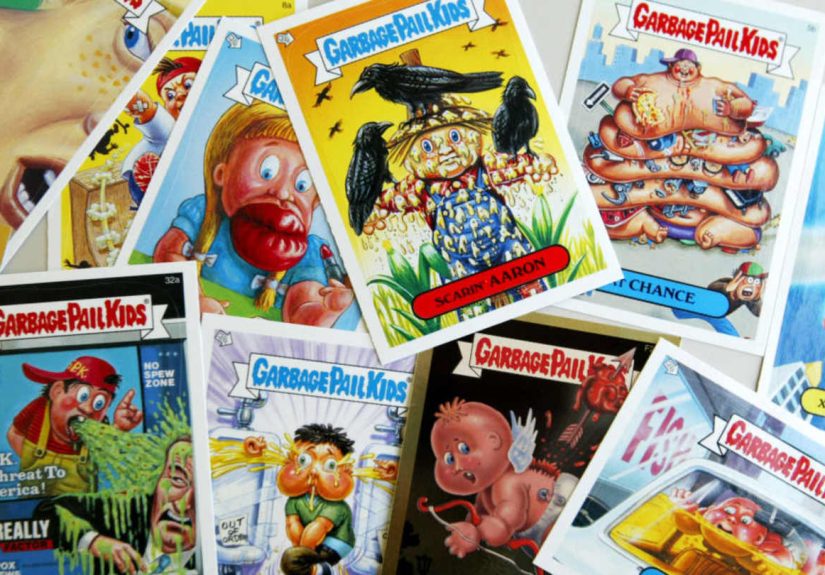
If you grew up in the 1980s, there is a decent chance Garbage Pail Kids were either your prized possession, your parents’ least favorite purchase, or the reason a teacher once gave you the look. These gloriously gross trading cards were messy, rude, weird, and impossible to ignore. Decades later, they are also surprisingly collectible.
And no, this is not one of those “your old cards could be worth millions” fairy tales that ends with a common card and a broken dream. With Garbage Pail Kids, real value usually comes down to a few very specific ingredients: iconic artwork, first-series popularity, scarce variations, brutal condition sensitivity, and the kind of nostalgia that makes grown adults say things like, “I swear I had that one in a shoebox.”
Before we start, one important reality check: the phrase most valuable Garbage Pail Kids cards is a moving target. A PSA 9 or PSA 10 example can live in a very different financial zip code than a worn raw copy with gum stains and childhood trauma. Some modern one-of-one Chrome and SuperFractor versions can also leapfrog classic originals. So instead of pretending there is one eternal ranking carved into stone by a sticky trading-card oracle, this list focuses on 11 cards that repeatedly show up in serious collector conversations because of demand, scarcity, iconic status, or all three at once.
Why Garbage Pail Kids Cards Can Be Worth So Much
Garbage Pail Kids debuted in 1985 as Topps’ gleefully disgusting parody of the Cabbage Patch Kids craze. That alone gave the brand instant cultural heat, but the cards did not become valuable just because they were popular. They became valuable because many of them were handled exactly the way children handle stickers: peeled, bent, stuffed in pockets, traded at recess, or fused forever to a Trapper Keeper.
Condition is the big deal here. Centering can be rough on early series cards. Wax stains and gum damage are common. Sharp corners are rare. Clean surfaces are rarer. And when you stack all of that against a card everyone remembers, prices can go from “fun little vintage collectible” to “why is this tiny gross child worth more than my car payment?” surprisingly fast.
Another wrinkle is the classic GPK A-name/B-name setup. Two cards often share the same artwork but carry different names and card numbers. Add in glossy and matte finishes, checklist backs, print quirks, and famous errors, and suddenly collecting Garbage Pail Kids feels less like buying stickers and more like solving a very sticky puzzle.
11 of the Most Valuable Garbage Pail Kids Cards
1. Nasty Nick (#1a)
If you want a headline act, this is one. Nasty Nick sits at the very front of the original numbering, which gives him instant prestige in the hobby. First card energy matters. Collectors love “the first one,” and Nasty Nick is exactly that kind of trophy.
The artwork is memorable, the card is historically important, and high-grade copies have shown real muscle in the market. The best examples can climb into serious four-figure territory, while even lower grades often attract strong interest. That combination of iconic status and grading scarcity keeps Nasty Nick near the top of almost every conversation about valuable original Garbage Pail Kids cards.
2. Adam Bomb (#8a)
Adam Bomb is the face of the franchise. Not a face. The face. If Garbage Pail Kids had a Mount Rushmore, Adam Bomb would somehow occupy four spots and still complain about the lighting.
Collectors adore this card because the image became a symbol of the brand itself. It was used heavily in promotional materials, and the artwork has stayed iconic for decades. That means Adam Bomb is not just a collectible card; it is the Garbage Pail Kids card for many collectors. In lower grades it is still desirable, but in strong graded condition it becomes one of the hobby’s crown jewels.
3. Evil Eddie (#1b)
Evil Eddie shares artwork DNA with Nasty Nick and benefits from many of the same strengths: first-series status, early numbering, brand recognition, and collector demand for the earliest cards in a beloved release.
There is also something charmingly absurd about how often the hobby treats A-name and B-name twins like cousins raised in different zip codes. Same picture, different market personality. Evil Eddie is one of those examples where the companion card is not some forgotten sidekick. It is a serious chase piece in its own right, especially in clean, well-centered, graded condition.
4. Blasted Billy (#8b)
If Adam Bomb is the franchise mascot, Blasted Billy is the sibling who borrows the car and somehow returns with more followers on social media. Same art, different name, still hugely collectible.
Blasted Billy matters because the Adam Bomb image is so culturally loaded within GPK collecting. Some collectors chase both versions of the artwork, and scarcity in certain finishes or backs can make Billy more interesting than casual fans expect. This is the kind of card people underestimate until they start studying actual sales and collector behavior.
5. Semi Colin No-Number Error
Now we are entering the delightful swamp of Garbage Pail Kids errors, where printing mishaps become hobby royalty. Semi Colin is famous because the real prize version is the no-number error. This is not just a quirky footnote. It is one of the most talked-about GPK errors ever.
Error collectors love it. GPK collectors love it. Scarcity fans love it. People who enjoy saying, “Wait, where’s the number?” also love it, though that may be a smaller group. The ordinary card is one thing, but the error version is the one that gets collectors leaning forward. When authentic, recognizable, and in attractive shape, it can be one of the most expensive oddball Garbage Pail Kids cards on the board.
6. Jay Decay (#5b)
Jay Decay is a perfect example of how first-series horror-comedy art can age into collector gold. The image is unforgettable, the card sits in a prized early run, and collectors consistently treat it as a stronger card than non-hobby fans might assume.
It also helps that Jay Decay belongs to the kind of artwork that screams “classic GPK.” If someone asks what made the brand so gleefully wrong in the best possible way, this card is a strong exhibit. In top grades, it can punch far above what a casual observer would expect from a trading card featuring a child who looks like he lost an argument with a graveyard.
7. Dead Ted (#5a)
Dead Ted is Jay Decay’s artistic twin and another collector favorite from the first series. Some buyers prefer one name over the other, some chase both, and some decide this is the week they finally need a matched pair because adulthood is about making brave financial choices.
As with many key early Garbage Pail Kids cards, Dead Ted benefits from scarcity in premium grades. The childhood reality of peeling, trading, pocket-carrying, and gum exposure means pristine copies do not grow on trees. Or in trash cans. Or in any other thematically appropriate location.
8. Mean Gene (#41a)
Collectors often focus on the beginning of a set, but savvy hobbyists know the final cards in a run can be sneaky tough and highly desirable. Mean Gene is one of those cards that rewards people who go beyond the obvious stars.
This card has long had a reputation as a sought-after late-series original, especially for advanced collectors chasing strong full runs of early Garbage Pail Kids. It may not be as instantly famous as Adam Bomb, but within the hobby it carries real respect. Think of it as the deep-cut track that actual fans insist is better than the radio single.
9. Buggy Betty (#39a)
Buggy Betty is not just memorable because the artwork is peak nightmare fuel. It is also one of those first-series cards that keeps showing up when collectors discuss standout originals with lasting demand.
The value story here is familiar but important: early-series placement, recognizable art, and tough condition combine to create a card that can jump sharply in price once grading enters the chat. Raw copies can be affordable. High-grade copies can absolutely stop you mid-scroll on a marketplace listing.
10. Stinky Stan (#22b)
Stinky Stan proves that the Garbage Pail Kids market is not only about the biggest poster-card names. Sometimes a card becomes valuable because it checks several collector boxes at once: first series, vivid art, nostalgic recognition, and a grade-sensitive supply curve.
In ordinary condition, this is still a fun pickup. In strong graded condition, it becomes a much more serious collectible. That split is exactly why vintage GPK can be tricky for newcomers. You look up a card, see one price, then see a slabbed version and suddenly feel like the hobby has started speaking in riddles.
11. Corroded Carl Chrome SuperFractor
This is the modern curveball, and it deserves a seat at the table. Vintage originals still dominate nostalgic value discussions, but when Topps revisited classic Garbage Pail Kids in Chrome, the introduction of ultra-scarce premium parallels changed the ceiling for specific cards.
A Corroded Carl Chrome base card is not the story. The real story is the one-of-one SuperFractor-style chase version. Modern collectors love rarity, Chrome sheen, serial-limited drama, and the phrase “there is only one.” That is how a character from a classic original series can return in a modern form and become a true unicorn. If you are discussing valuable Garbage Pail Kids cards in the broadest market sense, ignoring these one-of-one Chrome monsters would be like ranking horror movies and forgetting the one with the chainsaw.
What Actually Drives Garbage Pail Kids Card Value?
The shortest answer is this: not all old Garbage Pail Kids cards are worth a fortune, but the right card in the right condition absolutely can be. A few factors matter more than everything else.
First, iconic artwork. Adam Bomb is the perfect example. Some images became symbols of the entire brand, and the market treats them accordingly.
Second, early-series status. Series 1 and other early original releases carry the most collector heat. The closer a card is to the roots of the brand, the better its odds of being chased.
Third, condition. Centering, corners, stains, surface wear, and whether the sticker was ever peeled can change the value dramatically. A card that looks merely “pretty good for its age” may still fall far short of premium money.
Fourth, variations and errors. Checklist backs, finish differences, and famous errors like the Semi Colin no-number version can create a huge gap between two cards that look almost identical to a casual eye.
Fifth, grading. PSA and other major grading companies matter in this market because high-grade vintage GPK is genuinely difficult to find. When a clean copy gets authenticated and slabbed, buyers gain confidence, and the price often follows.
Should You Sell or Hold Valuable Garbage Pail Kids Cards?
If you have a pile of old Garbage Pail Kids cards, do not sprint to list everything at once. Slow down. Sort the early series. Pull anything with star names like Adam Bomb, Nasty Nick, and other first-series favorites. Look for unusual backs, possible errors, and cards that seem surprisingly sharp and centered.
If the card is truly clean, grading may be worth considering. If it is creased, stained, or off-center, it can still have value, but you should calibrate expectations. Vintage GPK collectors absolutely buy lower-grade cards, especially for iconic characters. They just pay on a very different scale.
The smartest approach is usually simple: identify the best cards, compare recent graded and ungraded sales, and do not assume every gross little sticker is secretly paying for a tropical vacation. Sometimes it is. Usually it is not. But when it is, it is glorious.
The Experience of Chasing Valuable Garbage Pail Kids Cards
There is something weirdly magical about hunting Garbage Pail Kids cards, and that magic does not disappear just because the hobby has matured into grades, auction data, and population reports. If anything, the chase gets funnier. You are essentially walking around antique malls, card shows, flea markets, estate sales, and online marketplaces hoping to discover that a tiny cardboard picture of a grotesque child is worth serious money. If that is not one of the most delightfully absurd collector experiences on earth, I do not know what is.
The first thrill is recognition. You flip through a binder, see Adam Bomb staring back at you, and suddenly your brain time-travels. Even if the card is not mint, it still feels like finding a fossil from the golden age of rude childhood humor. That emotional hit is a huge part of the Garbage Pail Kids experience. These cards are not sterile investments. They are memory grenades.
Then comes the second thrill: inspection. The casual observer sees a funny old sticker. The collector suddenly becomes a detective. Are the borders centered? Is there wax staining? Are the corners sharp? Is the surface clean? Is this a glossy or matte version? Is that a checklist back? Did I just find an error card, or am I hallucinating because I have been staring at tiny name bars for 40 minutes? This is where the hobby turns from nostalgia into obsession.
And then there is the marketplace drama. You look up prices and discover that one copy of a card sold for a modest amount while another, graded high, sold for a number that makes you sit up straight. That is the emotional roller coaster of GPK collecting in a nutshell. One moment you are holding a lovable old relic. The next moment you are gently placing it in a sleeve like it is a museum artifact that might sneer at fingerprints.
What makes the experience especially fun is that Garbage Pail Kids collecting never feels entirely formal. Even when serious money is involved, the cards themselves remain gleefully ridiculous. You can have a very adult conversation about scarcity, grading standards, and long-term demand while also saying the sentence, “I think this exploding-headed child has a better chance at a PSA 8 than the vampire kid.” That contrast is half the charm.
For many collectors, the best part is not even the sale. It is the moment of discovery, the research spiral, the comparison of variants, and the realization that these gross-out icons aged into legitimate hobby pieces. Garbage Pail Kids cards still feel rebellious, even in top loaders. They are rude, nostalgic, and a little chaotic, which is exactly why people love chasing them. The hobby may be older now, but the thrill still smells wonderfully like wax packs, bad decisions, and victory.
Conclusion
The most valuable Garbage Pail Kids cards are not just old stickers with creepy smiles and terrible hygiene. They are little pieces of pop-culture history. Cards like Nasty Nick, Adam Bomb, Evil Eddie, Jay Decay, and the Semi Colin no-number error have become hobby standouts because they mix nostalgia, scarcity, and unmistakable identity in one small cardboard package.
If you are sorting an old collection or building a new one, the lesson is simple: look closely. The right Garbage Pail Kids card can still be a genuine score, especially if it is from an early series, tied to an iconic image, or hiding a scarce variation. In other words, the trash might actually be treasure. Which feels very on-brand.