Table of Contents >> Show >> Hide
If you have ever stared at your canary and thought, “You sing like a tiny opera star, but are you a gentleman or a lady?” welcome to the club. Figuring out whether a canary is male or female sounds simple until you realize canaries do not come with name tags, tiny driver’s licenses, or a helpful subtitle floating over their heads. Unlike some bird species, canaries are not especially obvious to sex by color alone, which means owners usually have to play detective.
The good news is that you do not need to guess wildly and start assigning gender based on vibes. There are practical ways to tell, and some are much more reliable than others. In general, the best clues come from song, breeding behavior, and veterinary testing. The trick is understanding what each clue can really tell you and where it can fool you.
In this guide, you will learn the three best ways to know if a canary is male or female, when each method works best, and why your bird may still manage to keep the mystery alive a little longer than you would prefer. Think of it as bird detective work, only with more chirping and less dramatic music.
Why It Matters to Know Your Canary’s Sex
Some people only want to know out of curiosity. Others want a canary that sings beautifully, want to avoid accidental breeding, or want to understand changes in behavior during breeding season. Knowing the sex of your canary can also help you make better decisions about housing, nutrition, and veterinary care.
For example, many owners buy a canary hoping for those famous rolling songs, only to discover their bird prefers a modest chirp and a private life. On the other hand, some owners assume they have a male until one day their “little prince” lays an egg and completely rewrites the family story. Birds have a flair for plot twists.
Way #1: Listen to the Song
If there is one classic clue people rely on, it is singing. In many cases, this is the easiest everyday method for telling a male canary from a female canary. Mature male canaries are generally the singers. They produce longer, fuller, more elaborate songs with trills, rolls, and repeated patterns. Female canaries usually make shorter chirps, calls, or fragmented sounds instead of a rich, sustained song.
What a Male Canary’s Song Usually Sounds Like
A male canary often sounds like he is auditioning for a tiny feathered talent show. His song is more complex, more musical, and more persistent. He may sing from a perch for several minutes at a time, especially when he is healthy, mature, comfortable in his environment, and feeling a little romantic. If your bird breaks into long, confident melodies on a regular basis, there is a strong chance you are hearing a male.
What a Female Canary Usually Sounds Like
A female canary is usually more understated. Rather than producing a full song, she tends to chirp, peep, or make short vocal phrases. That does not mean she is silent. It just means she usually is not turning the room into a one-bird concert hall. Think less “headline performer,” more “polite commentary from the audience.”
Why Song Alone Is Not Perfect
This is where many owners get tripped up. A male canary may not sing much if he is young, stressed, sick, molting, adjusting to a new home, or housed in a way that changes his behavior. Some males also go quiet when placed with a female. Meanwhile, an occasional female can make sounds that confuse beginners and make everyone in the house start arguing like bird lawyers.
Age matters too. Young canaries may produce immature or inconsistent vocalizations before their adult patterns settle in. So if you are trying to sex a juvenile bird, do not expect instant certainty. A bird that is quiet today may simply be too young, too nervous, or too busy dealing with a molt to give you a straight answer.
When to Trust This Method
Song is most useful when your canary is mature, healthy, and settled into a stable environment. If your bird sings long, structured, repeated songs over time, that is one of the strongest non-medical clues that you have a male. If your bird only chirps or produces broken little sound snippets, female is more likely. Still, this method is best used as a strong hint rather than a courtroom verdict.
Way #2: Watch Behavior During Breeding Season
The second way to tell if a canary is male or female is to observe behavior, especially during breeding season. Hormones have a funny way of turning subtle birds into very obvious birds. When canaries come into breeding condition, males and females often behave differently.
Female Canary Behavior
A female canary commonly shows more interest in nesting behavior. She may begin carrying nesting material, shredding paper or soft fibers, investigating nest areas, crouching in a breeding posture, or acting more focused on preparing a safe place for eggs. If your bird suddenly becomes an interior designer with very strong opinions about basket placement, that is a clue worth noticing.
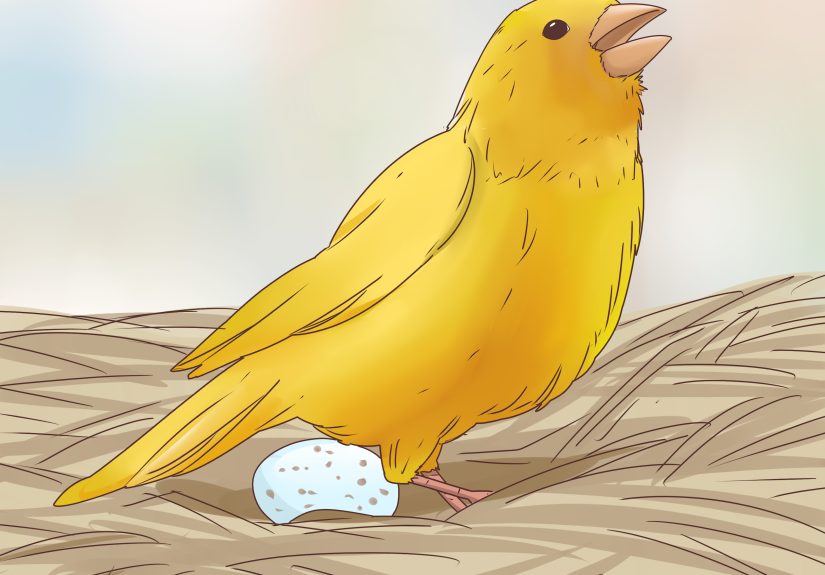
And yes, the most obvious sign of all is egg laying. If your canary lays an egg, congratulations, the mystery is over. That bird is female. No committee meeting required.
Male Canary Behavior
A male canary usually leans harder into courtship and song. He may sing more intensely, posture more, show increased territorial behavior, or appear especially alert around a nearby female. Some males also engage in feeding behavior or display excitement when a female is in breeding condition.
In plain English, the male often acts like he is trying to impress someone, while the female often acts like she is preparing for motherhood or nest setup.
Can You Tell by the Vent Area?
Experienced breeders sometimes inspect the cloacal or vent area during breeding condition to look for physical differences. This is often called vent sexing. You may hear claims that a male appears more pointed or prominent while a female appears flatter or rounder, especially when birds are in breeding condition.
However, this method is easy to get wrong, especially with young birds, birds out of breeding condition, or birds handled by inexperienced owners. It also requires careful restraint, and rough handling can stress or injure a canary. In other words, this is not the place to become a self-appointed bird gynecologist after watching one video and feeling unusually confident.
If you are not experienced, it is smarter to treat vent observation as a minor clue rather than a final answer. Behavioral patterns are safer to observe and usually more useful for the average pet owner.
When to Trust This Method
Behavior is most helpful when your canary is sexually mature and the season, light cycle, and environment are encouraging breeding behavior. Outside those periods, behavior may be much less revealing. A calm bird in winter may simply be a calm bird in winter, not a bird hiding a secret identity.
Way #3: Get a DNA Test or Avian Vet Exam
If you want the most accurate answer, skip the detective hat and go straight to science. A DNA test for canaries is the most reliable way to determine sex when appearance and behavior are unclear. This is especially useful for young birds, quiet birds, or birds whose behavior refuses to cooperate with your investigation.
How DNA Sexing Works
An avian veterinarian or a reputable lab can determine sex using a small blood sample or a few properly collected feathers, depending on the testing method. Because birds do not have obvious external sex organs like mammals, and because male and female canaries can look quite similar, DNA testing cuts through the confusion with a direct answer.
For owners who want certainty, this is the gold standard. No guesswork. No “but he has masculine energy.” No staring contests with a bird while hoping enlightenment arrives.
Why a Vet Exam Helps
An avian veterinarian can do more than identify sex. A vet can also check whether reduced singing might be due to stress, illness, molt, poor nutrition, or environmental issues instead of sex. That matters, because a sick male can be mistaken for a female if you rely only on silence.
In some cases, older methods such as surgical sexing have been used in birds, but DNA-based testing is far simpler and generally preferred for routine pet identification. For most owners, a quick conversation with an avian vet is a much better plan than trying to solve the mystery by internet folklore alone.
When to Use This Method
Use veterinary testing when:
- You have a young canary and do not want to wait for mature behavior.
- Your bird is quiet and you are getting mixed signals.
- You want to breed responsibly.
- You need a definite answer for health, housing, or peace of mind.
Common Mistakes Owners Make
Assuming Color Tells You the Sex
Unlike some bird species, canaries are not reliably sexed by color in everyday pet situations. A bright yellow bird is not automatically male, and a softer-looking bird is not automatically female. Looks can be charming, but they are not legal evidence.
Judging a Bird Too Soon
A new canary may stay quiet for a while. A molting canary may stop singing. A stressed canary may act withdrawn. Give your bird time before making a final call.
Trusting One Sign Too Much
The best approach is to combine clues. Song, behavior, season, and health all matter. One clue can point you in the right direction. Several clues together build a stronger answer.
Handling the Bird Too Roughly
If you are tempted to inspect the vent area yourself, go slowly and think twice. Canaries are small, delicate birds, and stress is not a hobby they enjoy. When in doubt, let an experienced avian professional handle the bird.
The Smartest Rule: Use Clues in Layers
If you want a practical strategy, here it is:
- Start by listening to the song over time.
- Watch for breeding or nesting behavior as the bird matures.
- Use DNA testing if you need a definite answer.
That layered approach works well because it balances convenience with accuracy. Song gives you the everyday clue. Behavior gives you seasonal context. DNA gives you the final answer when you need certainty.
Experiences Owners Commonly Have With Sexing Canaries
One of the most common experiences among canary owners is buying a bird labeled male because the shop said it “looked like one,” only to discover the bird barely chirps for weeks. Panic sets in. The owner assumes the bird must be female. Then, after the canary settles into a quiet room, gets comfortable with a stable light cycle, and finishes being offended by the move, he starts singing like he has a recording contract. That experience teaches owners a valuable lesson: a silent canary is not always a female canary. Sometimes it is just a stressed little tenor on a temporary strike.
Another common story involves the opposite surprise. A bird bought for song remains mostly quiet, but every now and then produces a few short musical phrases. The owner gets hopeful, names the bird Sinatra, and waits for greatness. Months later, the performance never really develops, but the bird becomes deeply interested in nest material, soft fibers, and the general business of home improvement. That is often the moment when the owner realizes this canary may not be the household crooner they expected. It is a reminder that fragmented sounds do not always equal a true male song.
Many owners also report being confused during molt. Their canary used to sing constantly, then suddenly stops. The room feels suspiciously quiet. People start changing food, moving cages, and asking the internet dramatic questions. In reality, molt often changes everything. A male canary that sang beautifully in one season may go quiet while replacing feathers. Owners who live through this once usually become much calmer the next time. The second molt is less “What happened to my bird?” and more “Ah yes, the annual feather renovation project.”
Some of the most entertaining experiences happen in homes with more than one male canary. If males are housed separately but can hear one another, owners often notice a kind of feathery competition. One starts singing, then the other answers as if both are trying to win an invisible trophy. For many owners, that is the moment sex becomes pretty obvious. It is also the moment they realize canaries are small, adorable, and just a little competitive.
Then there are the unforgettable plot twists. Plenty of bird owners have been absolutely certain they owned a male until one day the bird lays an egg. That experience is humbling, hilarious, and extremely final. Nothing ends a debate faster. Owners who go through that usually become strong supporters of DNA testing, because once your “Mr. Sunshine” lays an egg, you begin to question every confident assumption you have ever made in life.
Finally, many experienced owners say the biggest lesson is patience. The people who do best are usually the ones who watch their canaries over time instead of demanding an answer on day one. They learn the bird’s normal sounds, seasonal changes, body language, and habits. By the time they combine those observations with a vet’s input or a DNA result, they are not just guessing the sex of the bird. They actually understand the bird better. And that, honestly, is the best outcome of all.
Final Thoughts
If you are trying to figure out whether your canary is male or female, the best three methods are simple: listen to the song, observe breeding behavior, and use a DNA test when you need certainty. For most pet owners, a mature male’s song is the biggest clue. Behavior during breeding season adds context. Veterinary DNA testing provides the most reliable final answer.
So yes, your canary may keep you guessing for a while. But with enough observation and the right expectations, you can solve the mystery without turning your living room into a detective drama. Although, to be fair, a detective drama with canaries would probably be excellent television.