Table of Contents >> Show >> Hide
When summer turns your backyard into a giant cast-iron skillet, a fast-growing shade tree starts sounding less like landscaping and more like survival equipment. The right tree can cool a patio, soften harsh afternoon sun, give birds a place to gossip, and make your yard feel like an outdoor room instead of a sunbaked parking lot.
But here is the catch: “fast-growing” and “great long-term tree” do not always arrive holding hands. Some quick growers are fantastic. Others grow like teenagers on pizza, then drop messy fruit, weak limbs, or roots exactly where you did not want them. That is why smart tree shopping is not just about speed. It is about matching growth rate, mature size, soil needs, and maintenance to your space.
Below are 17 fast-growing shade trees worth considering, plus the practical reality behind each one. Some create dense shade. Some cast a lighter, lawn-friendly canopy. A few are better for big properties than tiny suburban lots. In other words, this is not a dreamy Pinterest list. It is the useful version.
How to Choose a Fast-Growing Shade Tree Without Regretting It Later
Before you fall in love with the first tree label that says rapid growth, think about the full job description. A shade tree needs to fit the site above ground and below it. Mature height, canopy width, branch strength, and root behavior matter just as much as how quickly the tree gets tall.
Also consider the type of shade you want. Dense-canopy trees can make a patio dramatically cooler, but they may also turn the grass underneath into a memorial service. Trees with finer foliage, such as thornless honeylocust, cast filtered shade that feels cooler while still letting some light through. That can be a much happier compromise in family yards.
Finally, remember the old landscaping truth that refuses to go out of style: right plant, right place. Wet spot? Look at river birch or bald cypress. Hot, drier site? Chinese pistache or zelkova may behave better. Tiny yard? Skip the giants unless you enjoy future arguments with a chainsaw crew.
17 Fast-Growing Shade Trees for Cooler, More Comfortable Yards
1. Tulip Tree
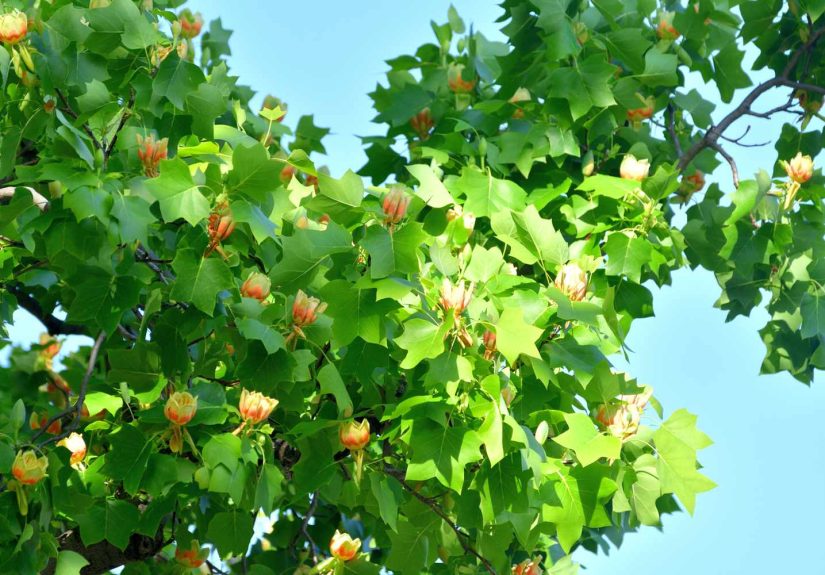
Tulip tree is one of the best choices when you want height, handsome form, and shade in a hurry. Once established, it grows quickly and develops a tall, straight trunk with a broad canopy. It also brings unusual tulip-like flowers and attractive leaves shaped like they were designed by a very confident geometry teacher. Give it deep, moist, well-drained soil and plenty of room. The main caution is size: this is not a polite little patio tree.
2. River Birch
River birch earns its popularity honestly. It grows fast, adapts to many soils, and stands out with peeling bark that looks good even when the leaves are gone. It is especially useful in moist areas where fussier trees pout and quit. In landscapes, it is often sold as a multi-trunk specimen, which gives it a loose, graceful look. If your summers are hot, regular watering helps it stay handsome instead of crispy.
3. Red Maple
Red maple is a classic fast shade tree with the bonus of strong seasonal color. It grows quickly, transplants well, and has broad appeal in many regions. In spring, it can show off small red flowers, and in fall it often lights up in red or orange. The downside? Fast-growing maples tend to have weaker wood than slower-growing species, so structural pruning early on is a smart move. It is also less happy in alkaline soils.
4. Bald Cypress
Bald cypress is the overachiever that somehow manages to be both dramatic and practical. This deciduous conifer grows at a moderately fast pace, develops a strong pyramidal form, and tolerates everything from moist soils to surprisingly average landscape conditions once established. Its soft needles turn a warm coppery color in fall before dropping. It brings a distinctive texture to the yard and usually creates less cleanup drama than broadleaf trees with giant, floppy leaves.
5. Dawn Redwood
Dawn redwood is fast-growing, feathery, elegant, and eventually enormous. If you have the room, it is a gorgeous choice for quick vertical impact and cooling shade. Because it is a deciduous conifer, it gives you a soft, airy look in the growing season and a clean silhouette in winter. It prefers moisture and space, so think of it as a statement tree for larger properties rather than a casual add-on beside the mailbox.
6. American Sycamore
Need a big tree for a big yard? American sycamore is a strong candidate. It grows rapidly, tolerates wet and compacted soils, and develops that unmistakable mottled bark that looks like the tree forgot how to finish getting dressed. Its canopy creates serious shade, which is great for cooling large outdoor spaces. The trade-off is that it is massive, and in some regions it may deal with anthracnose or seasonal leaf drop that makes cleanup less glamorous than the photos suggest.
7. Northern Catalpa
Northern catalpa is for gardeners who want quick shade and a little personality. The huge heart-shaped leaves create dense cover, and the tree also produces showy flowers followed by long seed pods. It is adaptable and fast, but it is not exactly tidy. Pods, leaves, and sometimes branch structure can make it a better fit for relaxed landscapes than for ultra-formal ones. Think “charming giant” rather than “buttoned-up perfectionist.”
8. Thornless Honeylocust
If you want shade without plunging the whole yard into darkness, thornless honeylocust is a smart pick. Its fine-textured foliage casts filtered shade, which cools a space while still allowing lawn or understory plants a fighting chance. It also tolerates tough urban conditions and poor soils. Young trees often need training to develop good branch structure, and some areas have pest issues from overplanting, so variety selection and local advice still matter.
9. Common Hackberry
Hackberry is not flashy, but it is dependable, adaptable, and tougher than a diner steak. It tolerates urban stress, wind, and varied soils better than many prettier trees, and it grows fast enough to be useful when you want shade soon. The canopy becomes broad and comfortable over time, while the bark develops a corky, warty texture that some people love and some politely pretend to love. Either way, birds appreciate it.
10. Japanese Zelkova
Japanese zelkova is often recommended as a durable shade tree for streets and home landscapes, especially where people like the vase-shaped look of elms without the same disease baggage. It handles drought and urban conditions fairly well once established and creates a handsome, arching canopy. Give it room, start it with good pruning, and it can become a long-term asset. This is a great “fast enough, strong enough, good-looking enough” compromise tree.
11. Chinese Pistache
Chinese pistache is an excellent option for warmer regions where heat and drought tolerance are high on the wish list. It grows quickly when young, matures into a rounded shade tree, and puts on a spectacular fall show. It is especially appealing for homeowners who want a medium-sized tree rather than a monster that swallows the deck. Young trees can look awkward and need pruning for structure, but maturity is kind to them.
12. Sun Valley Maple
For people who like the look and speed of red maple but would prefer fewer “helicopter” seeds decorating every corner of the yard, Sun Valley maple is an appealing cultivar. It has a symmetrical oval form, strong fall color, and relatively low-maintenance appeal. It works especially well when you want classic shade-tree energy with a more polished silhouette. Consider it the neat freak of fast maples.
13. Pin Oak
Pin oak grows faster than many people expect from an oak, which makes it a solid choice for those who want quicker shade without giving up the classic oak presence. It starts with a more pyramidal form and matures into a broad canopy. It is especially effective in larger landscapes. One important caution: pin oak prefers acidic soils and can develop chlorosis in high-pH sites, so it is not the right answer everywhere.
14. Willow Oak
Willow oak is another fast-growing oak that deserves more attention. It has narrow, willow-like leaves that give it a finer texture than many oaks, and it forms a balanced, rounded crown that works beautifully as a shade tree. Once established, it can put on roughly two feet of growth per year under good conditions. It is a great option if you want the strength and longevity associated with oaks, but with a quicker payoff.
15. Shumard Oak
Shumard oak is a strong candidate for larger yards in warmer regions. It grows at a good pace, tolerates heat better than some northern oaks, and develops into a large, handsome shade tree with a broad crown. It also tends to offer attractive fall color. This is not the tree for squeezing into a tight side yard between a fence and the air-conditioning unit. It wants room and rewards it generously.
16. Sweetgum
Sweetgum is fast-growing, durable, and famous for excellent fall color. The star-shaped leaves are easy to love. The spiky seed balls are less lovable, especially if you enjoy walking barefoot and dislike surprise foot acupuncture. The good news is that fruitless or reduced-fruit cultivars can solve much of that complaint. In the right spot, sweetgum offers quick shade and strong seasonal interest with fewer headaches than its reputation suggests.
17. Eastern Cottonwood
Eastern cottonwood is the speed demon of native shade trees, and it absolutely delivers fast cover. It is best suited to very large properties, especially where soils stay moist. For parks, rural homesites, or edges of large lots, it can be useful. For average suburban landscapes, it is often too messy and too prone to limb issues to recommend as a first choice. Cottony seed fluff and storm breakage are part of the package. Read the label before inviting this guest.
Planting Tips That Make Fast Shade Arrive Faster
Choosing the right tree is only half the battle. Planting it well is what turns “fast-growing” from a nursery promise into actual backyard progress. Start with a younger, properly sized tree instead of the biggest specimen you can afford. Smaller trees usually establish faster, recover from transplant shock more quickly, and catch up sooner than many homeowners expect.
Plant at the proper depth, keep mulch away from the trunk, and water consistently during the first few growing seasons. Do not assume a tree labeled drought-tolerant can skip establishment care. Even tough trees appreciate not being thrown into the world like a college freshman with instant noodles and a dream.
Finally, think ahead. Place large shade trees far enough from foundations, driveways, septic systems, and power lines. The best fast-growing shade tree is the one you still love twenty years later, not the one that looked heroic for six summers and then started bullying the gutters.
What Homeowners Commonly Experience After Planting Fast-Growing Shade Trees
The first year after planting, most people feel a little underwhelmed. The tree is in the ground, the mulch ring is neat, and the vision is beautiful, but the actual shade is about enough to cool one squirrel and maybe half a lawn chair. That is normal. Fast-growing trees are not magic overnight umbrellas. They are more like a savings account with leaves.
By the second and third growing seasons, though, the change becomes noticeable. Homeowners often realize the patio feels less punishing in late afternoon, the west-facing windows do not seem quite as aggressive, and outdoor dinners stretch longer because the yard is simply more comfortable. One of the most common reactions is surprise at how much shade changes behavior. A backyard that used to be crossed quickly on the way to somewhere else suddenly becomes a place where people linger.
There is also a strong visual effect. Even before a tree creates full shade, it can make a yard feel cooler just by softening the space. A fast-growing tulip tree or river birch gives height and movement. A honeylocust adds dappled light that feels breezy instead of heavy. A bald cypress or dawn redwood creates a vertical focal point that makes the landscape feel established sooner. People often describe this stage as the moment their yard starts looking “finished,” even though the tree is still young.
Of course, the real experiences are not all romantic porch-swing moments. Fast growth usually comes with lessons. Some homeowners discover that a red maple needs better early pruning than expected. Others learn that catalpa leaves are large enough to qualify as minor roofing material. Someone always forgets that sweetgum balls exist until the first barefoot encounter turns into interpretive dance across the lawn. And more than one person plants a sycamore or cottonwood without fully respecting the words mature spread, which is how future shade becomes future conflict with sidewalks, roofs, or neighboring property lines.
Still, when the tree is well chosen, the long-term experience is overwhelmingly positive. Birds arrive. The lawn stops looking stressed in the hottest zone of the yard. Outdoor furniture no longer feels like it has been preheated to broil. Children and pets naturally drift toward the coolest spot under the canopy. Even the sound of the yard changes a little as leaves move in the wind and soften the hard edges of heat and sun.
That is really the hidden value of fast-growing shade trees. They are not just landscape features. They change how people use outdoor space. They turn a bright, exposed backyard into a place for reading, grilling, talking, napping, and pretending you are absolutely going to weed that flower bed tomorrow. In the best cases, the tree becomes part of the daily rhythm of the home. And that is a very good return on a hole, a shovel, and a bit of patience.
Conclusion
The best fast-growing shade trees do more than get tall quickly. They cool outdoor living areas, improve comfort, and make a landscape feel settled much sooner. Tulip tree, river birch, red maple, bald cypress, and willow oak are all excellent choices in the right conditions, while trees like sycamore, catalpa, sweetgum, and cottonwood need more deliberate placement. Pick for your site, not just the speed chart, and your future self can enjoy the shade instead of managing the regret.