Table of Contents >> Show >> Hide
- What Is an Ear Infection, Exactly?
- 1. You Have Ear Pain, Pressure, or a “Something Is Wrong in There” Feeling
- 2. You Notice Fever, Drainage, or Cold-Like Symptoms Tagging Along
- 3. Your Hearing Sounds Muffled, or Your Balance Feels a Little Off
- How to Tell If It Might Be Swimmer’s Ear Instead
- When You Should See a Doctor
- What Not to Do If You Suspect an Ear Infection
- Quick Symptom Checklist: 3 Ways to Tell if You Have an Ear Infection
- Real-World Experiences: What Ear Infections Often Feel Like
- Conclusion
- SEO Tags
Ear infections have a special talent for showing up at the worst possible time. They love weekends, vacations, red-eye flights, and the exact moment you finally sit down with hot coffee. One minute your ear feels a little odd, and the next it feels like someone inflated a tiny balloon behind your eardrum and invited pain to the party.
If you are wondering whether that earache is just congestion, swimmer’s ear, or a full-blown ear infection, you are not alone. Ear infections are common in kids, but adults can get them too. The tricky part is that the symptoms can overlap with allergies, sinus pressure, earwax buildup, a cold, or irritation from water stuck in the ear. That is why it helps to know the most reliable clues.
In this guide, we will break down three practical ways to tell if you have an ear infection, what those symptoms usually feel like, how signs differ in adults and children, and when it is time to stop Googling and call a medical professional. Think of this as your no-nonsense, easy-to-read roadmap to ear infection symptoms, with fewer medical jargon potholes.
What Is an Ear Infection, Exactly?
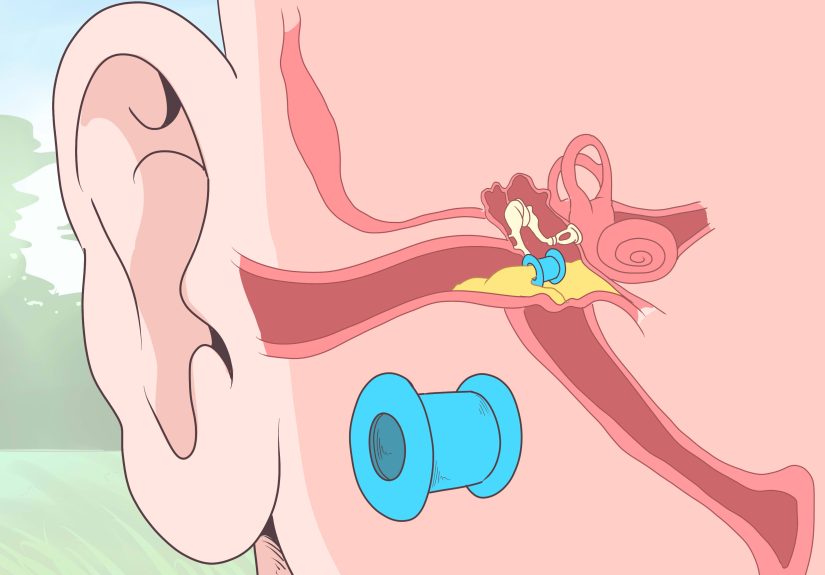
Before we get into the signs, it helps to know what people usually mean when they say “ear infection.” Most of the time, they are talking about a middle ear infection, also called otitis media. This happens when fluid gets trapped behind the eardrum and becomes inflamed or infected, often after a cold or upper respiratory illness.
There is also swimmer’s ear, or otitis externa, which affects the ear canal rather than the middle ear. That type often causes pain when the outer ear is touched or moved. An inner ear problem is less common and tends to bring dizziness, vertigo, or balance symptoms into the spotlight.
In other words, not every ear problem is the same. But if you are trying to figure out whether you may have an infection, these three patterns are the biggest clues.
1. You Have Ear Pain, Pressure, or a “Something Is Wrong in There” Feeling
The most obvious sign of an ear infection is usually ear pain. Sometimes it feels sharp and sudden. Sometimes it is more like pressure, throbbing, fullness, or a dull ache that refuses to mind its business. People often describe it as feeling like the ear is clogged, blocked, or packed with invisible cotton.
What ear infection pain often feels like
If you have a middle ear infection, the discomfort is usually felt deeper inside the ear. It may get worse when lying down, especially at night, because pressure changes can make the pain more noticeable. In adults, this can feel like a stubborn ache with pressure. In children, it may show up as crying, irritability, or waking up frequently at night.
Common pain-related clues include:
- A deep ache inside one or both ears
- Pressure or fullness in the ear
- Throbbing pain that comes on quickly
- Pain that seems worse when lying flat
- A child rubbing, tugging, or holding the ear
Now, an important reality check: ear pain does not always mean infection. Earwax, sinus pressure, a sore throat, jaw issues, dental problems, and altitude changes can all cause ear discomfort. But when pain comes with fever, muffled hearing, drainage, or recent cold symptoms, infection moves much higher on the list.
Adults vs. kids: the pain clue can look different
Adults are more likely to say, “My ear hurts,” which is refreshingly direct. Kids, especially babies and toddlers, are less likely to file a formal complaint. Instead, they may become clingy, fussy, unusually tired, or impossible to put down. A toddler who keeps yanking at one ear, refuses to nap, and suddenly acts like bedtime is a personal insult may be trying to tell you something.
If the pain is mainly in the outer ear and gets worse when you touch the ear lobe or wiggle the ear, that points more toward swimmer’s ear than a middle ear infection. That distinction matters because the cause and treatment may differ.
2. You Notice Fever, Drainage, or Cold-Like Symptoms Tagging Along
Ear infections rarely travel alone. They often show up with other symptoms, especially after a cold, sinus infection, or runny-nose season that seems determined to last forever. If your ear discomfort is paired with fever, fluid drainage, or lingering congestion, that is another strong sign that an infection may be involved.
Fever can be part of the picture
Not everyone with an ear infection gets a fever, but many people do, especially children. In little kids, a fever may be one of the first big clues. If a child has a recent cold, becomes extra cranky, and suddenly spikes a temperature, an ear infection may be worth considering.
Adults can also develop fever with an ear infection, though sometimes the main complaint is still pain or pressure rather than feeling obviously feverish.
Drainage from the ear is a symptom you should not ignore
If fluid, pus, or discharge starts coming from the ear, that is not a normal “let’s wait and see” moment. Drainage can happen with swimmer’s ear, but it can also happen when pressure from a middle ear infection leads to a small tear in the eardrum. Oddly enough, some people feel less pain after the drainage begins because the trapped pressure is reduced. The ear, unfortunately, does not send a thank-you card for this.
Drainage may look:
- Clear or cloudy
- Yellow or white
- Pus-like
- Occasionally blood-tinged
If you see discharge, especially with pain or reduced hearing, it is smart to get medical advice rather than assuming the problem will sort itself out.
Congestion and recent illness matter
Many middle ear infections start after a cold because the tubes connecting the middle ear to the back of the throat can swell and stop draining properly. That lets fluid hang around behind the eardrum, where germs can move in like terrible roommates.
That means these symptoms can strengthen the suspicion of an ear infection:
- Recent cold, flu, or upper respiratory infection
- Stuffy nose or thick mucus
- Cough, especially in children
- Fussiness after several days of congestion
- Ear pain that starts during or after a cold
In babies and toddlers, you might also notice poor feeding, trouble sleeping, or more crying than usual. In older children and adults, headaches, pressure, and a sense of blocked hearing are common companions.
3. Your Hearing Sounds Muffled, or Your Balance Feels a Little Off
The third major clue is a change in hearing or balance. This symptom can be surprisingly easy to miss at first. People often assume they just need to “pop” their ears, or they blame headphones, allergies, or an annoyingly loud air conditioner. But when fluid builds up behind the eardrum, sound does not travel as well. The result can be muffled hearing, a plugged sensation, ringing, or trouble following quiet sounds.
Signs your hearing is being affected
You may notice:
- Muffled or dulled hearing in one ear
- A sense that sounds are farther away
- Needing to turn up the TV or ask people to repeat themselves
- A popping, crackling, or full sensation
- Ringing in the ear in some cases
In children, hearing changes can be even sneakier. A child may seem to ignore you, ask “what?” more often, stop responding to quiet sounds, or appear distracted. Sometimes the issue is not behavior at all. It is simply that everything sounds as if it is coming through a pillow.
Balance changes can happen too
The ear helps regulate balance, so some ear infections can make people feel slightly unsteady, dizzy, or clumsy. This is especially noticeable in small children, who may seem off-balance, more wobbly than usual, or oddly fussy when walking around.
That said, severe dizziness or spinning vertigo is not the classic sign of a routine middle ear infection. If you have major balance symptoms, vomiting, or sudden hearing loss, that deserves quicker medical attention.
How to Tell If It Might Be Swimmer’s Ear Instead
Because ear infection symptoms can overlap, it helps to know the difference between a middle ear infection and swimmer’s ear.
Signs that lean more toward swimmer’s ear
- Pain when touching, tugging, or wiggling the outer ear
- Itching in the ear canal
- Redness or swelling of the outer ear or ear canal
- Drainage from the ear canal after swimming or moisture exposure
- A plugged feeling with ear canal tenderness
Swimmer’s ear often starts after water exposure or irritation from earbuds, scratching, or cotton swabs. Middle ear infections are more likely to follow a cold or congestion. The symptoms can overlap, but the “ouch, do not touch my ear” reaction is a classic clue for swimmer’s ear.
When You Should See a Doctor
Not every ear infection needs panic, but some absolutely deserve attention. See a healthcare professional if you or your child has:
- Severe ear pain
- Ear pain lasting more than a couple of days
- Fever, especially a higher fever
- Fluid, pus, or blood coming from the ear
- Noticeable hearing loss
- Worsening symptoms after a cold
- Symptoms in a very young infant
- Swelling, redness, or pain behind the ear
- Dizziness, vomiting, or trouble with balance that feels significant
For children, it is also wise to get checked if they are unusually irritable, cannot sleep because of pain, are not drinking well, or seem much sicker than a typical cold would explain.
A doctor may use an otoscope to look at the eardrum and decide whether the problem is a middle ear infection, fluid buildup, swimmer’s ear, or something else entirely. That matters because treatment can range from watchful waiting and pain relief to prescription drops or antibiotics, depending on the diagnosis.
What Not to Do If You Suspect an Ear Infection
When your ear hurts, the temptation to “fix it” quickly is very real. Unfortunately, the ear is not a junk drawer, and random poking rarely improves the situation.
Avoid these common mistakes
- Do not stick cotton swabs, hairpins, or other objects into the ear
- Do not pour random oils or home remedies into the ear without medical guidance
- Do not ignore ear drainage
- Do not assume every earache needs antibiotics
- Do not send a child back to swimming if the ear is painful and draining
Also, if you think the eardrum may be ruptured, avoid putting anything in the ear unless a clinician specifically tells you to do so.
Quick Symptom Checklist: 3 Ways to Tell if You Have an Ear Infection
If you want the short version, here it is:
- You have ear pain, pressure, or fullness that feels deep, persistent, or worse when lying down.
- You also have fever, drainage, or recent cold symptoms, especially if the ear problem started after congestion.
- Your hearing is muffled or your balance feels off, making the ear feel plugged, weird, or noticeably different.
One symptom alone does not prove an infection, but the more of these clues you have together, the more likely it is that an ear infection is part of the story.
Real-World Experiences: What Ear Infections Often Feel Like
To make all of this more practical, it helps to translate symptoms into everyday experiences. Ear infections do not always announce themselves with a giant flashing sign that says, “Hello, I am otitis media.” More often, they sneak in wearing a disguise.
For adults, one common experience is waking up with a blocked ear after a few days of a cold. At first, it feels like leftover congestion, the kind you think will disappear after coffee and optimism. But as the day goes on, the pressure grows, sounds feel muffled, and there is a deep ache that comes and goes. By evening, lying down makes the pain sharper. That pattern often sends people from “I’m fine” to “Actually, I would like a doctor and maybe a medal.”
Parents often describe the experience differently because children may not explain what they feel. A baby with an ear infection may be happy enough during the day, then suddenly become miserable at night. They cry harder when laid flat, tug at an ear, wake up repeatedly, and seem unusually fussy after a runny nose or cold. A toddler may refuse food, not because they are staging a rebellion, but because swallowing can increase pressure in the middle ear and make everything feel worse.
School-age children might say their ear feels “funny,” “full,” or “like there’s water in it.” Some turn up the television louder than usual or seem distracted in class because hearing is muffled. Others complain that their ear pops or crackles. In some cases, the symptom that gets the most attention is not even pain. It is the sudden realization that one ear is not hearing the same way as the other.
Swimmer’s ear has its own personality. People often notice it after swimming, showering a lot, or using earbuds for long stretches. The ear canal feels itchy first, then tender. Soon, touching the ear or pulling the ear lobe hurts more than expected. That outside tenderness is a big clue. Many people say it feels less like deep internal pressure and more like the ear canal itself is angry and swollen.
Then there is the dramatic moment of ear drainage, which almost nobody enjoys. Some people feel a sudden warm wetness or notice discharge on a pillow. It can be alarming, but it is also one of the clearer signs that the ear needs medical attention. Sometimes the pain eases after drainage begins, which may make the situation feel oddly better and worse at the same time.
The takeaway from these real-life patterns is simple: ear infections usually show up as a cluster of symptoms, not a single mysterious sign. Pain, pressure, poor sleep, hearing changes, drainage, fever, and balance issues often work together. If your experience sounds a lot like one of these scenarios, that is a strong hint that it is time to stop guessing and get the ear checked properly.
Conclusion
When you are trying to figure out whether you have an ear infection, the biggest clues are usually not subtle. Ear pain or pressure, fever or drainage, and muffled hearing or balance changes are the three most useful signs to watch. In children, you may need to look for the less obvious version of those symptoms, like ear tugging, crying, poor sleep, and trouble hearing.
The good news is that many ear infections are treatable, and some improve with time and supportive care. The less-good news is that ears are not great at self-reporting. So if symptoms are severe, getting worse, or come with discharge or hearing loss, it is worth getting a medical opinion. Your future self, who would prefer to hear clearly and sleep normally, will probably approve.